
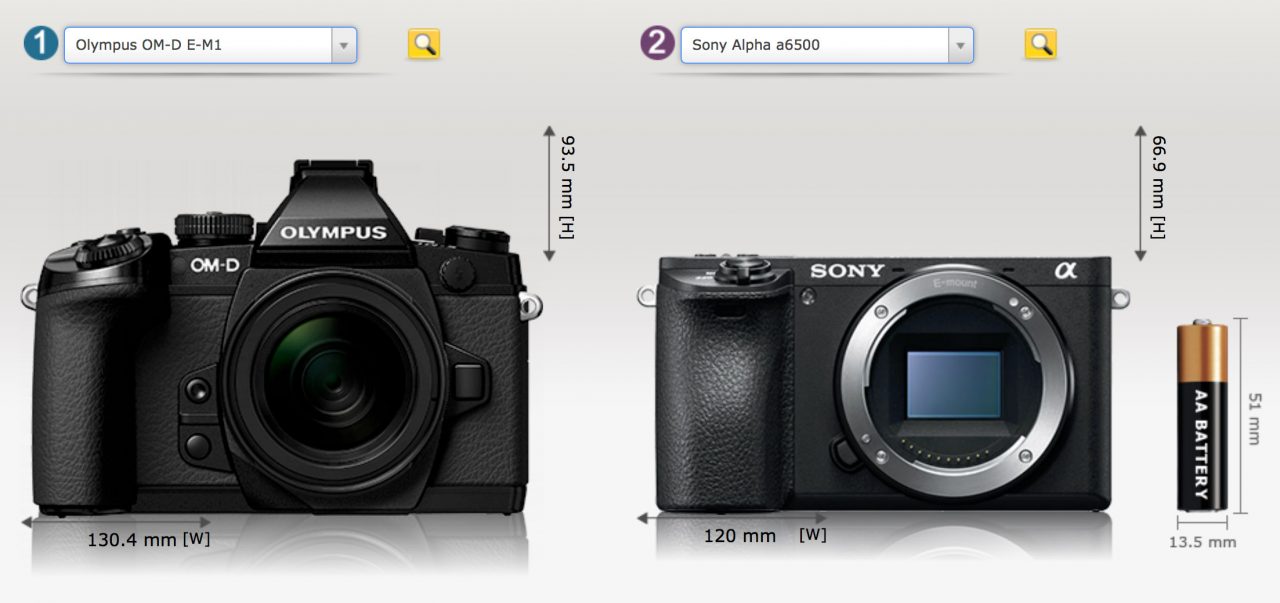
An APS-C camera uses a smaller-than-full-frame sensor that balances image quality, size, reach, and cost.
If you are choosing your first interchangeable-lens camera, understanding what is an APS-C camera can save you money and confusion. This sensor format sits between smaller camera sensors and full frame, offering strong image quality in a compact body. In this guide, you will learn how APS-C sensors work, how they affect lenses and photos, and whether an APS-C camera fits your needs.
Source: canon-asia.com
What Is an APS-C Camera?
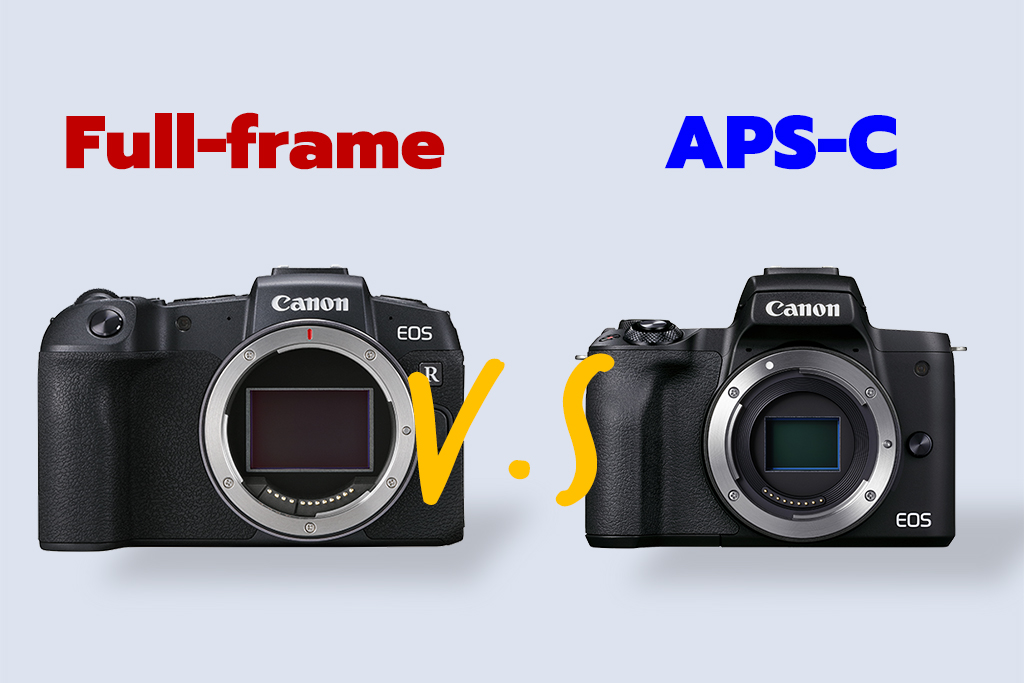
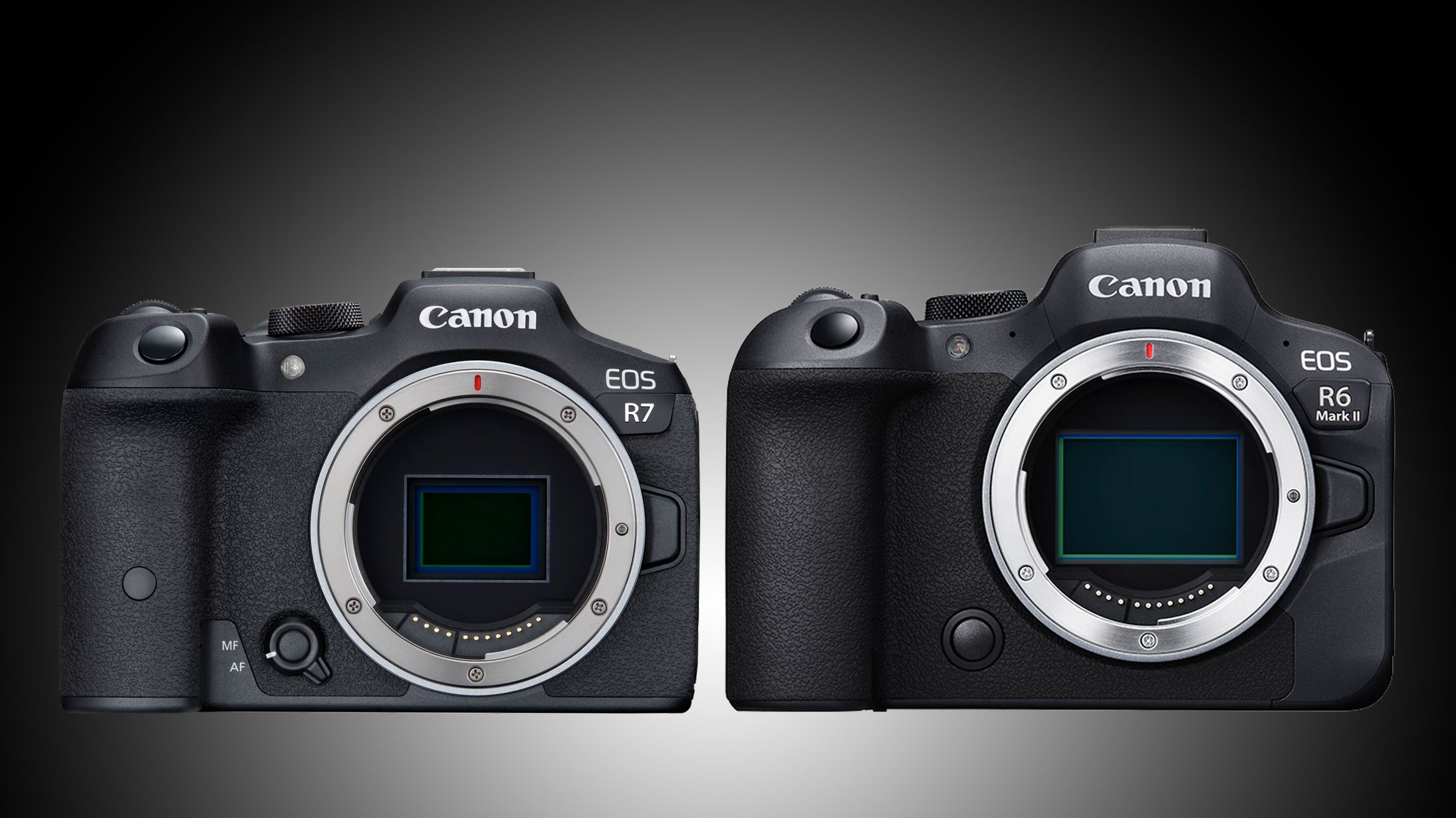
An APS-C camera is a digital camera with an APS-C image sensor. The sensor is smaller than a full-frame sensor but larger than the sensors found in most smartphones, compact cameras, and many bridge cameras.
The term APS-C comes from the Advanced Photo System film format. In digital cameras, it describes a sensor size rather than a single brand or camera type. Canon, Nikon, Sony, Fujifilm, Pentax, and other brands make APS-C cameras.
APS-C sensors do not all have the exact same size. Common dimensions include:
• Canon APS-C sensors, which are about 22.3 × 14.9 millimeters
• Sony, Nikon, and Fujifilm APS-C sensors, which are often about 23.5 × 15.6 millimeters
• Full-frame sensors, which measure about 36 × 24 millimeters
This means an APS-C sensor has roughly half the surface area of a full-frame sensor. That smaller size affects the camera’s field of view, depth of field, body size, lens design, and performance in low light.
Source: markgaler.com
How Does an APS-C Sensor Work?
A camera sensor contains millions of small light-sensitive areas called pixels. When you take a photo, these pixels collect light and turn it into digital image data.
Because an APS-C sensor is smaller than a full-frame sensor, it captures a narrower view when you use the same lens. This effect is called the crop factor.
Most APS-C cameras use one of two common crop factors:
• A 1.5x crop factor is common with Sony, Nikon, Fujifilm, and Pentax
• A 1.6x crop factor is common with Canon APS-C cameras
For example, a 50mm lens on a camera with a 1.5x crop factor gives a field of view similar to a 75mm lens on a full-frame camera. The lens remains a true 50mm lens, but the smaller sensor records a smaller central part of the image.
This is similar to cropping the edges of a photo. However, the camera crops the view at the sensor level before the image is saved.
Source: alphauniverse.com
What Does the Crop Factor Mean in Real Use?
Crop factor changes the field of view, not the physical focal length of the lens. This distinction matters when you compare lenses between camera systems.
Here are some common examples:
• A 16mm lens on a 1.5x APS-C camera gives a view similar to 24mm on full frame
• A 23mm lens gives a view similar to 35mm on full frame
• A 35mm lens gives a view similar to 52.5mm on full frame
• A 50mm lens gives a view similar to 75mm on full frame
• A 70 to 300mm lens gives a view similar to 105 to 450mm on full frame
The crop factor can be helpful for wildlife, sports, and distant subjects. A small bird may fill more of your frame without needing an extremely large lens.
It can be less helpful for wide landscape work, indoor photography, and architecture. A lens that looks very wide on full frame may appear less wide on an APS-C camera.
One lesson I often see new photographers learn is to check the equivalent field of view before buying a lens. A 24mm lens may sound wide, but on a 1.5x camera it behaves more like a 36mm lens.

Source: andrealivieriphoto.com
APS-C vs. Full Frame
The main difference between APS-C and full frame is sensor size. A full-frame sensor matches the size of a 35mm film frame, while an APS-C sensor is smaller.
This difference affects several parts of photography:
Field of view
A full-frame camera shows more of a scene with the same lens. An APS-C camera shows a tighter view.
Depth of field
With the same framing and aperture, a full-frame camera can create a shallower depth of field. This can make it easier to blur a background.
An APS-C camera can still create strong background blur. You may need a wider aperture, a longer lens, or a closer shooting distance.
Low-light performance
A larger sensor can collect more total light when both cameras use similar technology and the same exposure settings. This often gives full frame an advantage at high ISO settings.
Modern APS-C cameras have improved greatly. A good APS-C camera can produce clean, detailed images in many indoor and night scenes, especially when paired with a bright lens.
Camera size
APS-C bodies and lenses are often smaller and lighter. This can make a major difference when you carry a camera all day.
Price
APS-C cameras usually cost less than comparable full-frame cameras. Their lenses may also be more affordable.
Neither format is always better. Full frame is like a larger work table, while APS-C is like a smaller table that is easier to carry. The right choice depends on your work, budget, and habits.

Source: slrlounge.com
Advantages of an APS-C Camera
An APS-C camera offers a strong balance for many photographers. It provides more control and image quality than most phones, without the cost and weight of a full-frame system.
Lower cost
APS-C camera bodies often cost less than full-frame models. APS-C lenses can also be smaller and less expensive.
This makes the format useful for students, families, travelers, and photographers building their first lens collection.
Smaller and lighter equipment
A small body and lens can make photography more enjoyable. You are more likely to take a camera with you if it does not feel like a heavy piece of luggage.
This matters for travel, hiking, street photography, and family events.
Extra reach for distant subjects
The crop factor makes distant subjects appear larger in the frame. Wildlife and sports photographers can benefit from this effect.
For example, a 300mm lens on a 1.5x APS-C camera gives a field of view similar to 450mm on full frame. You do not gain extra optical detail, but the subject occupies more of the image area.
Strong image quality
Many APS-C cameras use high resolution sensors, fast processors, reliable autofocus, and advanced video features. They can produce excellent photos for prints, websites, magazines, and social media.
Image quality depends on more than sensor size. Lens quality, focus accuracy, light, exposure, and editing also matter.
Easier system growth
Most major camera brands offer several APS-C lenses. You can begin with a kit lens, then add a wide lens, portrait lens, or telephoto lens as your skills grow.
Source: techradar.com
Limitations of an APS-C Camera
Knowing the disadvantages helps you make a fair decision. An APS-C camera is capable, but it does not fit every kind of photography.
Less control over very shallow depth of field
If you love extremely blurry backgrounds, full frame may offer more control. APS-C cameras can create soft backgrounds, but the same framing may require a wider aperture or longer focal length.
A 50mm f/1.8 lens on APS-C can still work well for portraits. However, it does not create exactly the same image as a 75mm f/1.8 lens on full frame.
Possible high ISO disadvantage
At very high ISO settings, a full-frame camera may produce less noise under similar conditions. The difference depends on sensor design, pixel count, exposure, and image processing.
This does not mean APS-C cameras perform poorly at night. It means full frame often gives you more room when light becomes very limited.
Fewer ultra-wide choices
APS-C systems need shorter focal lengths for the same wide view. You may need a 10mm, 11mm, or 12mm lens for a very wide landscape or indoor shot.
Many brands offer these lenses, but the selection may not match the full-frame market.
Lens compatibility can be confusing
A lens made for APS-C may not cover a full-frame sensor. If you later upgrade, some lenses may produce dark corners or require a crop mode.
Before buying, check whether the lens is designed for APS-C, full frame, or both.
Small body controls
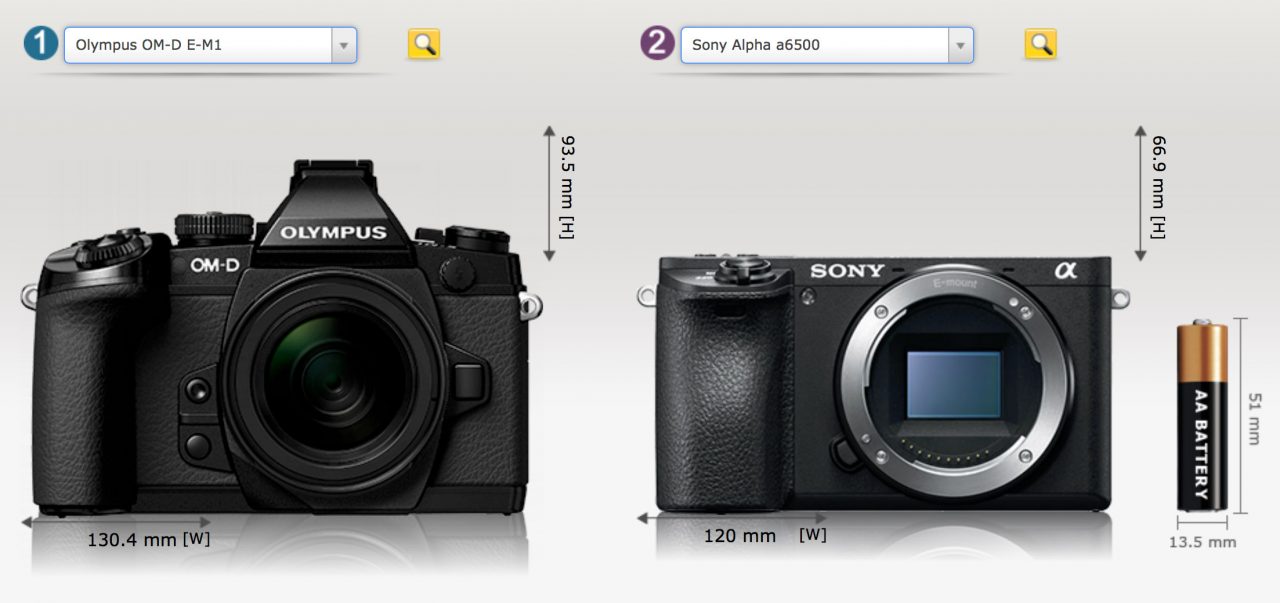
Compact size can mean smaller buttons, grips, and viewfinders. Some photographers love the portability, while others prefer the comfort of a larger full-frame body.
Source: markgaler.com
APS-C Camera for Different Types of Photography
The best format depends on what you photograph. Here is how an APS-C camera performs in common situations.
Travel photography
APS-C is excellent for travel. The system is often light, discreet, and affordable. A small zoom lens can cover street scenes, food, portraits, and landscapes.
A compact APS-C camera is also less tiring during long walking days. That practical benefit often matters more than a small difference in sensor performance.
Portrait photography
APS-C cameras work well for portraits. A 50mm or 56mm lens often gives a flattering view, similar to about 75mm or 85mm on full frame.
For soft backgrounds, choose a lens with a wide maximum aperture, such as f/1.4, f/1.8, or f/2. Use distance between your subject and the background to increase blur.
Wildlife photography
Wildlife is one of the strongest use cases for APS-C. The crop factor helps distant animals fill the frame, and smaller telephoto lenses can be easier to carry.
You still need good technique. Fast shutter speeds, accurate autofocus, and patience matter more than crop factor alone.
Sports photography
An APS-C camera can be a good sports tool because it often combines quick autofocus with useful reach. Look for fast burst shooting, a responsive electronic or mechanical shutter, and good subject tracking.
Bright lenses are helpful in gyms and stadiums where light may be limited.
Landscape photography
APS-C cameras can produce detailed landscape photos. Use a wide lens and a sturdy tripod when needed.
The main challenge is achieving a very wide view. A 10 to 20mm zoom is often more useful than a standard 18 to 55mm kit lens for large scenes.
Video
APS-C cameras are popular for video because they can offer strong autofocus, high resolution, microphone inputs, and compact bodies.
Check for recording limits, overheating tests, rolling shutter behavior, stabilization, and lens compatibility. These details vary widely between models.
Street photography
An APS-C camera is often a comfortable choice for street work. It can be small enough to carry all day and less intimidating than a large professional body.
A compact 23mm or 27mm lens can provide a natural view for streets, markets, and daily life.
Source: camtecphoto.com
How to Choose an APS-C Camera
When comparing models, do not focus only on megapixels. A well-rounded camera should match your subject, hands, budget, and workflow.
Consider these features:
• Autofocus performance, especially eye and subject detection
• Sensor resolution and image quality at higher ISO settings
• Electronic viewfinder quality and refresh rate
• In-body image stabilization for handheld shooting
• Battery life and charging options
• Weather sealing if you work outdoors
• Microphone and headphone ports for video
• Screen movement for low or high shooting angles
• Lens selection and future upgrade options
• Body comfort and control layout
Try to hold the camera before buying if possible. A camera may have excellent specifications but still feel awkward in your hands.
One common mistake is buying the body first and ignoring lenses. The lens often has a greater effect on your shooting experience. Set aside part of your budget for at least one useful lens beyond the basic kit lens.
APS-C Lens Guide
Lenses made for APS-C cameras are often marked with special names. The label changes by brand.
Examples include:
• Canon EF-S and RF-S
• Nikon DX
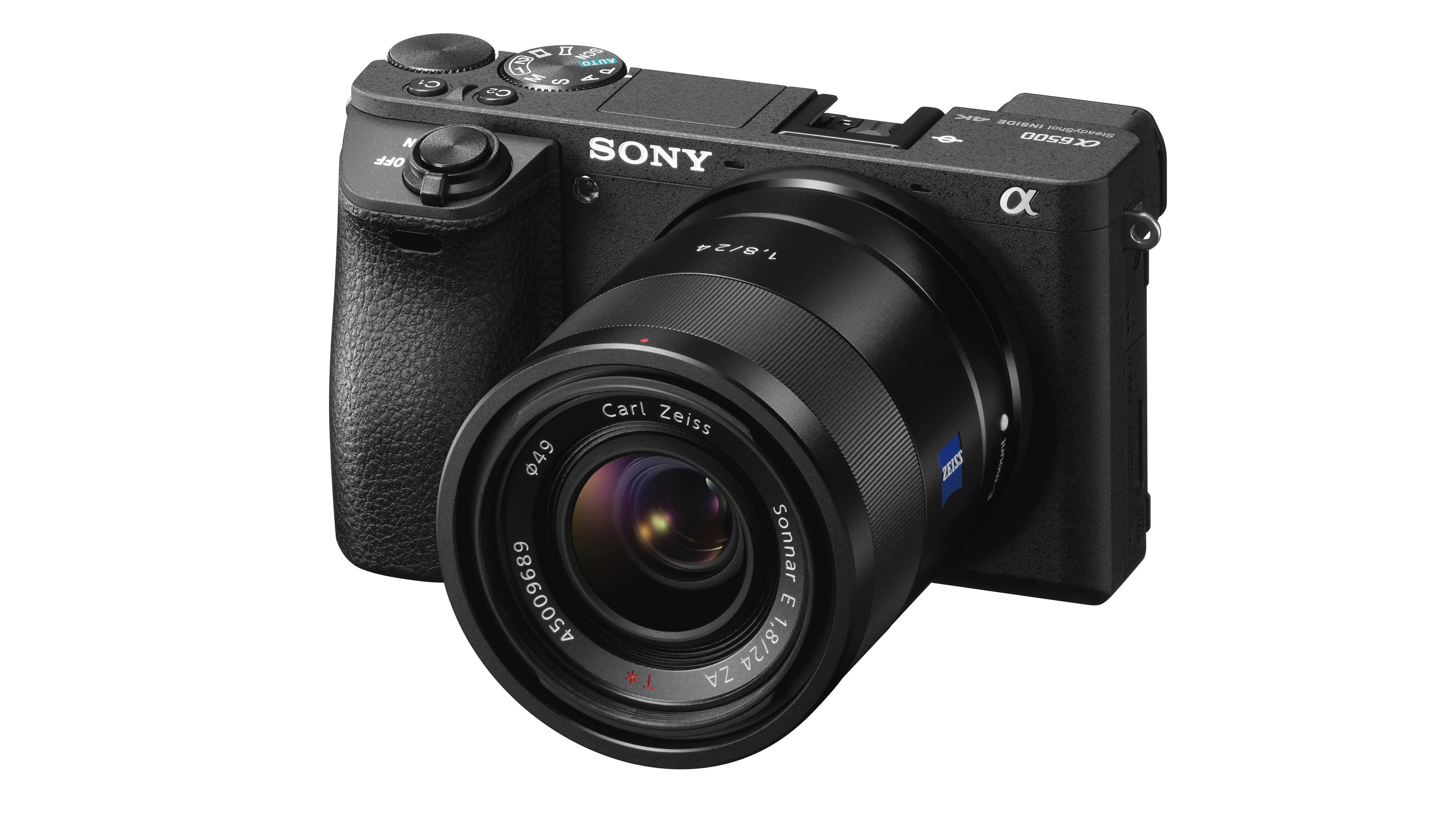
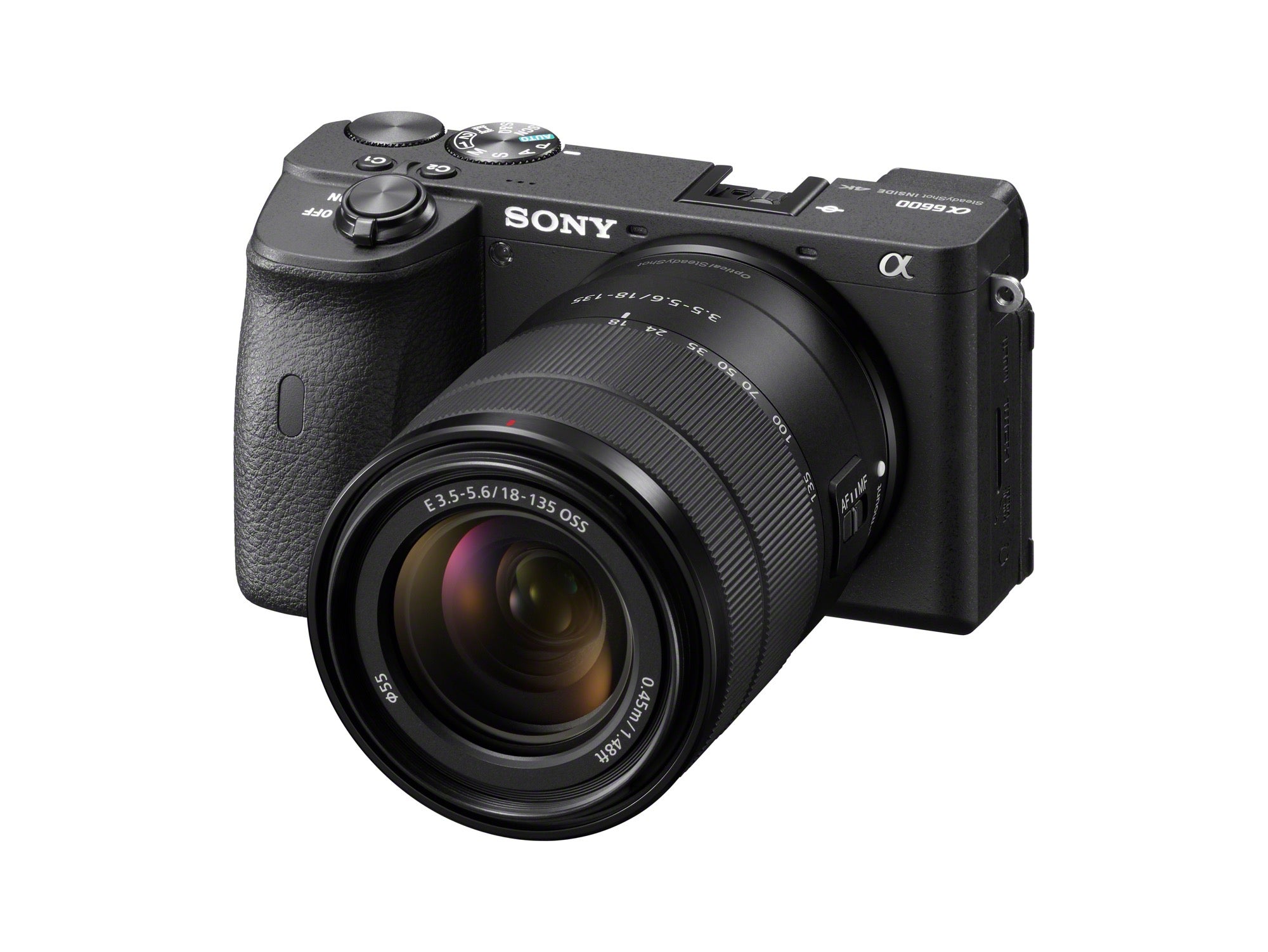
• Sony E lenses designed for APS-C
• Fujifilm XF and XC
• Pentax DA and DA Limited
These lenses are designed to cover the smaller sensor. They are often lighter and more compact than full-frame lenses.
A full-frame lens can usually work on an APS-C camera from the same mount. The camera will use the center portion of the lens, which can reduce edge softness and dark corners.
The reverse is not always true. An APS-C lens may not cover a full-frame sensor. Some full-frame cameras offer an automatic crop mode, but this reduces the image area and resolution.
For beginners, a practical APS-C lens kit might include:
• A standard zoom for daily use
• A small wide-aperture lens for portraits and low light
• A wide-angle lens for landscapes and interiors
• A telephoto zoom for wildlife, travel, and sports
You do not need all four at once. Start with the lens that solves your most common photography problem.
APS-C Camera Megapixels and Image Quality
Megapixels describe image resolution, not total image quality. A 24 megapixel APS-C camera can produce excellent files for prints, online use, and professional work.
Higher resolution may help when you crop wildlife or sports photos. However, it can also create larger files and reveal more camera shake or lens flaws.
The amount of light, lens sharpness, focus accuracy, and exposure all affect the final image. A sharp 24 megapixel photo often looks better than a soft 40 megapixel photo.
Pixel size can also affect noise, but modern sensor design and image processing make simple comparisons difficult. Read real test results, but remember that laboratory tests cannot fully predict your own experience.
Good light remains the best image-quality upgrade. Even an advanced APS-C camera cannot replace careful exposure and thoughtful composition.
APS-C Camera vs. Micro Four Thirds
Micro Four Thirds sensors are smaller than APS-C sensors. They usually have a 2x crop factor, while APS-C commonly uses a 1.5x or 1.6x crop factor.
Micro Four Thirds systems can be very small and light. They also offer strong lens choices and useful reach for wildlife.
APS-C cameras often provide a middle ground between Micro Four Thirds and full frame. They may offer better high ISO performance than smaller formats while remaining more portable than full frame.
The difference is not absolute. Camera generation, lens quality, stabilization, and shooting conditions can matter more than the format label.
Common Mistakes to Avoid
Buying an APS-C camera is easier when you know the usual traps.
• Do not assume a larger sensor automatically creates better photos
• Do not compare focal lengths without checking the crop factor
• Do not spend your entire budget on the camera body
• Do not ignore lens size and carrying comfort
• Do not choose a camera only because it has more megapixels
• Do not forget to check battery life and memory card costs
• Do not buy an APS-C lens without checking future full-frame compatibility
• Do not judge autofocus from marketing words alone
• Do not overlook ergonomics and menu design
A camera should make you want to take photos. If it stays at home because it is heavy, expensive, or frustrating, its technical advantages have little value.
Who Should Buy an APS-C Camera?
An APS-C camera is a strong choice for beginners, enthusiasts, travelers, students, families, and many working photographers.
Choose APS-C if you want:
• Good image quality without full-frame cost
• A smaller kit for travel and daily use
• Extra reach for wildlife or sports
• A wide selection of affordable lenses
• More control than a phone camera
• A system that can grow with your skills
Full frame may make more sense if you often shoot professional events in very low light, need the widest possible field of view, or want maximum control over shallow depth of field.
Even then, an APS-C camera can serve as a backup, travel body, or specialized wildlife camera. Format choice is not a test of skill. It is a choice about tools.
Frequently Asked Questions About What Is an APS-C Camera
Is an APS-C camera good for beginners?
Yes. An APS-C camera offers strong image quality, simple entry-level options, and a wide range of affordable lenses. Its smaller size can also make learning photography less tiring.
Is APS-C better than full frame?
Neither format is always better. APS-C is usually smaller, lighter, and less expensive, while full frame often offers better low-light performance and more control over background blur.
What does 1.5x crop factor mean?
A 1.5x crop factor means a lens shows a narrower view than it would on a full-frame camera. A 50mm lens therefore gives a field of view similar to a 75mm lens on full frame.
Can an APS-C camera take professional photos?
Yes. Professional results depend on the photographer, lens, light, focus, and editing, not only on sensor size. Many professionals use APS-C cameras for travel, sports, wildlife, portraits, and commercial work.
Are APS-C lenses cheaper than full-frame lenses?
They are often cheaper and smaller, but not always. Price depends on the lens design, aperture, autofocus system, materials, and brand.
Is APS-C good for low-light photography?
An APS-C camera can perform well in low light, especially with a bright lens and image stabilization. Full frame may have an advantage at very high ISO settings, but technique and exposure also make a major difference.
Can I use a full-frame lens on an APS-C camera?
In most systems, yes. The camera uses the center portion of the full-frame lens, which creates a narrower field of view because of the crop factor.
Conclusion
An APS-C camera uses a sensor smaller than full frame and larger than many compact-camera sensors. It offers a useful mix of image quality, portability, lens choice, reach, and price.
The crop factor can help with wildlife and sports, while the smaller body makes travel and daily photography easier. Its main limits involve very wide views, extreme low-light work, and the shallowest possible depth of field.
If you are deciding what to buy, start with your subjects, budget, and carrying habits. Choose a camera that feels comfortable, then invest in a lens that supports the photos you want to make. Explore different APS-C systems, test a few models in person, and share your questions or experience in the comments.
