
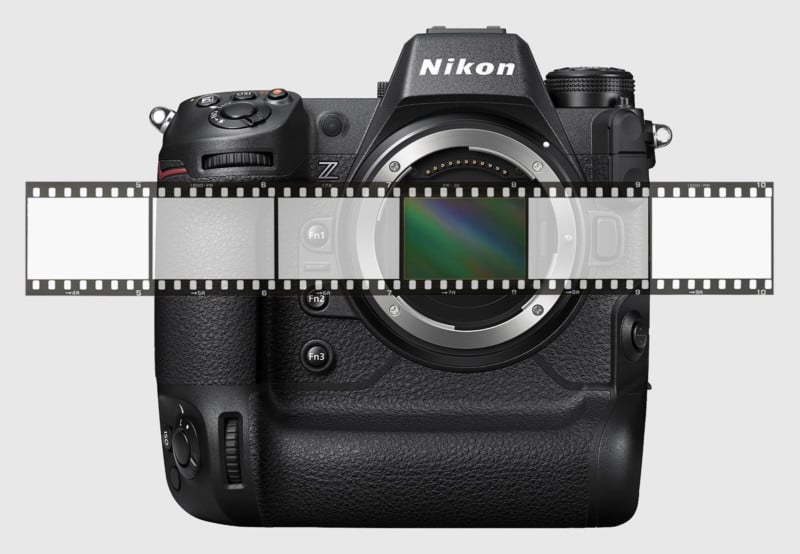
A full-frame camera uses a sensor about the same size as 35mm film, giving strong image quality and low-light control.
If you have wondered what is a full frame camera, the answer reaches beyond sensor size. Full-frame cameras affect image depth, lens choice, noise, dynamic range, cost, and even how a familiar lens feels in use. This guide explains the technology in simple terms, using practical examples to help you decide whether a full-frame camera fits your photography.
What Is a Full-Frame Camera?
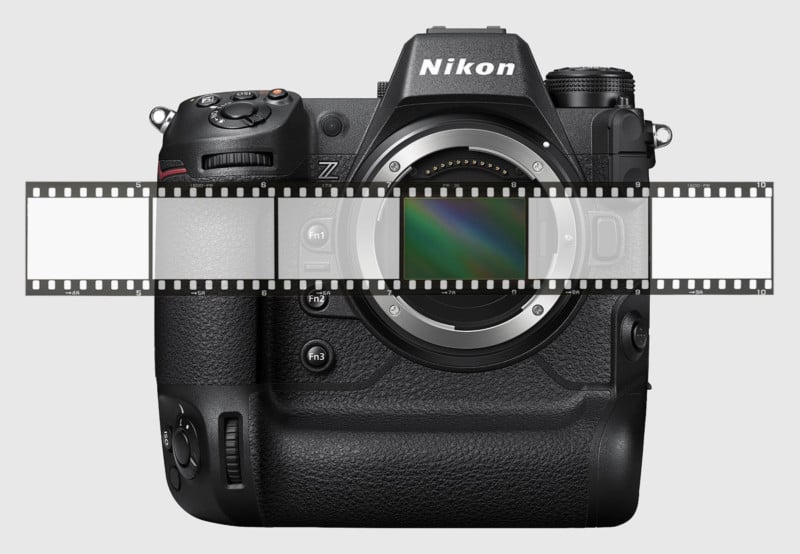
A full-frame camera is a digital camera with an image sensor that measures about 36 x 24 millimeters. This size matches a single frame of traditional 35mm film. That is why the format is called “full frame.”
The simplest answer to what is a full frame camera is this: it uses a larger sensor than most entry-level and mid-range crop-sensor cameras. The larger surface can capture more light and provide a wider view with the same lens.
Most full-frame cameras are available as:
- Mirrorless cameras with an electronic viewfinder
- DSLRs with an optical viewfinder
- Professional cinema and hybrid video cameras
- High-end compact cameras with fixed lenses
Sensor size is only one part of camera performance. Lens quality, autofocus, image processing, exposure skill, and lighting still matter greatly. A skilled photographer can create excellent images with many sensor formats.

Source: ymcinema.com
How a Full-Frame Sensor Works
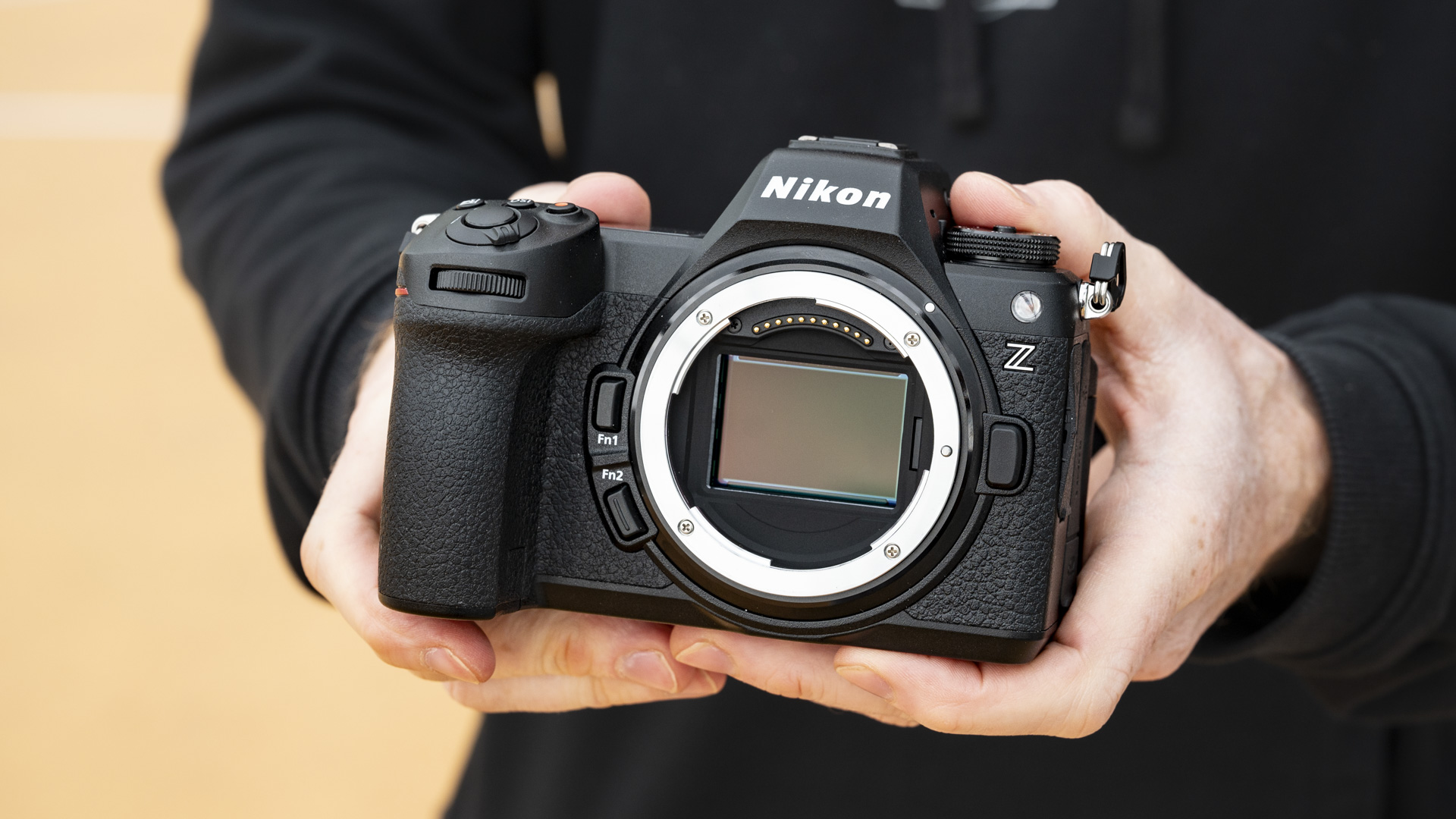
To understand what is a full frame camera, it helps to picture the sensor as a grid of tiny light receivers. Each receiver, often called a pixel, records light and color. A larger sensor gives the camera more physical space to collect that information.
A full-frame sensor does not always have more pixels than a smaller sensor. For example, a 24-megapixel full-frame camera and a 24-megapixel APS-C camera have the same image size in pixels. However, the full-frame model spreads those pixels over a larger area.
This can create several practical differences:
- Larger photosites may collect more light.
- Images may show less noise at higher ISO settings.
- Highlight and shadow detail may improve, depending on the sensor design.
- Background blur can be easier to achieve.
- A wide-angle lens keeps a wider field of view.
The exact result depends on the camera generation. Modern crop-sensor cameras can perform very well, while older full-frame models may show more noise than newer smaller-sensor cameras. Sensor technology changes quickly, so format alone does not tell the whole story.
Source: youtube.com
Full-Frame Camera Benefits
The main reason photographers choose full frame is control. A larger sensor gives you more options when you work in low light, use wide lenses, or want a soft background.
Better low-light performance
A full-frame camera often performs well in dim scenes. It can produce cleaner images at higher ISO settings, such as ISO 1600, 3200, or higher. This helps at weddings, concerts, indoor events, and evening street shoots.
Noise is not eliminated. Poor exposure, heavy editing, and weak lighting can still reduce image quality. Yet a good full-frame camera often gives you more room to work before noise becomes distracting.
More natural wide-angle views
A 24mm lens on a full-frame camera gives a true 24mm field of view. That makes it useful for:
- landscapes
* Architecture - Real estate
- Travel photos
- Interior spaces
- Astrophotography
On an APS-C camera, the same lens looks tighter because of the crop factor. A 24mm lens may behave more like a 36mm lens on a camera with a 1.5x crop factor.
Strong background blur
A full-frame camera can make it easier to create a shallow depth of field. This is useful for portraits, food photography, fashion, and detail shots.
For example, a 50mm f/1.8 lens on a full-frame camera gives a classic portrait view. It can separate a person from the background while keeping the subject natural. The same lens on a crop-sensor camera gives a tighter view, which may be helpful for headshots but less flexible in small rooms.
Higher image quality for large prints
Full-frame images can offer excellent detail and tonal range. This matters when you print large photos, crop heavily, or deliver professional work to clients.
Still, more detail does not guarantee a better image. Focus, composition, light, and timing remain more important than sensor size. A sharp, well-composed crop-sensor photo will usually beat a poorly exposed full-frame photo.
Source: techradar.com
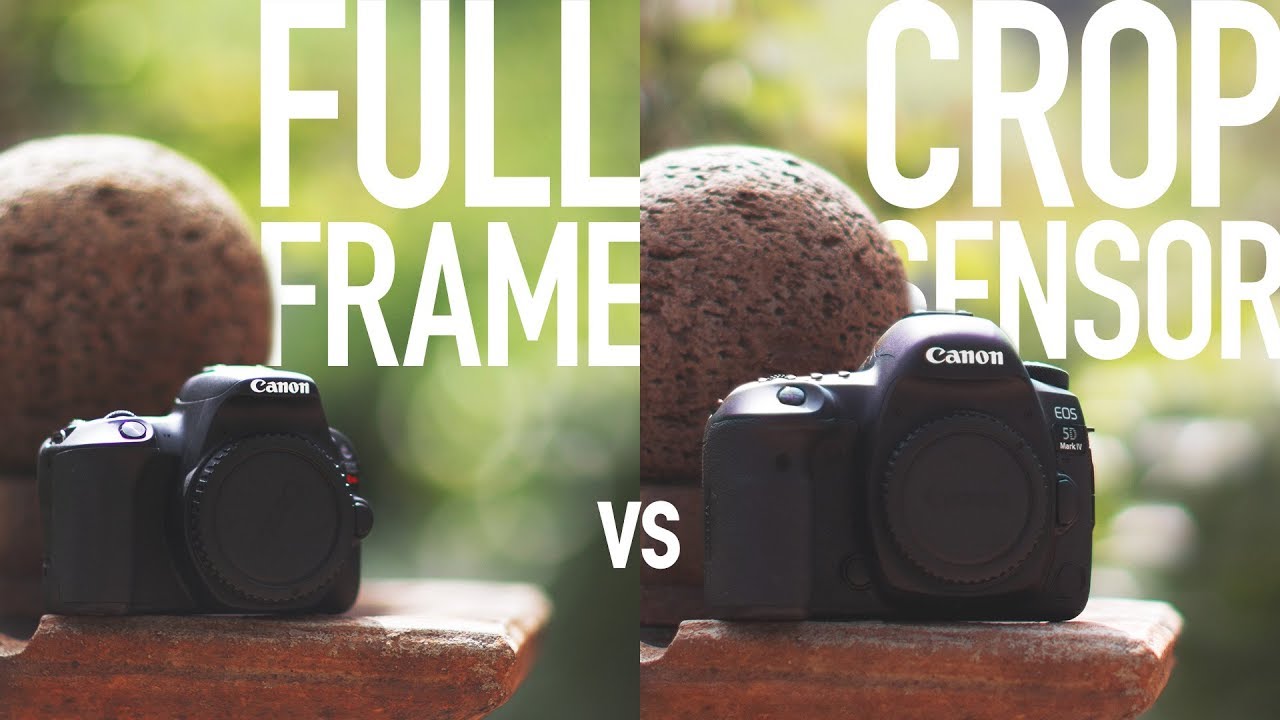
Full Frame vs. Crop Sensor
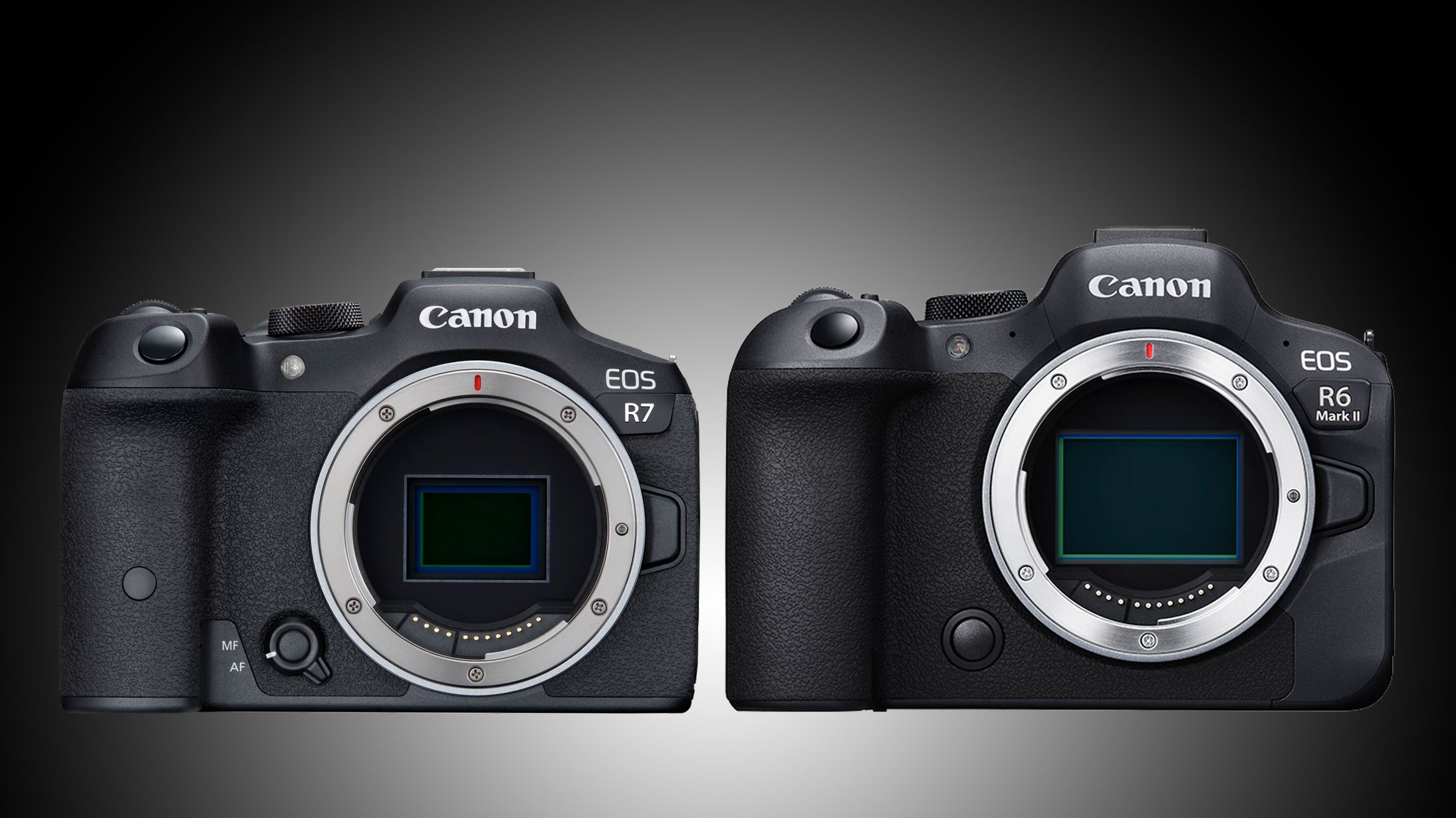
Many people ask what is a full frame camera because they want to compare it with an APS-C or Micro Four Thirds model. The key difference is the physical size of the sensor.
A crop-sensor camera uses a smaller sensor. Common crop formats include APS-C and Micro Four Thirds. Since these sensors capture a smaller portion of the image projected by the lens, the field of view appears narrower.
Here is a simple comparison:
| Feature | Full frame | APS-C | Micro Four Thirds |
|---|---|---|---|
| Approximate sensor size | 36 x 24mm | About 24 x 16mm | About 17.3 x 13mm |
| Common crop factor | 1x | 1.5x or 1.6x | 2x |
| Low-light potential | Usually very strong | Often strong | Good, depending on model |
| Body and lens size | Often larger | Often smaller | Usually smallest |
| Background blur | Easier at equal framing | Requires more care | More difficult at equal framing |
| Typical cost | Medium to very high | Low to high | Low to high |
A crop sensor is not a lower-quality choice by default. Wildlife photographers often enjoy the extra reach. Travelers may prefer the smaller body and lenses. Beginners may learn faster with a lighter, less expensive kit.
The best answer to what is a full frame camera depends on your goals. A professional event photographer may value clean high-ISO images, while a hiker may value low weight more.

Source: youtube.com
Full-Frame Lens Compatibility
Lens compatibility is one of the most important details to check before buying. Full-frame cameras use lenses designed to cover the entire 36 x 24mm sensor.
You can usually mount a full-frame lens on a crop-sensor camera from the same system. The lens will work, but the camera will show a narrower view.
The reverse can cause problems. A lens designed only for a smaller sensor may not cover a full-frame sensor. The image may show dark corners, known as vignetting. Some mirrorless cameras can automatically crop the image, but that reduces the final resolution.
Common full-frame lens types include:
- 14mm to 24mm for ultra-wide landscapes and architecture
- 24mm to 70mm for travel, events, and general work
- 70mm to 200mm for sports, portraits, and wildlife
- 35mm primes for street photography and documentary work
- 50mm primes for natural-looking portraits and everyday images
- 85mm primes for flattering headshots
Full-frame lenses are often larger and more costly because they must project a larger image circle. Before buying, check the lens mount and sensor coverage. A compatible mount does not always mean full-frame coverage.

Source: rtings.com
Limitations of Full-Frame Cameras
A full-frame camera can be impressive, but it is not perfect. Understanding its limits prevents expensive disappointment.
Higher cost
Full-frame bodies often cost more than entry-level crop-sensor cameras. Full-frame lenses can also be expensive. A complete system may include a body, two lenses, batteries, memory cards, and a bag.
The cost can rise quickly, especially with bright zoom lenses such as a 24-70mm f/2.8 or 70-200mm f/2.8. Many photographers get better results by buying a more affordable body and one excellent lens.
Larger and heavier equipment
A full-frame camera body may be comfortable for long sessions, but the lenses often add weight. This matters during travel, hiking, weddings, or street photography.
I have found that the best camera is often the one I am willing to carry. A smaller camera that stays in your bag cannot capture a moment. Weight should be part of your buying decision, not an afterthought.
Less apparent reach for wildlife
A 400mm lens on a full-frame camera gives a 400mm field of view. On a 1.5x crop-sensor camera, the view appears similar to 600mm on a full-frame system.
This does not mean a crop sensor truly magnifies the subject. It simply records a smaller part of the lens image. However, that tighter view can be useful for birds and distant animals.
Narrower depth of field
The shallow depth of field that attracts portrait photographers can also create problems. At a wide aperture, a person’s eye may be sharp while the other eye becomes soft.
For group portraits, close-up work, and moving subjects, you may need to use a smaller aperture. Full-frame cameras give you more blur control, but you still need to manage focus carefully.
Source: techradar.com
Who Should Buy a Full-Frame Camera?
The answer to what is a full frame camera becomes more useful when you connect it to real needs. Full frame may be a good fit if you regularly face one or more of these situations:
- You photograph weddings or indoor events.
- You work in dim light.
- You want strong subject separation.
- You use wide-angle lenses often.
- You print large images.
- You crop images for clients.
- You need professional video features.
- You already own compatible full-frame lenses.
- You want a long-term system for advanced work.
Full frame may not be the best choice if you are new to photography, travel light, or have a limited budget. A crop-sensor camera can provide excellent image quality and may leave more money for lenses, lighting, and education.
For many beginners, a mid-range APS-C camera with a quality 35mm or 50mm lens offers a better learning path. It is easier to carry, less costly, and still capable of professional-looking results.
Source: petapixel.com
How to Choose a Full-Frame Camera
Once you know what is a full frame camera, compare the features that affect your actual work. Do not choose only by megapixel count.
Consider your main subject
Portrait photographers may prioritize eye-detection autofocus and skin tones. Sports photographers may need fast continuous shooting and a deep buffer. Landscape photographers may care more about dynamic range, weather sealing, and high-resolution files.
Make a short list of your most common subjects. This keeps marketing claims from steering you toward features you may never use.
Check autofocus performance
Autofocus systems vary widely. Look for reliable tracking, face detection, eye detection, and low-light focusing. Reviews that test moving subjects are more useful than simple menu lists.
If possible, rent the camera for a weekend. Test it with the lens you plan to use. This is one of the best ways to avoid buying a camera that feels wrong in your hands.
Think about the lens system
The camera body is only the center of a larger system. Check the price, size, and range of lenses before you commit.
Ask these questions:
- Are the lenses you need available?
- Can you afford a bright prime lens?
- Are third-party lenses supported?
- Is image stabilization available?
- Will the system remain comfortable to carry?
Review video features
Hybrid photographers should check 4K quality, frame rates, autofocus, recording limits, overheating behavior, microphone input, and headphone monitoring. A camera may capture beautiful still photos but have weak video controls.
Check handling and battery life
Buttons, grips, menus, and viewfinders affect your daily experience. A camera with a clear menu and comfortable controls can help you work faster.
Battery life also matters. Mirrorless cameras often use more power because the electronic viewfinder and screen remain active. Carry at least one spare battery for long shoots.

Source: digital-photography-school.com
Practical Tips for Using a Full-Frame Camera
Knowing what is a full frame camera is only the first step. Good results come from using the format with care.
- Learn exposure before chasing expensive gear. Practice shutter speed, aperture, and ISO until they feel natural.
- Watch your aperture. At f/1.4 or f/1.8, focus can be very thin. Stop down when you need more of the subject sharp.
- Use the histogram. It helps you protect bright areas and avoid losing detail in highlights.
- Choose lenses by purpose. A 24-70mm zoom is flexible, while a 35mm or 50mm prime may be lighter and brighter.
- Do not fear higher ISO. A slightly noisy sharp photo is often better than a clean but blurry one.
- Hold the camera well. Tuck your elbows in, press the shutter gently, and use image stabilization when available.
- Back up your files. Use two memory cards when possible, then copy images to at least two storage locations.
- Test before an important job. Check batteries, cards, autofocus, exposure, and lens condition before a wedding or trip.
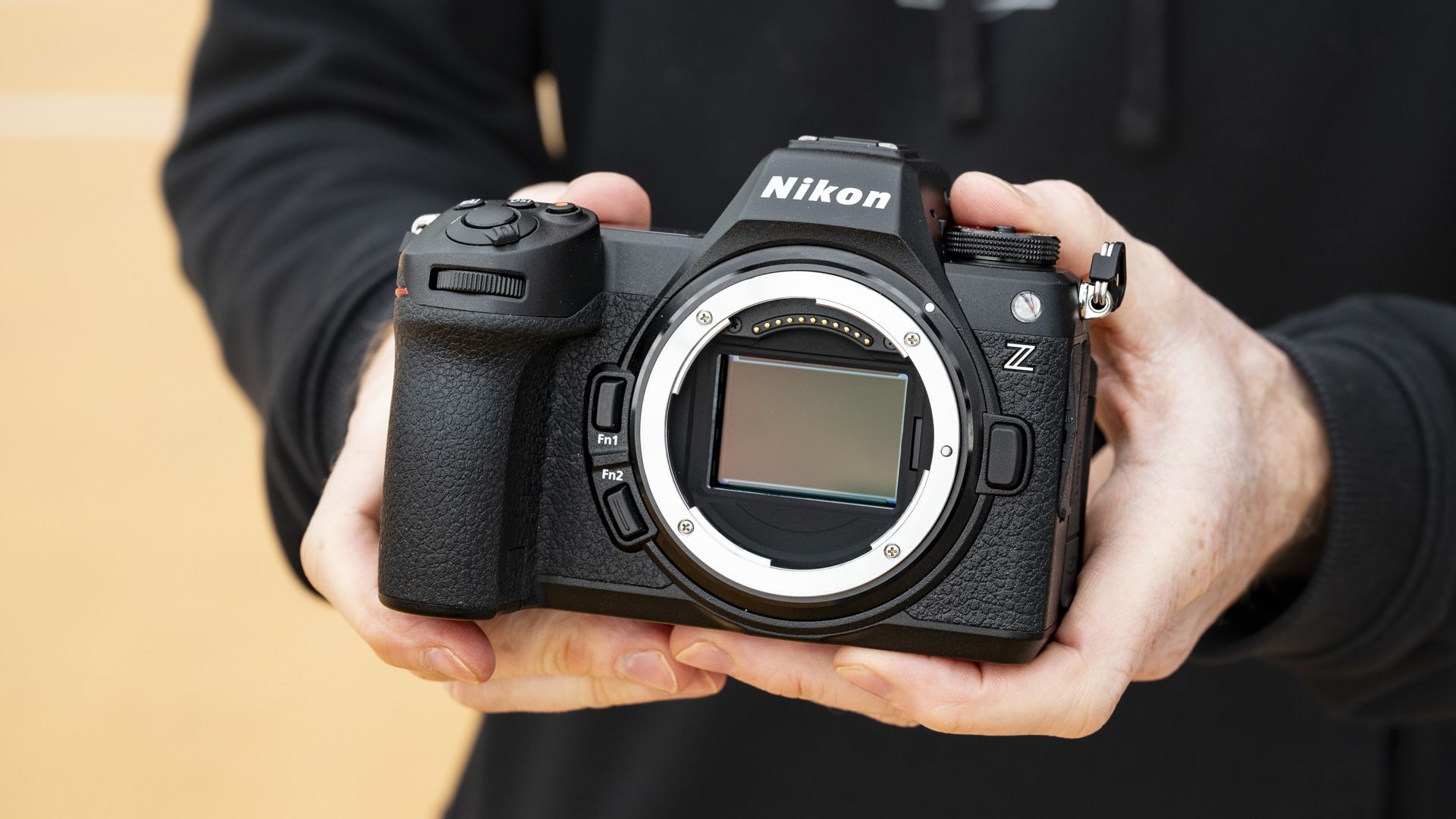
One mistake I often see is buying a full-frame body while ignoring the lens. A modest body with a sharp, useful lens can be a stronger kit than an expensive body paired with a slow or unsuitable lens.
Source: techradar.com
Common Misunderstandings About Full Frame
People sometimes assume that a full-frame camera always creates sharper photos. That is not guaranteed. A lens, focus point, shutter speed, and technique can have a greater effect on sharpness.
Another myth is that full frame always produces better colors. Color depends on sensor design, software, lighting, white balance, and editing. Many modern cameras from different formats create excellent color.
Some photographers also believe that crop-sensor cameras are only for beginners. That is outdated. Crop systems are widely used for wildlife, travel, sports, journalism, and professional video.
The most accurate view is simple: full frame offers a particular set of advantages, but those advantages may not matter for every photographer.
Frequently Asked Questions About What Is a Full-Frame Camera
What is a full-frame camera used for?
A full-frame camera is used for portraits, weddings, landscapes, video, travel, sports, and many other types of photography. Its larger sensor is especially useful for low light, wide-angle views, and shallow depth of field.
Is a full-frame camera better than a crop-sensor camera?
Neither format is always better. A full-frame camera often offers stronger low-light performance and easier background blur, while a crop-sensor camera is usually smaller, lighter, and less expensive.
What is the difference between full frame and APS-C?
Full frame uses a sensor close to 36 x 24mm, while APS-C uses a smaller sensor. APS-C creates a narrower field of view with the same lens and often provides a more compact camera system.
Do I need a full-frame camera as a beginner?
Most beginners do not need one. A crop-sensor camera can teach the same core skills and may leave more money for lenses, lighting, and practice.
Can I use a crop-sensor lens on a full-frame camera?
Sometimes, but it depends on the camera and lens system. A crop lens may create dark corners or trigger an automatic crop mode, which reduces the image area and resolution.
Does full frame mean more megapixels?
No. Full frame describes sensor size, not pixel count. A full-frame camera may have fewer, equal, or more megapixels than a crop-sensor model.
Is a full-frame camera good for video?
Many full-frame cameras are excellent for video, especially in low light and when a shallow depth of field is useful. Always check recording time, overheating, autofocus, stabilization, and audio features before buying.
Conclusion
A full-frame camera uses a sensor about 36 x 24mm, matching the size of a 35mm film frame. It can provide strong low-light performance, wide-angle views, smooth background blur, and excellent detail. However, it may also cost more, weigh more, and require larger lenses.
The right choice depends on your subjects, budget, travel habits, and creative goals. Try a camera in person or rent one before you buy, then invest in lenses and skills that support the way you actually shoot. Explore more photography guides, compare real-world camera tests, and share your questions or experience in the comments.
