
If you are buying your first real camera or looking to upgrade your gear, the technical jargon can feel completely overwhelming. You might be staring at spec sheets wondering if you actually need a massive full-frame sensor or just a reliable pocket-sized shooter. Before diving into megapixels and autofocus points, you need to answer a fundamental question: what is a camera used for in your specific everyday life?
Understanding the true purpose of a camera helps you stop wasting money on features you will never use. In my experience testing gear for TechToGoal, the best camera is rarely the most expensive one—it is the one that perfectly matches your daily needs. Whether you want to document family trips, start a YouTube channel, or learn professional shooting techniques, this guide will help you choose the right tool for the job.
Quick Answer
What is a camera used for? A camera is primarily used to capture still photographs and record video by exposing a digital sensor or film to light. Beyond preserving everyday memories, cameras are essential tools for professional photography, cinematic videography, scientific research, security surveillance, medical imaging, and digital content creation.
The Core Purposes of a Camera
At its most basic level, a camera freezes a moment in time. However, modern cameras are complex computers designed to handle a massive variety of visual tasks.
Today, cameras are divided into two main creative categories: photography and videography. Some cameras are specialized for high-resolution still images, while others are built to capture smooth, high-frame-rate videos. Hybrid cameras can do both exceptionally well, making them incredibly popular for modern buyers.
8 Common Real-World Camera Uses
To figure out which camera you need, you have to know what you will be shooting. Here is a breakdown of how cameras are used across different fields.
1. Everyday Memories and Travel
Most hobbyists use a camera to document their lives. Travel photography requires lightweight, durable gear that is easy to carry on long walks. Point-and-shoot cameras or compact mirrorless systems are ideal here because they fit in a small bag but still offer massive upgrades over standard phone lenses.
2. Content Creation and Vlogging
Modern influencers and vloggers demand fast autofocus, flip-out screens, and excellent microphone inputs. Content creation heavily relies on cameras that can record crisp 4K video. While many creators start with high-end smartphones like the Samsung Galaxy S24 Ultra or Xiaomi 14 Ultra—often using custom camera watermarks to brand their mobile photography—a dedicated mirrorless camera provides better background blur and superior low-light performance.
3. Wildlife Photography and Nature
Wildlife photography demands specialized equipment. Photographers need cameras with rapid continuous shooting speeds and large telephoto lenses to capture fast-moving animals from a safe distance. Weather-sealed camera bodies are a must to protect the internal electronics from rain, dust, and snow.
4. Sports and High-Speed Action
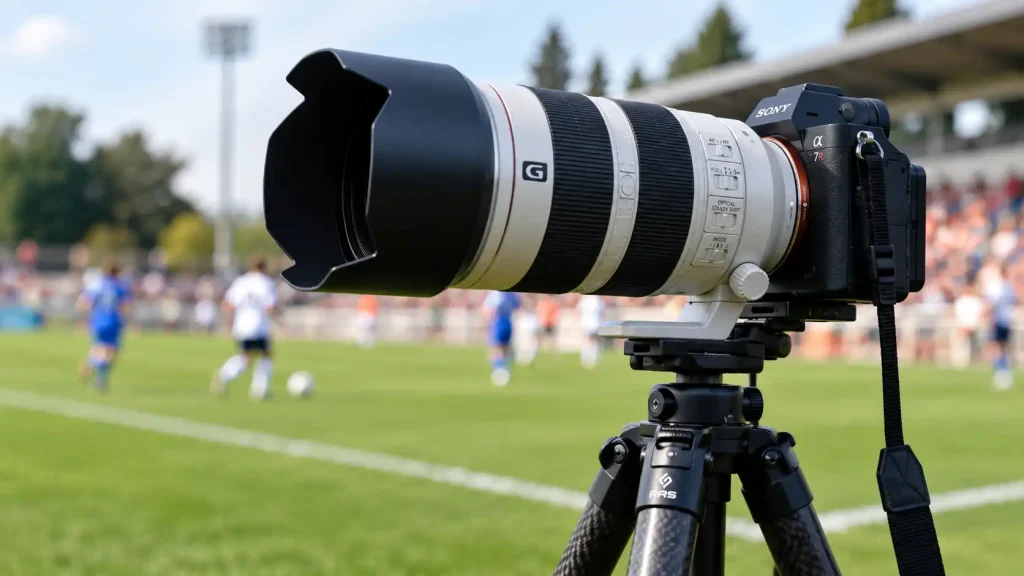
Similar to wildlife, sports photography is all about speed. A sports camera is used to freeze fast action, requiring advanced autofocus tracking that can lock onto an athlete’s face or eyes instantly.
5. Security and Surveillance
Not all cameras are used for art. Security cameras are designed for 24/7 monitoring, weather resistance, and infrared night vision. These wide-angle cameras prioritize reliable continuous recording over cinematic image quality.
6. Journalism and Documentary
Photojournalists use cameras to report news and tell raw, unedited stories. In journalism, cameras must be rugged, reliable, and capable of operating silently (using electronic shutters) so the photographer does not disturb the scene.
7. Scientific Research and Space Exploration
Cameras are crucial scientific tools. In scientific research, high-speed cameras analyze physics experiments, while deep-space telescopes use incredibly sensitive digital sensors to photograph distant galaxies.
8. Medical Imaging
In the medical field, specialized cameras are used for diagnostics. Endoscopic cameras and microscopic imaging tools allow doctors to see inside the human body with incredible precision, proving that medical imaging is one of the most life-saving uses of camera technology.
Choosing the Right Tool for the Job
Different camera types serve completely different purposes. When evaluating how a camera performs across various lighting conditions, industry experts often rely on the DxOMark camera sensor testing methodology to measure dynamic range and color depth accurately.
Here is a quick breakdown to help you match the camera type to your specific needs:
| Camera Type | Best Used For | Key Advantage | Major Drawback |
| Mirrorless | Hybrid shooting, travel, professional work | Excellent autofocus, compact size | Battery life can drain quickly |
| DSLR | Sports, wildlife, traditional photography | Rugged build, optical viewfinder | Bulky and heavier to carry |
| Point-and-Shoot | Casual travel, everyday carry | Pocketable, simple to use | Cannot change lenses |
| Action Camera | Extreme sports, underwater, POV video | Waterproof, highly durable | Poor low-light performance |
| Smartphone | Content creation, social media | Always in your pocket, easy sharing | Lacks true optical zoom range |
Warning Signs Your Camera Needs Maintenance
If you already own a camera, keeping it in top condition is vital for image quality. Watch out for these common warning signs that your gear needs attention:
-
Dark spots in your photos: This usually means there is dust or dirt on your camera’s digital sensor.
-
Spiderweb-like marks inside the lens: This is a clear sign of lens fungus, which happens when gear is stored in humid conditions.
-
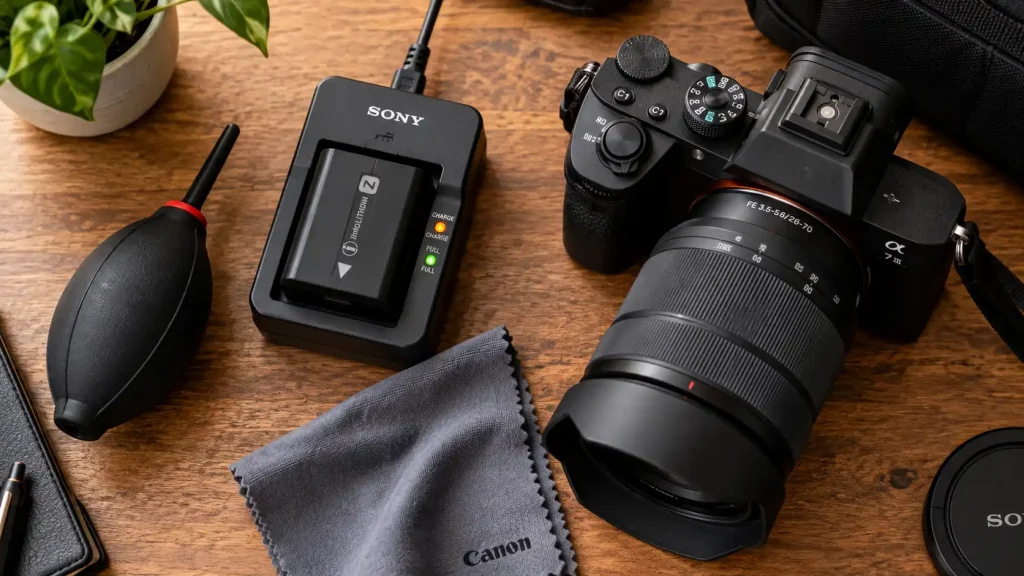
Rapid battery drain: Lithium-ion batteries degrade over time. If your camera dies quickly, you likely need a fresh battery.
-
Autofocus hunting: If the lens constantly shifts in and out of focus in bright light, the lens contacts may need cleaning.
When to Get Professional Help or a Second Opinion
While wiping down the outside of your camera is easy, the internal components are incredibly fragile. Never attempt to take apart a camera body or lens yourself.
If you notice stubborn sensor dust that an air blower cannot remove, or if you spot fungus inside your expensive glass, always visit an authorized camera service center. DIY sensor cleaning with cheap liquid kits can easily scratch the protective glass over the sensor, instantly ruining a camera worth thousands of dollars. When dealing with internal electronics or complex mechanical shutters, paying a professional technician is always the smartest financial decision.
Expert Tip:
Always check the official CIPA testing standards when comparing camera battery life before buying. If a camera is rated for 300 shots, always buy at least one spare battery if you plan on shooting travel or wedding photography for a full day.
Common Mistakes Camera Buyers Should Avoid
Buying your first camera is exciting, but it is easy to fall into a few expensive traps. Keep these practical tips in mind:
-
Buying too much camera: Do not buy a heavy, complex professional camera if you only want to take casual vacation photos. You will end up leaving it at home.
-
Ignoring the lens budget: The lens dictates your image quality more than the camera body. Always save at least 40% of your budget for a high-quality lens.
-
Chasing megapixels: More megapixels do not equal better photos. A 24-megapixel sensor is more than enough for 99% of hobbyists and large print sizes.
-
Forgetting the accessories: Remember to budget for fast SD cards, a comfortable strap, a protective camera bag, and spare batteries.
FAQs
Can a beginner use a professional camera?
Yes, a beginner can use a professional camera by keeping it in “Auto” mode. However, professional cameras are heavier, more expensive, and lack built-in tutorial guides. It is usually better to start with an entry-level camera to learn the basics of exposure without feeling overwhelmed.
What is the difference between photography and videography cameras?
Photography cameras prioritize high-resolution sensors and fast mechanical shutters for still images. Videography-focused cameras prioritize cooling systems for long recording times, built-in stabilization, and advanced microphone inputs for capturing high-quality audio.
Do I really need a camera if I have a good smartphone?
Smartphones are excellent for well-lit everyday snapshots and social media. However, you need a dedicated camera if you want true optical zoom for wildlife, fast tracking for sports, or professional background blur (bokeh) that isn’t faked by software.
How often should I upgrade my digital camera?
Digital cameras age very well. Most hobbyists only need to upgrade their camera body every 5 to 7 years. You should only upgrade when your current camera limits your creativity—for example, if you need 4K video and your old camera only shoots 1080p.
What is a mirrorless camera used for?
A mirrorless camera is a modern, compact interchangeable-lens camera used for both high-end photography and professional video. Because they lack the bulky internal mirror found in older DSLRs, they offer faster burst shooting, better video autofocus, and a lighter travel weight.
Conclusion
Understanding what is a camera used for is the single most important step before you click the buy button. A camera is much more than a tool for taking pictures; it is a gateway to documenting travel adventures, launching a content creation career, or even studying wildlife.
By identifying your personal shooting style—whether that is casual vlogging, fast-paced sports photography, or simple family portraits—you can avoid overspending on features you don’t need. Focus on finding a camera that feels good in your hands and fits comfortably into your daily routine. If you are ready to take the next step, grab your gear, switch it off auto mode, and start practicing your composition today!

4 thoughts on “What is a Camera Used For? A Complete Guide for Beginners”