
A cinema camera is a professional video camera built to capture high-quality images for films, shows, and serious productions.
Understanding what is a cinema camera helps you choose the right tools for filmmaking, documentaries, commercials, and online video. These cameras offer more control than most mirrorless cameras, but they also require more skill, planning, and supporting gear. This guide explains their main features, benefits, limits, and real-world uses in simple terms.

Source: premiumbeat.com
What Is a Cinema Camera?
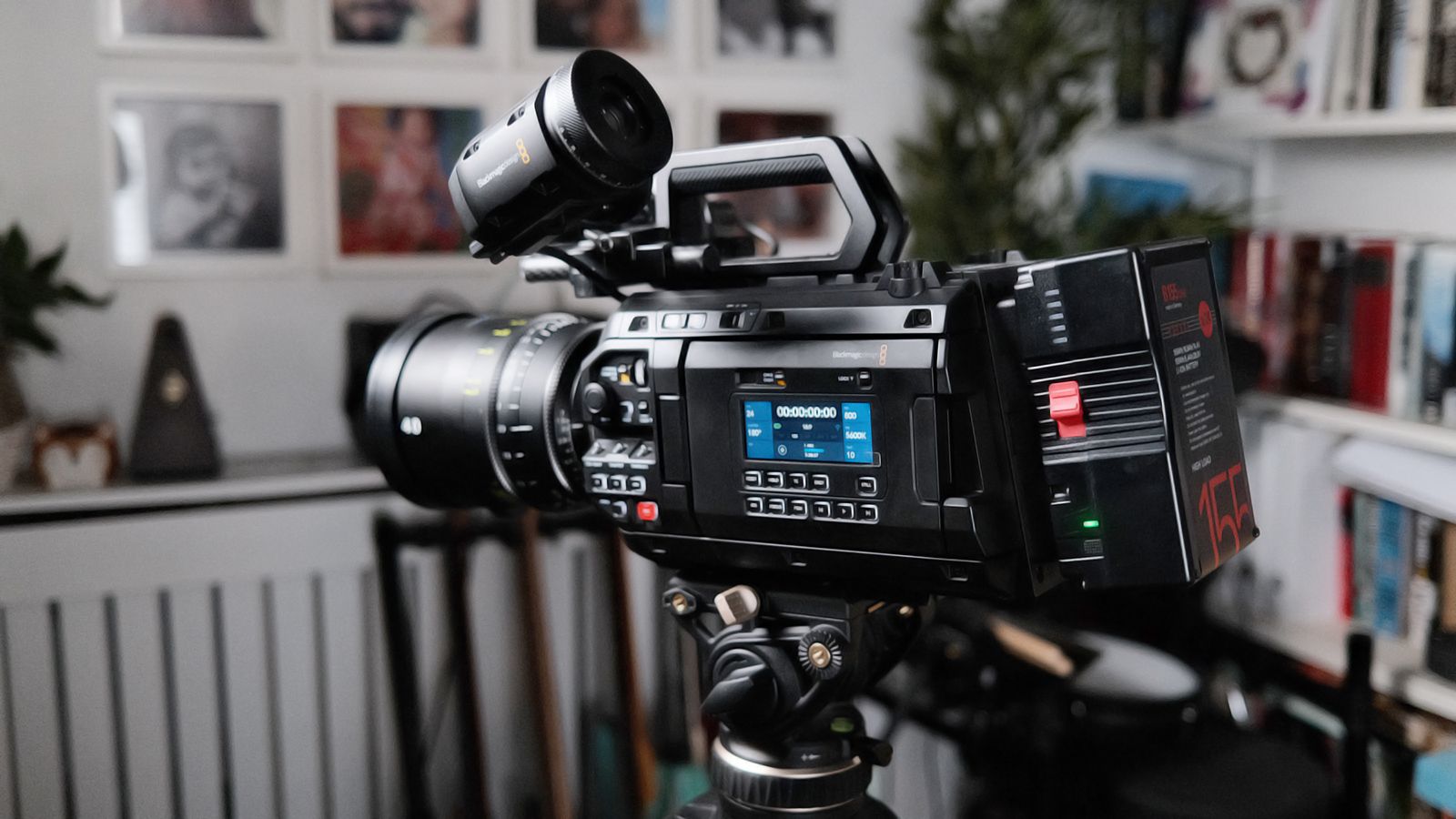
A cinema camera is a video camera designed for professional film and television production. It records images with high detail, wide dynamic range, accurate color, and flexible frame rates. Unlike a basic camcorder, it gives filmmakers deep control over exposure, focus, color, sound, and recording formats.
The phrase what is a cinema camera can mean different things to different users. Some people think only of large cameras used on Hollywood sets. In reality, cinema cameras range from small box-style models to large digital cameras used on major productions.
A cinema camera is built around the needs of a production crew. It may include professional video connections, built-in neutral density filters, timecode support, RAW recording, and cooling systems for long recording sessions.
Think of it like the difference between a family car and a race car. Both can move you from one place to another. The race car gives you more control and performance, but it also demands more setup and skill.
How Is a Cinema Camera Different From a Regular Camera?
A mirrorless or DSLR camera can record excellent video. Many modern models produce images that look close to cinema footage. However, a cinema camera is designed from the start for moving images.
The key difference is not always image quality. It is the way the camera handles professional production tasks.
Here are some major differences:
• Cinema cameras often record in professional formats such as ProRes, DNxHR, or RAW.
• They usually offer more control over color, exposure, shutter angle, and frame rate.
• Many include built-in ND filters for fast exposure changes.
• They often support timecode and genlock for multi-camera work.
• Their bodies are designed for rigs, monitors, microphones, and other accessories.
• They may include cooling systems for long takes.
• They often provide full-size SDI, XLR, or other professional connections.
A mirrorless camera may be easier to carry and use. A cinema camera may be easier to control on a serious set. Neither option is always better. The best choice depends on your project, budget, crew, and workflow.
In practical filmmaking, a cinema camera can save time. For example, built-in ND filters let an operator change exposure without stopping to attach a filter to the lens. That small feature can make a big difference during a fast outdoor shoot.
Source: digitalcameraworld.com
Key Features of a Cinema Camera
The answer to what is a cinema camera becomes clearer when you understand its main features. Each feature supports a specific part of the filmmaking process.
Large Dynamic Range
Dynamic range describes how well a camera records bright and dark areas in the same image. A camera with wide dynamic range can preserve detail in a bright sky while still showing texture in darker areas.
This matters when filming:
• People near windows
• Outdoor scenes under strong sunlight
• Night scenes with bright lights
• Weddings with mixed lighting
• Landscapes with deep shadows
Many cinema cameras use log profiles to preserve more image information. Log footage may look flat and gray straight from the camera. It is designed for color correction later.
Professional Recording Formats
A cinema camera often records files that give editors and colorists more control. Common formats include:
• ProRes for high-quality editing
• DNxHR for professional post-production
• CinemaDNG for some RAW workflows
• ProRes RAW for compatible systems
• Blackmagic RAW for selected cameras
• REDCODE RAW for RED cameras
RAW recording does not automatically make a video better. It stores more sensor information for later adjustment. It also creates larger files and requires faster storage, stronger computers, and more careful media management.
Built-In Neutral Density Filters
Neutral density, or ND, filters reduce the amount of light entering the lens. They work like sunglasses for the camera.
This lets filmmakers keep a wide aperture in bright conditions. A wide aperture can create a soft background while maintaining a natural shutter angle.
Many professional cinema cameras use electronic or mechanical ND systems. These filters are faster and cleaner to use than constantly changing screw-on filters.
High-Quality Audio Connections
Professional cinema cameras often include XLR audio inputs. XLR connections work with many microphones used on film sets, including:
• Shotgun microphones
• Lavalier microphones
• Boom microphones
• Wireless microphone systems
Good sound matters as much as good video. Viewers may forgive a soft image, but poor dialogue can make a production feel unprofessional.
Some cinema cameras also support audio timecode, microphone power, and detailed manual level controls. These features help sound teams work with greater accuracy.
Frame Rate and Shutter Control
Cinema cameras often provide many frame rate options. A project may use 24 frames per second for a traditional film look, 30 frames per second for certain television or online formats, or higher frame rates for slow motion.
Many cinema cameras display shutter speed as shutter angle. A 180-degree shutter angle is a common starting point because it creates natural-looking motion blur.
For example:
• 24 frames per second with a 180-degree shutter gives a shutter speed near 1/48 second.
• 30 frames per second with a 180-degree shutter gives a shutter speed near 1/60 second.
This does not mean 180 degrees is always correct. Creative choices, lighting, and fast action may require different settings.
Timecode and Genlock
Timecode gives video and audio clips matching time information. This makes it easier to sync footage from several cameras and external audio recorders.
Genlock helps multiple cameras capture frames at the same time. It is useful for live events, virtual production, sports, and complex multi-camera shoots.
These tools may seem small, but they can save hours in editing. A camera operator who works without proper sync may create a serious post-production problem.

Source: variety.com
Cinema Camera Sensor Sizes
Sensor size affects field of view, depth of field, low-light performance, and lens choice. Common sensor sizes include:
• Full frame
• Super 35
• APS-C
• Micro Four Thirds
• 2/3-inch broadcast sensors
Super 35 has been a common cinema format for decades. It offers a familiar field of view and works with a wide range of professional lenses.
Full-frame cinema cameras can create a wider view with the same lens. They may also produce a shallower depth of field. However, full frame is not automatically more cinematic. Story, lighting, lens choice, movement, and performance matter more than sensor size alone.
Smaller sensors can offer useful benefits. They may provide greater depth of field, smaller lenses, lower costs, and easier handheld operation. This is one reason smaller cinema cameras remain popular for documentaries and independent films.
What Lenses Work With a Cinema Camera?
A cinema camera may use photo lenses, cinema lenses, or broadcast lenses. The correct choice depends on the camera mount and the production goal.
Cinema lenses often include:
• Long focus rotation for precise manual focusing
• Matching color and design across a lens set
• Smooth iris control
• Clear distance markings
• Standard gear rings for follow-focus systems
Photo lenses can still work very well. They are often cheaper, lighter, and easier to find. Autofocus photo lenses may also help during solo shoots or fast-moving events.
Cinema lenses are usually better for controlled productions. Their focus rings and markings give the camera team more repeatable control. A good lens can also last through many camera upgrades because lens mounts and optical quality often remain useful for years.
One common mistake is spending too much on the camera body and too little on lenses. The lens affects sharpness, contrast, flare, focus behavior, and the overall character of the image.
What Are the Benefits of a Cinema Camera?
The main benefits of a cinema camera involve control, reliability, and workflow.
Better Control on Set
A cinema camera provides direct access to important settings. Operators can change exposure, frame rate, white balance, and audio levels without digging through complex menus.
This speed matters when light changes quickly. It also helps the camera team make deliberate choices instead of relying on automatic modes.
Flexible Color Grading
Many cinema cameras capture log or RAW footage. This gives post-production teams more room to adjust contrast, color, highlights, and shadows.
For example, a colorist may create a warm sunset look, a cool night look, or a clean commercial style from the same basic footage.
However, color flexibility does not replace good exposure. Severely overexposed highlights or crushed shadows may not be recoverable.
Better Build Quality
Professional cinema cameras often use strong materials and active cooling. Some are designed for long production days in studios, outdoor locations, and difficult weather.
Build quality does not make a camera indestructible. Dust, moisture, heat, and poor handling can still cause damage. Careful storage and regular maintenance remain important.
Easier Professional Integration
A cinema camera can connect to monitors, recorders, audio systems, wireless transmitters, focus motors, and production rigs.
This makes it easier to build a camera system around the needs of a specific project. A small documentary rig may use only a monitor and microphone. A feature film rig may include a matte box, follow focus, wireless video, and external power.

Source: digitalcameraworld.com
What Are the Limitations of a Cinema Camera?
A cinema camera is not the perfect tool for every situation. It has clear disadvantages.
• It may cost more than a mirrorless camera.
• Accessories can increase the total price.
• Cinema cameras may be larger and heavier.
• Batteries may drain quickly during long takes.
• RAW and high-quality codecs require large storage.
• Autofocus may be weaker on some professional models.
• The camera may need a monitor, cage, or rig to work comfortably.
• File management and color grading can take more time.
The total cost is often higher than the price printed on the camera box. You may also need lenses, batteries, memory cards, a reader, a monitor, audio equipment, a tripod, and storage drives.
A practical budget should include the complete system. Buying an expensive camera and using slow cards or weak batteries can create frustration on the first shoot.
Cinema Camera vs. Mirrorless Camera
The best answer depends on how you work.
Choose a cinema camera when you need:
• Long recording sessions
• Professional audio connections
• Built-in ND filters
• RAW or advanced recording formats
• Timecode or genlock
• Strong rigging options
• Simple access to production controls
Choose a mirrorless camera when you need:
• A small travel kit
• Fast autofocus
• Stills and video in one body
• Lower cost
• Easy handheld use
• Lightweight equipment
A mirrorless camera may be the smarter choice for travel films, social media, weddings, and solo creators. A cinema camera may be the better choice for narrative films, commercials, documentaries, and studio work.
Image quality alone should not decide the purchase. Workflow often matters more than specifications.
Common Types of Cinema Cameras
Cinema cameras come in several forms.
Box-Style Cinema Cameras
Box-style cameras are compact bodies with few built-in controls. They are useful for drones, gimbals, cars, small rigs, and unusual camera positions.
They often need an external monitor, handle, battery plate, and audio solution.
Traditional Cinema Cameras
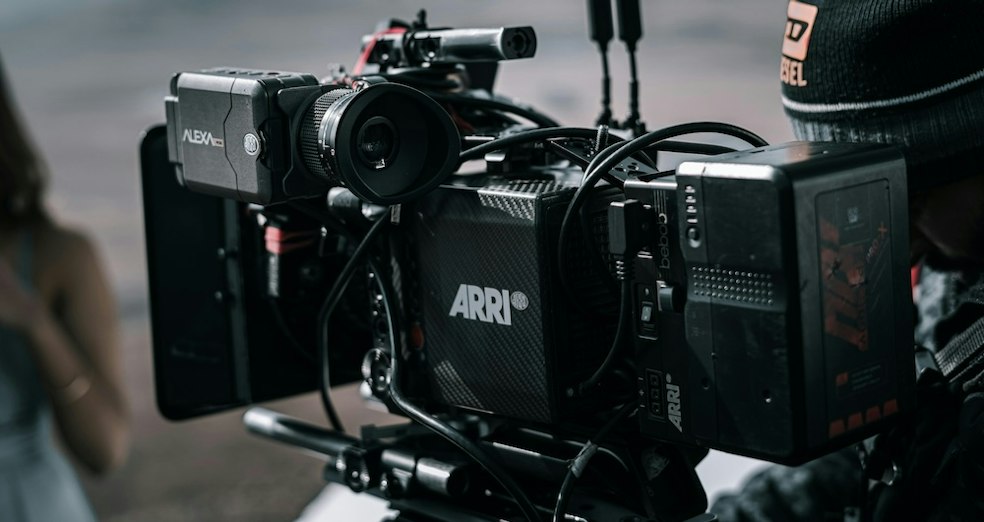
These cameras have a larger body with built-in controls, displays, connectors, and mounting points. They are common on narrative sets and commercial productions.
They may work well with shoulder rigs, tripods, dollies, cranes, and studio accessories.
Digital Cinema Cameras
Digital cinema cameras use electronic sensors instead of film stock. Most current professional productions use digital systems because they offer instant review, flexible recording, and lower operating costs.
Digital cinema cameras still aim to reproduce the control and image qualities associated with traditional film cameras.
Broadcast and Studio Cameras
Some broadcast cameras overlap with cinema cameras. They may include large zoom controls, studio connections, live output, and strong reliability for news, sports, and events.
A broadcast camera usually prioritizes live operation. A cinema camera often prioritizes image shaping and post-production control.
Source: sharegrid.com
How to Choose a Cinema Camera
Before buying a cinema camera, review your real shooting needs.
1. Define Your Main Project
Ask what you will shoot most often. A short film needs different features from a wedding, documentary, music video, or YouTube channel.
2. Check the Recording Format
Make sure your computer and editing software can handle the camera’s files. Test a short clip before committing to a large production.
3. Consider the Lens Mount
A common mount gives you more lens choices. It also makes future upgrades easier.
4. Review the Camera’s Power Needs
Check battery life, external power options, and charging time. Long shoots often require several batteries or a reliable power system.
5. Test the Camera Menu
A camera can have excellent specifications but still feel slow to operate. Rent or borrow one before buying when possible.
6. Plan the Full Budget
Include:
• Lenses
• Batteries
• Memory cards
• Card readers
• Monitor
• Audio equipment
• Tripod or support
• Camera bag
• Backup storage
• Editing hardware
7. Match the Camera to Your Crew
If you work alone, a lighter camera with useful autofocus may save time. If you have a full crew, advanced cinema features may be more valuable.
A common lesson from real production work is that the most expensive camera is not always the most useful one. A camera that fits your workflow will usually produce better results than a camera that stays in a case because it is too complex or heavy.
How to Use a Cinema Camera Well
Good results come from preparation, not just expensive equipment.
Use these practical habits:
• Set the project frame rate before recording.
• Use a consistent shutter angle.
• Check white balance under the actual scene lighting.
• Expose skin tones carefully.
• Record clean audio on every take.
• Format cards in the camera when appropriate.
• Label cards and back up footage quickly.
• Test lenses for focus and exposure before the main shoot.
• Use a monitor or exposure tool instead of trusting the camera screen alone.
• Keep a spare battery and memory card ready.
Before an important shoot, record a short test clip. Review it on a larger display. Check focus, skin tones, audio, motion blur, and file compatibility.
This simple test can reveal problems before they affect an entire day of work.

Source: global.canon
Common Mistakes to Avoid
New users often focus on camera resolution and ignore the rest of the production.
Avoid these mistakes:
• Buying an expensive body without budgeting for lenses and sound
• Recording without checking focus
• Using the wrong frame rate for the project
• Overexposing bright areas
• Ignoring audio quality
• Forgetting to back up footage
• Using slow or unreliable memory cards
• Assuming RAW footage fixes every exposure problem
• Carrying a heavy rig when a smaller setup would work
• Choosing equipment based only on online specifications
Resolution is only one part of image quality. Lighting, lens quality, exposure, movement, production design, and editing all shape the final result.
Is a Cinema Camera Worth It?
A cinema camera is worth it when its features solve real problems in your production. Built-in ND filters, professional audio, strong cooling, timecode, and flexible codecs can improve both shooting and editing.
It may not be worth it if you mainly create short social videos, family clips, travel content, or casual live streams. A modern mirrorless camera or even a high-end smartphone may be faster and easier.
For beginners, learning light, sound, composition, and editing may bring a bigger improvement than buying a more expensive camera. Equipment should support your skills, not replace them.
Frequently Asked Questions About What Is a Cinema Camera
What is a cinema camera used for?
A cinema camera is used to record professional video for films, television, commercials, documentaries, music videos, and other productions. It provides detailed control over image quality, color, sound, and recording formats.
Is a cinema camera better than a DSLR?
A cinema camera is usually better for professional video workflows, long recording, audio, monitoring, and color grading. A DSLR may be better for users who want a smaller, cheaper camera that can also take still photos.
Can beginners use a cinema camera?
Yes, beginners can use a cinema camera, but it may require more setup than a basic camera. Learning exposure, focus, audio, codecs, and file management will help beginners use it well.
Do cinema cameras take photos?
Some cinema cameras can capture still frames, but they are designed mainly for video. They usually lack the fast photo controls, viewfinder experience, and high-resolution still features found on photography cameras.
Are cinema cameras good for YouTube?
Cinema cameras can be excellent for YouTube when image quality and production control are important. However, they may be too large or complex for creators who need fast autofocus, simple setup, and quick publishing.
What makes a camera look cinematic?
A cinematic look comes from many factors, including lighting, lens choice, depth of field, motion blur, camera movement, production design, color grading, and storytelling. A cinema camera can help, but it cannot create a cinematic image by itself.
Do cinema cameras need special lenses?
Cinema cameras do not always need special lenses. They can often use photo lenses if the lens mount is compatible, but cinema lenses provide features such as long focus travel, gear rings, and consistent manual control.
Conclusion
A cinema camera is a professional video tool built for control, image quality, reliable operation, and flexible production workflows. It can offer wide dynamic range, professional codecs, built-in ND filters, strong audio options, timecode, and detailed manual controls.
The right camera depends on your project, budget, crew, lenses, computer, and shooting style. Before buying, consider the complete system rather than the camera body alone.
Start by renting or testing a camera that matches your real needs. Learn exposure, sound, lighting, and editing alongside the equipment. Explore more filmmaking guides, test your setup, and share your experience with other creators.
