

An interchangeable lens camera lets you change lenses to control zoom, focus, brightness, and creative style.
What is an interchangeable lens camera? It is a camera body with a removable lens mount, so you can choose the best lens for each scene. This guide explains how these cameras work, how they differ from fixed-lens models, their benefits and limits, and how to choose one with confidence.
What Is an Interchangeable Lens Camera?
An interchangeable lens camera is a digital camera that allows you to remove one lens and attach another. The camera body contains the image sensor, controls, battery, and processor. The lens controls how light enters the camera and how the scene appears.
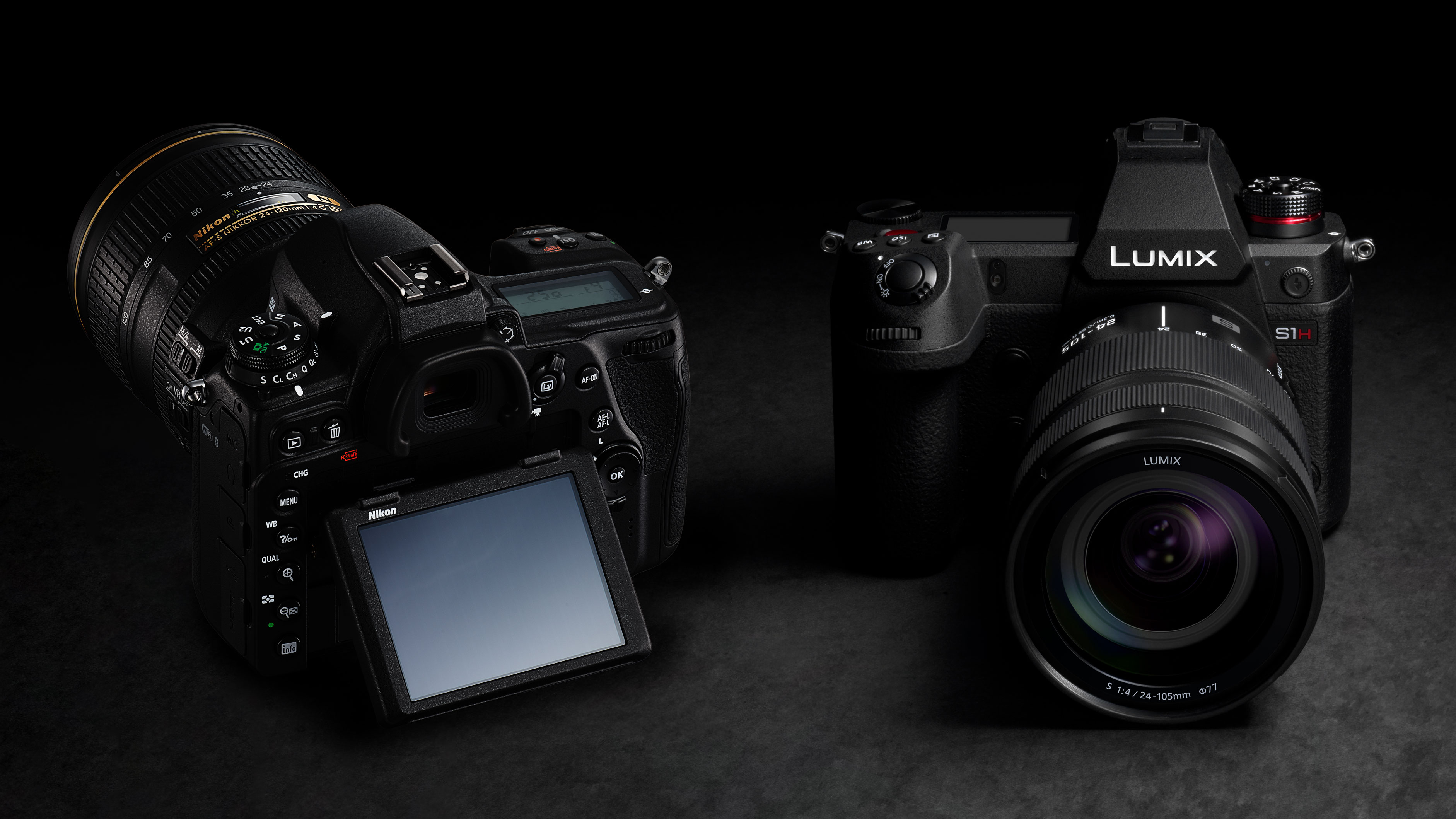
The lens and camera work as a team. A wide lens can capture a room or a mountain view. A telephoto lens can bring distant wildlife closer. A macro lens can show tiny details, such as an insect’s wings or the texture of a flower.
Most interchangeable lens cameras fall into two main groups:
• DSLR cameras use a mirror and optical viewfinder. The mirror reflects light up to the viewfinder until you press the shutter.
• Mirrorless cameras have no reflex mirror. Light travels straight to the image sensor, and the electronic viewfinder or rear screen shows the image.
Both types can produce excellent photos. The main difference is how they handle light, viewing, size, and focusing.

Source: improvephotography.com
How Does an Interchangeable Lens Camera Work?
When you press the shutter button, the camera opens the shutter for a set amount of time. Light passes through the lens and reaches the image sensor. The sensor changes that light into digital information, which the camera processor saves as a photo or video file.
Three settings control most exposures:
• Aperture controls the size of the opening inside the lens. A wide aperture lets in more light and can blur the background.
• Shutter speed controls how long the sensor receives light. A fast speed can freeze motion, while a slow speed can create blur.
• ISO controls the sensor’s sensitivity to light. A higher ISO helps in dark scenes but may add image noise.
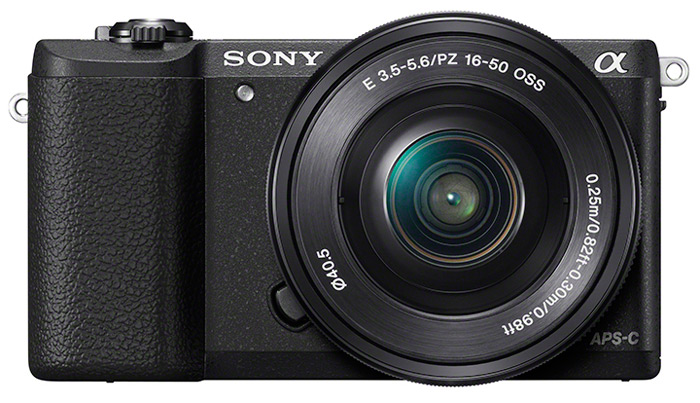
The lens also affects focus and perspective. A 24mm lens shows a wide view. An 85mm lens gives a narrower view and often works well for portraits. A 200mm lens can frame subjects that are far away.
The camera may also use autofocus motors, image stabilization, face detection, and subject tracking. These features help the camera keep a moving person, pet, or vehicle sharp.
Source: dxomark.com
Main Types of Interchangeable Lens Cameras
Understanding the main camera types makes shopping easier. The design affects size, battery life, handling, and the way you view a scene.
DSLR cameras
A DSLR, or digital single-lens reflex camera, uses a mirror inside the body. The mirror sends light to an optical viewfinder. When you take a photo, the mirror moves so light can reach the sensor.
DSLR cameras often provide:
• Long battery life
• Strong hand grips
• Clear optical viewing in bright light
• A large range of used and new lenses
• Durable bodies at many price levels
Their main limits are size, weight, and slower development in some newer features. Many brands now focus more heavily on mirrorless systems, but a good DSLR remains useful for photography.
Mirrorless cameras
A mirrorless camera removes the mirror and optical viewfinder system. The sensor receives light all the time, and the camera displays a digital preview on the rear screen or electronic viewfinder.
Mirrorless cameras often offer:
• Smaller and lighter bodies
• Fast electronic autofocus
• Silent shooting modes
• Real-time exposure previews
• Strong video features
• Advanced subject detection
The electronic viewfinder can show brightness, white balance, and exposure before you take the photo. However, some mirrorless cameras use more battery power because the screen or viewfinder stays active.
Medium-format interchangeable lens cameras
Medium-format cameras use sensors larger than full-frame sensors. They can capture very high detail and smooth tonal changes. They are popular in commercial, fashion, fine art, and studio photography.
These cameras are often expensive, large, and less suited to fast action. They are usually more than a beginner needs.

Source: youtube.com
Interchangeable Lens Camera vs. Fixed-Lens Camera
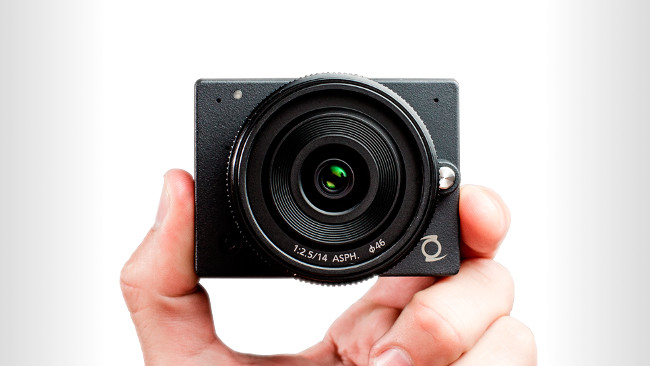
A fixed-lens camera has a lens that cannot be removed. Smartphones, many compact cameras, and most bridge cameras use this design.
An interchangeable lens camera gives you more control. You can change the lens when your subject or creative goal changes. A fixed-lens camera is simpler because you do not need to carry or select extra lenses.
Here is a basic comparison:
| Feature | Interchangeable lens camera | Fixed-lens camera |
|---|---|---|
| Lens choice | Many lens options | One built-in lens |
| Flexibility | Very high | Limited |
| Learning curve | Moderate to high | Low |
| Size | Small to large | Usually compact |
| Cost | Body and lenses add cost | Often simpler to budget |
| Dust risk | Higher when changing lenses | Very low |
| Best for | Growth and creative control | Convenience and travel |
A fixed lens is not automatically worse. It can be the better choice for someone who values speed and simplicity. An interchangeable lens camera is best when you want room to grow.
Source: redsharknews.com
Benefits of an Interchangeable Lens Camera
The biggest advantage is choice. One camera body can serve many purposes when paired with different lenses.
Better control over composition
A lens changes more than zoom. It changes the angle of view, perspective, background appearance, and working distance. This helps you shape the photo instead of simply recording what is in front of you.
For example, a wide lens can make a small room feel more open. A telephoto lens can compress distant objects and create a layered landscape. A portrait lens can separate a person from a busy background.
Strong image quality
Many interchangeable lens cameras use large sensors. A larger sensor can collect more light and often produces cleaner images in dim settings. It can also provide greater control over depth of field.
Image quality still depends on many factors. Good light, accurate focus, steady handling, and careful editing matter just as much as sensor size.
More creative options
You can use different lenses for:
• Landscape photography
• Street photography
• Portraits
• Sports and action
• Wildlife
• Product photos
• Weddings and events
• Close-up and macro work
• Video production
This flexibility can keep photography fresh. When a new lens changes how you see the world, it can renew your interest in the hobby.
Better handling
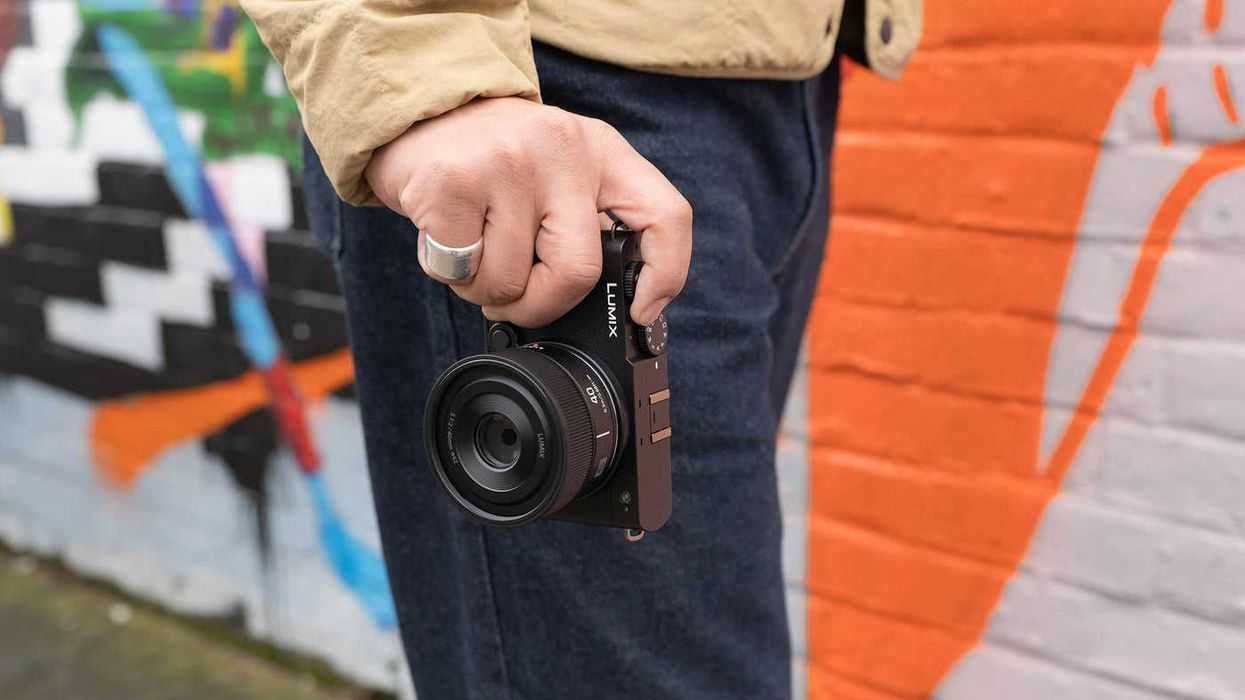
Interchangeable lens cameras usually have physical dials, customizable buttons, and comfortable grips. These controls make it easier to adjust exposure without digging through menus.
This matters during fast moments. A child may smile for only a second. A bird may take flight without warning. Direct controls help you respond quickly.
Room to improve
A beginner can start with automatic modes and a basic zoom lens. Later, the same camera can support manual exposure, advanced autofocus, studio lighting, and specialized lenses.
That makes the system a long-term investment. You do not need to replace the whole camera each time your skills improve.
Source: aseertime.com
Limitations to Consider
An interchangeable lens camera also has costs and challenges. Knowing them helps you avoid disappointment.
Higher total cost
The camera body is only part of the system. You may also need lenses, memory cards, batteries, a charger, a bag, and cleaning tools.
A sensible budget should include at least one useful lens. A cheap body with a poor lens may deliver less satisfying results than a modest body with a sharp, versatile lens.
More weight and bulk
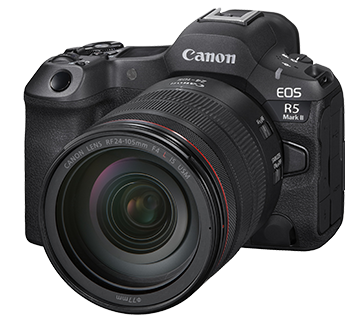
A camera body and two or three lenses can become heavy. This is especially true with full-frame systems and long telephoto lenses.
A smaller mirrorless body may reduce weight, but the lens can still be large. Always consider the full kit, not just the camera body.
A steeper learning curve
There are more settings to understand. Aperture, shutter speed, ISO, autofocus modes, lens compatibility, and file types can feel confusing at first.
You do not need to learn everything at once. Start with one lens, one autofocus mode, and one exposure goal. Add new features as you need them.
Dust inside the camera
Changing lenses exposes the camera mount and sensor area to dust. Small particles may appear as dark spots, especially at narrow apertures.
Change lenses in a clean place. Point the camera mount downward when possible. Use a blower made for cameras, and avoid touching the sensor with your fingers.
Compatibility issues
Not every lens fits every camera. A lens mount must match the camera body, or it must work through a compatible adapter.
Before buying, check:
• The lens mount
• Sensor format
• Autofocus support
• Image stabilization
• Adapter limitations
• Firmware compatibility
Source: com.br
Common Lens Types and Their Uses
Choosing a lens becomes easier when you know what each type does.
Standard zoom lens
A standard zoom lens often covers a useful range for daily photos. On a full-frame camera, a range near 24–70mm is common. On a crop-sensor camera, a range near 18–55mm often provides a similar everyday view.
This lens is a strong starting point for travel, family photos, and general use.
Wide-angle lens
A wide-angle lens captures more of the scene. It works well for landscapes, architecture, interiors, and group photos.
Keep people near the edge of the frame with care. Wide lenses can stretch faces and bodies near the corners.
Telephoto lens
A telephoto lens makes distant subjects appear closer. It is useful for sports, wildlife, concerts, and candid portraits.
Long lenses magnify camera shake. Use a fast shutter speed, image stabilization, or a tripod when needed.
Prime lens
A prime lens has one fixed focal length. It cannot zoom, but it often offers a wide aperture and strong image quality.
Prime lenses can also teach composition. You must move your feet and think carefully about framing instead of turning a zoom ring.
Macro lens
A macro lens focuses very close to a subject. It can reveal details in jewelry, food, plants, insects, and small products.
At close range, depth of field becomes very thin. A small change in focus can make the difference between a sharp subject and a soft one.
Source: digitalcameraworld.com
How to Choose an Interchangeable Lens Camera
Start with your needs rather than the most impressive specifications. A camera should fit your hands, your budget, and your daily habits.
1. Choose your main subjects
Think about what you will photograph most often.
• Travel and family: Choose a light body and versatile zoom lens.
• Portraits: Look for reliable eye autofocus and a bright prime lens.
• Wildlife: Prioritize autofocus tracking, burst speed, and telephoto lens access.
• Video: Check image stabilization, microphone input, overheating limits, and recording formats.
• Landscapes: Look for good dynamic range, weather protection, and wide lenses.
2. Select a sensor format
Common formats include Micro Four Thirds, APS-C, full frame, and medium format.
Smaller sensors can make cameras and lenses lighter. Larger sensors may offer more control over low-light noise and background blur. However, sensor size is not the only measure of quality.
A skilled photographer can create excellent images with any modern format. The best system is the one you will carry and use.
3. Test the camera in your hands
Visit a store if possible. Hold the camera for several minutes. Check whether your fingers reach the controls and whether the viewfinder feels comfortable.
Pay attention to the grip, menu layout, screen movement, and button placement. A camera that feels natural is more likely to leave the house.
4. Research the lens system
The lens range may matter more than a small difference in camera resolution. Look at the lenses you may want in the future and compare their prices, sizes, and availability.
A system with many affordable lenses can offer better long-term value.
5. Consider buying used
A used interchangeable lens camera can be an excellent choice. Older models often produce very good photos, especially in daylight.
Before buying used, inspect:
• The sensor for marks or scratches
• The lens mount for damage
• The battery compartment for corrosion
• The shutter count when available
• The screen and viewfinder
• Autofocus and image stabilization
• The camera’s overall condition

Source: amazon.com
Practical Tips for Better Results
A good camera does not guarantee a good photo. Small habits often make the biggest difference.
Learn one setting at a time
Start with aperture priority mode. You choose the aperture, and the camera selects a shutter speed. This teaches depth of field without forcing you to manage every setting.
Next, learn shutter priority for motion. Then try manual mode when you understand how the controls work together.
Watch the shutter speed
A slow shutter speed can cause blurry photos from hand movement. As a simple starting point, use a shutter speed near the reciprocal of your focal length. For example, a 50mm lens may need around 1/50 second or faster when handheld.
Image stabilization can help, but it does not freeze a moving subject. A person walking may still blur even when the camera is steady.
Use the lens hood
A lens hood can reduce stray light and help prevent flare. It also offers some protection if the front of the lens bumps against a surface.
Many photographers leave the hood in the camera bag. That is an easy habit to change.
Do not chase megapixels alone
More megapixels can help with cropping and large prints. They can also create larger files and place greater demands on lenses, storage, and computer hardware.
Focus on autofocus, lens quality, handling, dynamic range, and low-light performance too.
Carry less
It is tempting to bring every lens. In practice, a small kit often leads to more photos because it is easier to carry.
A camera body, one versatile zoom, one spare battery, and a memory card may be enough for a full day.
Protect the system
Keep the camera in a padded bag. Use a dry place for storage. Avoid rapid temperature changes, such as moving a cold camera into a warm, humid room.
If condensation forms, leave the camera turned off until it reaches room temperature.
Interchangeable Lens Cameras for Beginners
A beginner does not need the most expensive interchangeable lens camera. A simple model with dependable autofocus and a good kit lens can teach nearly every core skill.
Look for these features:
• A comfortable grip
• Easy exposure controls
• A clear screen or viewfinder
• Reliable autofocus
• Manual and automatic modes
• Wi-Fi or Bluetooth if you want easy transfers
• A lens system with affordable options
A basic zoom lens is usually the best first lens. After you learn what you enjoy, add a lens that supports that interest. For example, a 50mm or 35mm prime lens may be a useful next step for portraits, street photos, or low-light scenes.
One common mistake is buying several lenses before learning the first one. Use a single lens for a month. Notice which focal lengths you use most. Then make your next purchase based on real habits rather than online reviews.
Interchangeable Lens Cameras for Video
Many interchangeable lens cameras are also capable video tools. They can provide shallow depth of field, strong low-light performance, and access to specialized lenses.
Important video features include:
• 4K recording
• Frame-rate choices
• Microphone input
• Headphone monitoring
• Image stabilization
• Reliable continuous autofocus
• Heat management
• Clean HDMI output
A camera’s video quality depends on more than resolution. Sound, lighting, focus, stabilization, and editing all shape the final result.
For handheld video, a stabilized lens or stabilized camera body can make footage smoother. For interviews, an external microphone often improves quality more than a sharper lens does.
Is an Interchangeable Lens Camera Worth It?
An interchangeable lens camera is worth it when you want control, growth, and a wider range of creative options. It is less useful if you want a pocket-sized device that requires almost no setup.
Choose one if you:
• Enjoy learning photography
• Need different focal lengths
• Photograph in challenging light
• Want advanced video control
• Plan to print or edit your images
• Want a system that can grow with you
A smartphone or fixed-lens camera may be better if you mainly share quick photos online, travel with minimal gear, or dislike carrying equipment.
The right choice is not about owning the most advanced camera. It is about matching the tool to your life.
Frequently Asked Questions About What Is an Interchangeable Lens Camera
What is an interchangeable lens camera used for?
An interchangeable lens camera is used for photography and video with different lenses. It can support portraits, landscapes, wildlife, sports, travel, product work, and many other styles.
Are interchangeable lens cameras better than phone cameras?
They can provide more control over lenses, focus, depth of field, and image files. Modern phones are often faster and more convenient, so the better option depends on your goals and shooting habits.
Can you use any lens on an interchangeable lens camera?
No. The lens mount must match the camera body, or you need a suitable adapter. Even with an adapter, autofocus, stabilization, or electronic controls may not work fully.
What is the difference between a DSLR and a mirrorless camera?
A DSLR uses a mirror and optical viewfinder, while a mirrorless camera uses an electronic viewfinder or screen. Mirrorless models are often smaller and offer newer autofocus features, but DSLRs can provide longer battery life and excellent handling.
Do interchangeable lens cameras have better image quality?
They often have larger sensors and better lenses than basic fixed-lens cameras, which can improve detail and low-light performance. Image quality also depends on exposure, focus, lighting, technique, and lens quality.
How many lenses does a beginner need?
Most beginners can start with one standard zoom lens. Add another lens only after you understand what subjects and focal lengths you use most.
Are interchangeable lens cameras hard to learn?
They have more controls than a phone or compact camera, but you can learn them step by step. Begin with automatic or aperture priority mode, then add shutter speed, ISO, and manual focus as your confidence grows.
Conclusion
An interchangeable lens camera is a camera body that accepts different lenses, giving you greater control over angle, focus, light, and creative style. DSLR and mirrorless models both offer strong image quality, while each has different strengths in size, viewing, battery life, and autofocus.
The best system is not always the biggest or newest. Choose a body that feels comfortable, a lens that fits your main subjects, and a system you can afford to use for years. Start with one lens, practice often, and let your real photography needs guide future upgrades. Explore different lens options, try a camera in person, and share your questions or experiences in the comments.
