
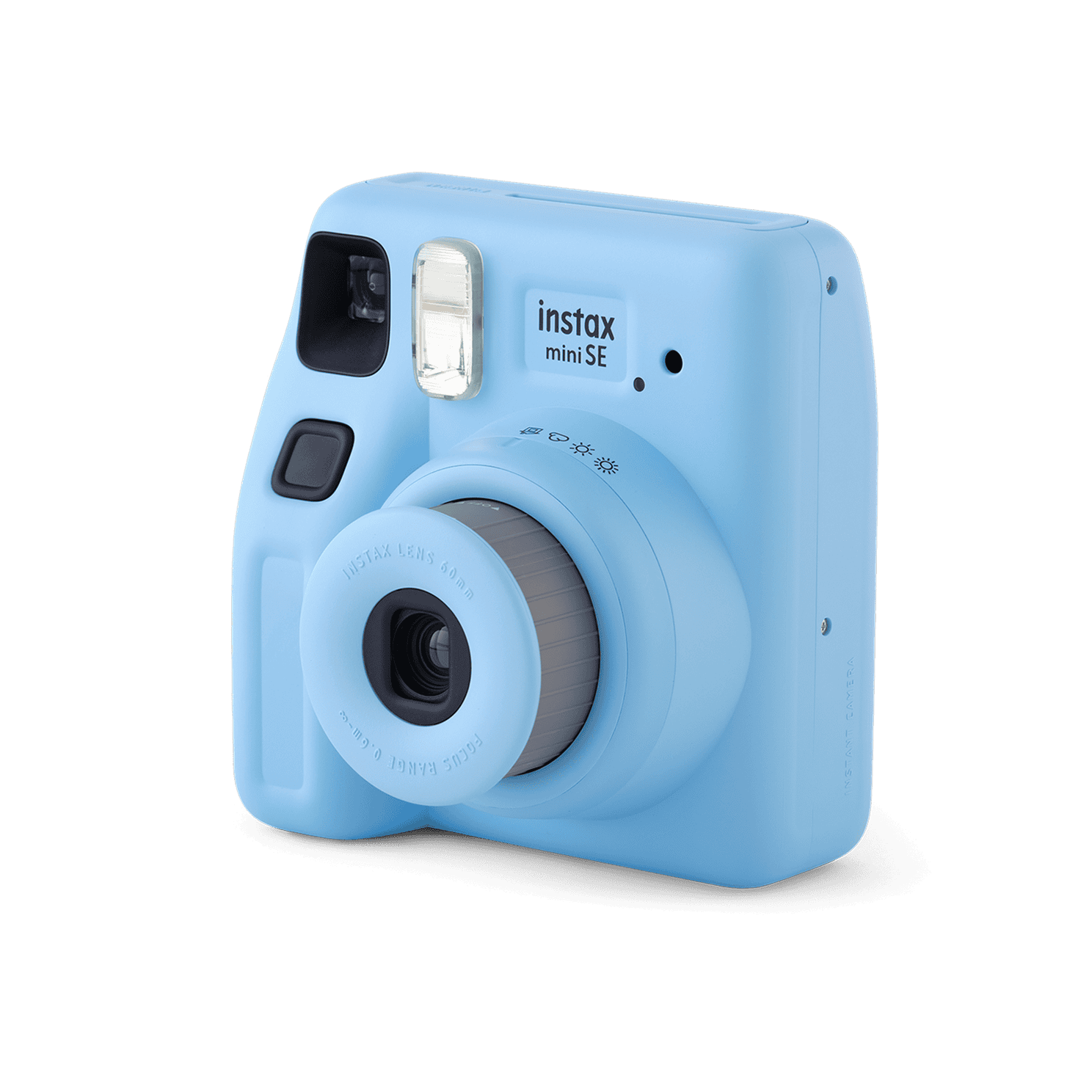
An instant camera takes a photo and prints a finished picture within minutes using self-developing film.
If you have ever watched a photo appear slowly on a small paper print, you have seen the charm of instant photography. Understanding what is an instant camera involves more than knowing that it prints photos quickly. It also means learning how instant film works, why these cameras remain popular, and how to choose one that fits your style.

Source: nytimes.com
What is an instant camera?
An instant camera is a camera that captures an image and produces a physical print soon after you press the shutter. It uses special instant film rather than a standard memory card or traditional roll of film.
The camera exposes the film to light, then pushes it through small rollers. These rollers spread chemical layers across the film. Over the next few minutes, the image develops on the print.
Unlike a digital camera, an instant camera does not usually let you review hundreds of pictures before printing. Each photo is a physical object. That makes every shot feel more deliberate.
Most instant cameras are designed for simple use. You point the camera, press the shutter, and wait for the print to develop. Some modern models also include digital features, such as Bluetooth, filters, self-timers, and the ability to choose which photos to print.
In simple terms, what is an instant camera? It is a camera and photo printer combined in one compact device.
Source: tomsguide.com
How does an instant camera work?
An instant camera works through a mix of optics, light exposure, and chemical development. The process may seem like magic, but it follows a clear series of steps.
1. The lens captures light
When you press the shutter button, the lens directs light toward the instant film. The lens and shutter control how much light reaches the film.
Many basic models use a fixed-focus lens. More advanced cameras may offer focus zones, exposure controls, or a brighter lens for low-light scenes.
2. The film receives the image
Instant film contains several layers. These layers include light-sensitive materials and chemicals that create the final colors or black-and-white tones.
The film must stay sealed from light until the camera exposes it. This is why instant film comes in a protective cartridge.
3. Rollers spread the developer
After exposure, the camera ejects the film. Internal rollers press across the film and release the developing chemicals.
The rollers must spread the chemicals evenly. Dirty or damaged rollers can cause streaks, marks, or uneven colors.
4. The image develops
The print continues to develop outside the camera. Development time depends on the film type, temperature, and lighting conditions.
Most color instant prints look clearer after a few minutes. During development, keep the photo away from bright light and avoid bending or shaking it.
A useful way to understand what is an instant camera is to compare it with a tiny darkroom. The camera exposes the image, while the print contains the chemicals needed to finish the process.

Source: instaxus.com
What type of film does an instant camera use?
An instant camera uses self-developing film. The film comes in a cartridge made for a specific camera system, so different film types are not always interchangeable.
Common instant film formats include:
- Credit-card-size film, which creates small rectangular prints.
- Square film, which produces a classic square image.
- Wide film, which gives a larger horizontal print.
- Miniature film, which makes very small photos that are easy to store.
- Black-and-white film, which creates monochrome images with a more classic look.
Color instant film is popular for parties, travel, and family photos. Black-and-white film can suit portraits, architecture, and moody scenes.
Film packs often contain between eight and 20 exposures. The exact number depends on the brand and format. Instant film also has an expiration date, and old film may show weak colors, strange shifts, or poor contrast.
Store unused film in a cool, dry place. Some manufacturers recommend refrigeration, but you should allow cold film to return to room temperature before use. Never freeze it, and always follow the storage instructions on the package.
Source: digitalcameraworld.com
What are the main types of instant cameras?
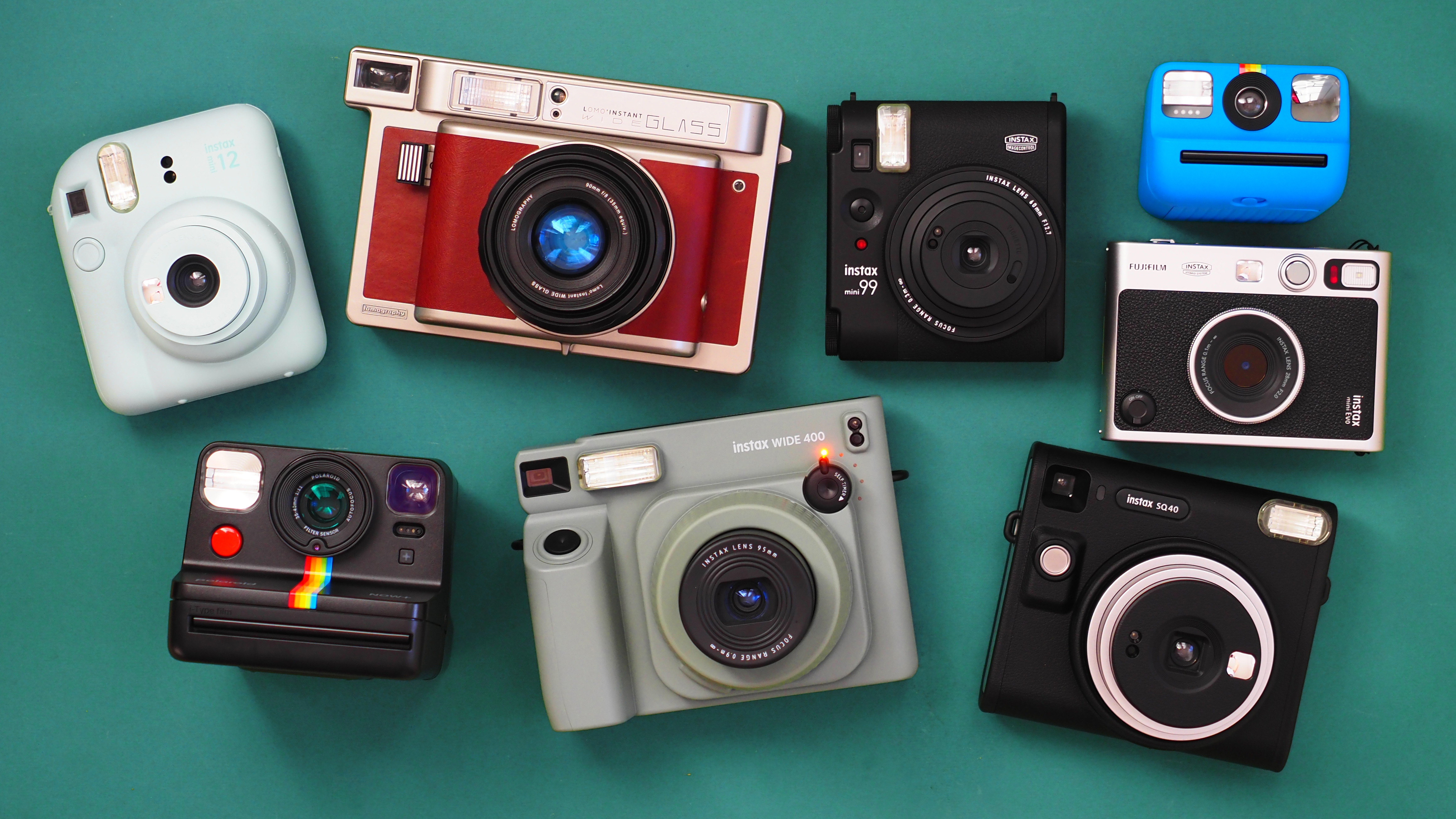
The answer to what is an instant camera can change slightly depending on the camera type. Most models fall into three broad groups.
Traditional analog instant cameras
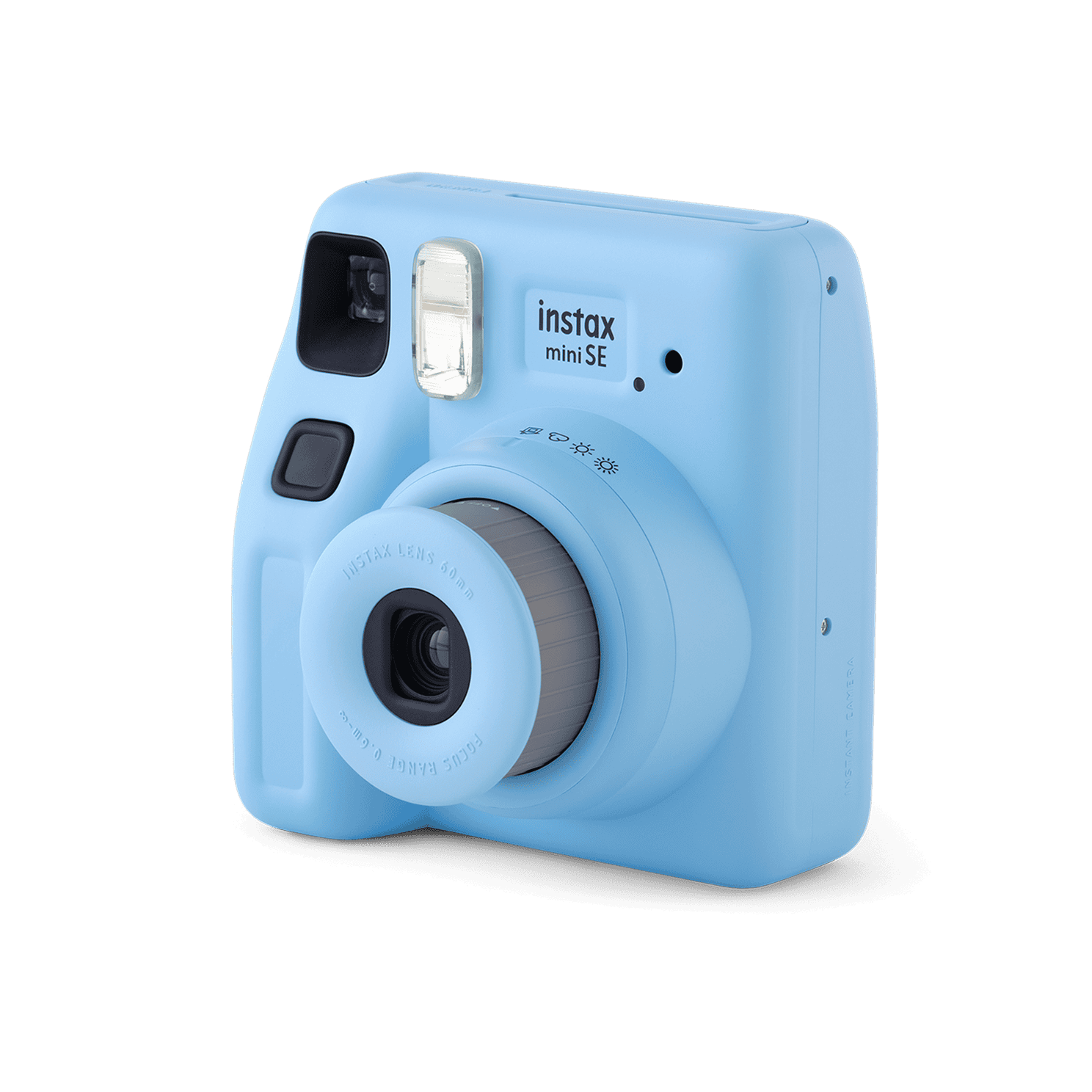
These cameras expose film directly. They usually have simple controls and create a print every time you take a photo.
Their strengths include:
- A simple shooting process
- A strong vintage feel
- No need for a phone or computer
- Physical prints that develop on their own
Their limits include limited control, higher film costs, and the inability to delete a poor shot.
Hybrid instant cameras
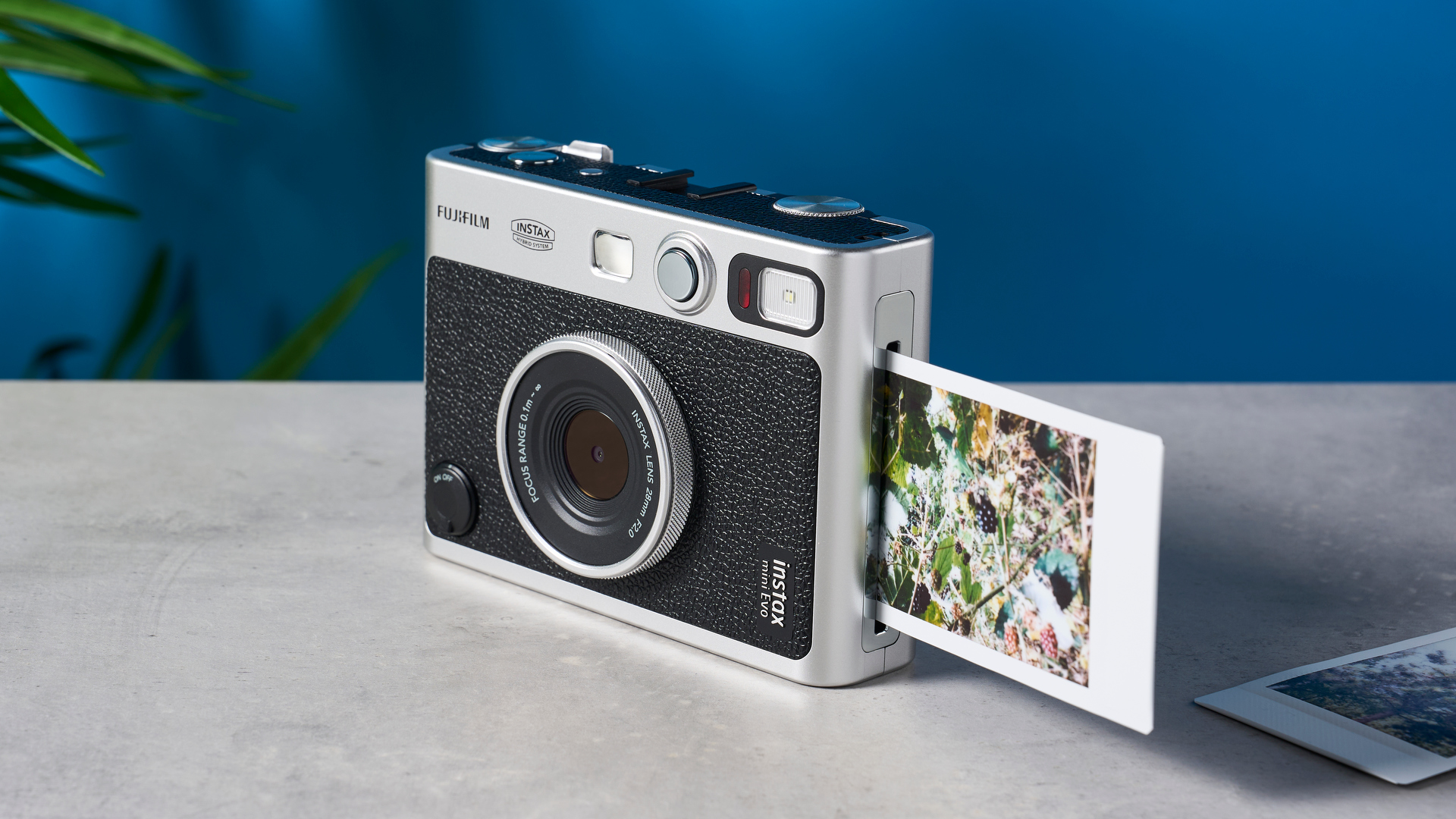
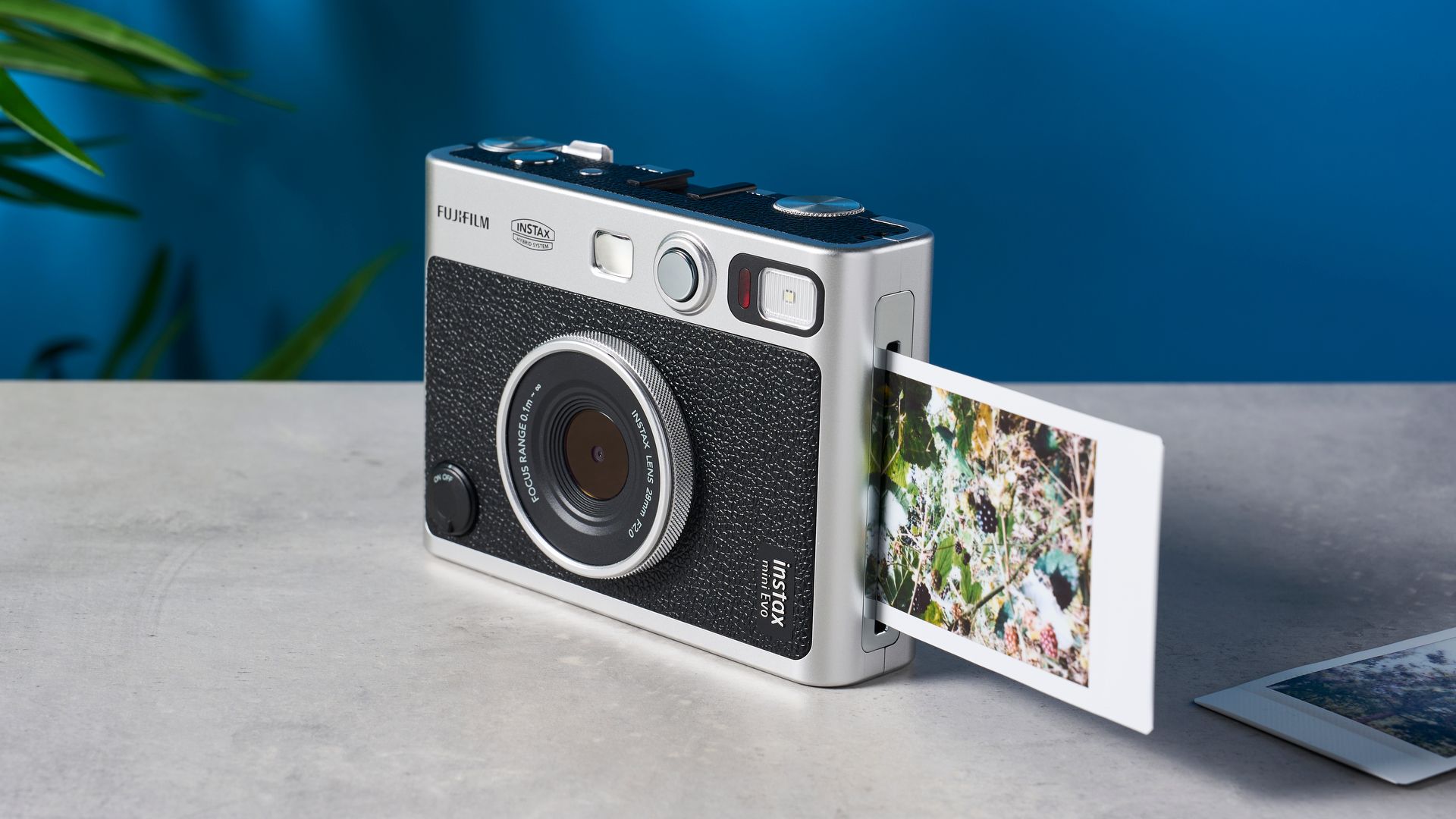
A hybrid instant camera uses a digital sensor and stores images in digital form before printing them. You can often review a picture and choose whether to print it.
This design reduces waste because you do not need to print every exposure. It may also offer editing tools, filters, and wireless transfers.
The trade-off is that a hybrid model may feel less spontaneous than a fully analog camera. It behaves more like a digital camera with built-in printing.
Instant printers with cameras
Some devices work mainly as portable printers. They may connect to a smartphone through Bluetooth or an app.
These devices are useful when you already take photos with your phone but want a physical copy. They do not always count as a classic instant camera because the phone may capture the image instead of the device itself.
Source: esquire.com
What are the benefits of an instant camera?
Instant cameras offer benefits that digital cameras and smartphones do not fully replace.
They create a physical memory
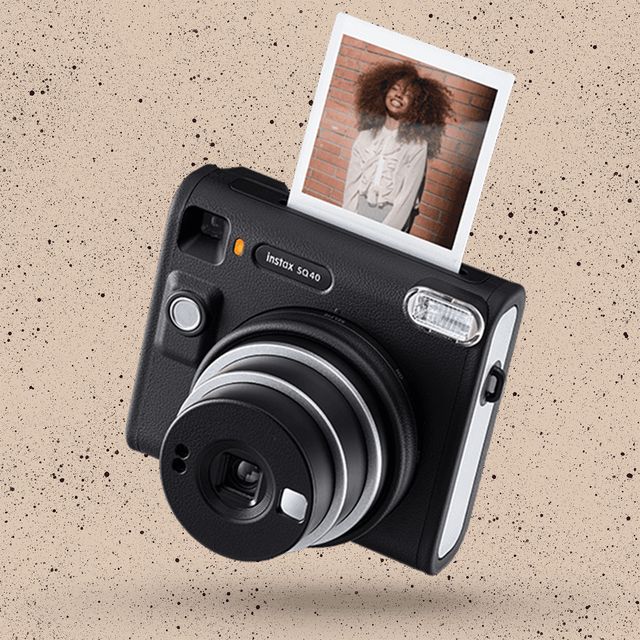
A digital photo can remain buried in a camera roll. An instant print can go on a fridge, desk, scrapbook, or bedroom wall.
The photo becomes part of the room. It is easier to share and harder to forget.
They make photography more intentional
Instant film has a cost for each exposure. This encourages you to pause, check the light, and choose your moment.
When I use an instant camera for an event, I tend to take fewer photos but pay more attention to each one. That small limit often makes the final collection feel more meaningful.
They encourage social interaction
People often gather around an instant camera. Friends ask to see the print, write notes on the border, or trade pictures.
This makes instant cameras popular at weddings, birthdays, travel gatherings, and school events.
They provide a unique visual style
Instant prints often have soft colors, gentle contrast, and a distinctive texture. The look can feel warm and personal rather than perfectly sharp.
Each print may also show small variations. These changes give instant photography a handmade quality.
They work without a large digital setup
You do not need a laptop, ink, or a separate photo printer. The camera carries the basic tools needed to create a print.
Source: tomsguide.com
What are the limitations of an instant camera?
Learning what is an instant camera also means understanding its limits. These cameras are fun, but they are not ideal for every situation.
Film can be expensive
The cost of film adds up quickly. A single pack may cost more per picture than printing digital photos at a store.
For large events, estimate the number of guests and prints before buying film. You may need more than one pack.
You cannot easily correct mistakes
With a traditional analog camera, you may wait before developing a full roll. With a basic instant camera, one press usually creates one print.
Common mistakes include:
- Cutting off a person’s head
- Shooting too close to the subject
- Taking a photo in a dark room
- Blocking the flash with your finger
- Opening the film door before the pack is empty
Image quality is limited
Instant prints are often smaller and less detailed than photos from a modern digital camera. They may also show soft focus, color shifts, or bright highlights.
This is part of the style, but it can frustrate users who expect sharp, professional images.
Temperature affects the film
Very cold conditions can slow development and reduce color strength. Excessive heat can create unwanted color changes or damage the film.
Keep developing prints warm but shaded. Avoid leaving film or fresh prints in a hot car.
The camera may be bulky
Some instant cameras are larger than compact digital cameras because they must hold both a lens system and a film ejection path.

Source: esquire.com
How to take better instant photos
You do not need advanced photography skills to use an instant camera well. A few habits can improve your results.
Use good light
Natural light usually gives the best results. Stand near a window or take photos outdoors during the day.
In bright sun, avoid placing your subject directly against a very bright background. The camera may expose for the background and leave the person too dark.
Keep the subject at the right distance
Many simple cameras struggle with very close subjects. Check the recommended focus distance in the manual.
For portraits, leave enough space around the person. Instant film has a small frame, so tight compositions can cut off faces or hands.
Use the flash wisely
The built-in flash helps in dim rooms, but it may create harsh light on nearby faces. Stand at a sensible distance and avoid reflective surfaces such as mirrors or glass.
If the room is dark, move closer rather than relying on a distant flash.
Hold the camera steady
Press the shutter gently. Keep your arms close to your body, especially in low light.
A steady camera helps reduce blur. This matters because instant cameras often use slow shutter speeds indoors.
Protect the print while it develops
After the photo comes out, keep it flat and shielded from strong light. Do not shake it. Shaking does not speed development and may damage the image.
A simple pocket, bag, or clean table can protect the print during the first few minutes.
Check the composition before pressing the button
Look at the edges of the frame. Confirm that no finger covers the lens or flash. Make sure the main subject is not too close to the border.
This quick check can save film and prevent the most common instant photography mistakes.
Source: instaxus.com
Instant camera versus digital camera
An instant camera and a digital camera serve different goals.
A digital camera is best when you need:
- Many photos at a low cost
- High image detail
- Easy editing
- Fast sharing online
- Flexible control in difficult light
An instant camera is best when you want:
- A physical photo right away
- A simple and social experience
- A vintage or handmade look
- A record of a special moment
- Less time looking at a screen
Some users choose both. They use a digital camera or phone for important shots and an instant camera for fun, candid moments.
The choice depends on your purpose. If you need perfect results, digital equipment is more practical. If you value the process and the physical print, an instant camera may feel more rewarding.

Source: fujifilm-x.com
How to choose an instant camera
Before buying an instant camera, think about how and where you will use it.
Consider the film format
Smaller prints are easy to carry and share. Larger prints may show more detail and feel better for display.
Check the price and availability of the film before choosing a camera. A low-cost camera may become expensive if its film is hard to find.
Decide between analog and hybrid
Choose an analog model if you want a simple, classic process. Choose a hybrid model if you want to review photos before printing.
A hybrid camera can be a smart choice for beginners who worry about wasting film.
Check the focus system
Fixed-focus models are easy to use but may struggle with close-ups. Cameras with multiple focus zones offer more flexibility.
If you plan to take portraits, confirm that the camera supports the distance you expect to use.
Look at battery needs
Some cameras use replaceable batteries. Others have rechargeable batteries.
For travel or events, battery life matters. Carry a spare battery or a power bank when the model supports USB charging.
Review the extra features
Useful features may include:
- A self-timer
- Exposure control
- A selfie mirror
- Flash adjustment
- Multiple shooting modes
- Smartphone connectivity
- A built-in rechargeable battery
Extra features are helpful, but they should not distract from the film cost and image quality.
Common mistakes to avoid
Even a simple instant camera can produce poor results if you overlook a few details.
Avoid these common errors:
- Opening the film door while film remains inside
- Using expired film without expecting color changes
- Taking indoor photos without enough light
- Covering the flash or light sensor
- Shaking fresh prints
- Storing film in extreme heat
- Standing too close to the subject
- Expecting phone-like sharpness
- Forgetting to check the remaining exposures
- Leaving the lens dirty
One lesson many new users learn is that instant photography rewards patience. The camera is not broken just because the print looks pale at first. Give the image time to develop before judging it.
Frequently Asked Questions About What Is an Instant Camera
What is an instant camera used for?
An instant camera is used to take a photo and produce a physical print within minutes. People often use one for parties, travel, scrapbooks, gifts, weddings, and creative projects.
Does an instant camera need ink?
No. Traditional instant cameras do not use ink cartridges. The ink-like colors come from chemicals built into the instant film.
How long does instant film take to develop?
Most instant film develops within a few minutes, but the exact time depends on the film type and temperature. Keep the print flat and away from strong light while it develops.
Can you use instant film in any instant camera?
No. Instant film must match the camera format and film system. Check the camera manual and film package before buying or loading a film pack.
Why are my instant photos too dark?
Dark instant photos may result from poor lighting, an incorrect exposure, blocked sensors, or a subject that is too far from the flash. Try taking photos in brighter conditions and keep the camera’s light sensor clear.
Is an instant camera better than a phone camera?
Neither is better for every purpose. A phone camera offers convenience, sharp images, and easy sharing, while an instant camera creates a physical print and a more hands-on experience.
Can instant cameras take selfies?
Many instant cameras can take selfies. Look for a selfie mirror, a close-focus mode, or a self-timer to help position the camera correctly.
Conclusion
An instant camera is a compact camera that captures a picture and develops it into a physical print. It uses special self-developing film, offers a simple shooting process, and creates a warm experience that digital photography cannot fully copy.
The best model depends on your needs. Consider film cost, print size, focus range, battery life, and whether you want an analog or hybrid design. Start with good light, steady hands, and realistic expectations.
If you want photos that feel personal and memorable, try an instant camera at your next gathering or trip. Explore different film styles, save your favorite prints, and share your instant photography experience in the comments.
