

A fixed lens camera has a built-in lens that cannot be removed or replaced.
If you want simple, ready-to-use photography, a fixed lens camera can be a smart choice. It combines a camera body and lens in one compact system, but models vary widely in zoom range, sensor size, image quality, and manual control. This guide explains how a fixed lens camera works, where it performs best, and what to check before buying one.
Source: amateurphotographer.com
What Is a Fixed Lens Camera?
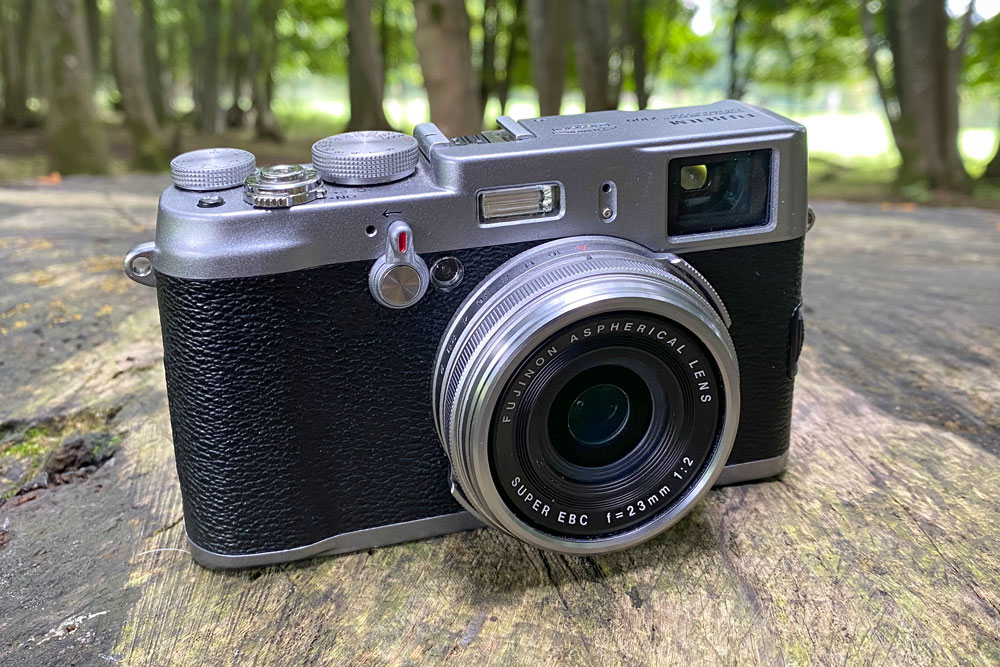
A fixed lens camera is a digital camera with a lens permanently attached to its body. You cannot remove the lens or replace it with another one, unlike an interchangeable lens camera such as a DSLR or mirrorless model.
The built-in lens may be a wide-angle lens, a standard lens, a telephoto lens, or a zoom lens. Some fixed lens cameras have a simple lens for snapshots, while others offer large sensors, fast apertures, and advanced controls.
The word “fixed” refers to the lens connection, not always the focal length. A fixed lens camera can still have a zoom lens. For example, a compact camera may offer a 24–200mm equivalent zoom range while keeping the lens attached at all times.
Think of it like a well-equipped multitool. It cannot change into every tool in a workshop, but it can handle many daily tasks without extra parts.

Source: com.au
How Does a Fixed Lens Camera Work?
A fixed lens camera works like any other digital camera. Light passes through the built-in lens and reaches the image sensor. The sensor turns that light into digital image data, which the camera saves as a JPEG, RAW file, or both.
The lens and camera body are designed to work together. This lets manufacturers tune the autofocus, image processing, zoom range, and stabilization for that specific system.
Most fixed lens cameras include several key parts:
• Lens: Collects and focuses light onto the sensor.
• Image sensor: Records the image. Larger sensors usually offer better low-light performance and background blur.
• Shutter: Controls how long the sensor receives light.
• Aperture: Controls the size of the lens opening.
• Image processor: Converts sensor data into a finished photo.
• Viewfinder or screen: Helps you frame the shot.
• Battery and storage system: Power the camera and save your photos.
Some models use electronic viewfinders, while basic compact cameras rely only on a rear screen. Many also include optical or electronic image stabilization to reduce blur caused by hand movement.
Source: thephoblographer.com
Types of Fixed Lens Cameras
Not every fixed lens camera serves the same purpose. Understanding the main types makes it easier to choose the right one.
Compact Point-and-Shoot Cameras
Compact cameras are small and easy to carry. They often use automatic modes and a modest zoom lens.
They suit:
• Family events
• Travel snapshots
• Casual outdoor photos
• Everyday carry
Their small size is their main strength. However, many low-cost compact cameras use small sensors, so image quality may drop in dim rooms or at night.
Bridge Cameras
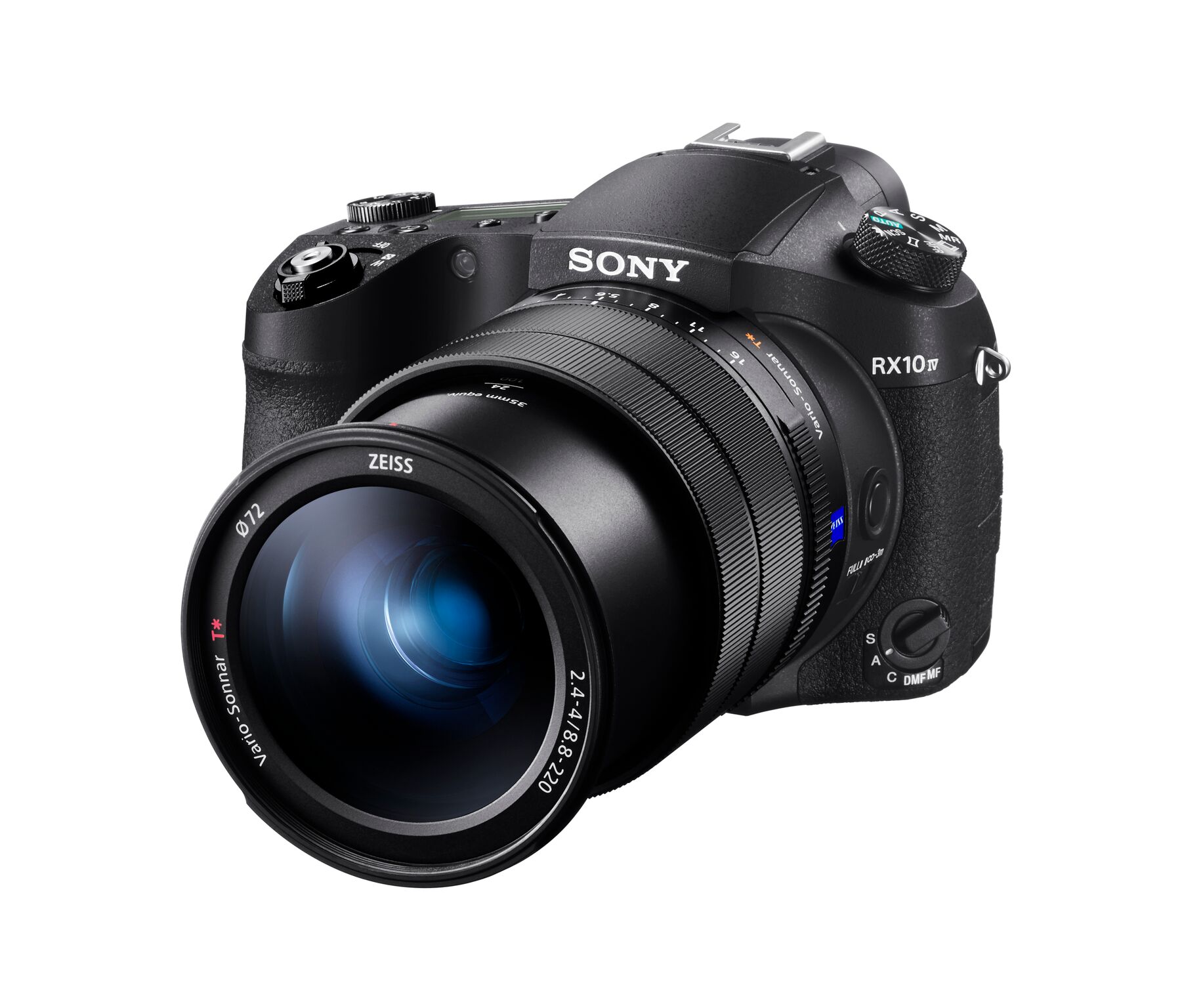
A bridge camera sits between a compact camera and a DSLR. It often has a large built-in zoom, a handgrip, an electronic viewfinder, and manual controls.
A bridge camera can be useful for:
• wildlife at a distance
• Sports in good light
• Travel scenes
• Birds and outdoor subjects
The long zoom is convenient, but it can make the camera larger. The small sensor found in many bridge models may also limit performance in low light.
Premium Compact Cameras
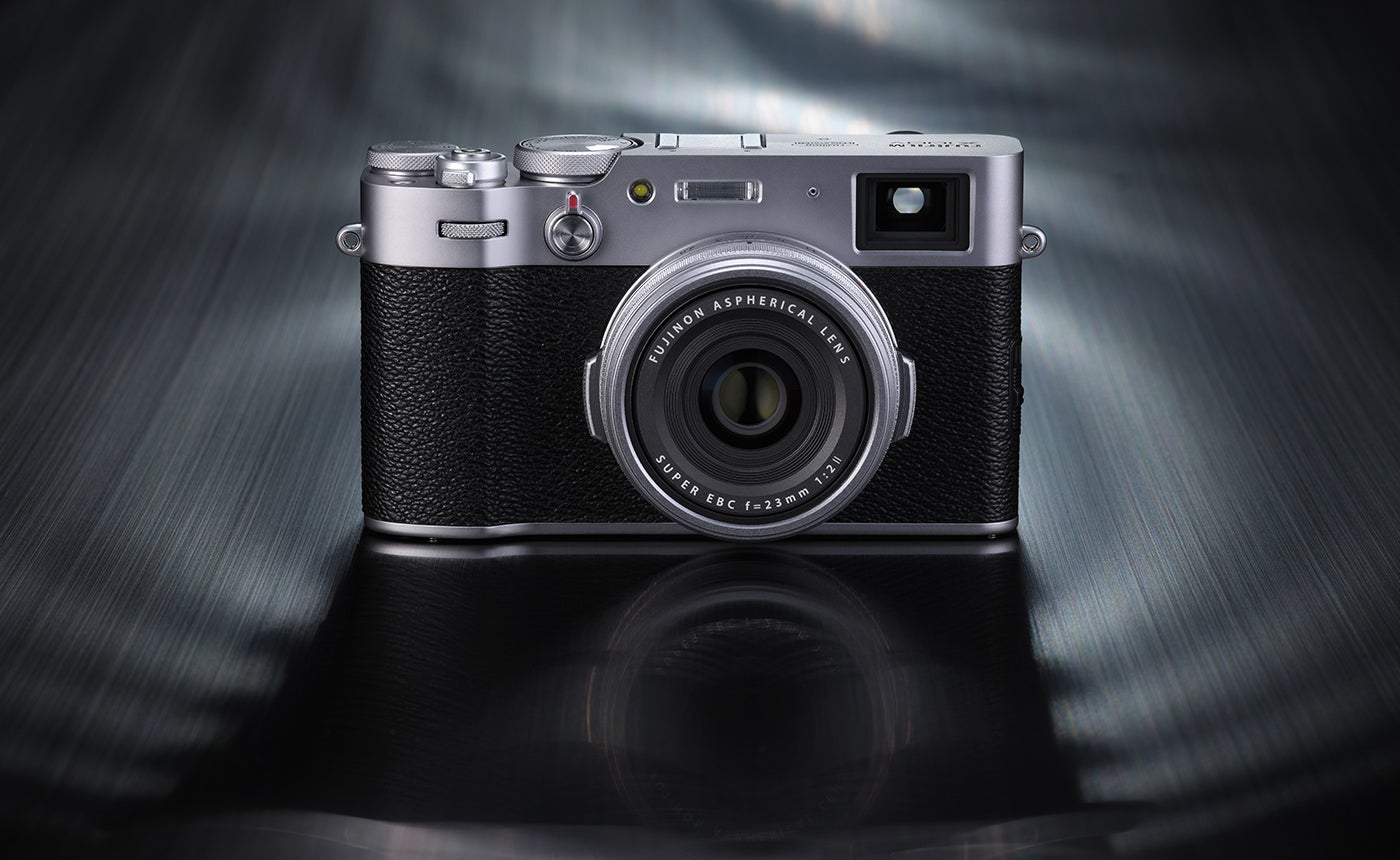
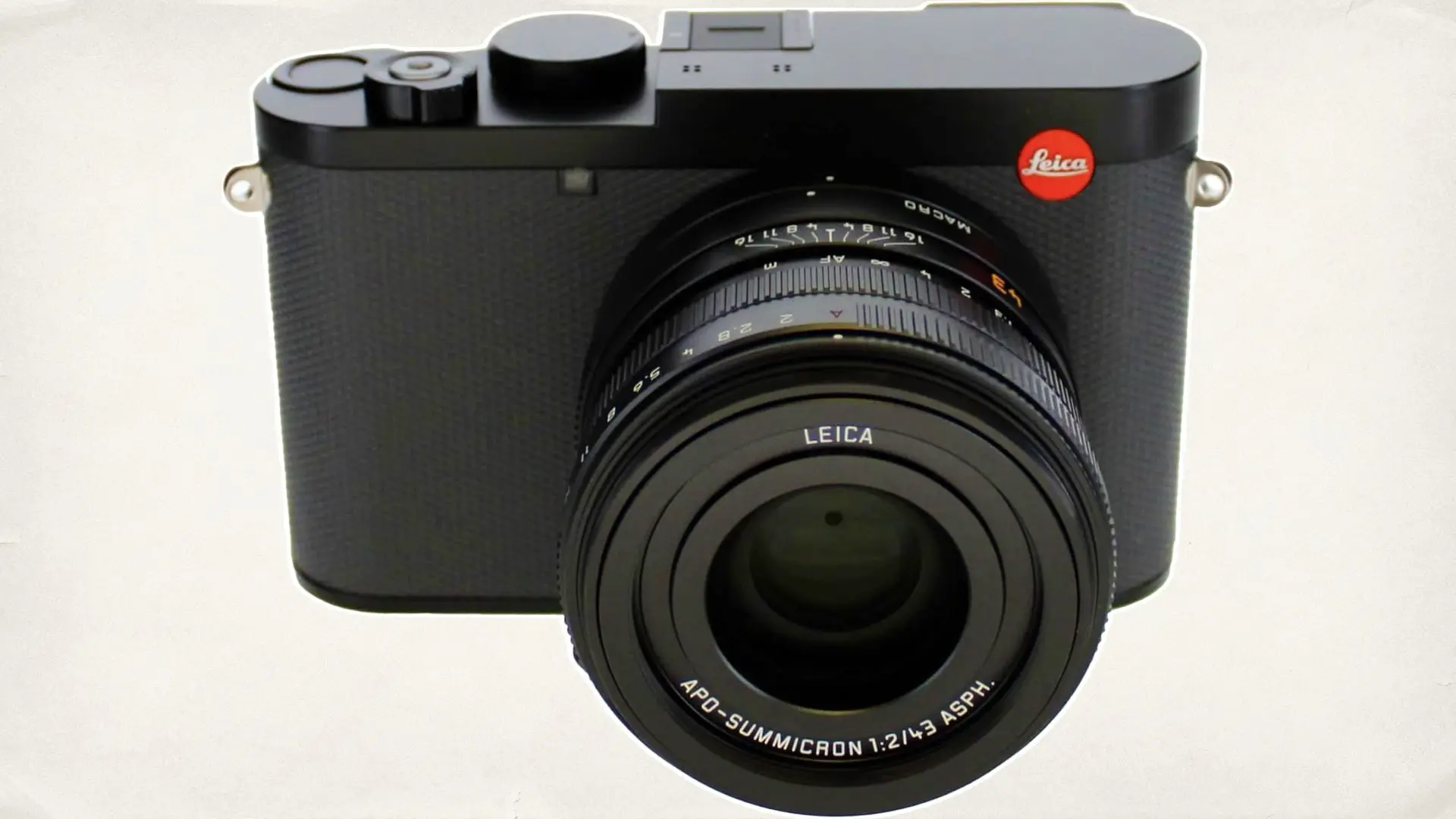
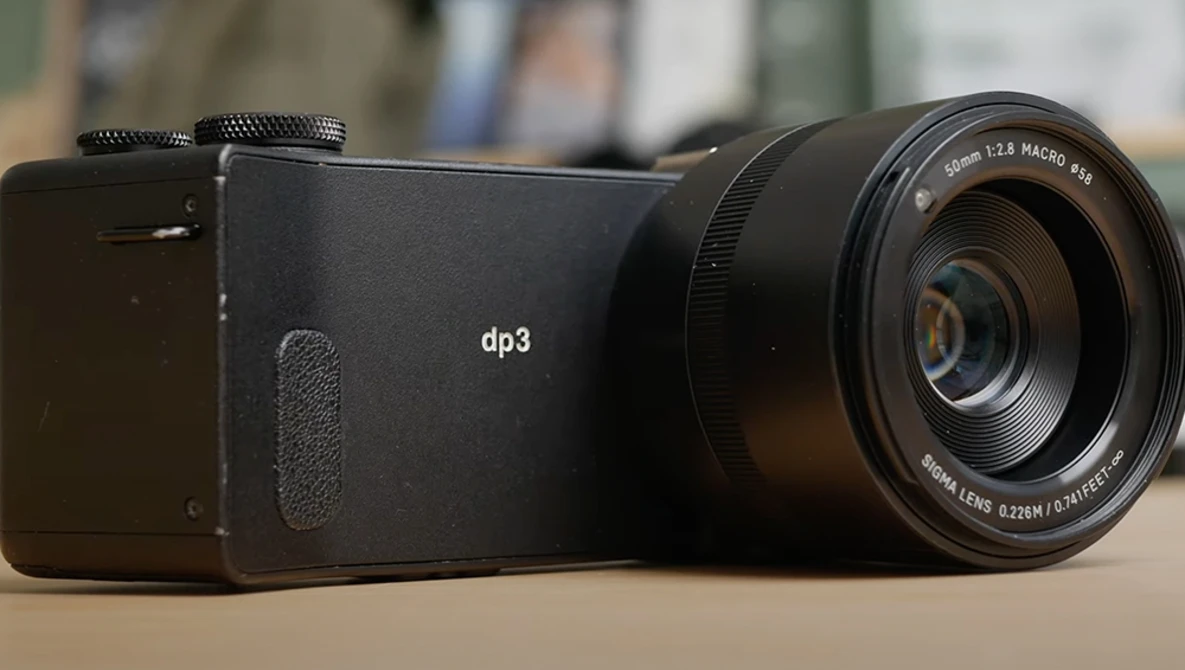
Premium compact cameras usually combine a larger sensor with a bright fixed lens. Some use a one-inch sensor, while others use an even larger Micro Four Thirds, APS-C, or full-frame sensor.
These cameras can produce excellent detail and attractive background blur. They are popular with street photographers, travelers, and creators who want high quality without carrying a full lens kit.
Action Cameras
Action cameras are also fixed lens cameras. Their wide lenses are built for movement, outdoor use, and video.
They commonly offer:
• Strong electronic stabilization
• Waterproof or rugged designs
• Wide-angle views
• High frame rate video
The wide lens can distort faces and straight lines near the edges. Still, it is useful for biking, hiking, surfing, and hands-free recording.
Instant and Specialty Cameras
Some instant cameras use a fixed lens and print photos soon after capture. Other specialty models are made for underwater work, industrial inspection, or simple educational use.
These cameras may not offer the highest image quality, but they focus on a clear experience or task.

Source: com.au
Fixed Lens Camera vs. Interchangeable Lens Camera
The main difference is flexibility. A fixed lens camera gives you one built-in lens system. An interchangeable lens camera lets you remove the lens and select another one.
| Feature | Fixed lens camera | Interchangeable lens camera |
|---|---|---|
| Lens changes | Not possible | Possible |
| Setup | Simple | More complex |
| Size | Often smaller | Usually larger |
| Cost over time | Often lower | Lenses can add major cost |
| Travel convenience | High | Depends on the kit |
| Creative range | Limited by built-in lens | Very broad |
| Maintenance | Fewer parts | More parts to clean and manage |
A fixed lens camera is often best for people who value speed and simplicity. An interchangeable lens camera is better for photographers who need different focal lengths, special lenses, or deeper control.
For example, a travel photographer may prefer a fixed lens camera with a 24–200mm zoom. A portrait photographer may want an interchangeable camera with an 85mm prime lens. Neither choice is always better. The right option depends on your subjects and habits.
Source: popphoto.com
Benefits of a Fixed Lens Camera
A fixed lens camera can solve several common problems for photographers.
It Is Easy to Use
There is no need to choose a lens before every shoot. You can turn on the camera, frame the scene, and take the photo.
This simple process is helpful for beginners. It also helps experienced photographers stay focused on the moment instead of their equipment.
It Is Easy to Carry
Many fixed lens cameras are smaller and lighter than a camera body with several lenses. That matters when you walk around a city, hike a trail, or travel with limited luggage.
A camera that stays in your bag is more useful than a powerful camera left at home.
The Lens and Body Work as One System
Because the lens is built for the camera, the manufacturer can optimize the autofocus, stabilization, and image processing. This can create a smooth shooting experience.
There is also no need to worry about lens compatibility or buying the wrong mount.
It Can Cost Less
A fixed lens camera may cost less than an interchangeable camera kit with several lenses. You also avoid extra spending on lens filters, cases, adapters, and replacement glass.
Premium fixed lens cameras can be expensive, but they may still cost less than building a similar portable system from separate parts.
It Creates Less Dust Risk
Changing lenses can allow dust to reach the sensor. A fixed lens camera keeps the camera interior closed during normal use.
This does not make the camera immune to dust or dirt, but it reduces one common source of sensor contamination.
It Encourages Better Composition
A fixed lens camera can teach you to move your feet and study the scene. Instead of changing lenses, you learn how distance, angle, and framing affect the image.
That limitation can feel like a creative boundary, but boundaries often improve focus.
Source: ymcinema.com
Limitations of a Fixed Lens Camera
A fixed lens camera is not ideal for every photographer. Its main limits come from the permanent lens and the design choices made by the manufacturer.
You Cannot Upgrade the Lens
If you later need a wider lens, a brighter portrait lens, or a longer telephoto lens, you cannot simply buy one and attach it.
You may need to replace the entire camera. This is the biggest difference between a fixed lens camera and an interchangeable lens system.
The Zoom Range May Have Trade-Offs
A camera with a very large zoom range may sacrifice brightness, sharpness, size, or low-light performance. A lens that covers everything often cannot perform like a specialized lens at every focal length.
A long zoom can also make the camera harder to hold steady, especially at the telephoto end.
Low-Light Quality Can Vary
Many compact fixed lens cameras use small sensors. Small sensors can produce more visible noise in dark scenes, especially at high ISO settings.
A premium model with a larger sensor and a bright lens can perform much better. Always check the sensor size and maximum aperture rather than judging the camera by its megapixel count alone.
Repairs Can Be More Complex
If the built-in lens develops a serious fault, the camera may need professional service. With an interchangeable system, you can often replace only the damaged lens.
Repair cost and availability vary by brand and model, so warranty coverage matters.
Digital Zoom May Reduce Detail
Some fixed lens cameras use digital zoom after the optical zoom ends. Digital zoom crops and enlarges part of the image, which can reduce detail.
Optical zoom moves lens elements to magnify the subject. When possible, use optical zoom and crop later only when needed.

Source: com.au
What Features Should You Check?
When shopping for a fixed lens camera, look beyond megapixels. The following features have a greater effect on daily use.
Sensor Size
Sensor size affects image quality, low-light performance, and depth of field.
Common sensor categories include:
• 1/2.3-inch: Common in basic compact and bridge cameras.
• One-inch: A good balance of size, quality, and portability.
• Micro Four Thirds: Larger than most compact sensors and useful for advanced systems.
• APS-C: Offers strong detail and low-light performance in a relatively small body.
• Full frame: Delivers high image quality but often increases cost and camera size.
A larger sensor does not guarantee a better photo. Lens quality, autofocus, exposure, and technique also matter. Still, sensor size is an important starting point.
Lens Aperture
A wide maximum aperture lets in more light. It can also create a softer background behind your subject.
A lens rated at f/1.8 is brighter than one rated at f/3.5. For indoor photos, portraits, and evening street scenes, a bright lens can make a clear difference.
Focal Length or Zoom Range
A wide-angle lens works well for landscapes, rooms, and groups. A telephoto lens helps you frame distant subjects. A versatile zoom gives you more options but may be larger or less bright.
Consider what you photograph most. A 28mm equivalent lens may suit street work, while a 24–200mm equivalent zoom may better fit travel and wildlife viewing.
Autofocus Performance
Look for accurate focus tracking, face detection, and eye detection if you photograph people or animals. Autofocus performance can vary greatly between models.
For moving subjects, check reviews that test real action rather than relying only on a feature list.
Image Stabilization
Optical or sensor-based stabilization can reduce blur from camera shake. It is especially useful with long zoom lenses and in low light.
Stabilization cannot freeze a moving person. It helps with your movement, not the subject’s movement.
RAW Capture
RAW files preserve more image information than JPEG files. They give you greater control over exposure, color, and highlights during editing.
If you want a simple workflow, JPEG may be enough. If you plan to edit seriously, RAW support is valuable.
Video Features
Check resolution, frame rates, microphone support, overheating behavior, and autofocus during video. A camera can record 4K video yet still have weak sound or poor focus tracking.
For video creators, practical performance matters more than one headline specification.
Source: fstoppers.com
Who Should Buy a Fixed Lens Camera?
A fixed lens camera may be a good match if you want a simple and portable tool.
It can suit:
• Beginners learning photography
• Travelers who want less gear
• Parents taking family photos
• Street photographers who prefer a small camera
• Wildlife viewers who need a long built-in zoom
• Vloggers using an action or compact camera
• Professionals who want a backup camera
It may not suit you if you need several specialized lenses, extreme low-light performance, or a system that can grow with your career.
Before buying, write down the three subjects you photograph most. Then choose a lens range, sensor size, and camera body that support those subjects.
Practical Tips for Using a Fixed Lens Camera
A good camera helps, but technique still shapes the result.
Learn the Lens Range
Test the widest and longest focal lengths. Notice how the scene changes. At wide settings, subjects may look farther away. At telephoto settings, distant objects appear closer and the background may look more compressed.
Knowing this range helps you choose the right position before the moment arrives.
Use the Light Before Raising ISO
Move near a window, change your angle, or wait for softer outdoor light. Better light often improves a photo more than a small camera upgrade.
Raise ISO when needed, but understand that high ISO can add noise.
Watch the Shutter Speed
A slow shutter speed can blur handheld photos. As a basic guide, use a faster shutter speed for moving subjects and long zoom settings.
Image stabilization helps, but it does not replace a steady grip or fast shutter speed.
Avoid Unnecessary Digital Zoom
Use optical zoom first. If you still need more reach, take the photo and crop it later when the original file has enough detail.
Digital zoom can be useful in an emergency, but it should not be your default setting.
Protect the Built-In Lens
The lens cannot be removed, so damage affects the whole camera system. Use a lens cap when provided, keep the lens away from sand, and clean it with a soft lens cloth.
Do not rub grit across the glass. Blow away loose dust first, then wipe gently.
Carry a Spare Battery
A fixed lens camera may be small, but its screen, electronic viewfinder, zoom motor, and wireless features can use power quickly. A spare battery is often more useful than another accessory.
A small memory card case also helps protect your photos during travel.
Practice Before an Important Event
Do not wait until a wedding, vacation, or school event to learn the controls. Spend an afternoon testing autofocus, flash, exposure compensation, and video.
One common mistake is leaving the camera in a mode that worked yesterday but fails in today’s light. A short practice session prevents that stress.
Fixed Lens Camera Buying Checklist
Use this checklist before making a purchase:
- Decide whether you need a wide lens, standard lens, or long zoom.
- Check the sensor size and maximum aperture.
- Confirm that the camera supports the image quality and video format you need.
- Test the grip, buttons, screen, and viewfinder if possible.
- Read reviews that discuss real autofocus and low-light use.
- Check battery life and the price of spare batteries.
- Look at warranty terms and repair support.
- Make sure the camera fits your daily bag or travel plan.
- Avoid paying extra for features you will not use.
- Consider whether you may want interchangeable lenses in the future.
The best fixed lens camera is not always the most expensive model. It is the one that matches your subjects, habits, and comfort level.
Common Mistakes to Avoid
Many buying mistakes come from focusing on specifications instead of real use.
• Choosing megapixels over sensor size and lens quality: More megapixels do not automatically create better photos.
• Buying the longest zoom without considering light: A huge zoom may perform poorly indoors or at dusk.
• Ignoring the camera’s size: A camera that feels uncomfortable may stay unused.
• Assuming stabilization freezes action: It reduces camera shake but cannot stop subject movement.
• Forgetting about RAW support: This can limit editing options later.
• Skipping hands-on testing: Buttons, menus, and grip comfort affect your experience every day.
• Treating reviews as absolute truth: Test results vary by photographer, settings, and shooting conditions.
In my view, the most useful camera is the one that makes you want to take photos. A technically advanced model cannot help if it feels confusing or inconvenient.
Frequently Asked Questions About What Is a Fixed Lens Camera
What is a fixed lens camera used for?
A fixed lens camera is used for everyday photography, travel, portraits, wildlife, street scenes, video, and many other tasks. Its usefulness depends on the built-in lens, sensor, and controls.
Is a fixed lens camera better than a DSLR?
Neither is always better. A fixed lens camera is often smaller and simpler, while a DSLR offers interchangeable lenses and more system flexibility.
Can you zoom with a fixed lens camera?
Yes. Many fixed lens cameras have optical zoom lenses. Some also offer digital zoom, but digital zoom may reduce image detail.
Are fixed lens cameras good for beginners?
Yes. A fixed lens camera can be excellent for beginners because it removes the need to select and change lenses. It lets new photographers focus on framing, light, and timing.
Can a fixed lens camera take professional photos?
Yes, especially when it has a large sensor, high-quality lens, accurate autofocus, and RAW support. Professional results also depend on lighting, composition, and editing skill.
What is the difference between a fixed lens and a prime lens?
A fixed lens camera has a lens that cannot be removed from the camera. A prime lens has one focal length, but it can usually be removed and used on a compatible interchangeable lens camera.
Do fixed lens cameras work well in low light?
Some do. Cameras with larger sensors, bright apertures, and image stabilization usually perform better in low light than basic models with small sensors.
Conclusion
A fixed lens camera is a camera with a permanently attached lens. It offers a simple setup, easy travel, and a focused shooting experience, while giving up the ability to change lenses. The best choice depends on your subjects, preferred size, sensor needs, zoom range, and budget.
Before you buy, think about how you really take photos. Choose a camera that fits your daily routine, learn its lens range, and practice with it before important moments. Explore trusted camera reviews and share your own experience with a fixed lens camera in the comments.
