

A medium format sensor is larger than full frame, capturing more light, detail, and depth in each image.
If you have ever admired a portrait with soft background blur, rich skin tones, and fine texture, a medium format sensor may be part of the reason. In this guide, you will learn what is a medium format sensor, how it compares with full frame and APS-C, where it performs best, and whether its higher cost is worth it.
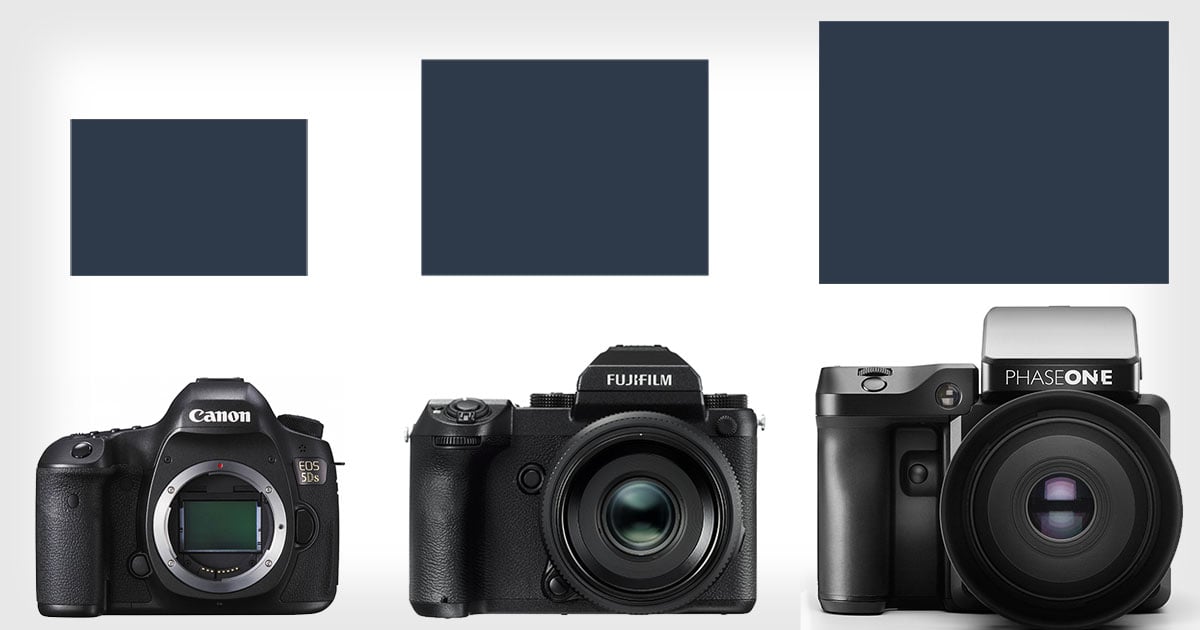
Source: petapixel.com
What Is a Medium Format Sensor?
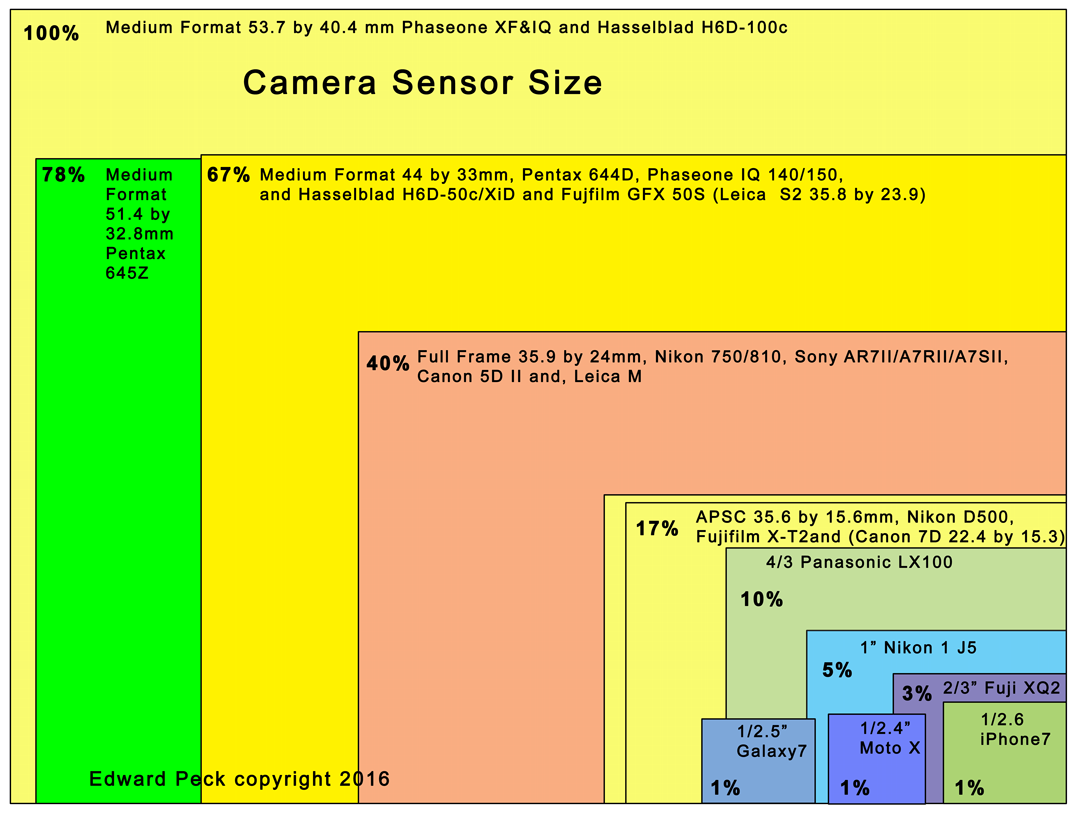
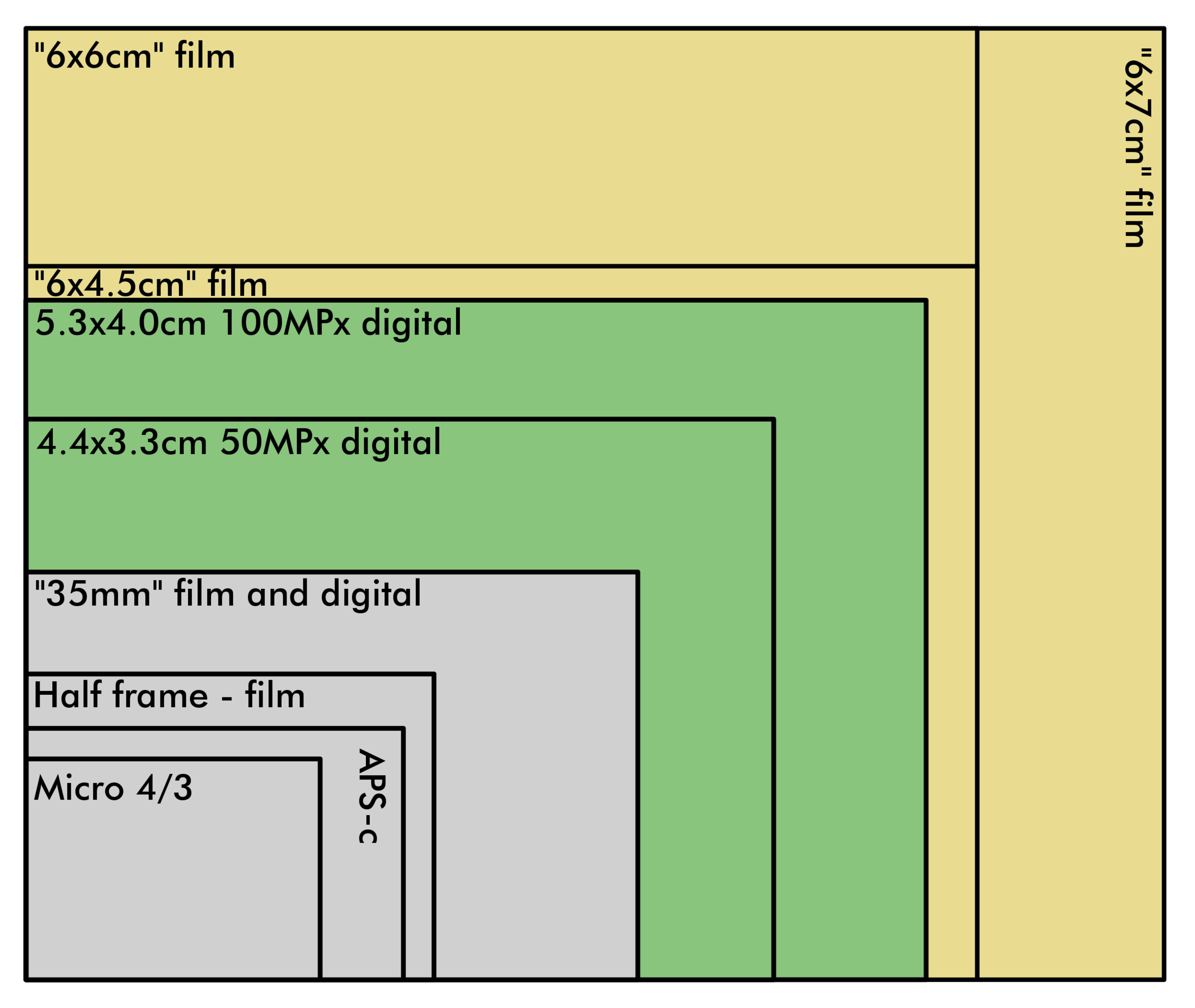
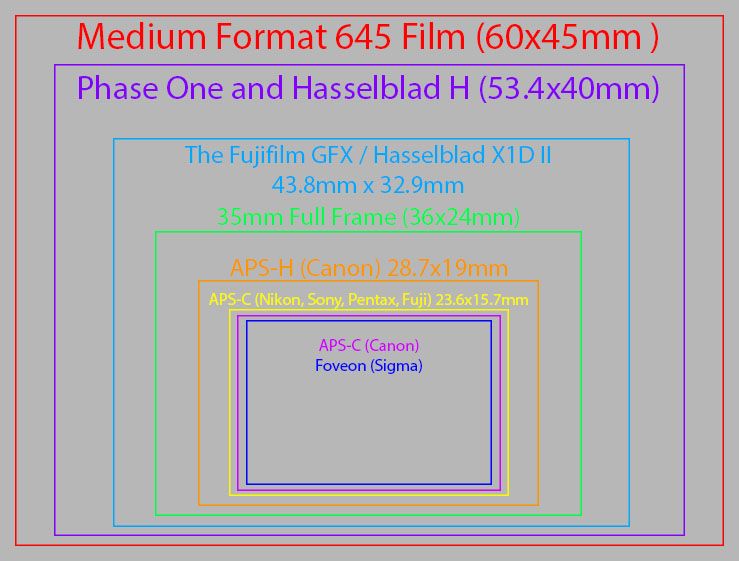
A medium format sensor is a digital camera sensor that is larger than a full-frame sensor. Full frame measures about 36 × 24 millimeters, while digital medium format sensors commonly measure around 44 × 33 millimeters or larger.
The phrase “medium format” comes from film photography. Medium format film was larger than 35mm film but smaller than large format film. Digital cameras kept this name, even though their sensor sizes do not always match one classic film size.
So, what is a medium format sensor in simple terms? It is a larger imaging surface that can collect more light and record more image data than most smaller camera sensors.
Common digital medium format sizes include:
• 44 × 33mm, used in many modern mirrorless medium format cameras
• 48 × 36mm, found in some professional systems
• 54 × 40mm and larger, used in high-end digital backs
A larger sensor is like a larger window. It can let you see more detail and gather more light, although the final result also depends on the lens, image processor, pixel count, and shooting conditions.

Source: jalenobanphotography.com
How Does a Medium Format Sensor Work?
A medium format sensor works like other digital camera sensors. It uses millions of tiny photosites, often called pixels, to collect light. The camera then turns that light into a digital image.
The main difference is the physical size of the sensor. A larger sensor can hold more photosites or larger photosites. This gives camera designers more room to balance resolution, noise control, and dynamic range.
The basic image-making process includes these steps:
- Light passes through the lens.
- The lens focuses that light onto the sensor.
- Photosites measure the amount and color of the light.
- The camera processor converts the signal into an image.
- The camera saves the image as a JPEG, RAW file, or another format.
When people ask what is a medium format sensor, they often expect one single specification. In reality, sensor size is only one part of the system. A 50-megapixel medium format camera may perform differently from another 50-megapixel model because pixel size, processing, lens quality, and software also matter.
Some medium format cameras use back-illuminated sensor designs. These designs can improve light efficiency. Many also use CMOS technology, which supports fast readout, live view, video, and better power use than older sensor designs.

Source: airoteka.lt
Medium Format Sensor vs. Full-Frame Sensor
The clearest way to understand what is a medium format sensor is to compare it with full frame. A full-frame sensor has the same approximate dimensions as a frame of 35mm film: 36 × 24mm.
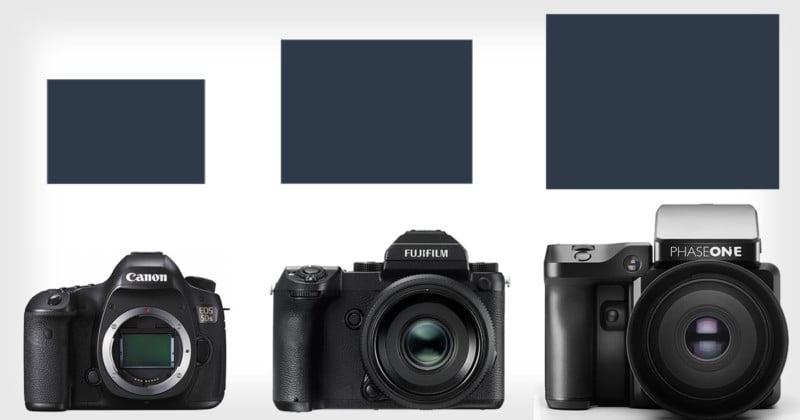
A common medium format sensor measures 44 × 33mm. Its surface area is about 68 percent larger than full frame. That extra area can help capture more light and create a different rendering style.
Here are the main differences:
| Feature | Medium format | Full frame |
|---|---|---|
| Sensor size | Usually larger than 36 × 24mm | About 36 × 24mm |
| Image detail | Often very high | High to very high |
| Low-light ability | Often excellent | Often excellent |
| Background blur | Strong at similar framing | Strong |
| Camera size | Usually larger | Wide range |
| Lens cost | Often higher | Wide range |
| Autofocus speed | Varies by model | Often faster |
| Video features | Improving, but varies | Usually more extensive |
A medium format sensor does not automatically produce a better image in every situation. A skilled photographer with a full-frame camera can create outstanding work. The larger sensor mainly gives you a different set of strengths.
For example, medium format can produce smoother tonal transitions in a portrait. Full frame may offer faster autofocus and a larger selection of affordable lenses. The right choice depends on your subject and working style.
Source: dpreview.com
Medium Format Sensor vs. APS-C and Micro Four Thirds
APS-C sensors are smaller than full frame. They usually measure about 23.5 × 15.6mm, though exact sizes vary by brand. Micro Four Thirds sensors are smaller still, at about 17.3 × 13mm.
Compared with these formats, a medium format sensor offers a much larger light-gathering area. It can also provide a wider field of view with the same lens angle and framing style.
Each format has useful advantages:
• Medium format: high detail, rich tonal range, and strong subject separation
• Full frame: balanced image quality, speed, and lens choice
• APS-C: smaller bodies, lower cost, and useful reach for wildlife
• Micro Four Thirds: very compact cameras and lenses with deep depth of field
A smaller sensor is not a flaw. In wildlife photography, the crop factor of APS-C can help fill the frame with a distant bird. In travel photography, a Micro Four Thirds kit can save space and weight.
The best answer to what is a medium format sensor must include context. Bigger is not always better. A larger sensor gives certain image advantages, but a smaller sensor may fit your needs more effectively.
Source: petapixel.com
Benefits of a Medium Format Sensor
A medium format sensor can produce a distinctive look. Its benefits are most visible in commercial, studio, landscape, fashion, and fine-art photography.
Higher Image Detail
Many medium format cameras use high-resolution sensors. Some offer 50 megapixels, while others reach 100 megapixels or more. This level of detail helps with large prints, product images, and heavy cropping.
High resolution is useful when a client may need several versions of one image. A single photograph can provide a full portrait, a tight crop, and a wide layout for a magazine or website.
Better Tonal Gradation
Larger sensors can record subtle changes between light and dark areas. This may create smoother transitions in skin, clouds, fabric, and painted surfaces.
The improvement is not magic. Exposure, lighting, and RAW processing still matter. However, a strong medium format file often gives you more flexibility when adjusting highlights and shadows.
Lower Image Noise
A larger sensor can use larger photosites at the same resolution. Larger photosites may collect more light and produce cleaner files at higher ISO settings.
This benefit depends on the actual sensor design. A high-resolution sensor may have smaller pixels than a lower-resolution full-frame sensor. That is why direct comparisons should use real test images, not sensor size alone.
Shallow Depth of Field
A medium format sensor can create strong background blur when you use a suitable lens and match the same framing. This effect can make a subject stand out from a busy background.
The sensor does not blur the background by itself. Blur depends on aperture, focal length, subject distance, and camera distance. The sensor helps because you often use a longer focal length to achieve the same framing.
Flexible Cropping
A high-resolution medium format file gives you room to crop without losing as much detail. This can be valuable when you cannot move closer to a subject.
Cropping does not replace careful composition. Still, it provides a useful safety net in commercial and editorial work.
Source: filnenna.com
Limitations of a Medium Format Sensor
Understanding what is a medium format sensor also means understanding its limits. The format can be impressive, but it is not ideal for every photographer.
Higher Cost
Medium format cameras and lenses often cost more than full-frame equipment. Professional lenses may also be larger and more expensive.
The total cost can include:
• Camera body
• Lenses
• Extra batteries
• Large memory cards
• Fast computer storage
• RAW processing software
• A sturdy tripod or support system
A lower-cost medium format body may still require a significant investment in lenses. Consider the complete system price rather than the camera price alone.
Larger and Heavier Equipment
Some medium format cameras are compact enough for travel. Others are large studio tools. In general, the sensor and lenses may add weight to your bag.
I have found that weight changes how people shoot. A heavy kit can make you leave the camera at home. A smaller full-frame or APS-C system may produce better real-world results simply because you carry it more often.
Slower Autofocus in Some Models
Autofocus performance has improved a great deal. Even so, some medium format cameras are slower than leading full-frame cameras.
This matters when photographing:
• Fast sports
• Active children
• Birds in flight
• Street scenes
• Weddings with rapid movement
For still portraits, landscapes, and studio work, the speed may be more than enough. Always test the exact camera model if autofocus is important to you.
Limited Lens Selection
Full-frame systems have decades of lens options. Medium format systems usually offer fewer choices.
You may find fewer ultra-wide lenses, fast telephoto lenses, and low-cost third-party options. Adapters can expand your choices, but they may reduce autofocus speed or lens communication.
Large File Sizes
A 100-megapixel RAW file can take up a lot of storage. It may also slow your computer during editing.
Before buying a high-resolution camera, check whether your computer, backup system, and editing software can handle its files comfortably.

Source: theverge.com
How Sensor Size Affects Depth of Field
Depth of field describes how much of an image appears sharp from front to back. A medium format sensor can create a shallow depth of field, but the explanation is more detailed than “bigger sensor equals more blur.”
To compare cameras fairly, use the same framing. A larger sensor requires a longer focal length or a closer camera position to create the same composition. That change can reduce depth of field.
For example, a photographer may use a 63mm lens on a 44 × 33mm camera and a 50mm lens on a full-frame camera for a similar view. If both lenses use the same f-number, the medium format setup may produce a softer background.
The result depends on:
• Sensor size
• Lens focal length
• Aperture
• Subject distance
• Camera distance
• Background distance
A medium format sensor is especially appealing for portraits because it can separate the subject while preserving a natural perspective. But if you need several people sharp in one row, you may need to stop down the lens.
Source: backcountryjourneys.com
Dynamic Range, Color, and Image Quality
Dynamic range is the amount of detail a camera can record between its darkest shadows and brightest highlights. Medium format cameras often perform well in this area, especially at low ISO.
This can help with scenes such as:
• A person standing near a bright window
• A landscape with deep shadows and bright clouds
• A white wedding dress in strong sunlight
• A product with reflective metal
Color quality also matters. A good sensor can record smooth color changes, but the final look depends on lighting, white balance, lens coatings, and editing.
A camera with a medium format sensor may give you a flexible RAW file. It does not guarantee perfect exposure. Highlight detail that is clipped during capture may not be recoverable, so careful metering still matters.
In my own practical workflow, the biggest benefit is often not that every image looks dramatically different straight from the camera. The benefit appears later, when a RAW file survives a demanding edit without breaking apart.

Source: com.br
What Is a Medium Format Sensor Best Used For?
A medium format sensor is best for subjects that reward detail, controlled composition, and rich tonal quality.
Studio and Product Photography
In a studio, the photographer controls the light and can use a tripod. This removes many disadvantages of medium format systems.
High resolution helps product brands show fine details in clothing, jewelry, furniture, cosmetics, and artwork. Large files also support brochures, billboards, and detailed online catalogs.
Portrait Photography
Medium format cameras can create a smooth, spacious look. They work well for editorial portraits, fashion, headshots, and fine-art projects.
A longer lens and wide aperture can separate the subject from the background. Good lighting remains more important than the sensor alone.
Landscape Photography
Landscape photographers may value high resolution and smooth color transitions. A detailed file can reveal texture in rocks, trees, and distant buildings.
A tripod, low ISO, and careful focus can help you get the most from the sensor. For moving subjects, focus and shutter speed may matter more than resolution.
Commercial Photography
Advertising clients often need large files that can be cropped, retouched, and printed at different sizes. A medium format sensor can support this workflow.
The format is common in high-end fashion, beauty, architecture, and product work. It is less common when speed, portability, or low cost is the main goal.
How to Choose a Medium Format Camera
If you are considering a medium format system, start with your work rather than the specifications. Ask what you photograph, where you work, and how much equipment you can carry.
Use this process:
- Define your main subjects. Decide whether you shoot portraits, landscapes, products, events, or travel.
- Check autofocus needs. Fast action may favor a high-end full-frame camera.
- Compare the lens range. Make sure the system has the focal lengths you need.
- Test the grip and menu system. A camera should feel comfortable in your hands.
- Review sample RAW files. Look for shadow recovery, color, noise, and detail.
- Calculate the full cost. Include lenses, storage, batteries, and software.
- Rent before buying. A short rental can reveal issues that specifications cannot show.
One mistake I often see is buying a camera for its maximum megapixel count. Resolution matters, but it cannot fix poor light, missed focus, camera shake, or weak composition.
The best medium format camera is the one that fits your work and makes you want to use it. A camera that stays in a bag cannot create better photographs.
Practical Tips for Using a Medium Format Sensor
You can get excellent results from a medium format sensor with a few simple habits.
Use Good Lenses
A high-resolution sensor can reveal lens flaws. Invest in lenses with strong sharpness, low distortion, and attractive out-of-focus areas.
Watch Your Shutter Speed
High resolution can make small camera movements easier to see. Use a faster shutter speed when shooting handheld, especially with longer lenses.
Focus Carefully
At wide apertures, depth of field may be very thin. Focus on the eye in a portrait and check sharpness at 100 percent when the image matters.
Protect Your Highlights
Use the histogram and highlight warnings. Bright areas such as clouds, white fabric, and reflective objects can lose detail quickly.
Keep Files Organized
Large RAW files need a reliable backup plan. Use at least two copies, and keep one copy in a separate place or secure cloud service.
Do Not Chase the Look Alone
A medium format sensor can support beautiful images, but style comes from light, timing, color, framing, and intent. The tool should serve the idea.
Medium Format Sensor Crop Factor Explained
Crop factor compares the angle of view of one sensor size with a full-frame sensor. It does not mean the lens physically changes focal length.
A 50mm lens remains a 50mm lens. However, it shows a wider or narrower part of the scene depending on the sensor behind it.
A 44 × 33mm medium format sensor is larger than full frame, so its crop factor is often described as about 0.79x when compared with full frame. This means a 63mm lens may give a view similar to a 50mm lens on full frame.
The exact number varies by sensor dimensions. It is best to check the manufacturer’s specifications for the camera you are considering.
Crop factor can help you choose lenses, but it should not be the only buying factor. Perspective comes from camera position, while the sensor mainly changes how much of the lens image is recorded.
Is Medium Format Better Than Full Frame?
Medium format is not universally better than full frame. It is better for some jobs and less practical for others.
Choose medium format when you value:
• Very high resolution
• Smooth tonal transitions
• Large prints
• Controlled portrait or studio work
• Flexible cropping
• A distinctive shallow-depth-of-field look
Choose full frame when you value:
• Fast autofocus
• Sports and wildlife performance
• A broad lens selection
• Smaller or lighter kits
• Strong video features
• Lower system cost
A skilled photographer can make professional work with either system. In many cases, lighting and composition create a bigger visible difference than the sensor format.
The most honest answer to what is a medium format sensor is that it is a specialized advantage, not a universal upgrade. It gives you more image data and a different way to work, but it also asks for more money, storage, and care.
Frequently Asked Questions About What Is a Medium Format Sensor
What is a medium format sensor in a digital camera?
A medium format sensor is larger than a full-frame sensor, which measures about 36 × 24mm. Common digital medium format sensors measure around 44 × 33mm or larger.
Is a medium format sensor better than a full-frame sensor?
It can offer higher detail, smoother tones, and stronger subject separation. Full frame may be better for fast autofocus, video, lens choice, portability, and price.
Does a medium format sensor create more background blur?
It can create more background blur for the same framing and aperture because you often use a longer focal length. Blur also depends on lens design, subject distance, camera distance, and aperture.
Are medium format cameras good for low-light photography?
Many medium format cameras perform well in low light, especially at low or moderate ISO settings. However, the exact result depends on sensor design, lens aperture, image stabilization, and the camera’s noise processing.
Why are medium format cameras so expensive?
They often use high-resolution sensors, specialized lenses, strong construction, and professional features. The complete system can also cost more because of large storage needs and fewer lower-cost lens options.
Can beginners use a medium format camera?
Yes, beginners can use one, but the cost and slower workflow may not be ideal for learning. A less expensive APS-C or full-frame camera may offer more flexibility while you build your skills.
Is medium format the same as large format?
No. Medium format is smaller than large format in film photography. In digital photography, medium format usually refers to sensors larger than full frame, while large-format digital systems are much less common.
Conclusion
A medium format sensor is a larger-than-full-frame sensor designed to capture high detail, wide tonal range, and a distinctive depth-of-field effect. It can be an excellent choice for portraits, landscapes, products, fashion, and commercial work.
Its strengths come with trade-offs, including higher cost, larger files, heavier equipment, and sometimes slower autofocus. Before buying, compare the full system and test how it fits your real shooting habits.
Think of medium format as a specialized tool, not a magic shortcut. Rent one, study its RAW files, and decide whether its benefits match your creative goals. Explore more camera guides, share your questions, and keep learning as you build the system that helps you create your best work.
