
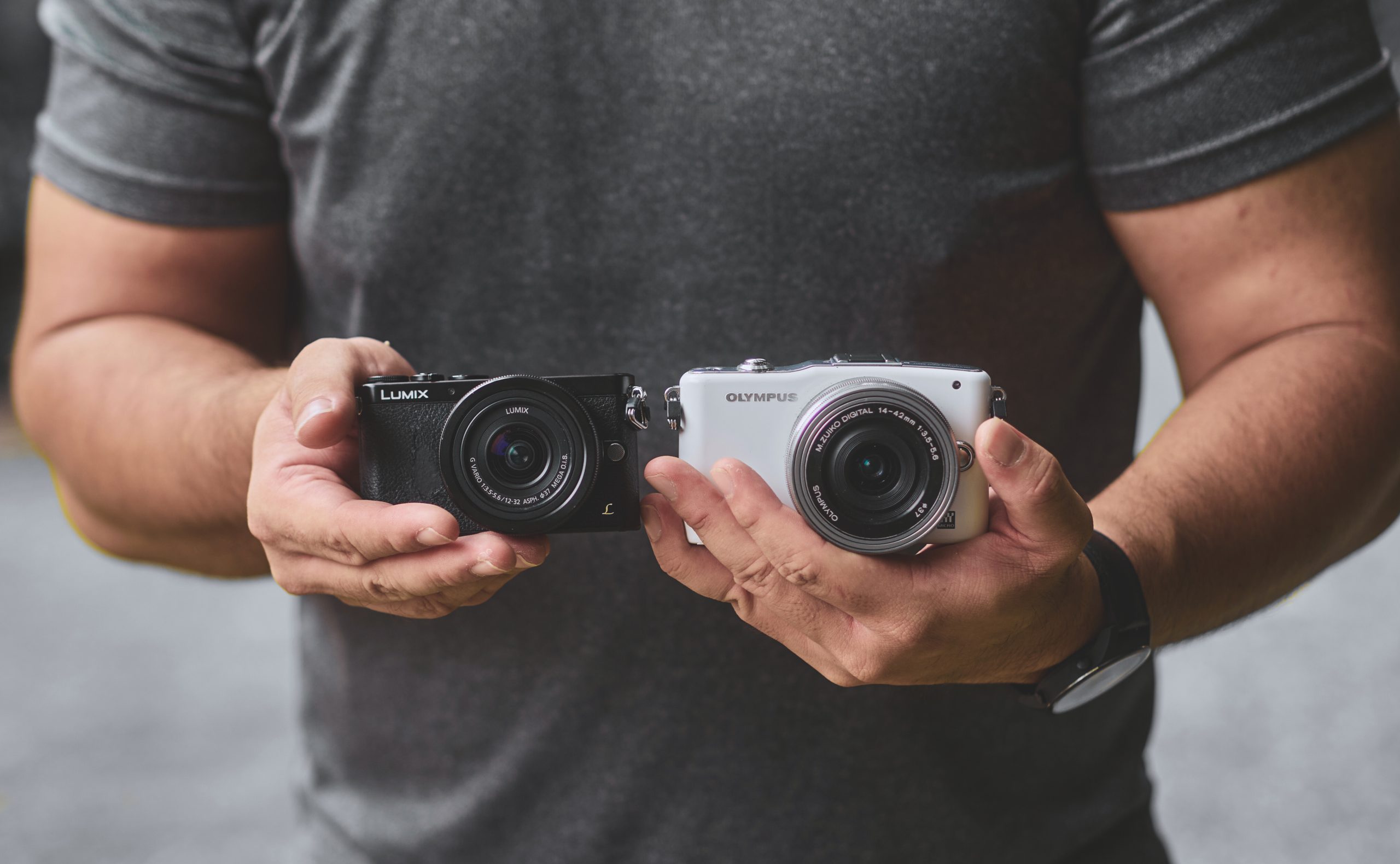
A Micro Four Thirds camera is a compact mirrorless camera system with a 4:3 sensor and interchangeable lenses.
If you are asking what is a micro four thirds camera, you are likely comparing camera size, image quality, lens choice, and cost. After years of using small mirrorless systems for travel, street photos, family events, and video, I have found that Micro Four Thirds offers a smart balance between portability and creative control. This guide explains how the system works, where it shines, and when another camera type may suit you better.
What Is a Micro Four Thirds Camera?
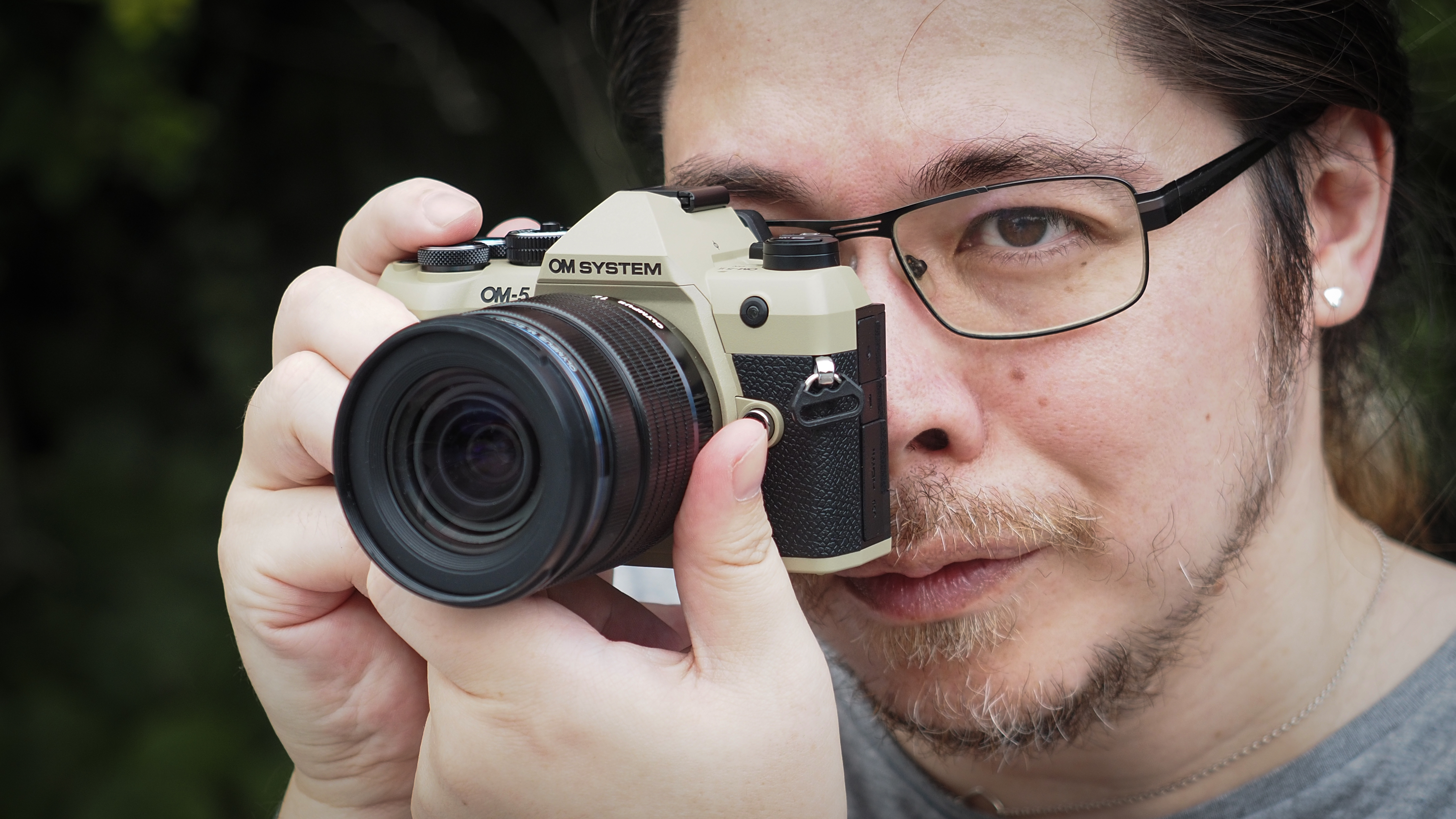
A Micro Four Thirds camera is a digital mirrorless camera that uses the Micro Four Thirds lens mount and a Four Thirds-type image sensor. The system supports interchangeable lenses, electronic viewfinders, manual controls, and advanced video features.
The sensor usually measures about 17.3 by 13 millimeters. It has a native 4:3 shape, which is slightly taller than the 3:2 shape used by most APS-C and full-frame cameras.
When people ask what is a micro four thirds camera, they often mean both the camera body and the wider system. This system includes cameras, lenses, flashes, batteries, and accessories made by several brands.
Micro Four Thirds cameras are mirrorless. They do not use the large optical mirror and prism found in traditional DSLR cameras. Instead, light travels through the lens and reaches the sensor all the time.
The camera then shows a live view on the rear screen or electronic viewfinder. This design allows for smaller bodies, quieter shooting, and useful features such as real-time exposure previews.
Source: lindsaydobsonphotography.com
How the Micro Four Thirds System Works
The name has two parts. “Four Thirds” refers to the sensor family and its 4:3 image shape. “Micro” refers to the smaller mirrorless mount design that removes the need for a DSLR mirror box.
The standard was created to support a shared lens mount. As a result, many Micro Four Thirds lenses can work across compatible camera bodies, though some features may vary by brand and model.
A Micro Four Thirds sensor has a 2x crop factor compared with a 35mm full-frame sensor. This does not mean the sensor crops the image after you take it. It means the smaller sensor shows a narrower field of view with the same focal length.
For example:
• A 25mm Micro Four Thirds lens gives a view similar to a 50mm lens on a full-frame camera.
• A 12mm lens gives a view similar to a 24mm full-frame lens.
• A 300mm lens gives a view similar to a 600mm full-frame lens.
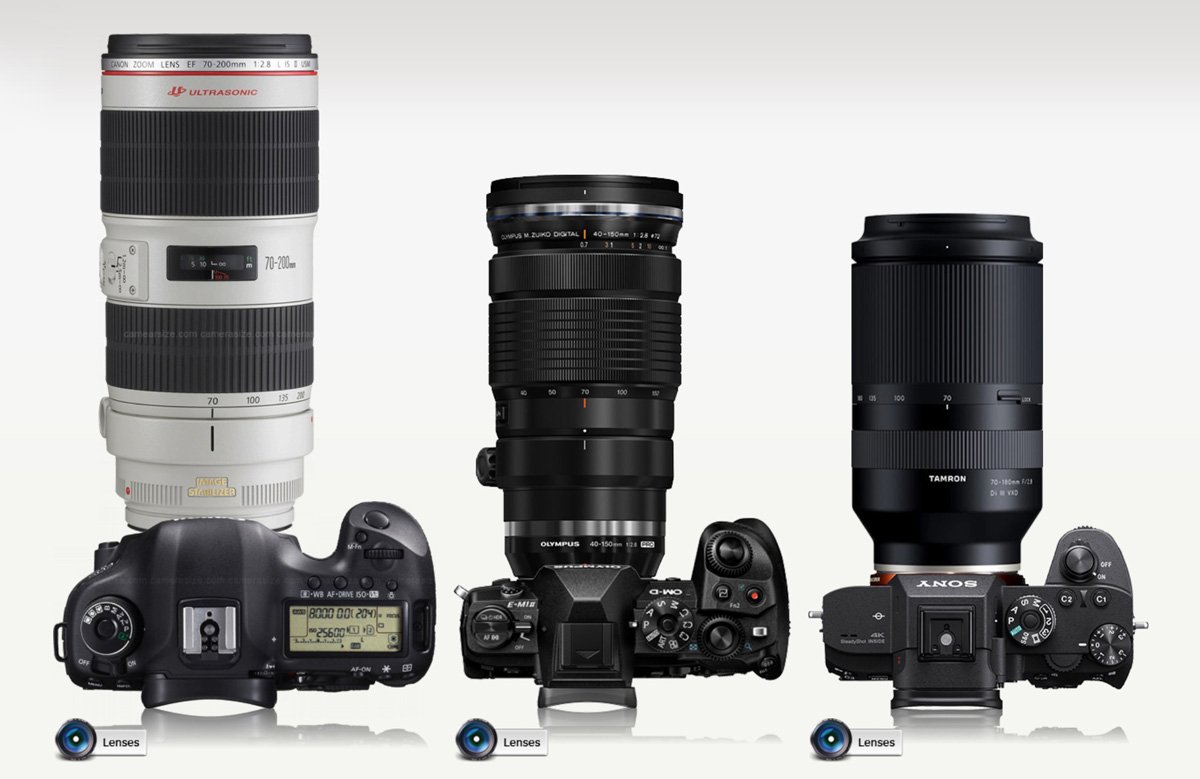
This is one reason Micro Four Thirds cameras are popular for wildlife, birds, sports, and travel. Long lenses can stay smaller and lighter while still providing a tight view.
The 2x factor also doubles the apparent depth of field at the same framing and aperture compared with full frame. This can help keep more of a subject sharp, but it can make very soft background blur harder to achieve.
Source: saintanthonysfestival.org
Main Features of Micro Four Thirds Cameras
The best way to understand what is a micro four thirds camera is to look at the features shared by most models. The exact specifications vary, but the system has several clear traits.
Small Mirrorless Bodies
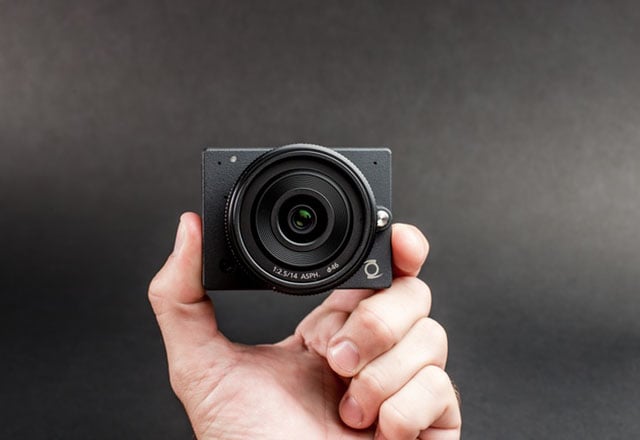
Micro Four Thirds cameras are often smaller than comparable APS-C and full-frame models. The difference becomes more noticeable when you add lenses.
A small body can fit into a daily bag instead of a large camera backpack. That matters because the camera you carry is more useful than the camera you leave at home.
Interchangeable Lenses
You can change lenses for different subjects and styles. Common options include:
• Wide-angle lenses for landscapes, rooms, architecture, and travel
• Standard lenses for daily photos and street work
• Portrait lenses for people and events
• Macro lenses for flowers, food, and small objects
• Telephoto lenses for wildlife, aviation, and sports
• Zoom lenses for flexible travel shooting
Electronic Viewfinders
Most Micro Four Thirds cameras use electronic viewfinders. You see a live preview of brightness, color, white balance, and exposure before pressing the shutter.
This can make learning photography easier. Instead of guessing how a setting will affect the photo, you can often see the result right away.
In-Body Image Stabilization
Many models include in-body image stabilization, often called IBIS. The camera moves the sensor to reduce the effect of hand shake.
IBIS is useful for still photos in dim light. It can also make handheld video smoother. However, stabilization cannot freeze a moving person or animal. You still need a fast shutter speed for moving subjects.
Strong Video Features
Micro Four Thirds cameras have a long history of offering useful video tools. Many models provide 4K recording, microphone inputs, headphone monitoring, flat color profiles, and flip-out screens.
Some advanced bodies also offer high frame rates, internal recording options, and strong stabilization. Video performance still depends on the specific camera, lens, codec, and recording mode.
Source: four-thirds.org
Benefits of a Micro Four Thirds Camera
What is a micro four thirds camera good for? It is especially useful when you want a light kit without giving up manual control or lens choice.
Portability
The main advantage is size. A small body with two or three lenses can weigh much less than a similar full-frame kit.
This is helpful for:
• Backpacking
• City walks
• Family trips
• Concert travel
• Hiking
• Street photography
• Everyday video
On a trip, I learned that carrying a smaller camera changed how often I photographed. I was more willing to take it out in a busy market or on a long trail. That practical benefit can matter more than small differences in lab tests.
Lower Cost
Many Micro Four Thirds lenses cost less than similar full-frame lenses. Used models can also offer excellent value.
A complete kit may include a camera body, a standard zoom, a small prime lens, and a telephoto lens without reaching the price of one high-end full-frame lens.
Prices vary by brand and age, so compare current specifications and condition. Older bodies may have weaker autofocus or lower video quality, but they can still produce excellent images.
Compact Telephoto Reach
The 2x crop factor is a major strength for distant subjects. A 100 to 400mm Micro Four Thirds lens offers a view similar to 200 to 800mm on full frame.
The actual focal length remains 100 to 400mm. The camera does not create extra optical detail. However, the framing makes distant subjects appear larger in the image.
This can help wildlife photographers who want reach without carrying a huge lens.
Deep Depth of Field
The smaller sensor can make it easier to keep more of a scene sharp. This helps with:
• Travel scenes
• Group photos
• Food photography
• Macro work
• Street images
• Documentary video
For the same framing and exposure, a Micro Four Thirds lens often gives more depth of field than a full-frame lens. That can reduce the need to stop down and may help in low light.
Quiet and Discreet Shooting
Many models offer silent electronic shutters. This is useful in museums, weddings, performances, and quiet street settings.
Electronic shutters can have limits. Fast movement or artificial lighting may cause distortion or banding. Use the mechanical shutter when you notice these problems.
Source: digitalcameraworld.com
Limitations of Micro Four Thirds Cameras
A balanced answer to what is a micro four thirds camera must include its limits. No camera format is best for every photographer.
Low-Light Image Quality
The smaller sensor generally collects less total light than a larger sensor at the same exposure settings. Modern processing has improved results, but full-frame cameras often have an advantage at high ISO.
This does not make Micro Four Thirds poor in low light. A fast lens, image stabilization, good technique, and noise reduction can produce strong results.
The biggest mistake is judging the system only by sensor size. The camera, lens, subject movement, lighting, and final output all matter.
Less Background Blur
Micro Four Thirds cameras can create soft backgrounds, especially with fast lenses and close subjects. Still, a full-frame camera usually makes very shallow depth of field easier.
If you enjoy portraits with an extremely blurred background, compare lenses rather than camera bodies alone. A 42.5mm f/1.2 lens creates a different look from a basic 42.5mm f/1.7 lens.
Autofocus Differences
Autofocus performance depends heavily on the model. Some newer cameras track people, animals, and vehicles very well. Older bodies may struggle with moving subjects or low contrast.
Before buying, check real-world tests for your intended use. A camera that is excellent for landscapes may not be ideal for birds in flight.
Smaller Controls
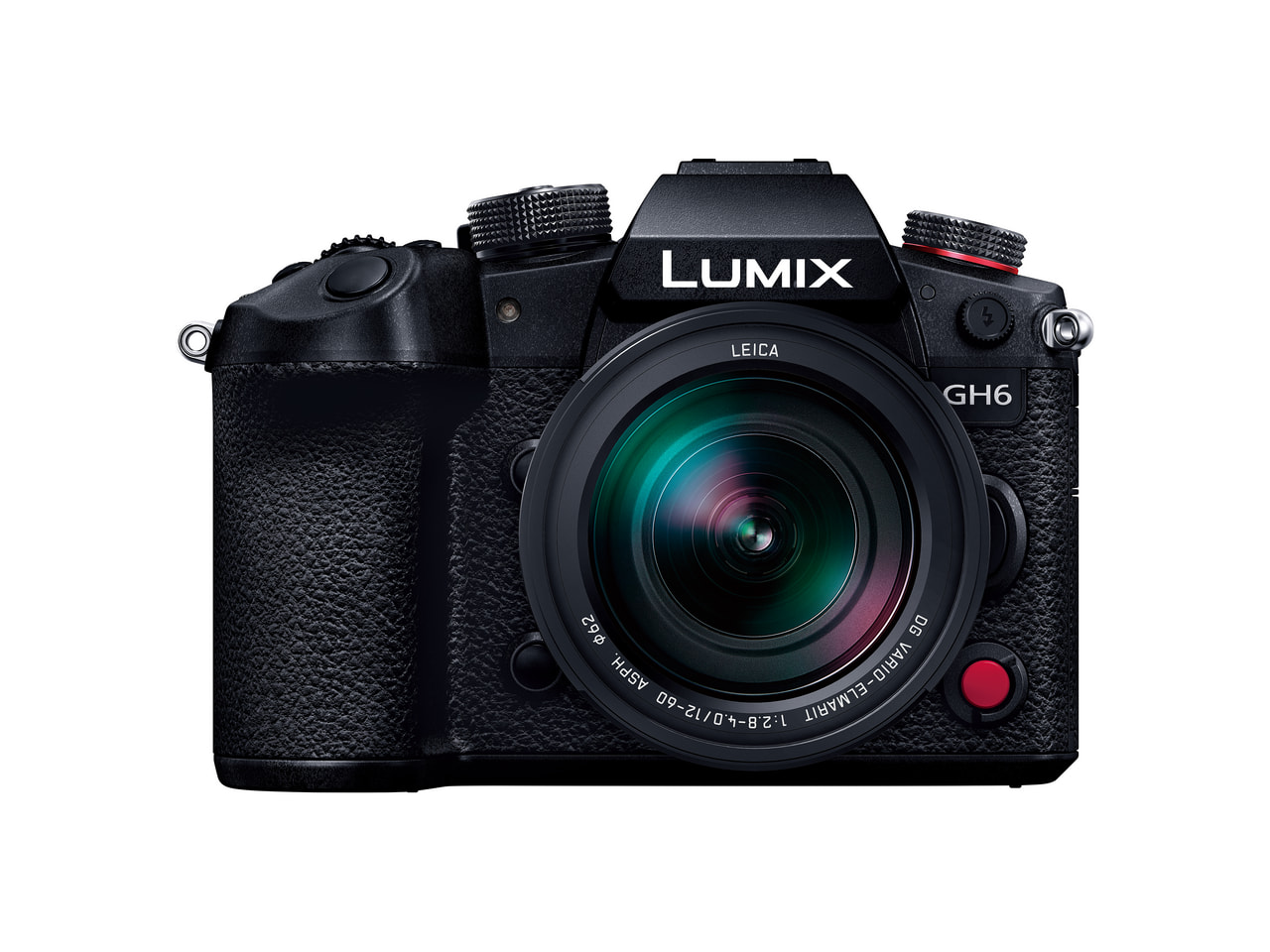
Compact bodies can feel crowded for people with large hands. Small buttons and short grips may also feel less comfortable during long sessions.
Try holding a camera before buying if possible. A slightly larger body may be worth it if it improves comfort and control.
System Direction
The Micro Four Thirds market remains active, but camera releases and lens choices change over time. Some photographers worry about long-term support.
The system still has a broad lens selection and a large used market. However, always check whether the lenses and accessories you want are available before investing.
Source: petapixel.com
Micro Four Thirds Compared With Other Camera Types
Understanding what is a micro four thirds camera becomes easier when you compare it with other formats.
Micro Four Thirds vs. Smartphone
A smartphone is smaller and always available. It also applies strong automatic processing, HDR, and computational sharpening.
A Micro Four Thirds camera offers:
• A larger sensor
• Real optical zoom
• Better control over shutter speed and aperture
• Interchangeable lenses
• More natural background separation
• Better handling with long shooting sessions
A phone may be the best choice for quick social posts. A Micro Four Thirds camera is better when you want control, lens flexibility, and a more deliberate photography process.
Micro Four Thirds vs. APS-C
APS-C sensors are larger and may offer better high-ISO performance and more background blur. Micro Four Thirds bodies and lenses are often smaller.
APS-C can be a strong middle ground. Micro Four Thirds may be the better fit for travel, telephoto reach, and lightweight video kits.
Micro Four Thirds vs. Full Frame
Full-frame cameras usually provide stronger low-light performance, wider dynamic range in some conditions, and easier shallow depth of field.
Micro Four Thirds systems are often cheaper, lighter, and easier to carry. A full-frame kit can deliver superb results, but its lenses may be large and expensive.
The best choice depends on your subject. For indoor events with poor light, full frame may help. For hiking with a long telephoto lens, Micro Four Thirds may feel much more practical.
Source: four-thirds.org
Who Should Buy a Micro Four Thirds Camera?
What is a micro four thirds camera for in everyday use? It suits people who value mobility, lens choice, and hands-on control.
Consider this system if you:
• Travel often and want a light kit
• Photograph wildlife or distant subjects
• Record video while walking or traveling
• Want a camera smaller than most full-frame systems
• Enjoy manual exposure and interchangeable lenses
• Need a lower-cost entry into serious photography
• Prefer deep focus for landscapes and documentary work
It may not be the best fit if you mainly shoot fast action in very poor light or want the softest possible background blur.
Beginners should also avoid buying too much gear at once. Start with one camera, one general-purpose zoom, and one small prime. Learn how those tools behave before adding more lenses.

Source: blogspot.com
How to Choose a Micro Four Thirds Camera
Use your subject and habits as the starting point. Do not choose a body only because it has the highest megapixel count.
1. Choose Your Main Subject
Think about what you photograph most:
• Travel: Look for a compact body, a versatile zoom, and reliable stabilization.
• Wildlife: Prioritize autofocus, burst speed, buffer size, and telephoto lens options.
• Video: Check recording modes, heat limits, microphone input, and screen movement.
• Portraits: Look for a comfortable grip, face detection, and fast prime lenses.
• Landscapes: Consider dynamic range, weather sealing, and high-resolution modes.
2. Check the Lens Range
The lens matters as much as the camera. Confirm that the system has the focal lengths and maximum apertures you need.
A camera body can be replaced later. A useful lens can serve you for many years.
3. Test the Handling
Look at the grip, controls, viewfinder, screen, and menu system. A camera with slightly lower specifications may be better if you can operate it quickly.
I once chose a smaller body for travel and later realized that its grip was too short for long telephoto use. The lesson was simple: specifications do not show how a camera feels in your hand.
4. Review Battery and Storage Needs
Electronic viewfinders and video use can drain batteries. Carry at least one spare battery for travel or long events.
Use a reliable memory card with enough speed for the camera’s video and burst modes. Check the camera manual for approved card types and capacities.
Source: thephoblographer.com
Practical Tips for Better Micro Four Thirds Photos
Once you understand what is a micro four thirds camera, good technique will help you get more from the system.
Use Fast Lenses in Dim Light
A lens with a wide aperture, such as f/1.8 or f/1.4, lets in more light. It can help keep ISO lower and shutter speed higher.
For indoor people photos, a fast prime lens often gives a clearer result than a slow kit zoom.
Watch Shutter Speed
Image stabilization reduces camera shake, but it does not stop subject movement. For a walking person, try a shutter speed around 1/125 second or faster. For sports, you may need 1/500 second or more.
These are starting points, not strict rules. Adjust them based on the subject and lens.
Learn the Crop Factor
Remember the 2x field-of-view conversion. A 20mm lens behaves like a 40mm lens in full-frame terms, while a 45mm lens behaves like a 90mm lens.
This makes lens selection easier. It also prevents confusion when comparing reviews from different camera formats.
Use RAW When You Need Flexibility
RAW files preserve more editing information than JPEG files. They are useful when you need to recover shadows, adjust white balance, or refine color.
JPEG is faster and easier for sharing. Choose RAW, JPEG, or both based on your workflow.
Protect the Sensor
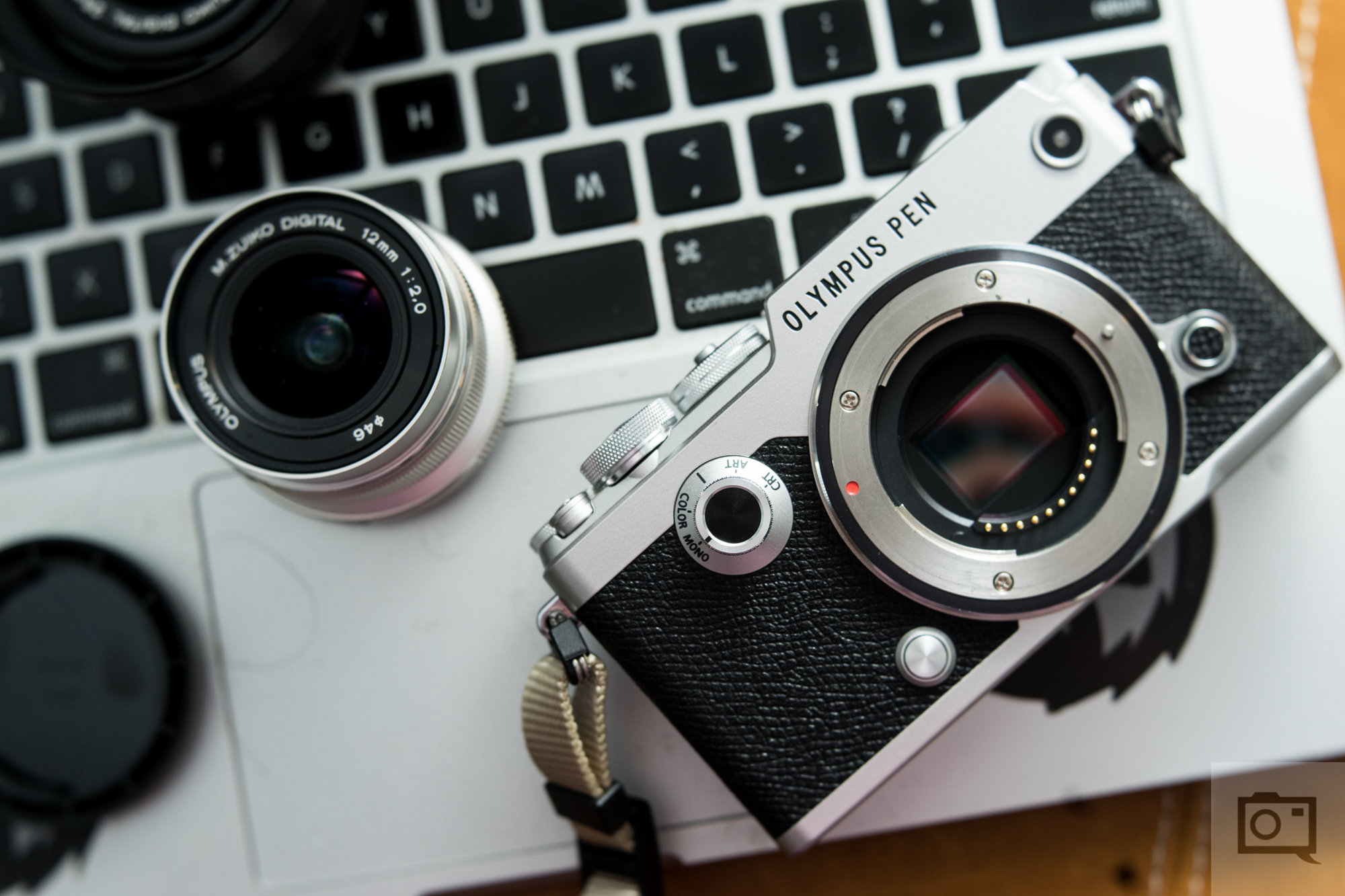
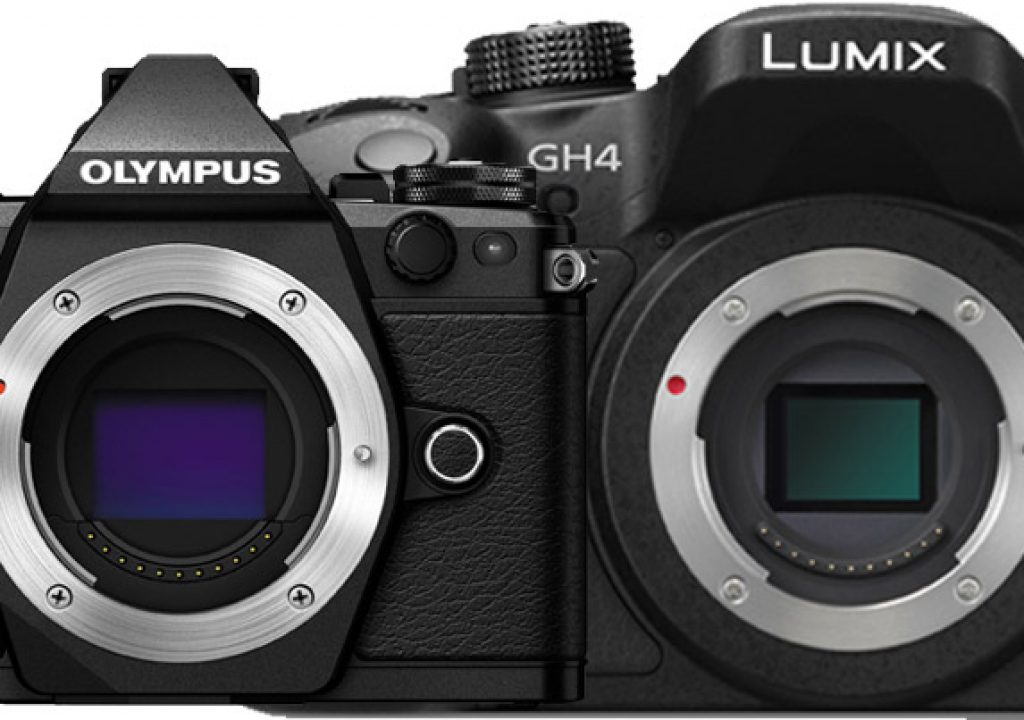
The exposed sensor area can collect dust when you change lenses. Change lenses with the camera facing downward and avoid swapping them in dusty or windy places.
Use the camera’s built-in cleaning mode first. Avoid touching the sensor unless you know how to clean it safely.
Source: provideocoalition.com
Frequently Asked Questions About What Is a Micro Four Thirds Camera
What is a Micro Four Thirds camera used for?
A Micro Four Thirds camera is used for travel, portraits, wildlife, landscapes, street photography, and video. Its small size and wide lens range make it useful for many types of shooting.
Is Micro Four Thirds better than full frame?
Neither format is always better. Micro Four Thirds is usually smaller and lighter, while full frame often performs better in very low light and creates shallower background blur.
Are Micro Four Thirds cameras good for beginners?
Yes. They offer automatic modes for beginners and manual controls for learning. A small body, simple zoom lens, and clear electronic viewfinder can make photography less intimidating.
Do Micro Four Thirds cameras have interchangeable lenses?
Yes. Interchangeable lenses are a central part of the system. You can use wide-angle, standard, portrait, macro, and telephoto lenses with a compatible Micro Four Thirds body.
What does the 2x crop factor mean?
The 2x crop factor means a lens shows a field of view similar to a lens with twice its focal length on a full-frame camera. A 25mm lens therefore gives a view similar to 50mm on full frame.
Is Micro Four Thirds good for video?
Yes. Many Micro Four Thirds cameras offer 4K video, image stabilization, microphone inputs, and useful video controls. Performance varies, so check recording limits, autofocus, and audio features for the model you plan to buy.
Conclusion
A Micro Four Thirds camera is a compact mirrorless system built around a 4:3 sensor, a shared lens mount, and a 2x crop factor. It offers light bodies, affordable lenses, strong portability, useful stabilization, and impressive telephoto reach.
Its main trade-offs are lower low-light performance and less natural background blur than larger formats. For many photographers, those limits are worth accepting because a smaller camera is easier to carry and more likely to be used.
Choose your camera based on your subjects, lenses, comfort, and budget. Then take it outside, practice often, and explore more photography guides to build your skills.
