

A digital rangefinder camera uses a viewing system that focuses through a separate rangefinder instead of a reflex mirror.
A digital rangefinder camera blends classic camera design with modern image sensors, memory cards, and digital controls. It can feel unusual at first, but its bright view, quiet operation, and direct controls make it a favorite for street, travel, documentary, and portrait photography. This guide explains how digital rangefinders work, what makes them different, and whether one belongs in your camera bag.
What Is a Digital Rangefinder Camera?
A digital rangefinder camera is a camera with a digital image sensor and a rangefinder focusing system. The rangefinder helps you focus by comparing two views of the subject. When the views line up, the subject is in focus.
Unlike a digital single lens reflex camera, a digital rangefinder camera does not usually show the image through the camera lens. Instead, you look through a separate optical viewfinder placed beside the lens.
This creates a small difference between what you see and what the lens captures. This difference is called parallax. Most digital rangefinders include bright frame lines that show the part of the scene the lens will record.
The Leica M11, Leica M10, and older Epson R-D1 are well-known examples. Some cameras, such as the Pixii models, also use a rangefinder design with modern digital features.
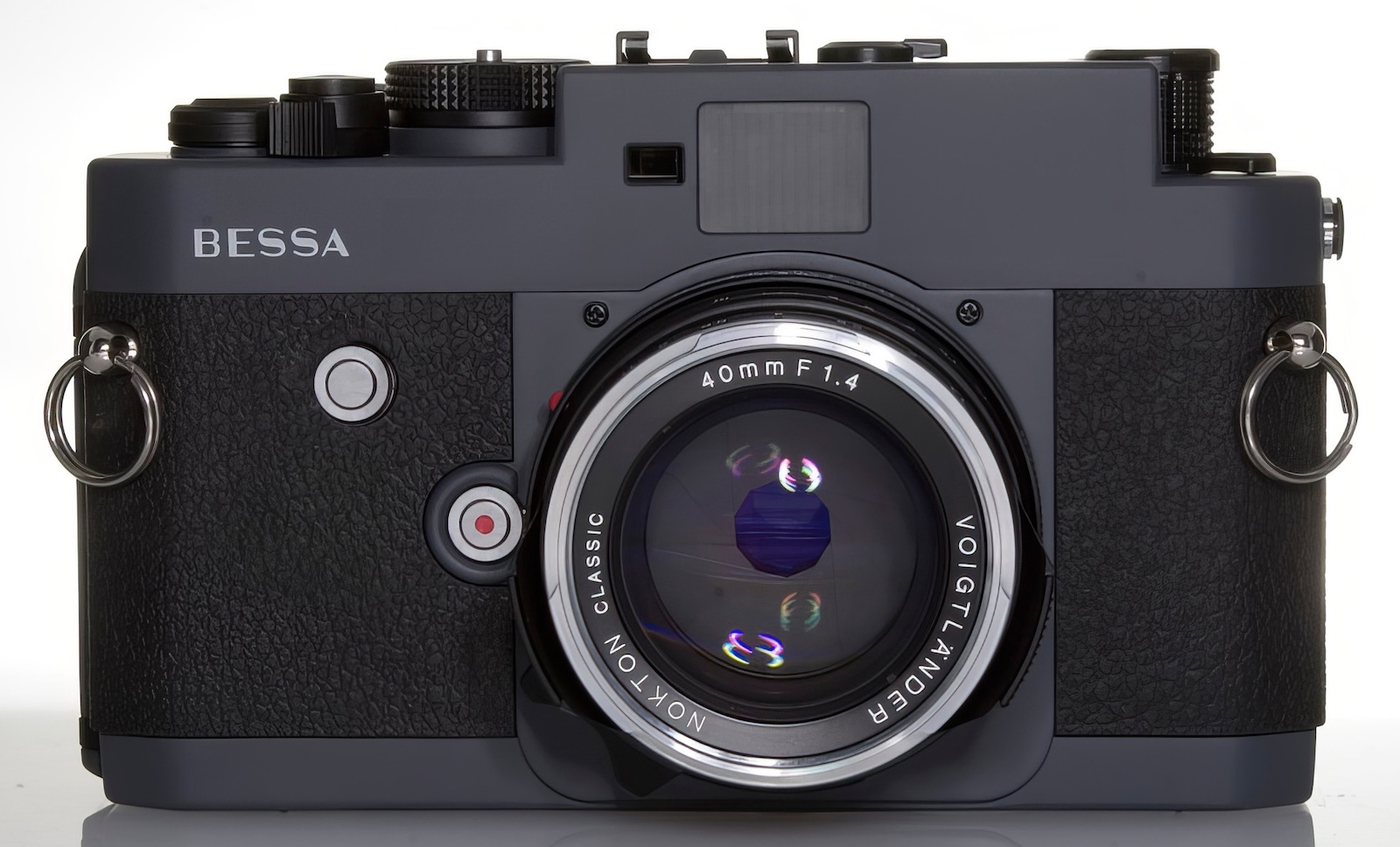
Source: leicarumors.com
How Does a Digital Rangefinder Work?
A rangefinder uses two separate optical paths. One view comes through the main viewfinder window. The other view comes through a small rangefinder window on the front of the camera.
Inside the camera, a mirror or prism system combines these views. You see a double image when the subject is out of focus. As you turn the focusing ring, the images move closer together. When they overlap, the lens is focused.
Think of it like matching two puzzle pieces. The camera does not measure focus by looking at the sensor. Instead, it measures the distance to the subject through the rangefinder mechanism.
The basic focusing process is simple:
- Look through the viewfinder.
- Place the rangefinder patch over a clear detail.
- Turn the lens focus ring.
- Stop when the double image becomes one image.
- Press the shutter button to take the photo.
This method can be very fast once you practice. It works best with subjects that have clear lines, strong contrast, or visible details.
Optical and Electronic Rangefinders
Most classic digital rangefinders use an optical rangefinder. You see the real world through glass, not through a screen. This gives the viewfinder a natural feel and very low delay.
Some modern cameras use electronic focusing aids. These may include focus peaking, magnified views, or an electronic viewfinder. Such cameras may offer a rangefinder-style experience without using a true mechanical rangefinder.
That difference matters. A true digital rangefinder camera has a separate optical viewfinder and a focusing patch. A rangefinder-style digital camera may only copy the shape or control layout.
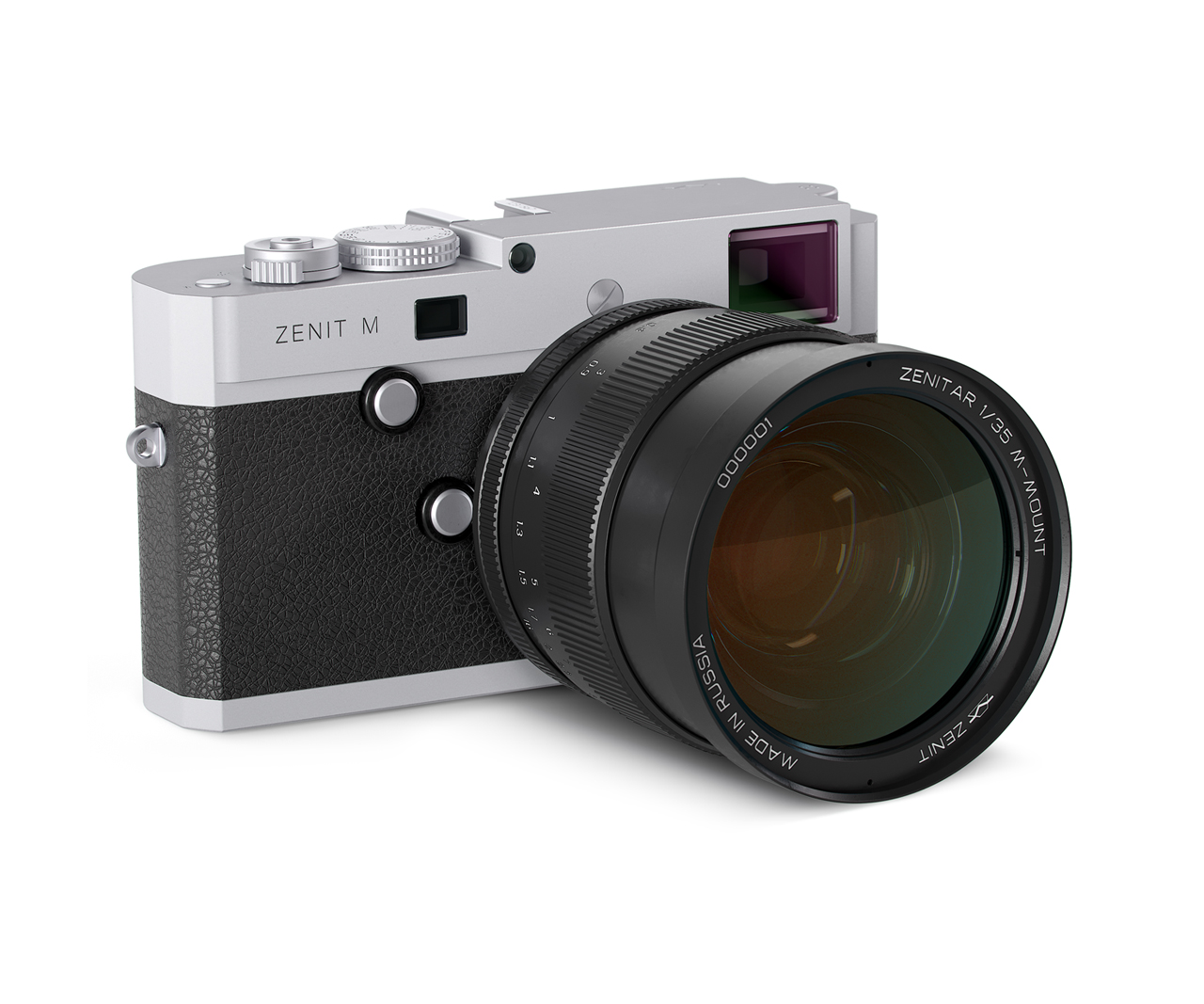
Source: zenit.photo
Digital Rangefinder vs. DSLR and Mirrorless Cameras
The main difference is how each camera focuses and shows the scene.
A DSLR uses a mirror and optical prism. Light passes through the lens, reflects upward from the mirror, and reaches the viewfinder. When you take a photo, the mirror moves out of the way.
A mirrorless camera removes the mirror. It uses the camera sensor to create an electronic view. You can often see exposure, white balance, and depth of field before taking the picture.
A digital rangefinder camera uses a separate optical viewfinder and a mechanical or electronic rangefinder focusing system. The lens view and the viewfinder position are not exactly the same.
Here is a simple comparison:
| Feature | Digital rangefinder camera | DSLR | Mirrorless camera |
|---|---|---|---|
| Viewfinder | Separate optical view | Through the lens | Usually electronic |
| Focusing | Rangefinder patch | Phase detection or contrast detection | Sensor-based autofocus or manual focus |
| Size | Often compact | Usually larger | Varies widely |
| Shutter sound | Often quiet | Can be loud | Often quiet or silent |
| Lens view | Shows outside the frame | Shows through the lens | Shows through the lens |
| Manual control | Strong | Varies | Varies |
| Learning curve | Moderate to high | Low to moderate | Low to moderate |
A digital rangefinder camera also lets you see outside the captured frame. This can help with street photography because you can watch a person enter the composition before pressing the shutter.
In contrast, a mirrorless camera shows the exact lens view. That makes it easier to judge exposure, depth of field, and focus before you shoot.

Source: leicarumors.com
Key Features of a Digital Rangefinder Camera
A digital rangefinder camera has several features that attract experienced photographers.
Separate Viewfinder
The viewfinder sits beside the lens rather than behind it. This creates a bright, open view of the scene. You may also see areas outside the selected frame, which helps you anticipate movement.
Manual Focus
Most rangefinder cameras rely heavily on manual focus. The focusing ring often has a smooth, precise feel. Many photographers enjoy this direct connection between hand movement and lens control.
Compact Body
Without a large mirror box, many digital rangefinder cameras can remain slim and light. The body may fit under a jacket or inside a small shoulder bag.
Quiet Shutter
Some models use a quiet mechanical shutter. Others offer an electronic shutter. This makes them useful in museums, weddings, events, and quiet streets.
Interchangeable Lenses
Many digital rangefinder cameras support interchangeable lenses. Wide lenses, normal lenses, and short telephoto lenses can each change the way you work.
Bright Frame Lines
The viewfinder may show frame lines for different focal lengths. You can compose with a 28mm, 35mm, 50mm, or 90mm lens without changing the viewfinder itself.
Minimal Distraction
A simple camera design can help you focus on timing and composition. There may be fewer menus and fewer automatic options competing for your attention.
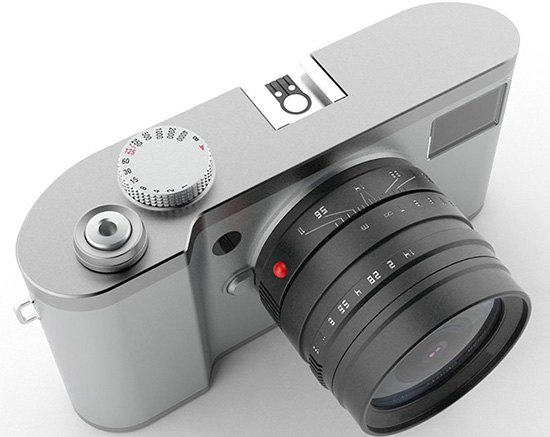
Source: photorumors.com
Benefits of Using a Digital Rangefinder Camera
A digital rangefinder camera can make photography feel more direct. You choose the aperture, shutter speed, focus, and moment with fewer layers between you and the subject.
Better Awareness of the Scene
Because the viewfinder does not show only the captured frame, you can notice what is about to enter the image. This is useful for street photography and candid portraits.
Fast Manual Focusing
Rangefinder focusing can be quick when the subject has contrast. With practice, you can focus while raising the camera and capture a moment before it disappears.
Strong Lens Design
Many rangefinder lenses are small and well made. Their simple optical designs can produce sharp images with distinctive contrast and gentle background blur.
Quiet and Respectful Shooting
A quiet camera draws less attention. This can help when photographing people in public places, family gatherings, or calm indoor spaces.
More Intentional Photography
A digital rangefinder camera often slows you down in a useful way. You may take fewer photos, but each frame can receive more thought.
Excellent Travel Size
A compact body and small lens can reduce the weight of a travel kit. This matters when you walk through a city all day or hike with other equipment.
In practical use, the biggest benefit is often not image quality alone. It is the way the camera encourages you to observe. The camera becomes less like a computer and more like a notebook for visual moments.
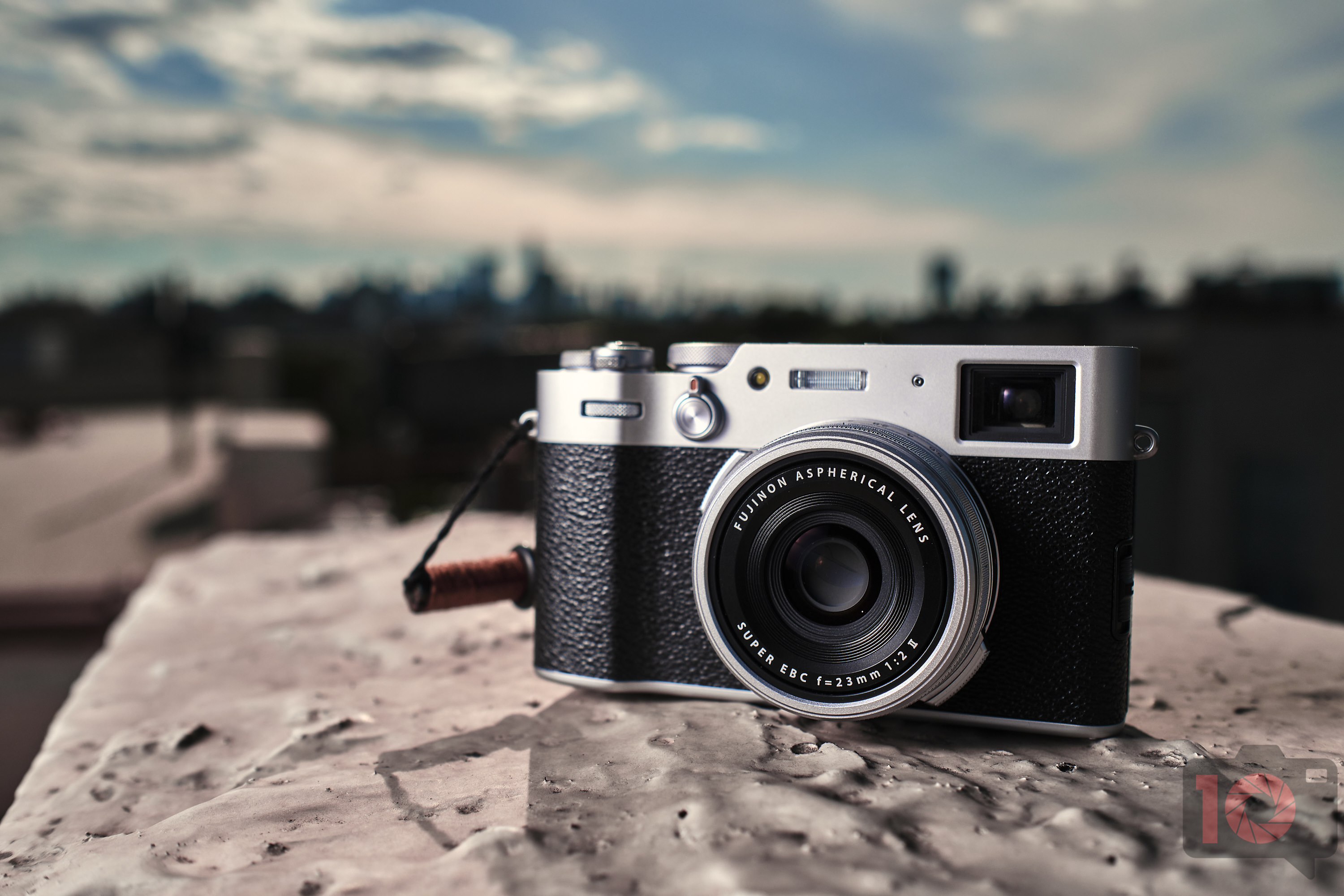
Source: thephoblographer.com
Limitations of a Digital Rangefinder Camera
A digital rangefinder camera is not perfect for every photographer. Its strengths come with tradeoffs.
Manual Focus Takes Practice
Rangefinder focusing may feel difficult if you have only used autofocus. Low light, low contrast, and fast movement can make the focusing patch hard to see.
Close Focus Can Be Limited
The optical viewfinder and lens sit in different positions. At short distances, parallax becomes stronger. Some rangefinder lenses also have a longer minimum focusing distance than modern mirrorless lenses.
Telephoto Lenses Are Less Practical
Long lenses can make the frame lines small and the focusing patch harder to use. A mirrorless camera with autofocus may be a better choice for sports, wildlife, and fast action.
Dust Can Affect the Sensor
Many rangefinder lenses sit close to the camera sensor. When changing lenses, dust can enter the body more easily. Regular care and safe lens changes are important.
High Cost
Some digital rangefinder cameras cost more than similarly capable mirrorless cameras. You may also pay more for compatible lenses and accessories.
Limited Automatic Features
A digital rangefinder camera may offer fewer autofocus modes, video tools, and subject tracking features. This is part of the appeal for some users, but it can frustrate others.
Frame Line Differences
The frame lines may not show the exact final image, especially at close distances. You need to understand how the camera corrects for parallax.
A common mistake is buying one because it looks beautiful, then expecting it to work like a modern autofocus camera. Before buying, decide whether you want a focused, manual experience or a fast, automated one.

Source: macfilos.com
What Kind of Photography Suits a Digital Rangefinder?
A digital rangefinder camera works especially well for photography that depends on timing, closeness, and quiet observation.
Good uses include:
• Street photography, where seeing outside the frame helps predict movement.
• Travel photography, where a small body and quiet shutter are useful.
• Documentary work, where a less intimidating camera can help subjects relax.
• Environmental portraits, where manual focus and wide lenses create a natural look.
• Family photography, when you prefer quiet operation and simple controls.
• Architecture and daily life, where careful composition matters more than fast autofocus.
A digital rangefinder camera may not be the best fit for:
• Wildlife photography with distant subjects.
• Sports photography with rapid movement.
• Fast wedding work that requires face and eye tracking.
• Macro photography at very close distances.
• Professional video production.
This does not mean you cannot use a digital rangefinder camera for these subjects. Skilled photographers can produce excellent work with almost any tool. The point is that some cameras make certain tasks easier than others.

Source: youtube.com
How to Choose a Digital Rangefinder Camera
Choosing a digital rangefinder camera requires more than checking megapixels. The focusing system, lens selection, viewfinder, and handling style matter just as much.
Check the Rangefinder Patch
The focusing patch should be bright and easy to see. Test it in both strong daylight and low light. A dim or poorly aligned patch can make manual focus frustrating.
Consider the Sensor Size
Many digital rangefinder cameras use a full-frame sensor. A full-frame sensor gives you a wide choice of lenses and a familiar angle of view.
Some models may use a smaller sensor. A smaller sensor can reduce camera size, but it changes the effective field of view of each lens.
Review Lens Availability
The lens system may matter more than the camera body. Check the cost, size, maximum aperture, and condition of lenses before you buy.
Popular focal lengths include:
• 28mm for broad street scenes and travel.
• 35mm for daily photography and environmental portraits.
• 50mm for natural-looking portraits and general use.
• 75mm or 90mm for tighter portraits and distant details.
Compare Digital Features
Look for the features you actually need:
• Sensor resolution.
• Battery life.
• Weather sealing.
• Wi-Fi or phone transfer.
• Electronic shutter options.
• Image stabilization.
• Video support.
• Raw file quality.
Buy Used With Care
Used rangefinder cameras can offer good value, but they require careful inspection. Check the rangefinder alignment, shutter accuracy, sensor condition, LCD screen, battery compartment, and lens mount.
Ask whether the camera has received a recent service. A professional inspection can cost less than repairing a neglected rangefinder later.
Practical Tips for Using a Digital Rangefinder
The best way to learn a digital rangefinder camera is to use it often. Start with one lens and one subject rather than changing equipment every few minutes.
Try these steps:
- Begin with a 35mm or 50mm lens.
- Practice focusing on signs, door edges, and faces with clear contrast.
- Use a moderate aperture such as f/4 or f/5.6 while learning.
- Keep the camera near your eye so you can react quickly.
- Watch the area outside the frame for movement.
- Review missed-focus images without blaming the camera.
- Clean the rangefinder windows and lens contacts with proper tools.
- Learn the camera’s frame lines before photographing close subjects.
One lesson many photographers learn is that focus errors often come from poor technique, not a faulty camera. Keep the focus patch on a clear detail, hold the camera steady, and avoid turning the focus ring after you have aligned the image.
For street work, zone focusing can also help. Set a suitable aperture and focus distance in advance. Then estimate the distance to your subject and press the shutter when the moment appears.
Digital Rangefinder Image Quality
Image quality depends on the sensor, lens, exposure, processing, and technique. The rangefinder system itself does not automatically create better images.
A high-quality lens can provide strong detail, good contrast, and attractive background rendering. The sensor affects dynamic range, noise, color, and the ability to recover shadow detail.
Raw files give you more editing flexibility than JPEG files. They can help you adjust exposure, white balance, and highlights after the photo is taken.
Still, expensive equipment does not replace good light or good timing. A well-composed photo from an older digital rangefinder camera can be more powerful than a poorly timed image from a newer camera.
When testing a camera, compare real images rather than only reading specifications. Photograph skin tones, fine details, bright windows, dark shadows, and moving subjects. These tests reveal more than megapixel counts.
Common Mistakes to Avoid
New users often make a few predictable mistakes with a digital rangefinder camera.
• Buying the body before researching lens prices.
• Assuming the camera will focus like a modern mirrorless model.
• Using a long lens before learning the focusing patch.
• Ignoring parallax at close distances.
• Relying on the rear screen instead of learning the viewfinder.
• Shooting wide open in low contrast and expecting perfect focus.
• Changing lenses in dusty or windy places.
• Treating a premium camera as a substitute for practice.
My practical advice is simple: rent or borrow one first if possible. Spend a full day using manual focus. Photograph people, signs, buildings, and moving subjects. You will quickly learn whether the camera feels natural or tiring.
Is a Digital Rangefinder Worth It?
A digital rangefinder camera can be worth the cost if you value manual control, compact lenses, quiet shooting, and a focused photographic process.
It may not be worth it if you need fast autofocus, advanced video, image stabilization, or a lower purchase price. A modern mirrorless camera can often provide more features for less money.
The right choice depends on your habits. If you enjoy slowing down, watching the scene, and making deliberate choices, a digital rangefinder camera may become a rewarding long-term tool.
If you mainly photograph sports, children running indoors, wildlife, or commercial video, another camera type may serve you better.
Frequently Asked Questions
What is a digital rangefinder camera used for?
A digital rangefinder camera is commonly used for street, travel, documentary, portrait, and everyday photography. Its quiet operation, compact design, and manual focus suit photographers who value timing and direct control.
How does a digital rangefinder focus?
It focuses by combining two images in a rangefinder patch. You turn the lens focus ring until the two images line up as one clear image.
Is a digital rangefinder camera the same as a mirrorless camera?
No. Both can use digital sensors and lack a DSLR mirror, but a true digital rangefinder camera uses a separate optical viewfinder and rangefinder focusing system. Many mirrorless cameras use an electronic viewfinder and sensor-based autofocus instead.
Are digital rangefinder cameras hard to use?
They can be difficult at first because manual focus and parallax require practice. Most users improve quickly by starting with one lens and practicing on clear, high-contrast subjects.
Can a digital rangefinder camera shoot video?
Some models can record video, but video is not usually their main strength. A modern mirrorless camera is often better for autofocus, stabilization, audio control, and video monitoring.
Do digital rangefinder cameras take better photos?
Not automatically. They can produce excellent images when paired with a good lens and skilled technique, but image quality also depends on lighting, exposure, composition, and timing.
What is the best lens for a digital rangefinder camera?
A 35mm or 50mm lens is a strong starting point. A 35mm lens gives a wider view for streets and travel, while a 50mm lens offers a natural perspective for portraits and daily photography.
Conclusion
A digital rangefinder camera combines a digital sensor with a separate optical viewfinder and rangefinder focusing system. It offers quiet operation, compact design, clear manual control, and a unique way to see the world beyond the captured frame.
Its limits are just as important. Manual focus takes practice, close subjects can be tricky, long lenses are less convenient, and the cost may be high. The best camera is the one that matches your subjects, skills, and preferred way of working.
If the experience appeals to you, try a digital rangefinder camera with one simple lens before building a full system. Practice focusing, study the frame lines, and spend time observing before you press the shutter. Explore more camera guides, test equipment in real situations, and share your own experience with rangefinder photography.
