
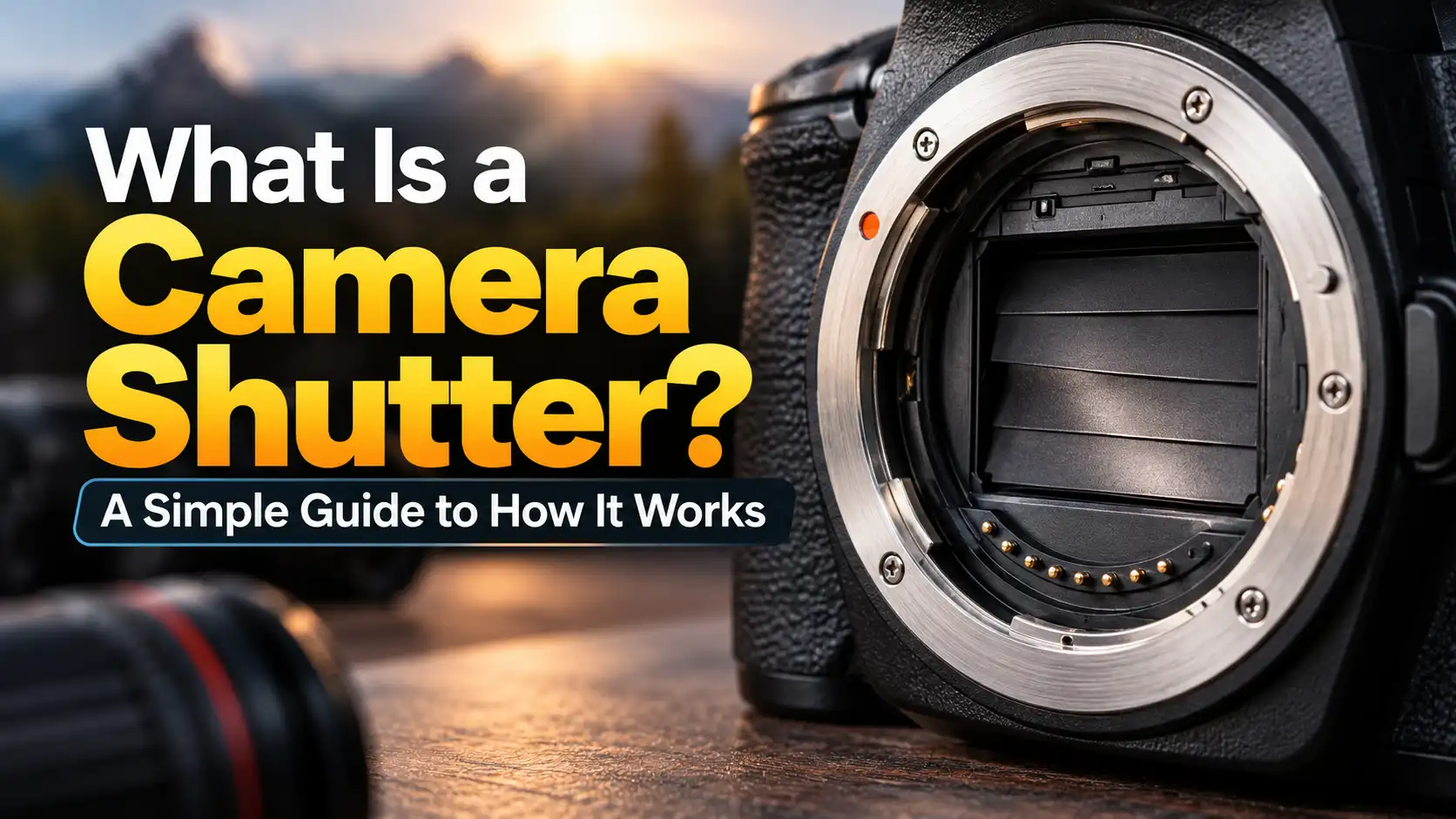
A camera shutter is a small curtain inside your camera. It blocks light from hitting the digital sensor. When you press the button, this curtain opens fast.
Light rushes in to make your photo. I remember my first time changing shutter speeds on a manual camera. It changed how I view photography forever.
Let us look closely at what this vital part does.
What Is a Camera Shutter?
The shutter acts like a gate for your camera sensor. It stays shut most of the time to keep light out. This keeps your digital sensor dark and safe.
Here is a quick look at main shutter terms. I study these simple concepts to master my craft.
| Term | Meaning | Impact |
| Shutter | The light gate | Controls exposure |
| Speed | Time it stays open | Stops motion |
| Sensor | The light catcher | Records the photo |
These basic terms help me understand my camera better. When you take a picture, the gate opens fast. Light rushes in, and then the gate shuts quickly.
Now we will see how this small gate moves.
How Does a Camera Shutter Work?
When you press the button, a motor moves the first curtain. It slides down fast to uncover the digital sensor. Light hits the pixels right away.

Next, a second curtain slides down to cover the sensor up. This exact timing controls how much light gets in. A fast move lets in a tiny bit of light.
I love watching this mechanical process in slow motion. It is amazing how fast these tiny parts can move inside the body.
Timing is the real secret to great photos.
The Role of Shutter Speed
Shutter speed is how long the gate stays open. We measure this time in simple fractions of one second. Fast speeds freeze things that move quickly.
This chart shows how different speeds change your shots. I look at this math before every big job.
| Speed | Light Amount | Best Use Case |
| 1/1000s | Very little | Freezing sports |
| 1/60s | Medium amount | Walking people |
| 2 seconds | A whole lot | Night skies |
I use this basic math to plan my daily shoots. A slow speed works best for night skies or big waterfalls. It lets in lots of light over a long time.
Modern cameras use a few different ways to block light.
Mechanical vs Electronic Shutters
A mechanical shutter uses real physical curtains. You can hear a loud click when it takes a photo. I enjoy that solid sound when I work in the studio.
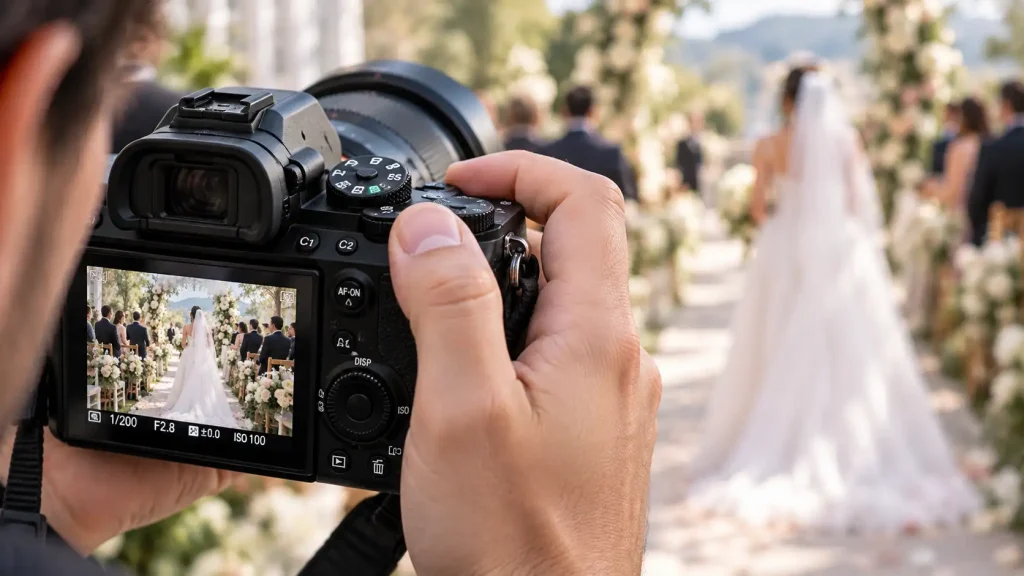
An electronic shutter has no moving parts at all. The camera just turns the sensor on and off very quickly. This mode makes zero noise when you shoot.
I switch to the electronic mode for big weddings. It lets me take quiet photos without making a single sound.
Let us look deeper at the physical type first.
Mechanical Shutter Basics
Physical shutters use tiny blades made of metal or strong carbon. These blades move up and down in a sudden flash. They wear out over time like any moving car part.
I always check the life rating before I buy gear. A good camera lasts for many years of heavy use. Here are the common traits of mechanical types:
-
They make a loud clicking noise.
-
They prevent weird shapes in moving subjects.
-
They sync very well with studio flash lights.
-
They have a hard top speed limit.
-
They shake the camera a tiny bit.
I clean my mechanical parts often to keep them safe. It takes a few extra minutes, but it saves me money.
Next, we will explore the silent digital option.
Electronic Shutter Basics
Digital shutters read the sensor one thin line at a time. They scan the light starting from the top down to the bottom. Because they do not move, they never break down.
Here is a brief look at the two main modes. I compare them often to find the best tool.
| Feature | Mechanical | Electronic |
| Noise Level | Loud click | Totally silent |
| Top Speed | Around 1/8000s | Up to 1/32000s |
| Moving Parts | Yes | No |
I switch between these modes based on my exact need. Electronic scanning lets you shoot way faster than physical blades allow. I use this speed to shoot fast birds in flight.
A new camera tech fixes the bent image problem.
What Is a Global Shutter?
A global shutter reads the whole sensor at one time. It does not scan the light line by single line. Every single pixel turns on at the exact same moment.
This means fast things never look bent or warped at all. I tested one recently, and it blew my mind completely. A fast golf club looked perfectly straight in the final photo.
This new tech costs a lot of money right now. But it will change how we all shoot sports very soon.
Let us talk about that weird bending effect.
Understanding Rolling Shutter Effect
The rolling effect happens with standard electronic scanning modes. Since the sensor scans down, the subject might move mid scan. A fast car will look like it is leaning way forward.

This list shows when you might see the rolling effect. I check these risks in my head before action shoots.
| Situation | Risk Level | How to Fix |
| Golf swing | Very high | Use mechanical mode |
| Fast panning | High | Move camera slower |
| Portrait photo | Very low | Electronic is fine |
I try to avoid this effect on all my jobs. You can fix this by using the physical mechanical mode instead. It covers the sensor fast enough to stop the bend.
Using artificial light requires good timing.
How Shutter Syncs With Flash
Your camera flash must fire exactly when the gate opens. If the flash fires late, a black bar ruins the photo. We call this dark bar a sync issue.
Most cameras sync with flash at around one two-hundredth second. I check this strict speed limit before every big studio session. If you shoot faster, you need a special flash mode.
This special mode pulses the light extremely fast over time. I use it to shoot bright portraits outside in the hot sun.
Physical camera parts do not last forever.
Shutter Wear and Tear
Every mechanical click adds wear to the tiny fragile blades. Makers test them for a set number of loud clicks. Most pro cameras last for two hundred thousand clicks total.
I always treat my cameras with very great care. I try not to shoot long bursts if I do not need them. This simple habit keeps my heavy gear working much longer.
When the blades break, you will see dark bad bands. Sometimes the camera just gives you a basic error code. You can send it to a shop for a quick fix.
You can take steps to keep your gear safe.
How to Protect Your Camera Shutter
The best tip is to turn off your camera often. Many cameras close a shield when they power down completely. This keeps bad dust off the blades when you change lenses.
I always point my camera down when swapping a clean lens. Gravity keeps loose dirt away from the fragile inner parts. Never touch the thin blades with your bare fingers or tools.
If dirt gets inside, use a simple rubber air blower. A soft puff of clean air cleans things right up. I clean my gear after every single outdoor work trip.
You can use this camera part to make true art.
Creative Uses for Shutter Speed
A very slow speed can make a busy street empty. The moving cars and walking people just blur into pure nothingness. I love using this cool trick in crowded city squares.
You can also try panning with a fast moving car. You move the camera along while the gate stays wide open. The car looks sharp, but the background gets very blurry.
This simple technique makes the car look incredibly fast. It takes some practice, but the raw results always look amazing.
Video work brings some different rules to the table.
Why the Shutter Matters for Video
When you shoot video, the rules change a tiny bit. You want the motion to look smooth and very real. A fast speed makes video look choppy and too harsh.
This table shows the best speeds for standard video work. I stick to these numbers on all my big video shoots.
| Frame Rate | Best Speed | Look and Feel |
| 24 frames | 1/50 second | Classic movie look |
| 30 frames | 1/60 second | Smooth TV look |
| 60 frames | 1/120 second | Crisp slow motion |
We use the one eighty rule for basic video work. You double your frame rate to find your best speed. This math gives the video a nice soft blur.
Let us answer some common questions you might have.
Frequently Asked Questions
What is a camera shutter count?
It is the total number of photos a camera has taken. I think of it like car mileage. You can check it to see how much life is left.
Can a broken shutter be fixed?
Yes, a repair shop can replace the broken mechanical blades. It costs a bit of money, but it works very well. I had one fixed, and it felt like a brand new camera.
Should I use the silent mode all the time?
I do not use it for fast action sports shots. It can make moving things look weird or bent. I only use it when I need to stay very quiet.
Does shutter speed change picture brightness?
Yes, a slow speed lets in lots of bright light. A fast speed makes the photo look dark. I balance this speed with my lens opening to get good light.
How long does a camera shutter last?
Most last for over one hundred thousand clicks. Pro models can go up to half a million total clicks. I rarely worry about it unless I buy very old used gear.
Does a faster shutter mean a better camera?
Not always, but a fast limit helps for bright days. Most people never need to shoot that extremely fast. I care more about good focus than extreme speed.
Here are my final thoughts on this vital topic.
Conclusion
A camera shutter is a simple but vital tool. It controls light and helps you freeze time perfectly. I hope this guide helps you feel more confident on your next big shoot.
