

Have you ever wondered how a camera works in real life? I asked this exact question when I bought my first camera. The whole process felt like pure magic back then.
A camera is just a dark box that traps light rays. In my years of shooting, I learned that all gear does the same basic job. The camera grabs the light and saves a clear picture.
Let us look at the main idea behind taking a photo.
The Basic Concept Of A Camera
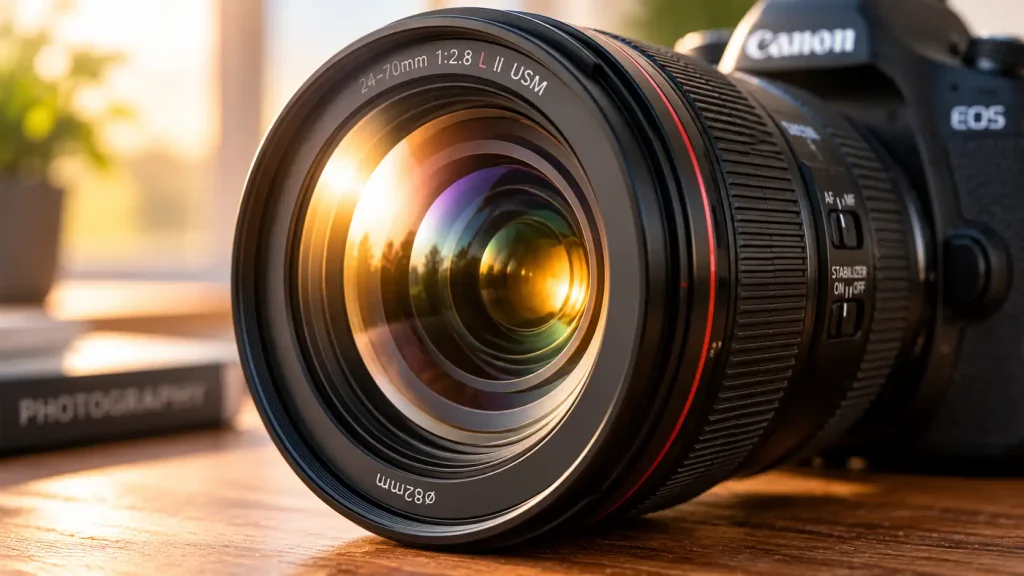
When I press the main button, a hole opens up fast. Bright light pours into the dark body of the camera. The light travels straight to the back wall inside.
In the old days, film waited at the back wall. Now, a smart digital chip sits there to catch the rays. I love how fast these modern chips grab the whole scene.
We must see how light gets inside the box first.
Light Entering The Box
Light needs a clear path to get inside the dark body. A camera uses a hole in the front to let rays pass. I always clean my glass to keep this path totally clear.
We can change the exact size of that front hole. A big hole lets in lots of light very fast. A small hole needs more time to catch enough bright light.
Here is a quick look at hole sizes and light levels. I keep these simple facts in mind on every single shoot.
| Hole Size | Light Amount | Best Time To Use |
| Large Hole | Lots of light | Dark rooms |
| Medium Hole | Fair light | Cloudy days |
| Small Hole | Low light | Bright sunny days |
This basic chart helps me pick the right camera settings. I change the hole size as the sun moves across the sky. It keeps my photos looking great all day long.
Next, let us talk about the glass parts up front.
The Role Of The Lens
A lens is just a metal tube full of curved glass. I attach a heavy lens right to the front of my camera. The thick glass bends the bright light rays inward.
The bent light comes together at one single point inside. This sharp point hits the sensor at the back wall. The lens makes sure the final picture looks crisp and real.
Now we can discuss the opening hidden inside that lens.
Understanding The Aperture
The aperture is the adjustable hole inside the glass lens. I can make this hole wider or thinner with a dial. It works just like the dark pupil in my own eye.
When I walk into a dark room, my eye opens wide. The camera lens does the exact same thing for me. I open the aperture wide to shoot deep into the night.
Let us see how the aperture changes the whole background.
Depth Of Field Basics
Depth of field means how much of the scene is sharp. A very wide aperture gives a shallow depth of field. Only the main subject stays sharp in my view.
A small aperture keeps everything crisp from front to back. I use a small aperture when I shoot huge wide landscapes. It keeps the near trees and far hills perfectly sharp.
I use a simple mental guide for depth of field tricks. It helps me choose the right blur effect very fast.
| Aperture Size | Focus Depth | Best Use Case |
| Very Wide | Very Shallow | Single faces |
| Medium Size | Moderate Depth | Small groups |
| Very Small | Deep Focus | Big landscapes |
I refer to this rule on every single photo walk. It saves me time when the light changes fast outdoors. I just spin the main dial and take the shot.
Another part controls exactly how long light comes inside.
The Shutter Mechanism Explained
The shutter is a fast door inside the camera body. It sits right in front of the flat image sensor. It stays tightly shut until I decide to take a picture.
When I press the button, the door snaps open fast. Light hits the sensor for a split second of time. Then the heavy door slams shut again with a loud click.
We can use the door speed for very cool effects.
Freezing And Blurring Motion
I love shooting fast cars and running dogs at the park. For these, I use a very fast shutter door speed. The quick snap freezes the fast motion perfectly in place.
Sometimes I want the motion to look smooth and soft. I use a slow shutter speed for falling water and rivers. The moving water turns into a soft white mist.
Here is how I match door speed to moving subjects. It takes some practice to get it exactly right.
| Door Speed | Effect On Motion | Good For |
| Very Fast | Freezes action | Sports shots |
| Medium Speed | Normal look | Walking people |
| Slow Speed | Soft blur effect | Flowing water |
These door speeds give me total control over lost time. I can freeze a flying bird or blur a busy river. The final artistic choice is always up to me.
Now we must look at the smart digital chip.
The Image Sensor Magic
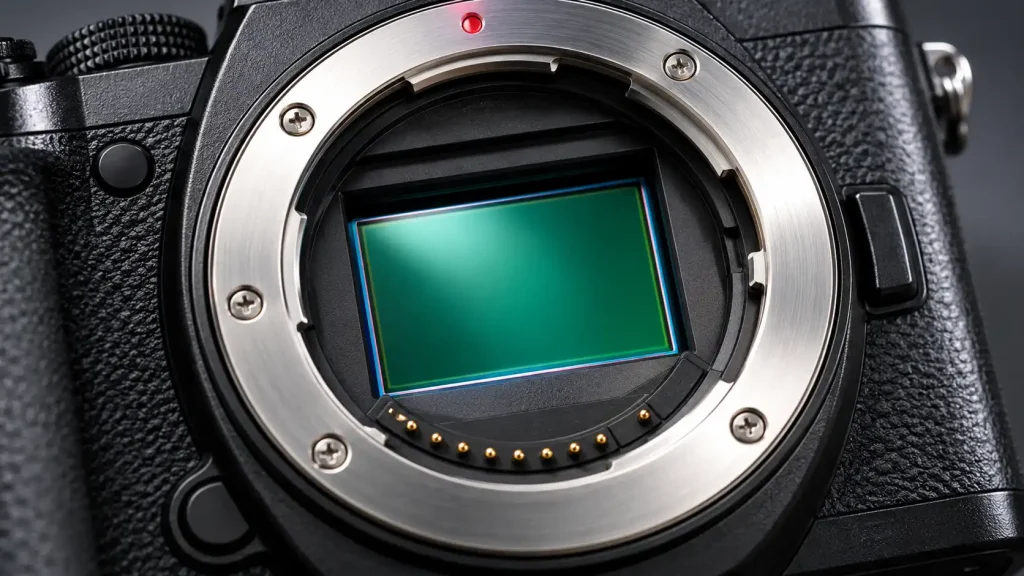
The image sensor is the true heart of my camera. It is a flat square hidden deep inside the dark body. It takes the place of old school plastic film.
This square is covered in millions of tiny light buckets. These little buckets catch the bright rays that hit them. Each bucket makes one small pixel in my final photo.
Here is a quick list of sensor facts to know.
Catching The Light Rays
-
Tiny buckets catch the light rays all day.
-
More light always means a cleaner final picture.
-
The camera brain turns the light into math.
-
The math gets saved to a fast memory card.
I think of light rays as drops of falling rain. The flat sensor catches the rain drops in the tiny buckets. The camera brain measures how full each little bucket gets.
Sensors come in a few different physical shapes and sizes.
Sensor Sizes Matter
Big sensors catch way more light than small sensors do. I use a big full-frame sensor for my paid work. It gives me very clean shots at night.
Smaller sensors are much cheaper and easier to make. They make the whole camera body light and small. I like small cameras for long sunny travel days.
Sensor size changes how my gear feels and acts outdoors. Here is a brief look at the main sensor types.
| Sensor Size | Light Gathering | Best Trait |
| Full Frame | Huge amount | Clean dark shots |
| APS-C | Good amount | Light weight |
| Micro Four Thirds | Fair amount | Very small lenses |
Each size has a perfect use case for my work. I own both big and small cameras right now. I pick the right tool for the specific daily job.
We can also boost the light signal inside the brain.
ISO And Digital Gain
ISO tells the sensor how hard to look for light. A low ISO number means the sensor is totally relaxed. I keep my ISO low when the bright sun is out.
When the sun goes down, I raise the ISO number. This makes the sensor much more sensitive to dark shapes. It boosts the weak light signal up high.
Boosting the weak signal comes with a heavy visual cost.
The Cost Of High ISO
High ISO makes the photo look rough and very grainy. We call this rough look digital noise in the industry. It looks like tiny colored sand all over my photo.
I try to avoid noise whenever I possibly can. A clean shot always looks much better in large prints. I only raise the ISO if I really must do it.
I use this basic guide for my daily ISO settings. It keeps my shots looking clean and very sharp.
| ISO Number | Light Level | Noise Level |
| ISO 100 | Bright sun | No noise |
| ISO 800 | Shade or indoors | Tiny bit of noise |
| ISO 6400 | Dark night | Heavy noise |
I check the sun before I pick my ISO number. Good light means I get a clean digital file. Bad light means I have to accept some noise.
The camera must also make the main subject look sharp.
How Focus Works
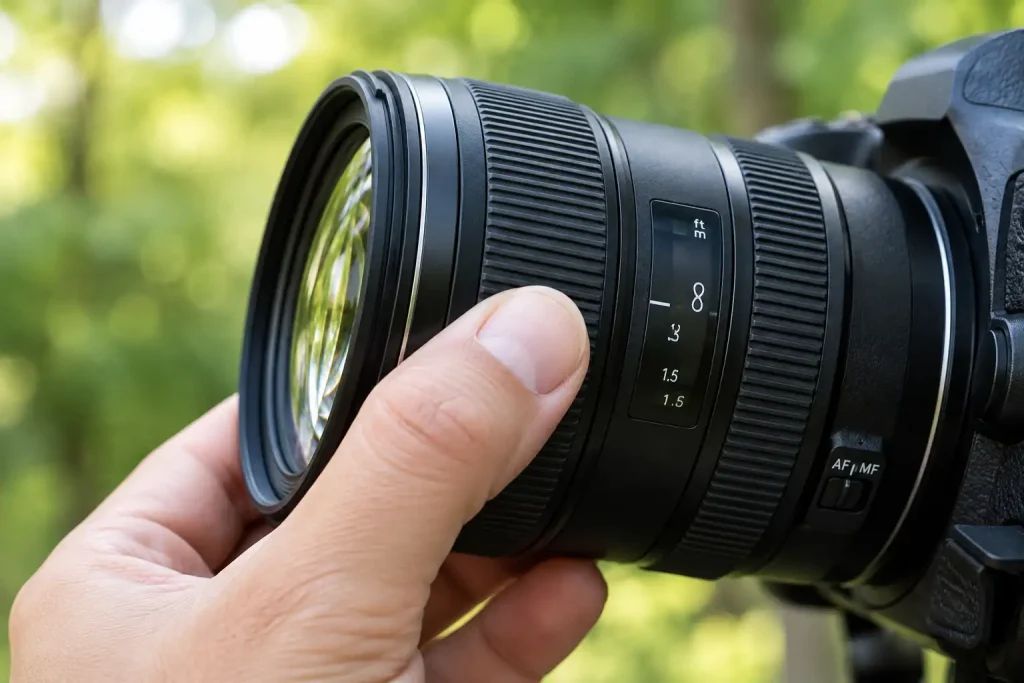
The lens glass moves back and forth to find focus. I can turn a ring to move the glass myself. The smart camera can also move the heavy glass for me.
When the glass hits the right spot, the subject gets sharp. I always aim for the eyes when I shoot a face. Sharp eyes make the whole photo feel totally alive.
There are two ways to get things sharp and clear.
How Does a Camera Work Step by Step
Taking a photo happens in a split second. But inside the camera, a lot of steps take place. Let us look at what happens when you press the button.
-
You Frame the Shot: You point the camera at your subject. Light bounces off your subject and travels toward your camera.
-
Light Enters the Lens: The light hits the front glass of your lens.
-
The Lens Focuses: The glass pieces inside the lens move. They bend the light so it lines up perfectly.
-
The Aperture Opens: A small mechanical hole inside the lens opens up to let the light pass through.
-
The Shutter Opens: A small curtain in front of the sensor drops out of the way. This exposes the sensor to the light.
-
The Sensor Records: The digital sensor collects the light. It turns the light into millions of electrical dots.
-
The Shutter Closes: The curtain comes back down. The light is blocked again.
-
The Image is Saved: The camera processes the electrical dots. It saves them as a picture file on your memory card.
How Does a Camera Capture an Image?
To capture an image, the camera needs the right amount of light. If too much light gets in, the photo is pure white. We call this overexposed. If too little light gets in, the photo is pure black. We call this underexposed.
The camera uses three settings to control this light. We call this the Exposure Triangle.
-
Aperture: How wide the hole in the lens is. A wider hole lets in more light.
-
Shutter Speed: How long the curtain stays open. A slower shutter lets in more light, but moving subjects might look blurry.
-
ISO: How sensitive the sensor is to light. A higher ISO makes the image brighter in the dark, but it can make the photo look grainy.
When you buy a camera, a good auto mode will handle these three things for you.
How Does a Digital Camera Work?
In the old days, cameras used rolls of plastic film. The film had special chemicals on it. When light hit the chemicals, it burned an image onto the plastic. You had to take the film to a store to get your photos.
Today, we use digital cameras. But how does a digital camera work without film?
Instead of film, digital cameras use a microchip called a sensor. A sensor is covered in millions of tiny light buckets. We call these buckets pixels.
When light hits the sensor, each pixel catches a tiny piece of the light. The camera measures how much light is in each bucket. It also measures the color of the light. Then, it puts all the buckets together like a giant puzzle to form your digital photo.
According to the DxOMark camera sensor testing methodology, image quality depends on far more than just the number of megapixels. A larger sensor has larger light buckets. This means it can catch more light, making your photos look much better in dark rooms.
How Does a Camera Work Physics
You do not need a science degree to take a good photo. But knowing a little physics can help you buy better lenses.
Light travels in a straight line. But to make a photo, we need to take all the light bouncing off a large tree and shrink it down to fit on a tiny camera sensor. How do we do this? We use refraction.
Refraction is when light bends. When light travels through the air and hits curved glass, the light bends. The glass inside your camera lens is curved very specifically. It catches the large, scattered light rays and bends them. It forces them to meet at a single, sharp point on the sensor.
This is why good lenses are so expensive. Making glass that bends light perfectly without blurring the colors takes a lot of skill. If you want to dive deeper into how different glass elements affect light, you can read Canon’s official educational lens guides to see how modern optics are designed.
How Does a Camera Work on a Phone
Many people use their phones for all their photos. High-end phones like the Samsung Galaxy S24 Ultra have amazing cameras. But phones are very thin. A big DSLR camera is thick. So, how do thin phones take such good photos?
Phone cameras work exactly like big cameras, but with one major difference: Computational Photography.
A phone sensor is very small. It cannot catch as much light as a big camera. To fix this, your phone uses extreme computer power.
-
When you press the button, the phone actually takes 10 to 20 hidden photos in a split second.
-
Some photos are bright. Some are dark.
-
The phone’s computer instantly stacks all these photos together.
-
It takes the best parts of each photo to make one perfect image.
Big cameras use big glass to get great photos. Phones use small glass and very smart software to get great photos.

.
How Does a Camera Work for Kids
If you need to explain cameras to a child, keep it very simple.
You can say: “A camera is a magic light box. When you press the button, a tiny door opens very fast. The camera catches the light coming from your smile. It draws a picture of that light on a tiny computer chip inside. Then it saves it forever!”
Expert Tip
Expert Tip: Do not just look at megapixels when buying a camera! A 20-megapixel camera with a large sensor will almost always take better photos than a 50-megapixel camera with a tiny sensor. The size of the sensor matters more than the number of pixels.
When to Get Professional Help or a Second Opinion
In my experience as a photographer, knowing how your camera works is great. But trying to fix it yourself can be a bad idea. Cameras are full of delicate parts.
You should never try to do these things at home:
-
Do not clean the sensor with household tools: The sensor is highly fragile. One scratch will ruin every photo you take. If you see dark spots on your photos, take the camera to a pro shop for a sensor cleaning.
-
Do not open a camera body to fix water damage: Modern cameras pack high voltages for the flash. Opening the camera can give you a bad shock.
-
Do not try to clean fungus out of a lens: Lenses have many glass elements perfectly aligned in a factory. If you take a lens apart, you will likely never get it back together perfectly.
If your camera breaks, check your warranty. Always use an authorized repair center.
Understanding Camera Specs: A Buyer’s Checklist
When you look at a camera in the store, the spec sheet can look like a math test. Here is a helpful table to explain what those common specs actually mean for you.
| Camera Spec | What It Means Simply | Why It Matters to You |
| Megapixels (MP) | The number of light dots in a photo. | Good for making large prints. 12MP to 24MP is plenty for normal use. |
| Sensor Size | The physical size of the digital chip. | Larger sensors (Full Frame) take better photos in the dark and give nice blurry backgrounds. |
| ISO Range | How well the camera sees in the dark. | A higher max number means it can take brighter photos at night, but they may look grainy. |
| FPS (Frames Per Second) | How many photos it takes in one second. | High FPS (10+) is very important for shooting fast sports, birds, or active kids. |
| Autofocus Points | How many spots the camera can focus on. | More points mean the camera can track moving subjects much better. |
Industry groups like the CIPA (Camera & Imaging Products Association) also set standards for things like battery life tests. If a spec sheet says a battery lasts for “400 CIPA shots,” you can trust that number to compare it against other cameras fairly.
Common Mistakes Camera Buyers Should Avoid
Buying a camera is a big investment. Avoid these common mistakes that I see beginners make all the time:
-
Spending all your budget on the camera body: The lens is actually more important for image quality. Save at least half your budget to buy a great lens.
-
Buying a heavy camera you will not carry: Big DSLRs are heavy. If it hurts your neck, you will leave it at home. Buy a smaller mirrorless or compact camera if you travel a lot.
-
Ignoring the grip and feel: Never buy a camera without holding it first. If the buttons feel wrong in your hands, you will not enjoy using it.
-
Getting trapped in the hype: You do not need an $8,000 professional camera to take nice family photos. Buy what fits your daily life.
Manual Vs Auto Focus
I use manual focus when things are very still. I twist the heavy ring with my own hand. It gives me total control over the exact sharp point.
Auto focus uses the camera brain to find the subject. My modern cameras lock onto moving faces instantly. I trust auto focus for fast sports and active kids.
All these moving parts work as a tight little team.
Bringing It All Together
The aperture, shutter, and ISO work as a tight team. They decide exactly how much light hits the flat sensor. If one part changes, the others must change too.
When I set up a shot, I balance all three parts. It is a fun mental puzzle to solve every single time. Getting it right feels like a big daily win.
Let us review some common questions about this fun topic.
Frequently Asked Questions
Does a digital camera work like a film camera?
Yes, the basic ideas are exactly the same today. Both tools use a glass lens to focus bright light. The only change is the digital chip instead of film.
Why do my dark photos look totally black?
You probably did not let enough light inside the box. Your shutter door might have closed way too fast. Try opening the lens hole wider or slowing the door down.
Do I need a big sensor to take good photos?
No, a small sensor can take amazing photos too. A big sensor just helps more in very dark rooms. I have taken great shots with very tiny cameras.
What happens when I press the button half way?
A half press tells the camera to start working hard. The brain checks the light and finds the sharp focus point. When you push it down, it takes the shot.
Can I ruin my camera by pointing it at the sun?
Yes, the lens acts like a strong magnifying glass. It can burn the green sensor if left for too long. I always keep my lens cap on when not shooting.
We have reached the end of our simple gear guide.
Conclusion
Learning how a camera works takes time and daily practice. I hope this simple gear guide helps you feel more confident outdoors. Just grab your camera, chase the light, and have fun shooting.

1 thought on “How Does A Camera Work: A Simple Guide 2026”