
I still recall my first real camera. All those small dials felt like too much. I did not know where to start.
Learning camera parts and their functions changed a lot. Knowing each piece makes taking photos fun. It stops the stress of bad guesses.
Let us look at the main parts first.
Quick Answer
What are the main camera parts and their functions? The camera body holds all the smart parts. The camera lens lets light inside. The shutter and aperture control that light. The camera sensor turns the light into a real photo. The viewfinder helps you frame the shot perfectly.
What Are Camera Parts and Their Functions?
A camera is just a dark box with a hole. The parts control how light comes in this box. They work as a team to make a clear shot.
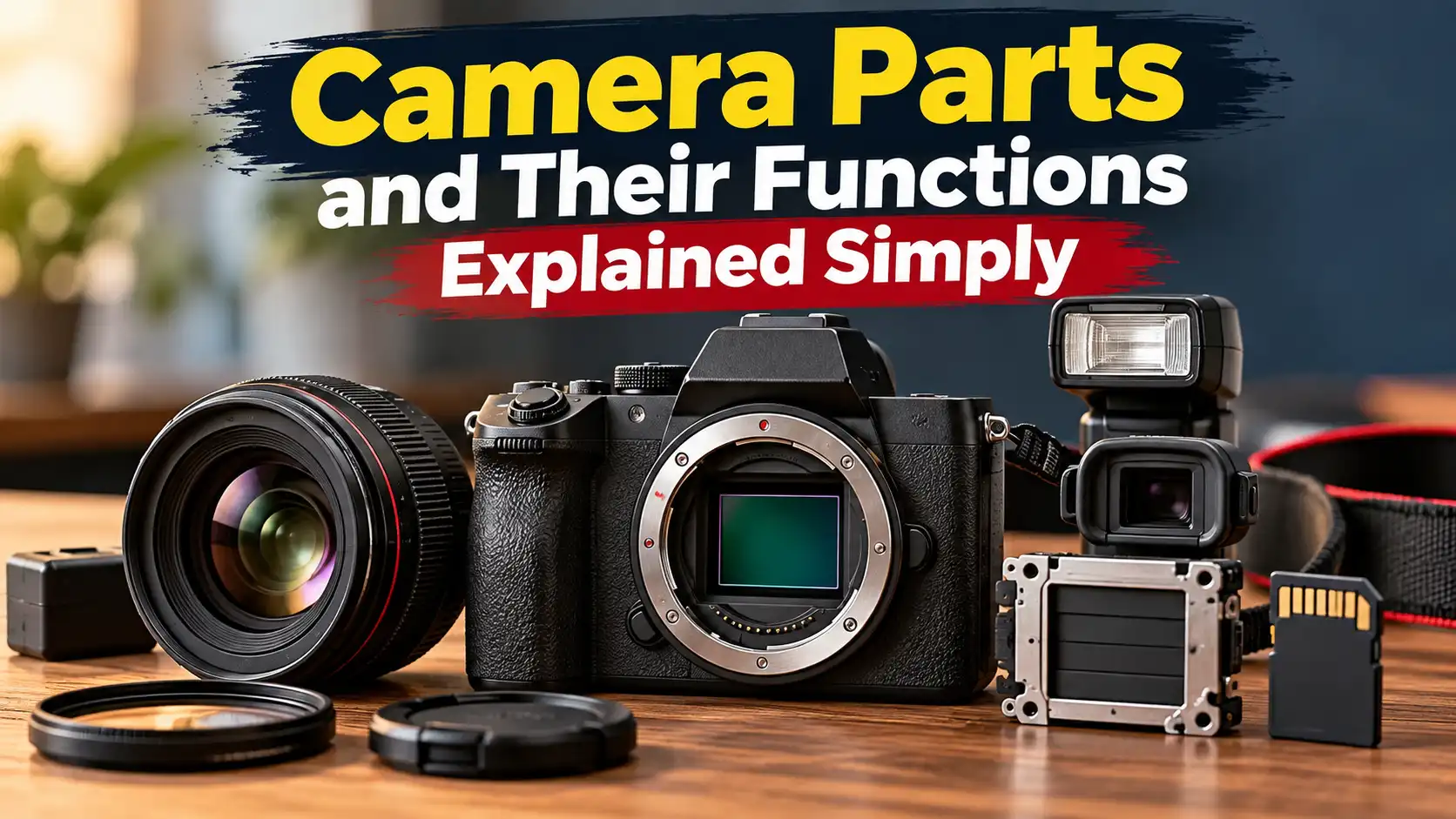
You need to know these parts to get good shots. I learned them one by one. Here are the core parts that make a camera work.
| Core Part | Main Job | Where It Lives |
| Main Body | Holds the chips | Main black block |
| Glass Lens | Bends the light | Front glass tube |
| Flat Sensor | Makes the photo | Deep inside body |
These three parts form the base of all your photos. Every dial and button just helps you use them well. They give you full clear control.
The heart of your gear lives in the main shell.
The Core of Your Camera
Every camera has basic core parts. They work as a team to take a photo. Let us look at the main ones.
Camera Body
The camera body is the main box. It holds the computer brain inside. A good body feels right in your hands. It has a nice grip. Many pro bodies keep dust and rain out. This is called weather sealing. You buy the body first. Then you buy lenses to attach to it.
Camera Sensor
The camera sensor is the heart of the camera. It sits behind the lens. It catches the light. Then, it makes your digital photo. Big sensors catch more light. Small sensors catch less light. Big sensors give you better photos in dark rooms. They cost more money. According to the DxOMark camera sensor testing methodology, image quality depends on much more than just the megapixel count. The physical size of the sensor is key.
Capturing the Light
Light makes your photo. These next parts control how light enters the camera.
Camera Lens and Mount
The camera lens is the eye of your camera. It pulls light in. It makes your subject look sharp. Some lenses zoom in and out. Some lenses stay fixed. The mount is a metal ring on the front of the camera body. It locks the lens to the body. You must match the exact lens type to the exact mount. If they do not match, the lens will not fit.
Shutter
The shutter is like a fast door. It sits right in front of the sensor. It opens up to let light hit the sensor. Then it closes. A fast shutter speed freezes motion. It stops a running dog. A slow shutter speed blurs motion. It makes a river look like soft milk.
Aperture
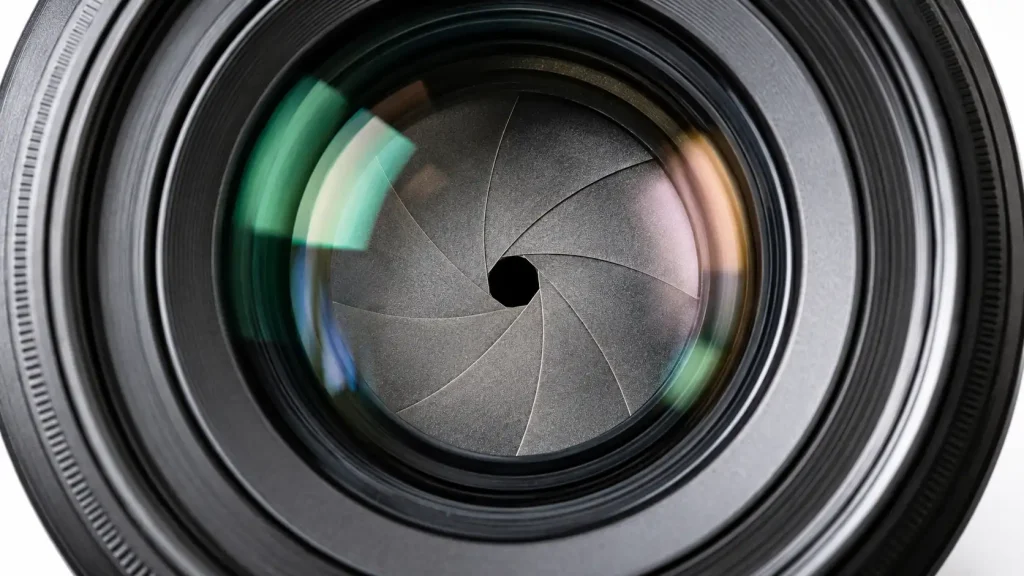
The aperture is a hole inside the lens. It can grow big or shrink small. A big hole lets in lots of light. A small hole lets in less light. A big aperture hole also blurs the background. This makes portraits look very nice.
Seeing Your Shot
You need to see what you want to shoot. The camera gives you two ways to do this.
Viewfinder
The iewfinderv is the small window you look through at the top. An optical viewfinder uses a real glass mirror. You see the real world just like a window. An electronic viewfinder uses a tiny digital screen. It shows you exactly how the final photo will look before you shoot. Most new cameras use the electronic kind.
LCD Screen
The LCD screen is the big flat TV on the back of the body. You use it to look at your photos after you take them. You also use it to read the camera menu. Some screens can tilt up and down. Some screens can flip out to the side. This helps you shoot from low to the ground.
Keeping Things Sharp and Clear
No one likes a blurry photo. These parts help keep your pictures very sharp.
Autofocus
Autofocus is the camera brain trying to find your subject. The camera looks for faces or eyes. It locks onto them. It keeps them sharp while they move. A fast autofocus system helps you catch quick sports action.
Metering
Metering is how the camera checks the light in the room. It measures the bright parts. It measures the dark parts. It tells the camera if the scene is safe to shoot. If the room is too dark, the metering system will warn you.
Image Stabilization
Image stabilization stops camera shake. Your hands always shake a tiny bit. This part moves the sensor or the lens to keep things perfectly still. This helps you shoot in dark places without any blur. According to the official CIPA testing standards for cameras, a good stabilization system can let you shoot much slower than normal.
Power, Storage, and Extras
You need power and space to shoot photos all day long.
Battery
The battery is the fuel tank. Big cameras need big batteries. The electronic screen uses a lot of power. Always buy a spare battery for long trips.
Memory Card Slot
The memory card slot holds your storage card. This is where your digital photos save. Some cameras have one slot. Pro cameras have a dual memory card slot. Two slots give you a safe backup in case one card breaks.
Controls & Dials
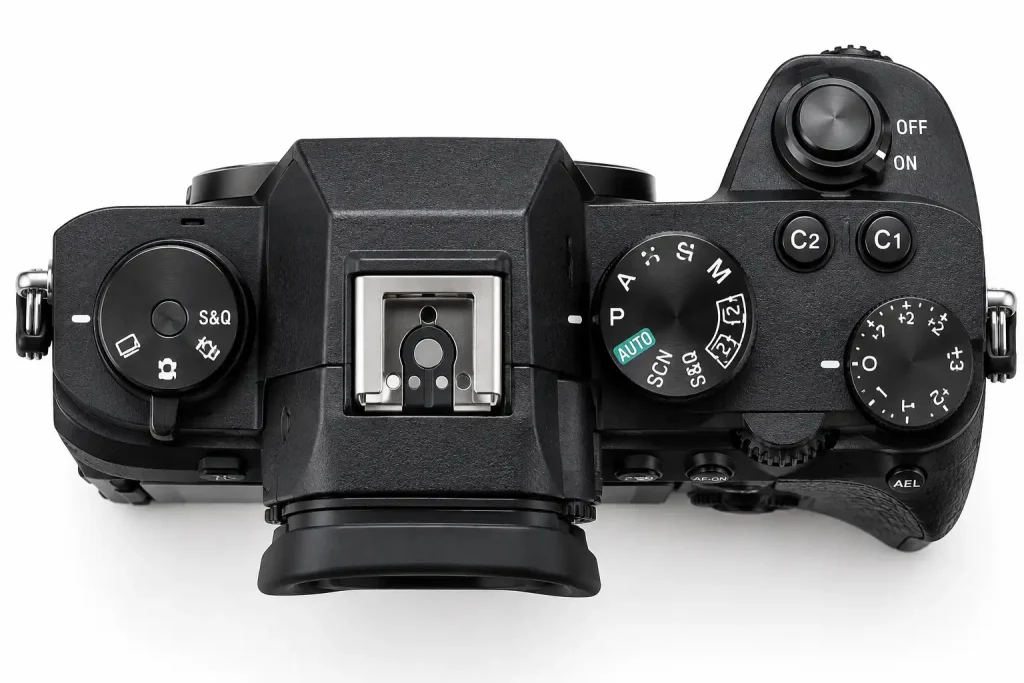
The controls & dials are the buttons on the top and back. They let you change rules fast. You spin a dial to change the shutter speed. You press a button to change the focus. Good cameras have lots of dials. This stops you from digging in the digital menu.
Hot Shoe
The hot shoe is a metal clip on the very top of the camera. It holds extra gear. Most people slide a big flash unit into the hot shoe. Video shooters put a microphone in it.
Expert Tip:
Always point your camera face down toward the floor when you change a lens. Gravity keeps dust from falling onto your camera sensor. Dust spots can ruin a great photo.
When to Get Professional Help or a Second Opinion
Some parts are too fragile to fix at home. You can break your gear easily. Do not force anything. Get professional help if you see these signs:
-
You see dark, sticky spots on photos: If your sensor has sticky dirt, do not scrape it. A pro can clean the sensor safely with special tools.
-
You see fuzzy spider webs inside the lens: This is lens fungus. Do not open the lens yourself. Send it to a real repair shop.
-
The shutter sticks halfway: If the camera stops shooting and clicks loudly, do not poke the blades. Send it to the maker for a real repair.
-
The battery gets very hot: A hot, swollen battery is a fire risk. Stop using it right away. Buy a safe, new brand-name battery.
Helpful Camera Parts Quick Guide
Here is a quick table to help you remember the main camera parts.
| Part Name | Main Job | Smart Buying Tip |
| Camera Sensor | Catches the light | Bigger sensors give much better dark shots. |
| Camera Lens | Focuses the light | Buy a bright lens for soft, blurry backgrounds. |
| Electronic Viewfinder | Frames the shot | Check if the screen is bright and clear. |
| Battery | Gives power | Always buy an extra one for long days. |
| Memory Card Slot | Saves your photos | Two slots give you a very safe backup. |
| Hot Shoe | Holds extra gear | Use it to add a big flash for indoor parties. |
Common Mistakes Camera Buyers Should Avoid
Do not make these simple errors when buying your gear.
-
Buying the wrong mount type: A lens must fit your exact camera brand and mount type. Always check the letters.
-
Forgetting a spare battery: One battery is rarely enough for a full day of fun.
-
Touching the glass or sensor: Never touch the sensor with your bare fingers. Skin oil will ruin the image.
-
Buying cheap memory cards: Slow cards make the camera freeze up. Buy fast, good cards from known brands.
-
Ignoring the weight: A heavy camera body might stay home. Buy a size you want to carry every day.
FAQs
What is the most important part of a camera?
The camera sensor and the lens are the most important. The lens brings the light inside. The sensor catches the light to make the art.
Do I really need an electronic viewfinder?
It is very helpful. It shows you the final light before you even take the shot. You will see your mistakes early.
What does a hot shoe do?
A hot shoe holds gear on top of the camera. Most people use it to hold a big flash. Some use it for microphones.
Why does my lens have a switch for image stabilization?
The switch lets you turn the feature on or off. Turn it on when you hold the camera. Turn it off when you use a tripod.
How long does a camera shutter last?
Most good cameras can shoot over one hundred thousand times. They will last for many years of fun daily use.
Can I change the camera sensor?
No, you cannot. The sensor is built deep inside the camera body. To get a bigger sensor, you must buy a new body.
Conclusion
Now you know the main camera parts and their functions. You know what a camera body, shutter, and lens do to make a picture. You understand how the aperture and autofocus work together. This will help you make a very smart choice when you shop. Good gear helps you take great shots. Take your time when you buy. Check all the parts. Then, go out and start shooting today.

1 thought on “Camera Parts and Their Functions Explained Simply”