

Different camera types serve different needs, from quick phone snapshots to detailed professional images.
Understanding the different types of cameras explained in this guide will help you choose the right tool for travel, family moments, sports, wildlife, video, or creative work. Each camera has its own mix of image quality, speed, size, lens choice, and cost. Once you know what those features mean, shopping becomes much less confusing.
Why Camera Types Matter
A camera is more than a box that takes pictures. It is a tool designed for a certain way of working. A phone camera favors speed and ease. A DSLR favors control and long battery life. A mirrorless camera favors modern design, fast focus, and strong video features.
The different types of cameras explained here vary in four main areas:
• Image quality: Sensor size and lens quality affect detail, noise, and dynamic range.
• Control: Some cameras offer full manual control, while others do most of the work for you.
• Portability: Small cameras are easier to carry, but large cameras may offer better handling and lens choices.
• Purpose: A camera for sports may not be ideal for travel, portraits, or underwater use.
In my experience, many new buyers focus only on megapixels. That is a common mistake. A camera with fewer megapixels but a better lens, larger sensor, or stronger autofocus can produce better photos in real use.
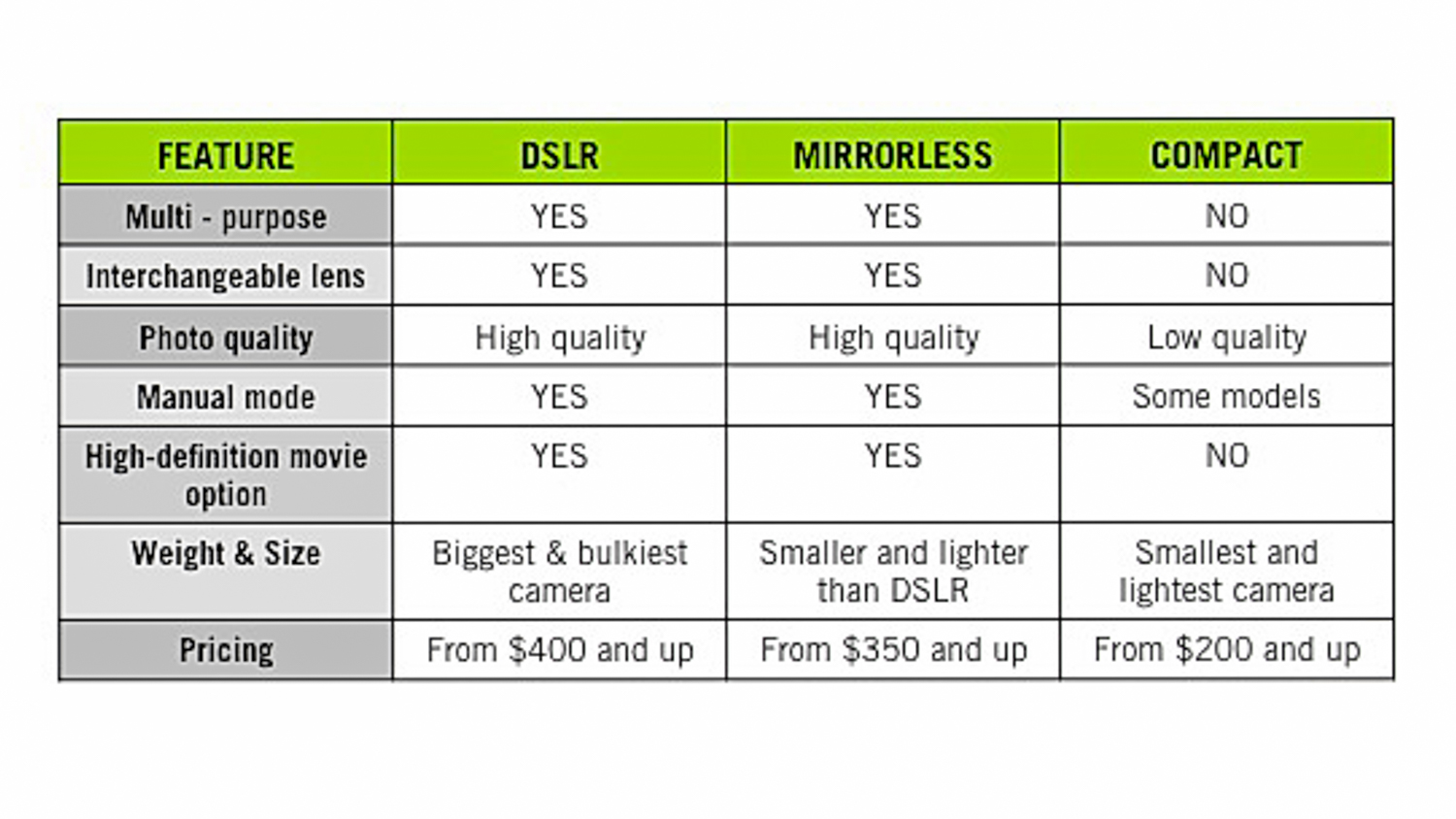
Source: photouno.com
1. Smartphone Cameras
Smartphones are the most common cameras in the world. They are always nearby, easy to use, and connected to apps for editing and sharing. Modern phones often include wide, ultrawide, telephoto, and macro cameras in one slim device.
Computational photography is the key feature. The phone combines several frames to improve color, sharpness, shadows, and highlights. It may also use artificial intelligence to detect faces, skies, food, pets, and night scenes.
Advantages of smartphone cameras
• Easy to carry and use
• Fast sharing through text, email, and social media
• Strong automatic exposure and white balance
• Useful portrait, night, panorama, and slow-motion modes
• No need to buy extra lenses or memory cards
Limitations of smartphone cameras
• Small sensors can struggle in very low light
• Digital zoom may reduce detail
• Small controls can limit creative work
• Battery use increases during long photo or video sessions
• Background blur may look less natural than optical blur
Smartphones are ideal for family photos, travel notes, social media, food pictures, and everyday memories. They are also useful for learning basic ideas such as framing, light, and timing.
A useful tip is to clean the lens before taking a photo. A fingerprint or dust mark can make an image look soft and hazy. This simple step often improves a phone photo more than a new editing app.
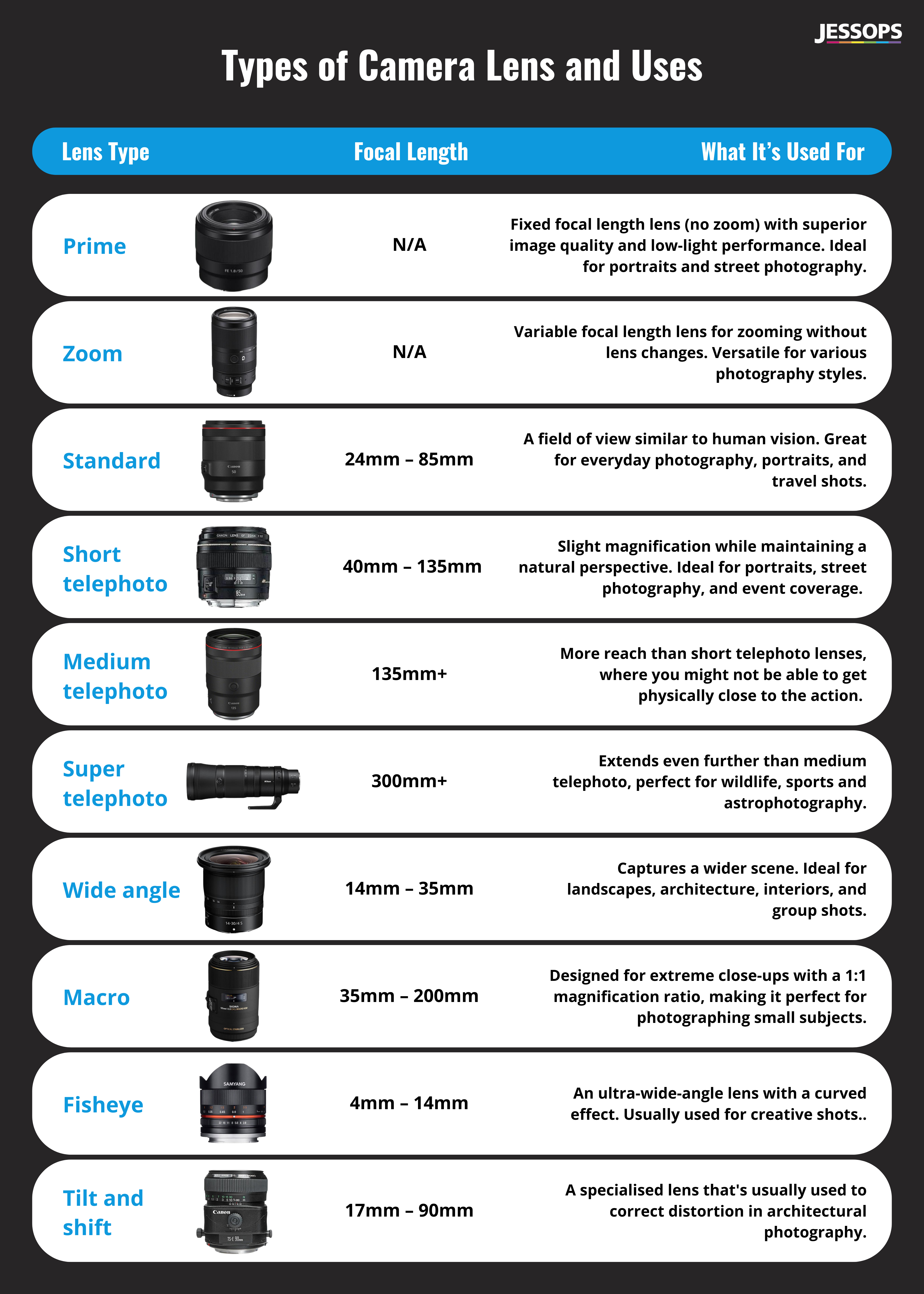
Source: com.br
2. Point-and-Shoot Cameras
Point-and-shoot cameras, also called compact cameras, are small digital cameras with a built-in lens. They sit between smartphones and advanced interchangeable-lens cameras.
Basic compact cameras are designed for simple operation. Premium compact cameras may include larger sensors, bright lenses, manual controls, and better zoom ranges.
Main types of point-and-shoot cameras
• Basic compact cameras: Small, simple, and affordable
• Travel zoom cameras: Small bodies with long zoom lenses
• Premium compact cameras: Better sensors, lenses, and manual controls
• Rugged compact cameras: Built to handle water, dust, drops, and cold
Point-and-shoot cameras can offer a real optical zoom. This is different from digital zoom, which enlarges part of an image and may reduce quality. Optical zoom uses the lens to magnify the subject before the image reaches the sensor.
These cameras are useful for vacations, school events, casual family photos, and outdoor activities. They can also be easier for children or older adults who prefer physical buttons and a simple menu.
However, the compact camera market has changed because smartphone cameras are now very capable. A basic point-and-shoot camera must offer a clear benefit, such as a long zoom, rugged body, larger sensor, or better handling.
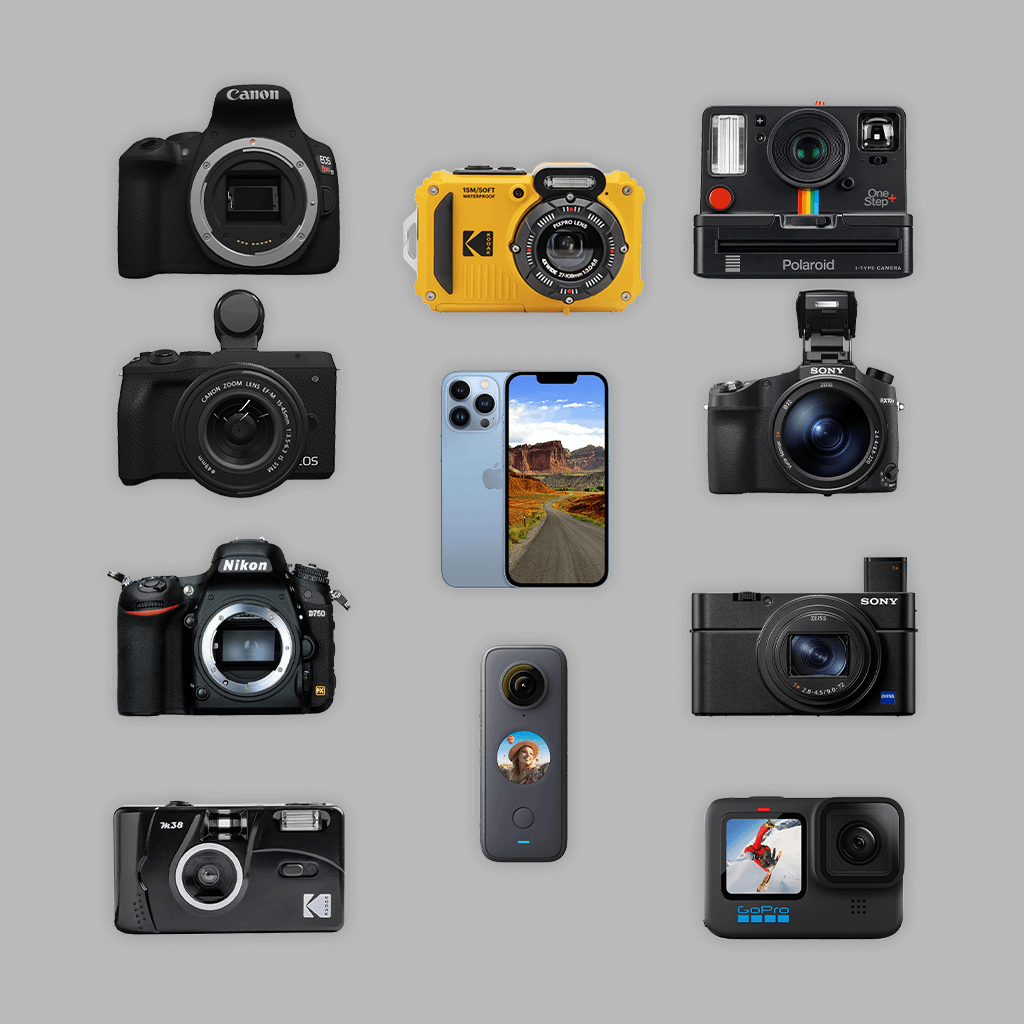
Source: fixthephoto.com
3. Bridge Cameras
Bridge cameras are named because they bridge the gap between compact cameras and interchangeable-lens cameras. They usually have a DSLR-style body and a built-in lens with a very wide zoom range.
A bridge camera may cover wide-angle views and extreme telephoto shots without requiring a lens change. This makes it attractive for travel, wildlife viewing, air shows, and outdoor events.
Benefits of bridge cameras
• Very large zoom range
• Familiar grip and camera shape
• Electronic viewfinder on many models
• Manual exposure and focus options
• No need to carry extra lenses
Drawbacks of bridge cameras
• Built-in lenses cannot be replaced
• Small sensors are common
• Image quality may drop at high zoom settings
• Large bodies can be less portable than compact cameras
Bridge cameras work best in good light. Their long zoom can make distant subjects look close, but the small sensor may produce noise in dark conditions. A tripod or monopod can help at the longest focal lengths.
One lesson worth remembering is that a long zoom does not remove the need for good technique. At high magnification, even a small hand movement can blur the frame. Use image stabilization, a fast shutter speed, or a stable support when possible.
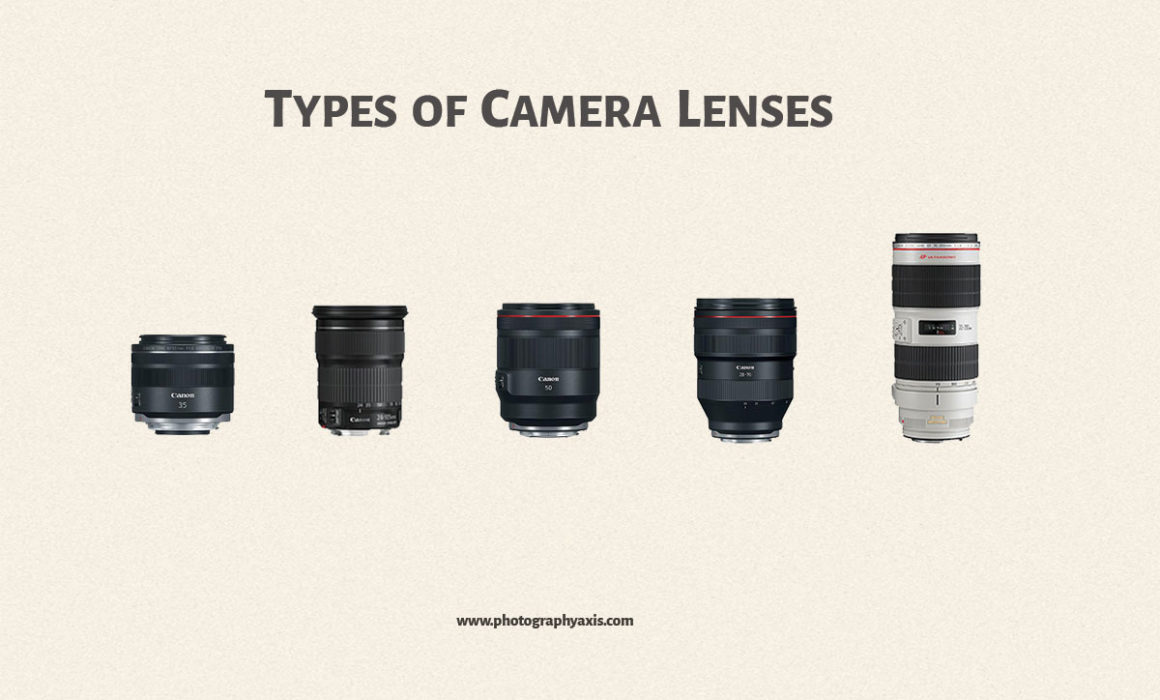
Source: photographyaxis.com
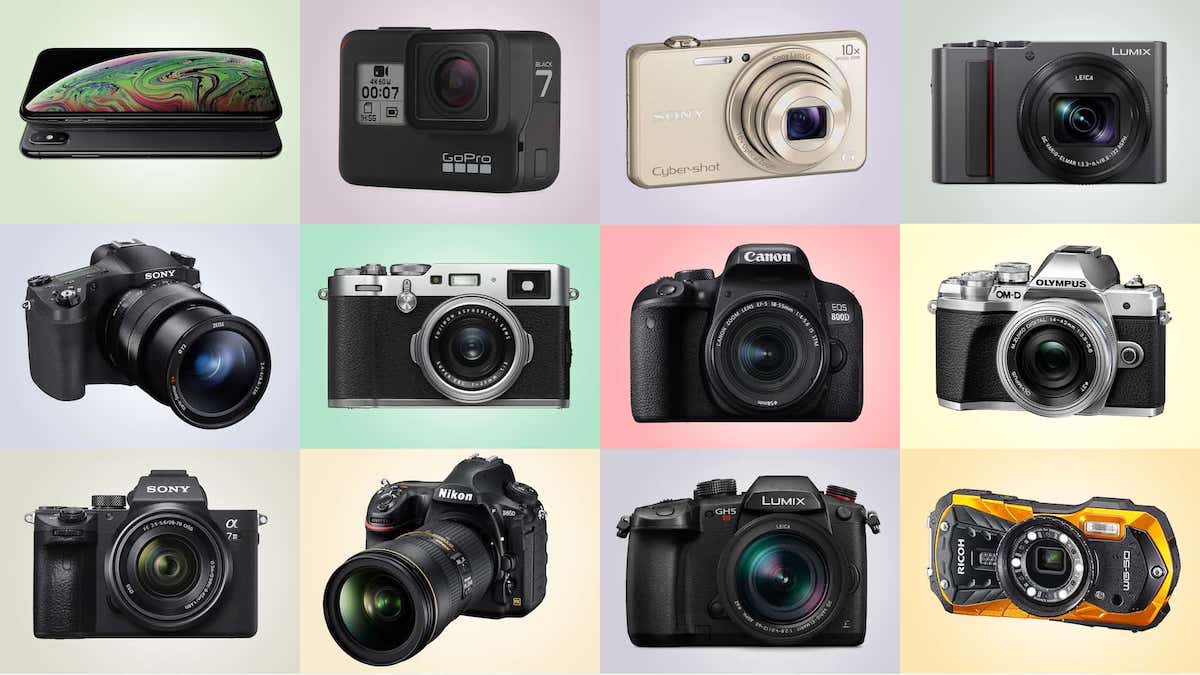
4. DSLR Cameras
DSLR stands for digital single-lens reflex. These cameras use a mirror and optical viewfinder system. Light passes through the lens, reflects from a mirror, and reaches the viewfinder. When you press the shutter, the mirror moves so the sensor can record the image.
DSLR cameras were once the main choice for professional photographers. They remain useful because of their strong battery life, durable bodies, comfortable grips, and wide range of lenses.
Why people still use DSLRs
• Optical viewfinders show a natural view with little electronic delay
• Large batteries support long shooting sessions
• Many models offer reliable physical controls
• Used DSLR bodies and lenses can be affordable
• A large lens ecosystem supports many types of photography
DSLRs come with different sensor sizes. Full-frame models use a sensor close to the size of 35mm film. APS-C models use a smaller sensor and are often lighter and less expensive.
The main drawback is size. A DSLR with several lenses can become heavy during travel. Newer mirrorless systems have also gained many features that were once associated with DSLRs, including fast autofocus and high-quality electronic viewfinders.
Still, a good DSLR can produce excellent photographs. The camera does not become outdated simply because newer designs exist. Skill, light, lens choice, and timing still matter more than the logo on the body.
Source: werenewconstruction.com
5. Mirrorless Cameras
Mirrorless cameras do not use the reflex mirror found in a DSLR. Light goes directly to the image sensor. The camera then sends a live image to an electronic viewfinder or rear screen.
The different types of cameras explained in this guide include mirrorless models because they now cover almost every level, from beginner bodies to high-end professional systems.
Strengths of mirrorless cameras
• Smaller and lighter designs are common
• Electronic viewfinders can show exposure before the photo is taken
• Fast subject detection and eye autofocus
• Strong video features
• Silent shooting modes on many models
• Easy access to modern lens designs
An electronic viewfinder can display exposure, white balance, focus aids, and a histogram. This helps you understand the final image before pressing the shutter. It can feel strange at first, but most users adapt quickly.
Mirrorless cameras also have limits. Their electronic viewfinders and screens use battery power. Some small bodies may feel cramped with large lenses. Entry-level models may also have fewer controls or a smaller battery.
When comparing mirrorless cameras, look beyond megapixels. Check autofocus behavior, viewfinder quality, battery life, grip comfort, lens prices, and video limits. A camera that feels good in your hands is more likely to leave the house and get used.
Source: kustomsignals.com
6. Medium-Format Cameras
Medium-format cameras use sensors larger than full-frame sensors. They are known for high resolution, strong tonal detail, and a distinctive look at certain apertures and focal lengths.
These cameras are common in commercial photography, fashion, studio portraits, landscapes, and fine-art work. Some modern medium-format cameras are smaller and more portable than older studio systems.
Benefits of medium format
• High resolution for large prints and cropping
• Excellent detail and tonal transitions
• Strong control over depth of field
• Useful for controlled studio and landscape work
Limitations of medium format
• High purchase and lens costs
• Larger files require more storage
• Autofocus and burst speed may vary by model
• Some systems are less suited to fast action
Medium format is not automatically better for every photographer. A full-frame camera may be a smarter choice for sports, wildlife, weddings, or low-light events because it can offer faster autofocus, faster burst rates, and a larger lens selection.
Think of medium format as a large canvas. It gives you more room for detail, but it may not be the best tool for a quick sketch. The right choice depends on the subject and the way you work.

Source: readystudygoacademy.com
7. Action Cameras
Action cameras are small, tough cameras made for movement and outdoor use. They are popular for cycling, skiing, hiking, surfing, travel, and behind-the-scenes video.
Most action cameras use an ultrawide lens. This helps capture a broad view while the camera is mounted on a helmet, bike, chest harness, car, or selfie stick.
Common action camera features
• Small, lightweight bodies
• Waterproof or water-resistant construction
• Electronic image stabilization
• High-frame-rate video
• Wide-angle lenses
• Mounting systems for sports and travel
Action cameras are excellent for recording experiences from the user’s point of view. They can also work well as small travel cameras when weight matters.
Their wide lenses can bend lines near the edges. Faces may look stretched when the camera is too close. Battery life may also fall quickly when recording high-resolution video in cold weather.
Keep spare batteries in a warm pocket during winter trips. Also, use a short test recording before an important activity. I have seen many people return from a trip with hours of footage but no usable sound because the case blocked the microphone.
8. 360-Degree Cameras
360-degree cameras record a view in every direction. Many use two or more lenses to capture a spherical image. Special software then joins the views into one interactive photo or video.
These cameras are useful for virtual tours, real estate, travel, adventure sports, and creative social media content. Viewers can move around the scene after the recording is complete.
Advantages of 360 cameras
• Capture the full scene at once
• Reduce the need to aim the camera perfectly
• Create interactive photos and videos
• Offer creative reframing after recording
Challenges of 360 cameras
• Image quality may be lower than a standard camera
• Stitching lines can appear between lens views
• Editing requires special software
• Subjects very close to the camera may look unusual
A 360 camera changes the way you think about composition. Instead of choosing one frame at the time of capture, you choose the view later. This is helpful when the action is unpredictable.
Place the camera carefully. Keep your fingers, straps, and support poles away from the lens areas. Small objects near a lens can create visible stitching problems.
9. Film Cameras
Film cameras record images on photographic film instead of a digital sensor. Film remains popular with artists, collectors, students, and photographers who enjoy a slower process.
Common film formats include 35mm, medium format, and large format. Film can produce a unique look influenced by the film stock, lens, exposure, development, and scanning method.
Why photographers choose film
• The process encourages careful shooting
• Film has a distinctive color or grain pattern
• Mechanical cameras can work without digital menus
• Physical negatives create a tangible record
• Older cameras can offer an affordable entry into photography
Film has real costs. You must buy rolls, develop them, scan them, and store the negatives. You also cannot review the image at once. This can make learning slower, but it may encourage stronger attention to light and composition.
Film is not always more artistic or more authentic than digital photography. It is simply a different process. The best choice depends on whether you value speed, control, texture, cost, or the experience of using the camera.
10. Instant Cameras
Instant cameras print photos soon after you take them. They are popular at parties, weddings, family gatherings, travel events, and creative projects.
The appeal is simple: You take a photo, wait a short time, and hold a physical print. This creates a social experience that a phone screen often cannot match.
Advantages of instant cameras
• Immediate physical prints
• Simple operation
• Fun for guests and family events
• A strong sense of occasion
Limitations of instant cameras
• Film packs can be costly
• Prints may have limited detail
• Exposure can be inconsistent
• The camera may offer little control
Keep the film away from extreme heat and direct sunlight. Follow the film maker’s instructions after the print comes out. Shaking or bending the print may damage it rather than improve it.
Instant cameras are best viewed as creative tools, not replacements for high-resolution cameras. Their value comes from the memory and interaction around the print.
11. Specialty Cameras
Some cameras are designed for a narrow task. These specialty cameras may not suit everyday photography, but they can solve problems that standard cameras cannot.
Examples include:
• Underwater cameras for swimming, diving, and marine work
• Trail cameras for observing wildlife
• Dash cameras for recording a vehicle’s view
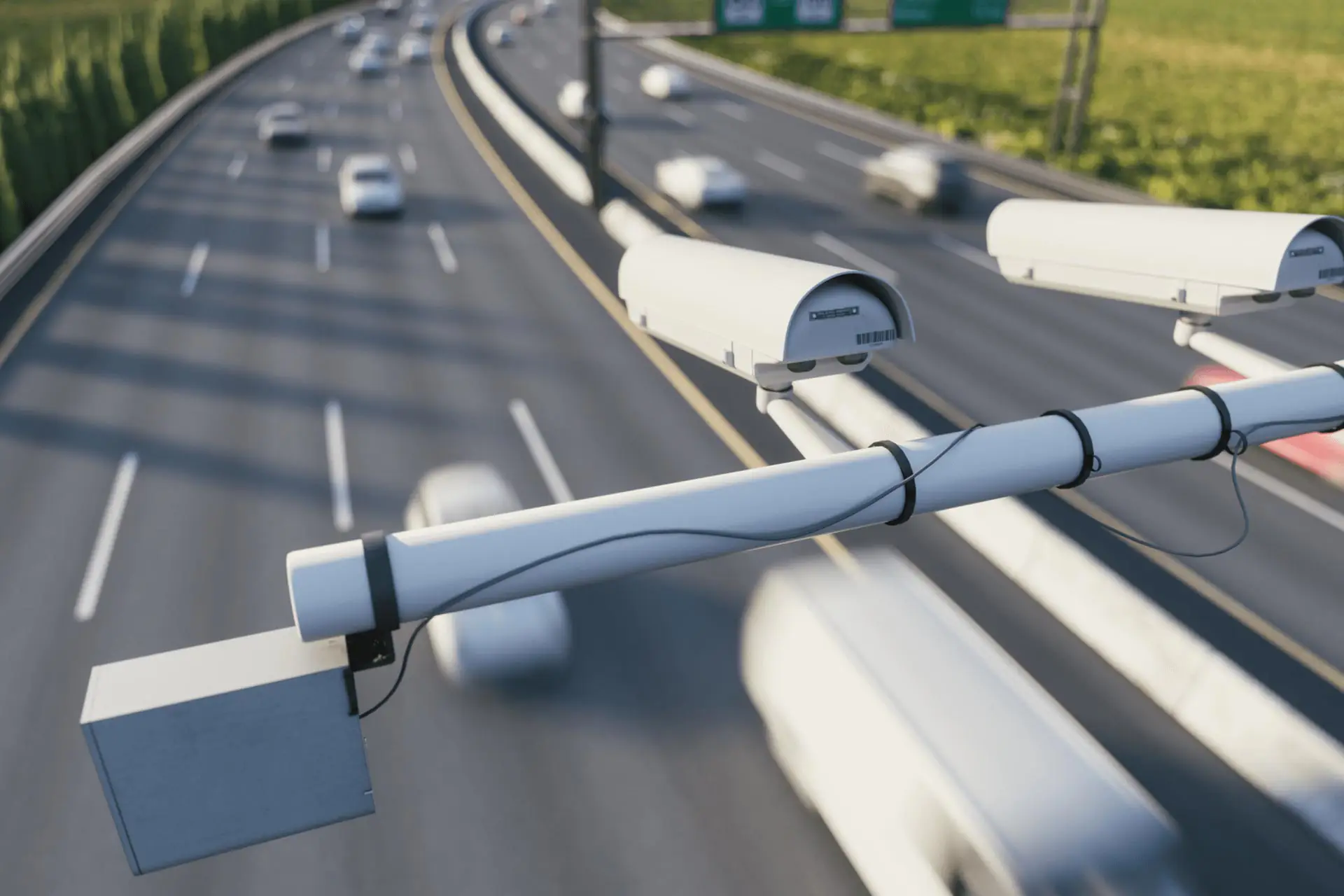
• Security cameras for monitoring property
• Thermal cameras for showing heat patterns
• Document cameras for classrooms and offices
• Scientific cameras for research and measurement
Each type has its own technical needs. An underwater camera must manage pressure and sealing. A trail camera needs motion detection and low power use. A thermal camera measures infrared energy, so its images do not show ordinary visible color.
Do not choose a specialty camera based only on resolution. Check operating temperature, waterproof ratings, storage, mounting options, battery life, software, and legal rules. For example, privacy laws may affect where a security or trail camera can be placed.
Camera Sensor Sizes Explained
Sensor size affects image quality, lens behavior, camera size, and cost. It is one of the most important ideas in the different types of cameras explained in this article.
Common sensor categories include:
• Smartphone sensors: Very small, but improved by computational photography
• One-inch sensors: Common in premium compact and bridge cameras
• Micro Four Thirds: Smaller interchangeable-lens format with compact systems
• APS-C: A popular balance of quality, size, speed, and cost
• Full frame: Larger sensor with strong low-light and depth-of-field control
• Medium format: Larger than full frame and often aimed at high-detail work
A larger sensor can collect more light when other factors are similar. It may also make it easier to create a blurred background. However, sensor size is not the only factor. Lens brightness, image processing, autofocus, exposure, and shooting technique all affect the final photo.
Crop factor also matters. A smaller sensor captures a narrower part of the lens image. For example, a 50mm lens on an APS-C camera gives a view similar to a longer lens on a full-frame camera, depending on the sensor’s crop factor.
Do not treat sensor size as a simple quality ranking. A smaller system may be the better choice if it helps you carry the camera more often. A camera left at home cannot take a photo.
How to Choose the Right Camera
The best camera depends on your subject, budget, skill level, and daily habits. Start with your real needs rather than the most expensive model you can afford.
Use this simple process:
- Decide what you photograph most. Choose a travel camera for travel, a fast system for sports, or a rugged model for outdoor work.
- Set a complete budget. Include lenses, batteries, memory cards, a bag, and possible repairs.
- Choose the needed lens range. A wide lens suits landscapes and buildings, while a telephoto lens suits wildlife and sports.
- Test the grip and controls. Comfort matters during long shoots.
- Check autofocus performance. Eye detection is useful for portraits, while tracking matters for moving subjects.
- Review video needs. Look at resolution, frame rates, sound inputs, stabilization, and recording limits.
- Compare system costs. A low-cost body may use expensive lenses, while a slightly higher-priced system may offer better value over time.
- Consider used equipment. A well-kept older camera can deliver excellent results, but check the shutter count, sensor condition, battery health, and return policy.
One practical lesson is to spend enough on the lens. A good lens can stay useful across several camera bodies. Buying a costly body with a poor lens often creates less improvement than buying a balanced kit.
Camera Features That Matter Most
Camera menus can make simple buying decisions feel hard. Focus on features that affect your work directly.
Autofocus
Autofocus systems may detect contrast, phase differences, faces, eyes, animals, vehicles, or other subjects. Tracking performance matters more than the number of focus points listed on a box.
Image stabilization
Optical or sensor-shift stabilization can reduce blur caused by camera movement. It does not freeze a moving person or animal. You still need a fast shutter speed for action.
Burst speed
Burst speed shows how many frames a camera can capture per second. A high burst rate is useful for sports, wildlife, and fast events, but the camera also needs a large buffer and reliable autofocus.
Dynamic range
Dynamic range describes how much detail a camera can retain in bright highlights and dark shadows. Good exposure technique still matters, especially in harsh sunlight.
Weather sealing
Weather sealing may help protect a camera from light rain and dust. It does not make every camera waterproof. The body, lens, ports, and accessories must all be considered.
Video performance
For video, check stabilization, autofocus, microphone support, overheating behavior, frame rates, and file formats. A camera may record excellent still photos but have weak video tools.
Common Camera-Buying Mistakes
Learning the different types of cameras explained is useful, but avoiding common mistakes is just as important.
• Buying for megapixels alone: Resolution does not guarantee better color, autofocus, or low-light performance.
• Ignoring lens cost: Interchangeable-lens systems can become expensive over time.
• Choosing a camera that is too large: Heavy gear may reduce how often you use it.
• Forgetting accessories: Extra batteries, memory cards, and a protective bag may be essential.
• Buying without holding the camera: Button placement and grip comfort vary widely.
• Confusing digital zoom with optical zoom: Optical zoom usually preserves more detail.
• Skipping file backups: A memory card is not a safe long-term archive.
• Using automatic mode forever: Auto mode is useful, but basic exposure knowledge gives you more control.
• Expecting equipment to fix poor light: Better light often improves a photo more than a new camera.
Before buying, rent or borrow a camera if possible. One weekend of real use can reveal more than dozens of online reviews. Pay attention to comfort, battery life, menus, focus, and whether you enjoy carrying the system.
How to Improve Photos With Any Camera
The different types of cameras explained above can all create strong images when used with care. Better photography begins with observation, not equipment.
Try these simple habits:
• Move closer when appropriate
• Place the subject near useful light
• Keep the background clean
• Hold the camera steady
• Tap the screen or focus point on the main subject
• Use leading lines and simple shapes
• Leave space in front of a moving subject
• Check the edges of the frame
• Take several angles before leaving
• Review images later and note what worked
Light is often the most powerful tool. Soft window light can flatter a portrait. Golden-hour light can add warmth to a landscape. Overhead sunlight can create hard shadows, so move the subject into shade when possible.
A small creative exercise can build skill fast. Photograph one object for a week using different angles, distances, and light sources. This teaches composition and exposure without requiring new gear.
Frequently Asked Questions About Different Types of Cameras Explained
What are the main types of cameras?
The main types include smartphone, point-and-shoot, bridge, DSLR, mirrorless, medium-format, action, 360-degree, film, instant, and specialty cameras. Each type balances image quality, size, control, price, and purpose in a different way.
Which camera type is best for beginners?
A smartphone, entry-level mirrorless camera, or basic DSLR can work well for a beginner. Choose a model that feels comfortable and offers simple automatic modes plus room to learn manual settings.
Are mirrorless cameras better than DSLRs?
Neither is always better. Mirrorless cameras are often smaller and offer advanced autofocus and video tools, while DSLRs may provide longer battery life, optical viewfinders, and lower used prices.
Is a smartphone camera good enough for photography?
A smartphone is good enough for many daily photos, travel images, and social media posts. A dedicated camera becomes more useful when you need long optical zoom, interchangeable lenses, stronger low-light performance, or advanced control.
What camera is best for wildlife photography?
A camera with fast autofocus, strong subject tracking, a high burst rate, and a long telephoto lens is usually best for wildlife. A crop-sensor system can also provide extra reach with smaller and lighter lenses.
Do more megapixels mean better photos?
More megapixels can provide more detail and allow larger prints or heavier cropping. They do not automatically improve exposure, focus, color, lens quality, or low-light performance.
What is the best camera for travel?
The best travel camera is one you will carry comfortably. A smartphone, compact camera, small mirrorless body, or rugged action camera may be ideal depending on your destination and subjects.
Conclusion
The different types of cameras explained in this guide range from simple smartphone cameras to advanced medium-format systems. Smartphones offer convenience, mirrorless and DSLR cameras provide control, action and 360-degree cameras capture movement, and film or instant cameras offer a slower, more physical experience.
Choose based on what you photograph, how often you carry the camera, and what your budget includes beyond the body. Start with the camera that fits your real life, practice with the light you have, and upgrade only when your current gear limits your goals. Explore more photography guides, test a camera before buying, and share your favorite camera type in the comments.

9 thoughts on “Different Types Of Cameras Explained: Camera Guide”