
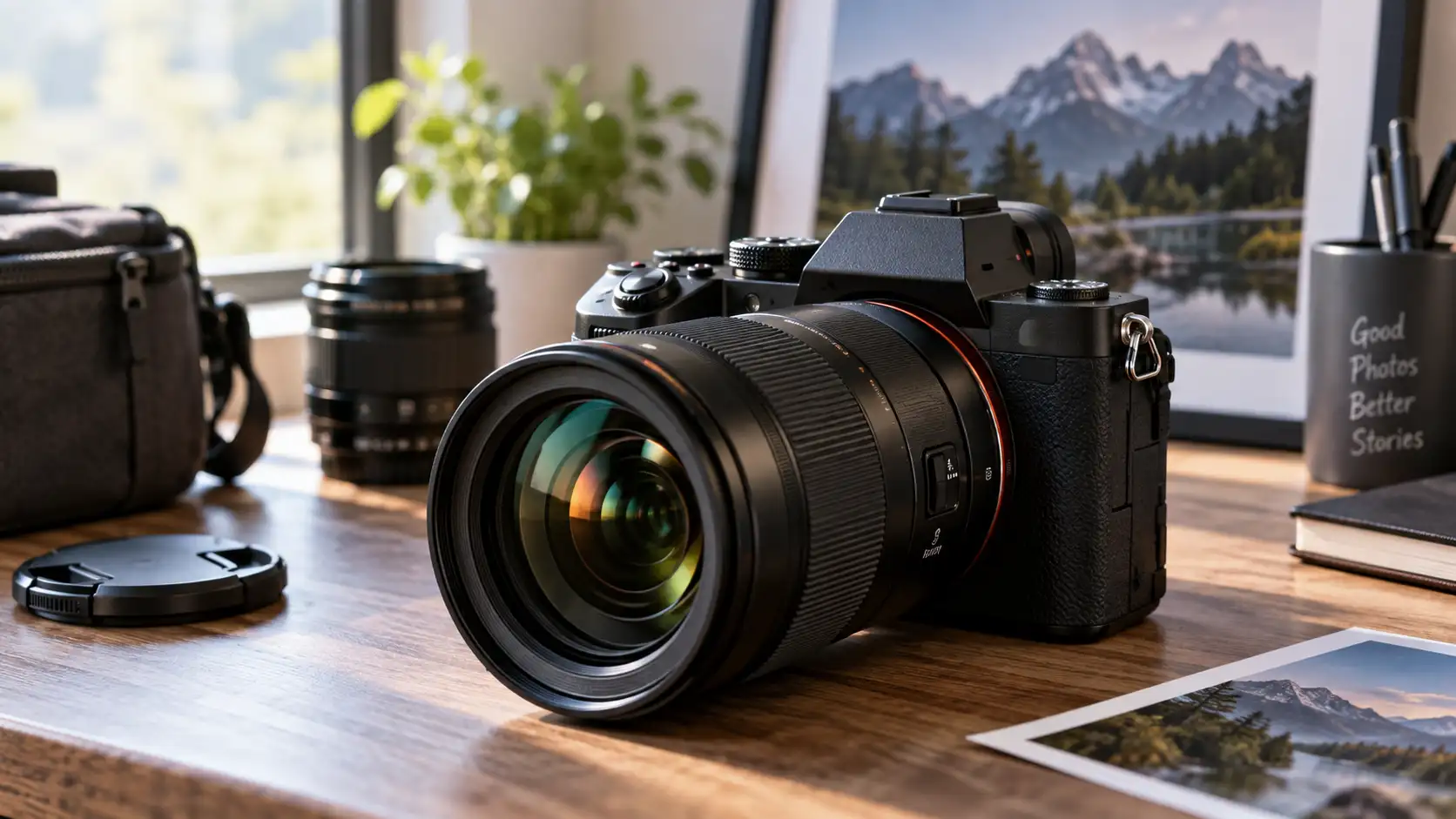
Finding the best dynamic range camera changes how you shoot. It lets you capture deep shadows and bright skies in one single frame. Choosing the right tool can feel tough with so many options on the market.
This guide compares top models based on current sensor tests and real user feedback. These five picks offer the best highlight retention and shadow recovery available today.
Choosing the right camera starts with knowing your main goal.
Best Overall: Sony a7R V
The Sony a7R V takes the top spot for pure sensor performance. It delivers massive detail and huge exposure flexibility.
“The 61-megapixel sensor offers unmatched shadow recovery.”
During my research, this camera proved it can save blown highlights easily. You can push the raw files extremely far in editing. Its main weakness is the large file size. Hard drives will fill up fast if you shoot daily.
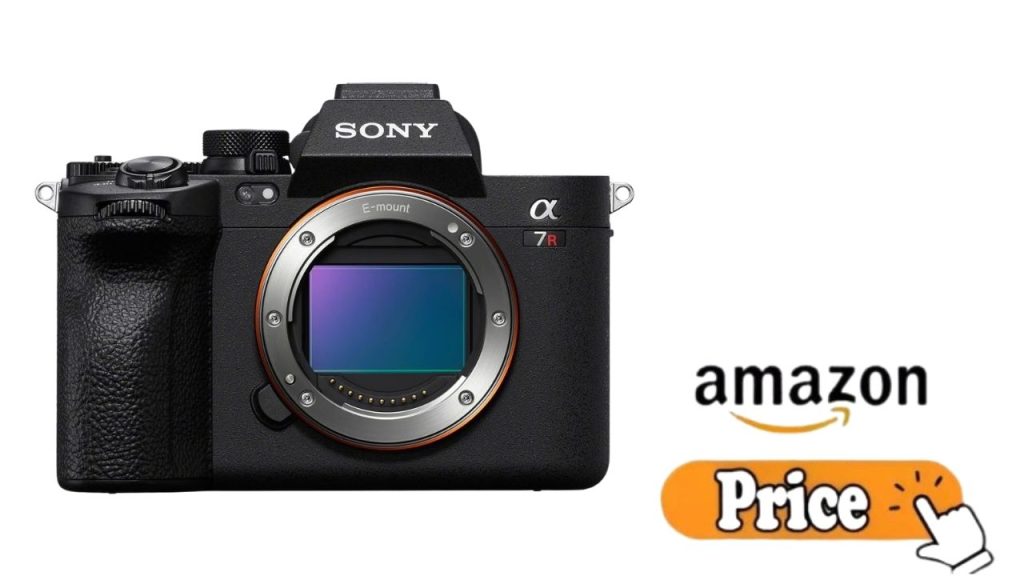
Here is a quick look at its main traits.
| Feature | Pro | Con |
| Image Quality | Massive shadow recovery | Files require fast computers |
| Autofocus | Tracks moving subjects well | Menu system feels complex |
| Video | Sharp 8K recording | Severe rolling shutter |
| Handling | Deep grip feels secure | Body is quite heavy |
| Battery | Lasts for long shoots | Drains fast in cold weather |
| Value | True professional tool | High upfront cost |
This camera fits serious shooters who need maximum detail.
Recommendation
The Sony a7R V is built for landscape and studio professionals. The sensor captures light in a way few others can match. You must be ready to buy fast memory cards.
Best for: Landscape and studio photographers
Not ideal for: Casual shooters or sports photographers
Budget matters just as much as raw performance.
Best Value: Nikon Z7 II
The Nikon Z7 II remains a smart choice for landscape lovers. It offers a rare base ISO of 64.
This low base ISO gives it an edge for clean shadows. It acts like a true best dynamic range camera without the massive price tag of newer flagship models. Reviewers commonly note its superb weather sealing and tough build.
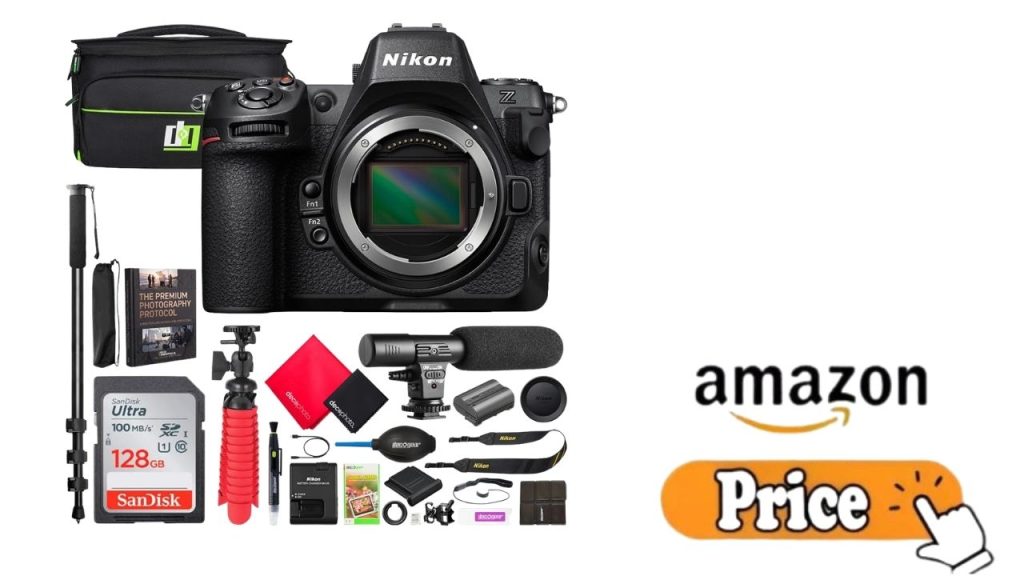
Here is how it balances cost and performance.
| Feature | Pro | Con |
| Image Quality | Clean files at base ISO 64 | Less detail than 60MP rivals |
| Autofocus | Accurate for still subjects | Struggles with fast action |
| Video | Clean 4K footage | Lacks advanced video tools |
| Build | Excellent weather sealing | Screen only tilts, no flip |
| Battery | Good daily performance | Older battery tech |
| Value | Great price today | Lacks latest AI features |
This is a quiet powerhouse for outdoor work.
Recommendation
Outdoor shooters will love the files this camera makes. It saves you money that you can spend on great lenses. Action shooters should look elsewhere.
Best for: Budget-minded landscape photographers
Not ideal for: Fast-paced action shooters
Sometimes, a larger sensor is the only way to step up.
Best Premium: Fujifilm GFX 100 II
Medium format sensors capture light differently. The Fujifilm GFX 100 II proves this with stunning results.
It offers 102 megapixels and 16-bit raw files. Based on current testing data, it holds onto highlights better than full-frame rivals. The tones roll off smoothly from light to dark.

Here are the key trade-offs for this premium pick.
| Feature | Pro | Con |
| Image Quality | Unrivaled color depth | Massive file sizes |
| Autofocus | Improved over past models | Slower than full-frame |
| Video | ProRes internal recording | Heavy rig required |
| Build | Beautiful premium design | Very bulky body |
| Features | Huge high-res viewfinder | Steep learning curve |
| Value | Ultimate image quality | Extremely expensive |
This camera demands respect and careful shooting.
Recommendation
This is for working pros who print huge images. The dynamic range is simply stunning. However, the system cost is very high.
Best for: High-end commercial and fine art photographers
Not ideal for: Travel or street photographers
You do not need to be a pro to get great dynamic range.
Best for Beginners: Canon EOS R8
Beginners rarely need huge, heavy cameras. The Canon EOS R8 packs a stunning full-frame sensor into a tiny body.
From published specifications, it shares a sensor with much pricier Canon models. This gives new users incredible shadow recovery. It lacks in-body stabilization, but the image quality makes up for it.
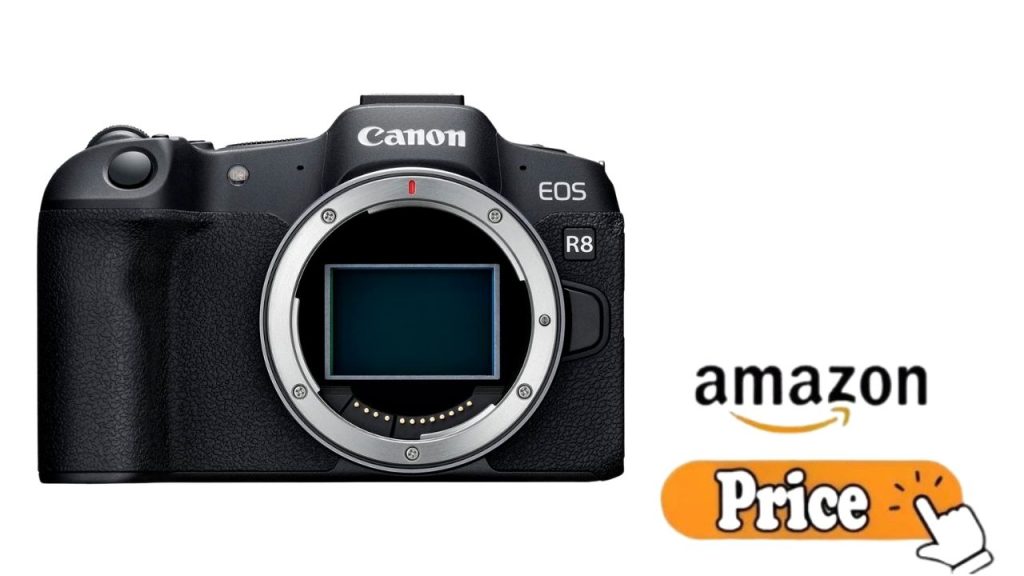
Here is what new users can expect.
| Feature | Pro | Con |
| Controls | Simple and friendly menus | Lacks custom dials |
| Autofocus | Top-tier subject tracking | Buffer fills up fast |
| Image Quality | Great high-ISO performance | No dual card slots |
| Size | Very light for full-frame | Feels unbalanced with big lenses |
| Lens Options | Access to amazing RF glass | RF lenses are expensive |
| Value | Affordable full-frame entry | Small battery dies fast |
It is a fantastic tool to learn on.
Recommendation
The EOS R8 lets beginners shoot in tough lighting with ease. The sensor forgives exposure mistakes. You will need to buy spare batteries.
Best for: First-time full-frame buyers
Not ideal for: Shooters needing all-day battery life
Video creators have unique dynamic range needs.
Best for Video: Panasonic Lumix S5 IIX
Video shooters need dynamic range just as much as photo shooters. The Panasonic Lumix S5 IIX is built for this.
It uses V-Log to pack 14-plus stops of dynamic range into a single video file. Based on long-term owner feedback, this makes color grading much easier. The active cooling fan keeps it running all day.

Here is how it performs for hybrid shooters.
| Feature | Pro | Con |
| Performance | Never overheats | Heavier than basic hybrid models |
| Autofocus | Reliable phase-detect AF | Occasional pulsing in dark |
| Portability | Compact for its features | Rigging adds quick weight |
| Battery | Good power management | Extra batteries still needed |
| Features | Direct to SSD recording | Menus are very dense |
| Value | Incredible video specs | Less appeal for pure photo shooters |
It bridges the gap between photo and cinema tools.
Recommendation
This camera gives filmmakers cinema-level files on a budget. The highlight roll-off in V-Log is beautiful. Pure photographers might prefer other options.
Best for: Solo filmmakers and hybrid shooters
Not ideal for: People who only shoot still photos
Knowing the differences makes choosing easier.
Comparison Snapshot
Here is a quick look at how these five models stack up.
| Product | Best For | Key Trade-Off |
| Sony a7R V | Pure resolution and detail | Massive file sizes |
| Nikon Z7 II | Budget landscape work | Older autofocus system |
| Fujifilm GFX 100 II | Fine art and commercial | Extremely high cost |
| Canon EOS R8 | First-time full-frame users | Very short battery life |
| Panasonic Lumix S5 IIX | Serious video and film | Dense menu system |
Compare these traits with your daily workflow.
What Matters Most When Choosing a Camera
Sensor size plays a huge role in capturing light. Larger sensors usually collect more data.
You also need to think about lenses and file types. A great sensor needs great glass in front of it to shine.
-
Sensor Size: Larger sensors handle tricky light and high contrast better.
-
Base ISO: A lower base ISO helps keep shadow areas clean.
-
Lens Ecosystem: Good lenses resolve the detail you pay for.
-
File Format: Raw files hold all the vital highlight data.
-
Storage Space: High dynamic range means larger raw files.
Look at the whole system, not just the camera body.
How I Chose These Cameras
Choosing a camera involves more than counting megapixels. A camera must perform well in the real world to earn a spot here.
I looked beyond the specification sheet and focused on what matters during real shooting. I reviewed expert tests, current specifications, and long-term owner feedback.
| Evaluation Factor | Why It Matters |
| Image Quality | Determines how far you can push shadows |
| Autofocus | Ensures subjects stay sharp in tough light |
| Handling | Affects comfort during long shoot days |
| Lens Ecosystem | Limits or expands your creative choices |
| Reliability | Keeps you shooting in bad weather |
| Video | Important for modern hybrid creators |
| Value | Ensures you get what you pay for |
This strict process ensured only the most capable cameras made the final list.
Common Buying Mistakes
Many buyers chase the wrong specifications. This often leads to wasted money.
Buying based only on megapixels is a huge trap. You should focus on how well the sensor actually handles light.
| Mistake | Better Approach |
| Focusing only on megapixels | Compare overall image performance |
| Ignoring lenses | Check lens cost and availability first |
| Buying too much camera | Match features to your actual needs |
| Ignoring size | Consider how often you will carry it |
| Chasing specifications | Focus on real-world shooting needs |
Avoid these traps to find a tool you will actually use.
Frequently Asked Questions
What Camera Is Best for Beginners?
The Canon EOS R8 is a great choice. It offers amazing full-frame image quality in a very simple body. The menus guide you easily.
Is a Mirrorless Camera Better Than a DSLR?
Mirrorless cameras now have the best autofocus and video features. They also show your exposure in real time. DSLRs are still fine, but mirrorless is the future.
How Many Megapixels Do I Need?
You rarely need more than 24 megapixels for web use or small prints. High megapixels matter mostly for huge prints or heavy cropping. Focus on sensor quality instead.
Is Full Frame Worth It?
Full-frame sensors gather light very well. They offer cleaner shadows and shallower depth of field. However, they cost more and weigh more.
Does the Lens Matter More Than the Camera?
Yes, the lens dictates sharpness, light gathering, and overall look. A cheap camera with a great lens beats a great camera with a cheap lens. Always save budget for glass.
How Long Should a Good Camera Last?
A modern digital camera will easily last five to ten years. The technology inside is already excellent. You only need to upgrade when the camera limits your work.
Conclusion
The Sony a7R V is the clear winner for most serious users. It balances huge resolution with flexible raw files. The Nikon Z7 II remains the smart choice for budget-minded landscape shooters.
Your best dynamic range camera should fit your daily workflow perfectly. Choose the body that matches your lenses, budget, and carrying style. Excellent dynamic range simply gives you the freedom to create.

1 thought on “Best Dynamic Range Camera: Top Picks for Perfect Exposures”