
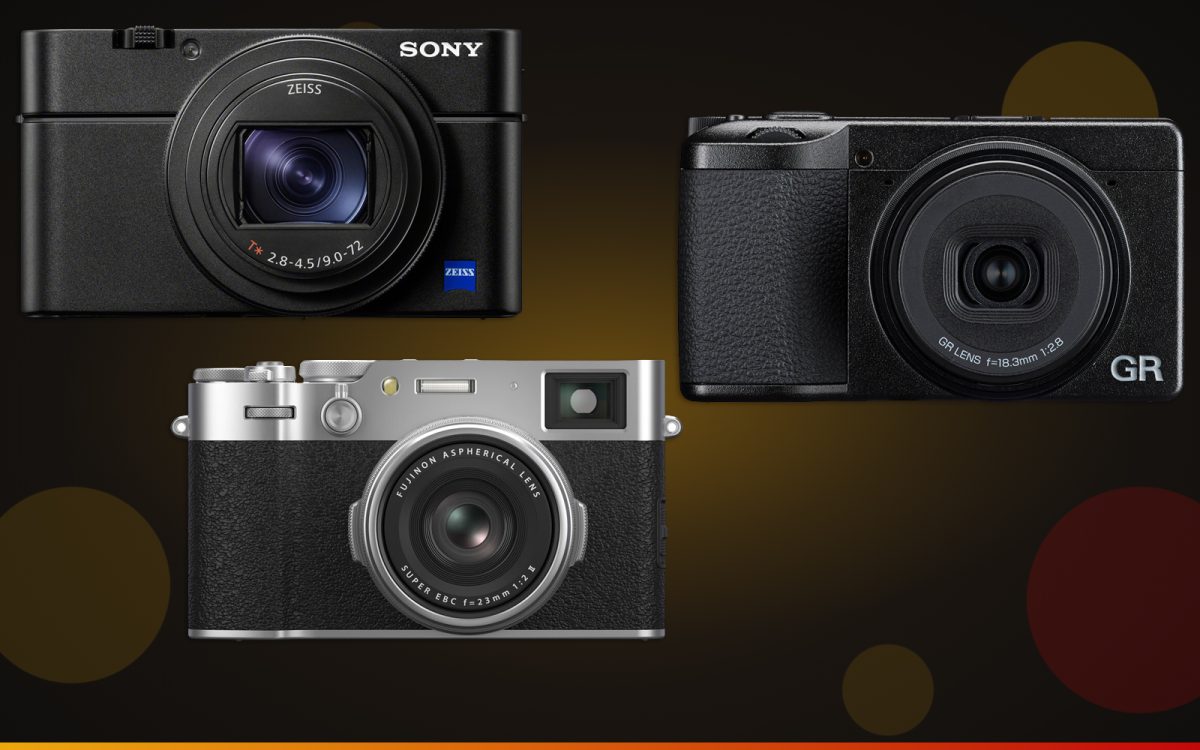
An enthusiast camera is a flexible, high-quality camera for hobby photographers who want more control than a phone or basic model.
If you enjoy taking photos and want to learn exposure, focus, lenses, and image editing, an enthusiast camera can be an excellent next step. It sits between a simple point-and-shoot camera and a professional camera, offering strong image quality and useful controls without the cost or complexity of top-end gear. This guide explains what an enthusiast camera is, how it works, what features matter, and how to choose one with confidence.

Source: amazon.com
What is an enthusiast camera?
An enthusiast camera is a camera made for serious hobbyists. It gives you manual control over key settings such as shutter speed, aperture, ISO, focus, and white balance.
The term does not describe one exact camera type. An enthusiast camera may be:
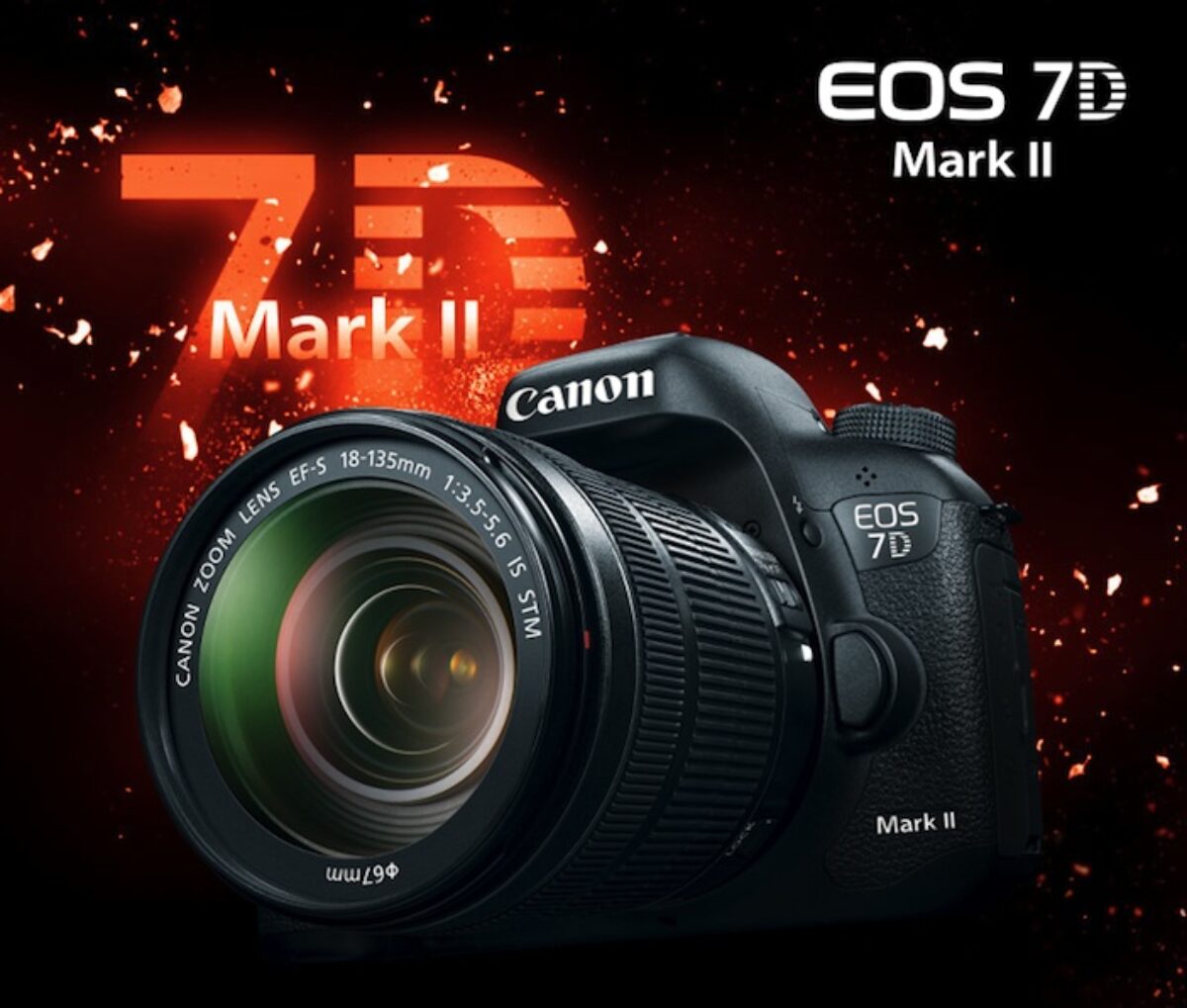
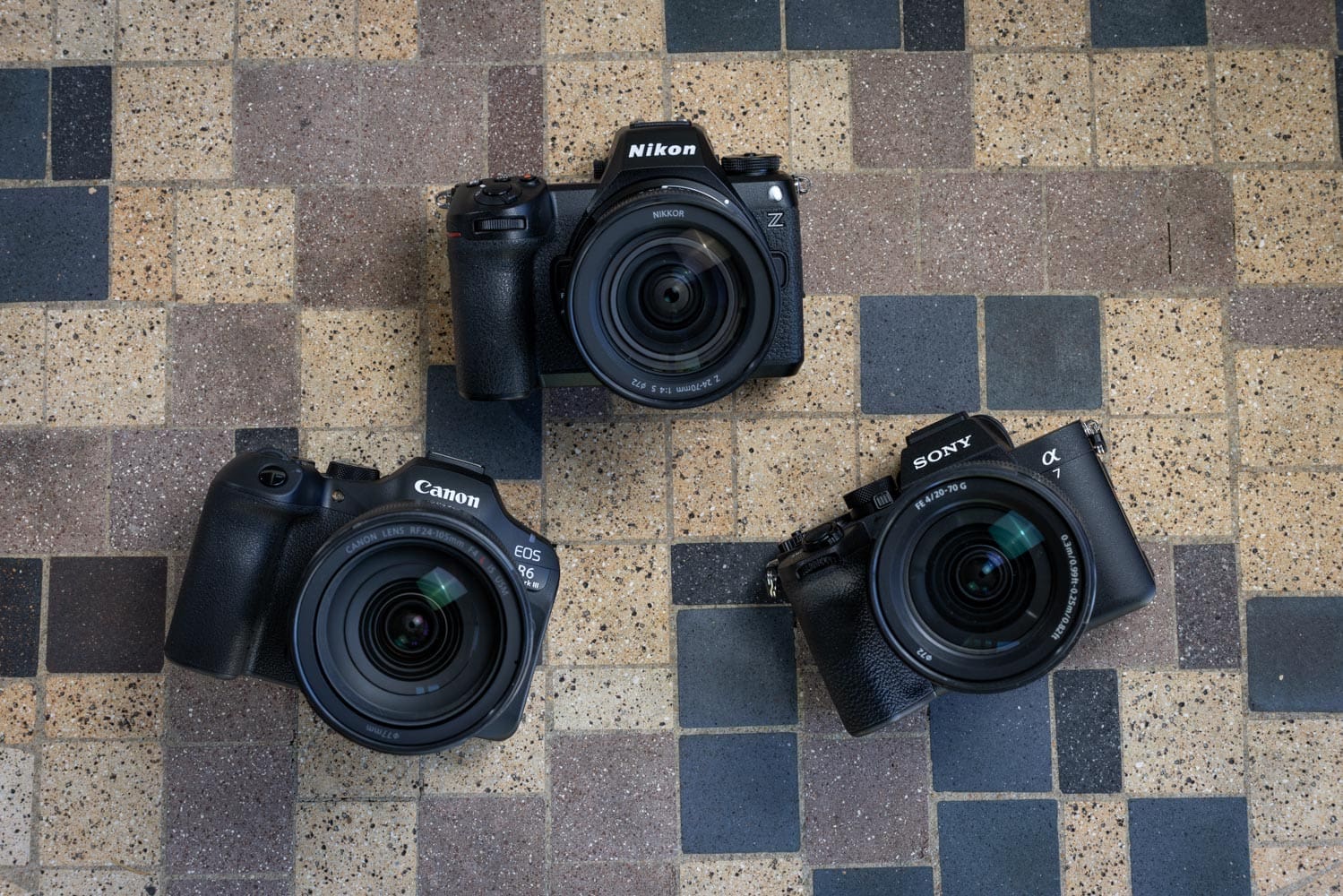
• A mirrorless camera with interchangeable lenses
• A DSLR with an optical viewfinder
• An advanced compact camera with a fixed lens
• A high-end bridge camera with a large zoom range
The main idea is control. A basic camera tries to make every choice for you. An enthusiast camera lets you guide the result while still offering automatic modes when you need them.
Think of it as a car with both automatic and manual modes. You can drive without learning every detail, but you also have room to improve your skills.
How an enthusiast camera differs from other cameras
Understanding the camera market can feel confusing. Brands often use different names for similar products. The best way to compare them is to look at control, sensor size, lens options, speed, and price.
Enthusiast camera vs. beginner camera
A beginner camera is designed for easy use. It often has a simple menu, limited controls, and a built-in lens. It may produce good photos in bright light, but it gives you less creative control.
An enthusiast camera usually offers:
• Dedicated control dials
• Manual and semi-automatic exposure modes
• Better autofocus options
• A larger image sensor
• Faster burst shooting
• More advanced video tools
• Support for external flashes and accessories
A beginner camera may be ideal for family snapshots. An enthusiast camera is better for someone who wants to understand why a photo looks the way it does.
Enthusiast camera vs. professional camera
A professional camera is built for demanding work. It may have a stronger body, faster performance, better weather sealing, longer battery life, and advanced support features.
An enthusiast camera can still produce excellent images. The key difference is often durability, speed, reliability, and specialist features rather than basic image quality.
For example, a professional sports photographer may need a camera that tracks fast subjects for hours in rain. An enthusiast photographing weekend soccer games may be happy with a lighter model that costs less.
Enthusiast camera vs. smartphone
Modern smartphones use strong software, computational photography, and multiple built-in cameras. They are convenient and can create impressive images in good light.
An enthusiast camera offers more control and flexibility. You can change lenses, create natural background blur, use a flash system, and capture more detail in challenging light.
A phone is like a pocket notebook. An enthusiast camera is more like a full art kit. Both can create something meaningful, but one gives you more tools.

Source: aseertime.com
Key features of an enthusiast camera
Not every enthusiast camera has the same features. Still, most models share several important traits.
Manual exposure controls
Manual control lets you adjust three main settings:
• Shutter speed controls how long the sensor records light. Fast speeds can freeze motion. Slow speeds can show movement or require a tripod.
• Aperture controls the lens opening. A wide aperture can blur the background. A narrow aperture can keep more of a scene sharp.
• ISO controls sensor sensitivity. A higher ISO helps in low light but may add digital noise.
These settings form the exposure triangle. Learning how they work together is one of the biggest benefits of using an enthusiast camera.
A larger image sensor
Many enthusiast cameras use Micro Four Thirds, APS-C, or full-frame sensors. These sensors are often larger than those in compact cameras and phones.
A larger sensor can help with:
• Better image quality in low light
• Lower image noise at higher ISO settings
• More natural background blur
• Greater control over depth of field
• More flexibility when editing RAW files
Sensor size is important, but it is not the only factor. Lens quality, image processing, lighting, and photographer skill also affect the final image.
Interchangeable lenses
Most mirrorless and DSLR enthusiast cameras accept different lenses. You can use a wide-angle lens for landscapes, a standard lens for daily photos, or a telephoto lens for wildlife and sports.
This flexibility makes an enthusiast camera useful for many subjects:
• Portraits
• Travel
• Street photography
• Wildlife
• Sports
• Food photography
• Landscapes
• Video
A common mistake is to spend the entire budget on the camera body and use a poor lens. In practice, a good lens can change your photos more than a small upgrade in camera resolution.
Electronic or optical viewfinders
A DSLR uses an optical viewfinder. You see the scene through the lens with a mirror and prism system.
A mirrorless enthusiast camera often uses an electronic viewfinder. It shows a digital preview of the image, including the effects of exposure and white balance.
Electronic viewfinders can offer:
• Exposure previews
• Focus magnification
• Histograms
• Focus peaking
• Easier low-light viewing
Optical viewfinders provide a direct view with no electronic display delay. Both types work well, so personal preference matters.
Advanced autofocus
Modern enthusiast cameras often include face detection, eye detection, subject tracking, and animal recognition. These tools can make it easier to photograph people and moving subjects.
Autofocus performance depends on more than the number of focus points. Lens speed, subject movement, lighting, camera software, and your technique all play a role.
For everyday photography, a reliable autofocus system is often more valuable than an extremely high megapixel count.
RAW image capture
An enthusiast camera usually lets you save RAW files. A RAW file keeps more original image data than a processed JPEG.
RAW files give you more room to adjust:
• Bright highlights
• Dark shadows
• White balance
• Color
• Exposure
• Fine detail
RAW files take more storage space and need editing software. JPEG files are smaller and ready to share. Many photographers use both formats.

Source: com.br
Benefits of using an enthusiast camera
An enthusiast camera can improve both your photos and your understanding of photography.
More creative control
Automatic modes are useful, but they cannot always understand your goal. You may want a sharp subject with a soft background, a silky waterfall, or a dark and moody scene.
Manual and semi-automatic modes let you make those choices yourself. You can shape the image instead of simply accepting the camera’s guess.
Better performance in difficult light
Small sensors often struggle in dim rooms or at night. An enthusiast camera with a larger sensor and a bright lens can capture cleaner images in those conditions.
This does not mean every enthusiast camera performs perfectly in low light. A tripod, proper exposure, and good technique still matter.
Room to grow
Many people buy an enthusiast camera because they want to learn. The camera can support you as your skills improve.
At first, you may use aperture priority. Later, you may use manual exposure, off-camera flash, advanced autofocus, and RAW editing. The camera grows with your knowledge.
Better handling
Physical controls can make photography faster. A dedicated dial is often easier to use than a touchscreen menu, especially when light changes quickly.
A comfortable grip, clear viewfinder, and well-placed buttons also reduce frustration. Good handling is not just a luxury. It helps you focus on the scene.
Stronger video features
Many enthusiast cameras can record high-quality video. Depending on the model, you may find:
• 4K recording
• Microphone input
• Headphone monitoring
• Log video profiles
• Image stabilization
• Articulating screens
• High frame rate recording
If video matters to you, check recording limits, heat management, autofocus behavior, and audio support before buying.
Source: aseertime.com
Limitations of an enthusiast camera
An enthusiast camera is powerful, but it is not perfect for every person.
Higher cost
The camera body is only the beginning. You may also need lenses, memory cards, spare batteries, a camera bag, a tripod, and editing software.
A realistic budget should include the whole system. A less expensive body with one good lens may be more useful than an expensive body with a weak kit lens.
More weight and size
An enthusiast camera is usually larger than a phone. A camera with several lenses can become heavy during travel.
This matters because the best camera is often the one you are willing to carry. A smaller mirrorless camera may be a better choice than a large professional body that stays at home.
A learning curve
The extra controls can feel overwhelming. Terms such as aperture, exposure compensation, focal length, and metering may seem difficult at first.
You do not need to learn everything in one day. Start with one setting, such as aperture, and practice it for a week.
More maintenance
Interchangeable lenses expose the camera sensor to dust when you change lenses. Batteries also need charging, and RAW files require storage and editing.
These are manageable issues, but they are part of owning an enthusiast camera.

Source: glyndewis.com
Who should buy an enthusiast camera?
An enthusiast camera may suit you if you:
• Want more control than a smartphone provides
• Enjoy learning how photography works
• Take photos often
• Want to change lenses
• Need better low-light performance
• Photograph moving subjects
• Plan to edit RAW files
• Want to explore portraits, travel, wildlife, or landscapes
You may not need an enthusiast camera if you mainly take quick snapshots, dislike carrying extra gear, or prefer automatic results.
There is no shame in using a phone or simple camera. Equipment should match your habits. A camera that fits your life will help you take more photos than a camera that stays in a drawer.
Source: johngreengo.com
How to choose the best enthusiast camera
Choosing an enthusiast camera is easier when you focus on your needs instead of chasing every specification.
1. Set a complete budget
Include the cost of the body, lens, battery, memory card, and bag. If you plan to edit photos, include computer storage and software too.
Used equipment can offer excellent value. Check the camera’s condition, shutter count, battery health, sensor, lens glass, and return policy.
2. Choose the right camera type
Mirrorless cameras are often smaller and provide modern electronic viewfinders. DSLRs can offer long battery life, comfortable grips, and strong used-market value.
Advanced compact cameras can be ideal when you want a simple system with a built-in lens. Bridge cameras often provide long zoom ranges but may use smaller sensors.
3. Select a lens for your main subject
For portraits, consider a lens with a wide maximum aperture. For travel, a compact zoom may be more practical. For wildlife, reach and autofocus are major priorities.
Do not assume one lens can do everything equally well. Every lens involves trade-offs in size, price, brightness, and focal range.
4. Test the handling
If possible, hold the camera before buying it. Check whether:
• The grip feels secure
• The controls are easy to reach
• The viewfinder is clear
• The screen is easy to use
• The menus make sense
• The camera feels too heavy
Comfort can matter more than a small difference in technical specifications.
5. Read independent reviews
Look for reviews that test autofocus, battery life, dynamic range, image quality, video, and long-term handling. Manufacturer specifications are useful, but they do not tell the whole story.
Pay close attention to real-world sample photos. Lab tests can show technical differences that may not matter in your daily work.
Source: etsy.com
Common mistakes to avoid
Buying an enthusiast camera can be exciting, but several mistakes appear again and again.
Chasing megapixels
More megapixels can help with cropping and large prints. However, resolution does not automatically create better photos.
Composition, light, focus, lens quality, and timing often matter more than a modest resolution difference.
Buying too much camera
You may not need the newest model or the largest sensor. Extra features are useful only when they solve a real problem.
Choose the camera that supports your goals. Avoid paying for professional features you will never use.
Ignoring lenses
A camera body cannot reach its full potential with a poor or unsuitable lens. Plan your lens budget before you buy.
A good starter kit might include one versatile zoom or one small prime lens. Add more only when your photography shows you what is missing.
Using automatic mode forever
Automatic mode is useful, but staying there can limit your progress. Try aperture priority and exposure compensation first. These settings offer control without making photography feel like a technical exam.
Forgetting to practice
A new camera will not transform your photography overnight. Spend time learning its autofocus, metering, buttons, and menus before an important trip or event.
One useful lesson is to practice in ordinary places. Your kitchen, neighborhood, or local park can teach you more than waiting for a perfect vacation.

Source: canonrumors.com
Enthusiast camera settings for beginners
Start with simple settings and change one thing at a time.
Aperture priority
In aperture priority mode, you choose the aperture while the camera selects the shutter speed. This is useful for portraits, travel, and everyday photography.
Use a wide aperture for a soft background. Use a smaller aperture when you want more of the scene in focus.
Shutter priority
In shutter priority mode, you choose the shutter speed. This helps when motion matters.
Use a fast speed for sports or active children. Use a slower speed for creative motion blur, but watch for camera shake.
Auto ISO
Auto ISO can help you maintain a useful shutter speed as light changes. It is especially helpful for street photography, events, and changing outdoor conditions.
Set a maximum ISO if your camera allows it. This helps prevent the camera from choosing a setting that creates more noise than you want.
Exposure compensation
Exposure compensation lets you make a photo brighter or darker without using full manual mode. It is useful when the camera makes a scene too bright or too dark.
Snow, bright beaches, and backlit subjects can confuse camera meters. A small adjustment may produce a more natural result.
Is an enthusiast camera worth it?
An enthusiast camera is worth it when you value learning, control, and flexibility. It can help you create images that are difficult to produce with a phone or basic camera.
The value depends on how often you use it. A camera that inspires you to practice has more value than a technically superior model that feels uncomfortable or confusing.
Before buying, ask yourself:
• What do I photograph most?
• Do I want interchangeable lenses?
• Will I carry the camera often?
• Do I want to edit RAW files?
• What features do I truly need?
• Can I afford the full system?
These questions usually lead to a better choice than comparing specifications alone.
Frequently Asked Questions About What Is an Enthusiast Camera
What is an enthusiast camera used for?
An enthusiast camera is used for advanced hobby photography, travel, portraits, wildlife, landscapes, sports, and video. It provides more control and better expansion options than a basic camera or phone.
Is an enthusiast camera good for beginners?
Yes. An enthusiast camera can be good for beginners who want to learn photography. It may feel complex at first, but automatic modes allow you to start easily and add manual controls over time.
Are mirrorless cameras enthusiast cameras?
Many mirrorless cameras are enthusiast cameras, but not all of them. A model qualifies more by its controls, features, sensor, lens system, and intended user than by its mirrorless design alone.
What is the difference between an enthusiast camera and a professional camera?
A professional camera usually offers greater durability, speed, weather sealing, battery life, and specialist performance. An enthusiast camera can deliver excellent image quality but may have fewer features for demanding commercial work.
Is an enthusiast camera better than a smartphone?
An enthusiast camera offers more control, interchangeable lenses, stronger low-light potential, and more editing flexibility. A smartphone is smaller, faster to share, and often more convenient for casual photos.
Do I need an enthusiast camera to take good photos?
No. Good photos depend on light, composition, timing, focus, and practice. An enthusiast camera gives you more tools, but it does not replace creative judgment or experience.
[CodeImg? Wait explicit no placeholder after FAQ. Need remove. We shouldn’t include. Continue conclusion.]
Conclusion
An enthusiast camera is a high-quality tool for photographers who want more control than a phone or basic camera can provide. It may be a mirrorless camera, DSLR, advanced compact, or bridge model, but its main purpose is to support learning and creative choice.
Look beyond megapixels. Consider the sensor, lens system, autofocus, handling, size, video features, and total cost. Start with the subjects you love, choose gear you will carry, and practice one setting at a time.
The best enthusiast camera is not always the most expensive one. It is the camera that helps you take more photos, understand your craft, and enjoy the process. Explore trusted reviews, compare complete kits, and share your photography goals in the comments.
