

An entry-level camera is an affordable, easy-to-use camera made for beginners learning photography.
An entry-level camera gives you more control and image quality than most phones without the cost or complexity of professional gear. After comparing beginner cameras, lenses, sensors, autofocus systems, and real-world use, I have found that the best choice is not always the cheapest model. It is the camera that feels simple today but leaves room for your skills to grow.
What Is an Entry-Level Camera?
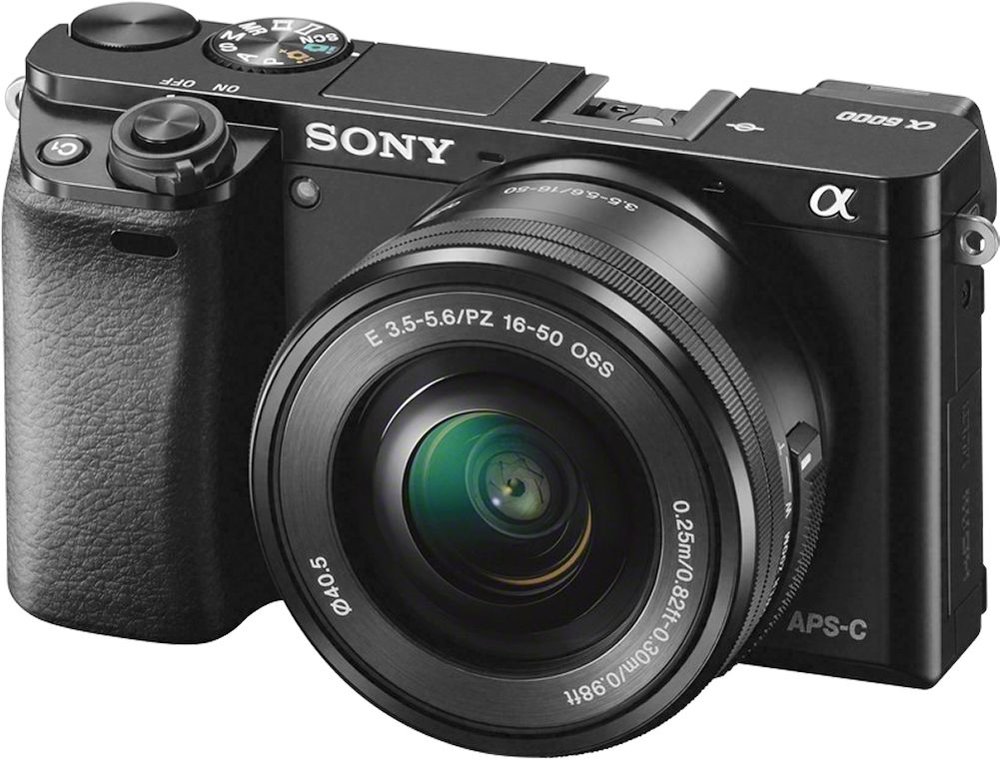
An entry-level camera is a beginner-friendly digital camera designed to make photography easier to learn. It usually offers automatic modes, guided controls, interchangeable lenses, and a price below advanced enthusiast and professional cameras.
Most entry-level cameras fall into two groups:
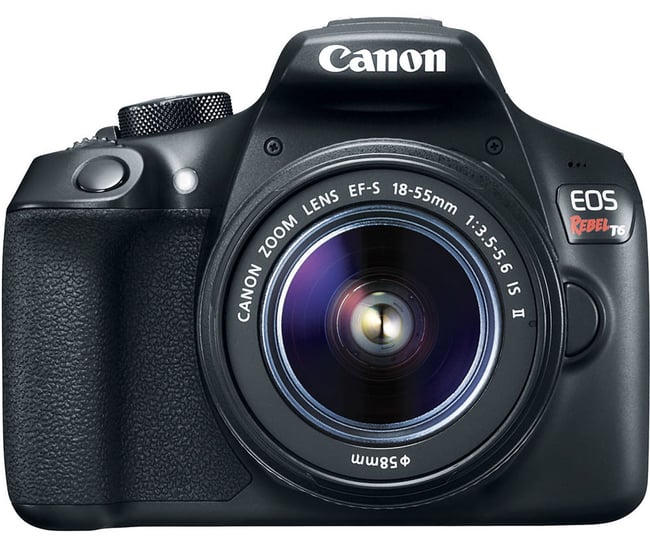
• Entry-level DSLR cameras use a mirror and optical viewfinder. They are often affordable and have long battery life.
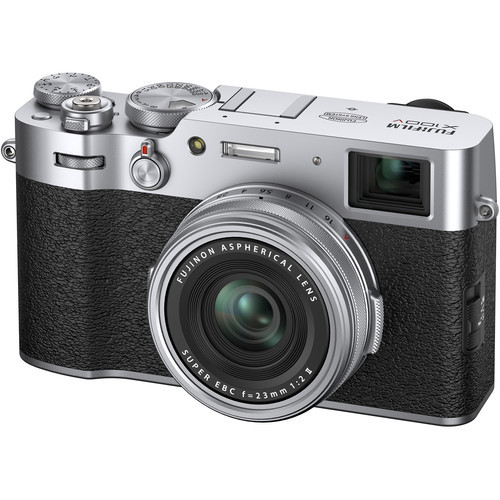
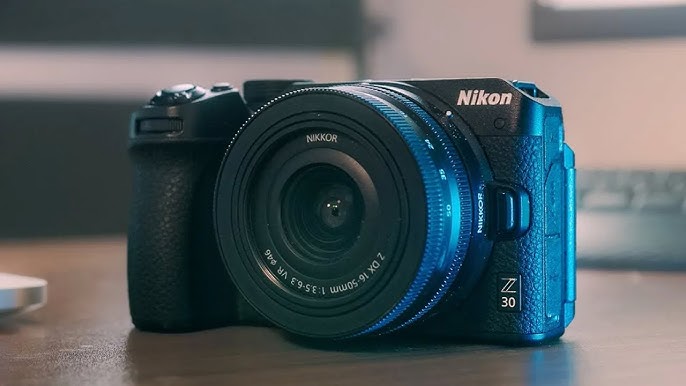
• Entry-level mirrorless cameras do not use a mirror. They are usually smaller and show a live preview through the screen or electronic viewfinder.
The phrase “entry-level” does not mean “poor quality.” Modern entry-level cameras can take sharp photos, record high-quality video, and handle many serious jobs. They are common choices for students, families, travel photographers, bloggers, and people moving up from phone photography.
Think of an entry-level camera as a first car. It should be safe, useful, and easy to drive. It does not need every luxury feature, but it should help you build confidence.
An entry-level camera often includes:
• A larger image sensor than a phone
• Interchangeable lenses
• Built-in flash or flash support
• Automatic scene modes
• RAW photo capture
• Full HD or 4K video on many newer models
• A screen and, in some cases, an electronic or optical viewfinder
Source: jonathanyu.xyz
How Does an Entry-Level Camera Work?
An entry-level camera works by allowing light to pass through a lens and reach an image sensor. The sensor turns that light into digital data, which the camera saves as a photo or video file.
Three main settings control exposure:
Aperture
Aperture is the opening inside the lens. A wide aperture lets in more light and can blur the background. A narrow aperture keeps more of the scene sharp.
For example, a portrait lens set to f/1.8 can make a person stand out from a soft background. A landscape photo may use f/8 or f/11 to keep the foreground and background clear.
Shutter speed
Shutter speed controls how long the sensor receives light. A fast speed can freeze a moving child, pet, or athlete. A slow speed can show motion blur or help capture a brighter night scene.
A shutter speed of 1/1000 second may freeze a soccer player. A speed of 1/30 second may show hand movement if you do not hold the camera steady.
ISO
ISO controls the sensor’s sensitivity to light. A low ISO usually gives a cleaner image. A high ISO helps in dark places but can add grain, also called digital noise.
Most beginners should let the camera choose ISO at first. Later, manual ISO control can help in low light.
These three settings form the exposure triangle. They work together, much like three taps controlling the flow of water into a bucket. Change one, and you may need to adjust another.
Entry-level cameras also use autofocus, metering, and image processing. Autofocus finds the subject, metering measures the light, and the processor turns the sensor data into a finished image.
Source: photographylife.com
Entry-Level Camera vs. Smartphone Camera
A modern smartphone is a powerful camera. It is quick, small, and always nearby. For casual photos, social media, and family moments, a phone may be all you need.
An entry-level camera has several important advantages:
• A larger sensor can capture more detail and perform better in low light.
• Interchangeable lenses let you choose wide, standard, telephoto, macro, or portrait views.
• Physical controls make it easier to change settings quickly.
• RAW files preserve more editing information than most standard phone images.
• A real viewfinder can make bright outdoor shooting easier.
• Longer lenses can bring distant subjects closer.
Phones still have strengths. They use advanced software to combine several images, reduce noise, sharpen details, and create background blur. This computational photography can look impressive, especially in daylight.
The best tool depends on your goal. If you want fast snapshots, a smartphone may win. If you want to learn photography, use different lenses, print large photos, or control motion and depth of field, an entry-level camera offers more room.
One common mistake is buying an entry-level camera and expecting every photo to look better than a phone right away. A camera gives you more potential, but you must learn how to use that potential. Good light, focus, timing, and composition still matter.
Source: aseertime.com
Main Benefits of an Entry-Level Camera
An entry-level camera can be a smart first step because it balances price, control, and image quality.
Better control over your photos
Automatic modes are useful, but manual controls let you decide how the image looks. You can brighten a shadow, freeze motion, or blur a background with purpose.
This control helps you understand why a photo works. Instead of guessing, you learn how light and settings affect the result.
Room to grow
A beginner camera can support you as your skills improve. You can start with automatic mode, move to aperture priority, and later try full manual mode.
You can also add lenses, a flash, a tripod, and other accessories over time. This reduces the need to replace everything after a few months.
Interchangeable lenses
The kit lens that comes with an entry-level camera is often a good starting point. Later, you may add:
• A 50mm or 35mm prime lens for portraits and low light
• A wide-angle lens for travel and landscapes
• A telephoto lens for sports, wildlife, and distant subjects
• A macro lens for flowers, insects, and small objects
The lens often changes the look of a photo more than the camera body does. This is why a simple camera with a good lens can outperform an expensive camera with a poor lens choice.
More comfortable learning
A camera body has buttons, dials, and menus made for photography. Once you learn where key controls are, you can make changes without searching through a phone screen.
This physical design can make photography feel less like tapping and more like creating.
Strong value
An entry-level camera from a few years ago may still produce excellent photos. Camera technology changes quickly, but image quality does not always improve at the same pace. A used or older model can offer a strong value if it is in good condition.
Source: improring.com
Limitations of an Entry-Level Camera
An entry-level camera is useful, but it is not perfect. Knowing its limits can help you choose with realistic expectations.
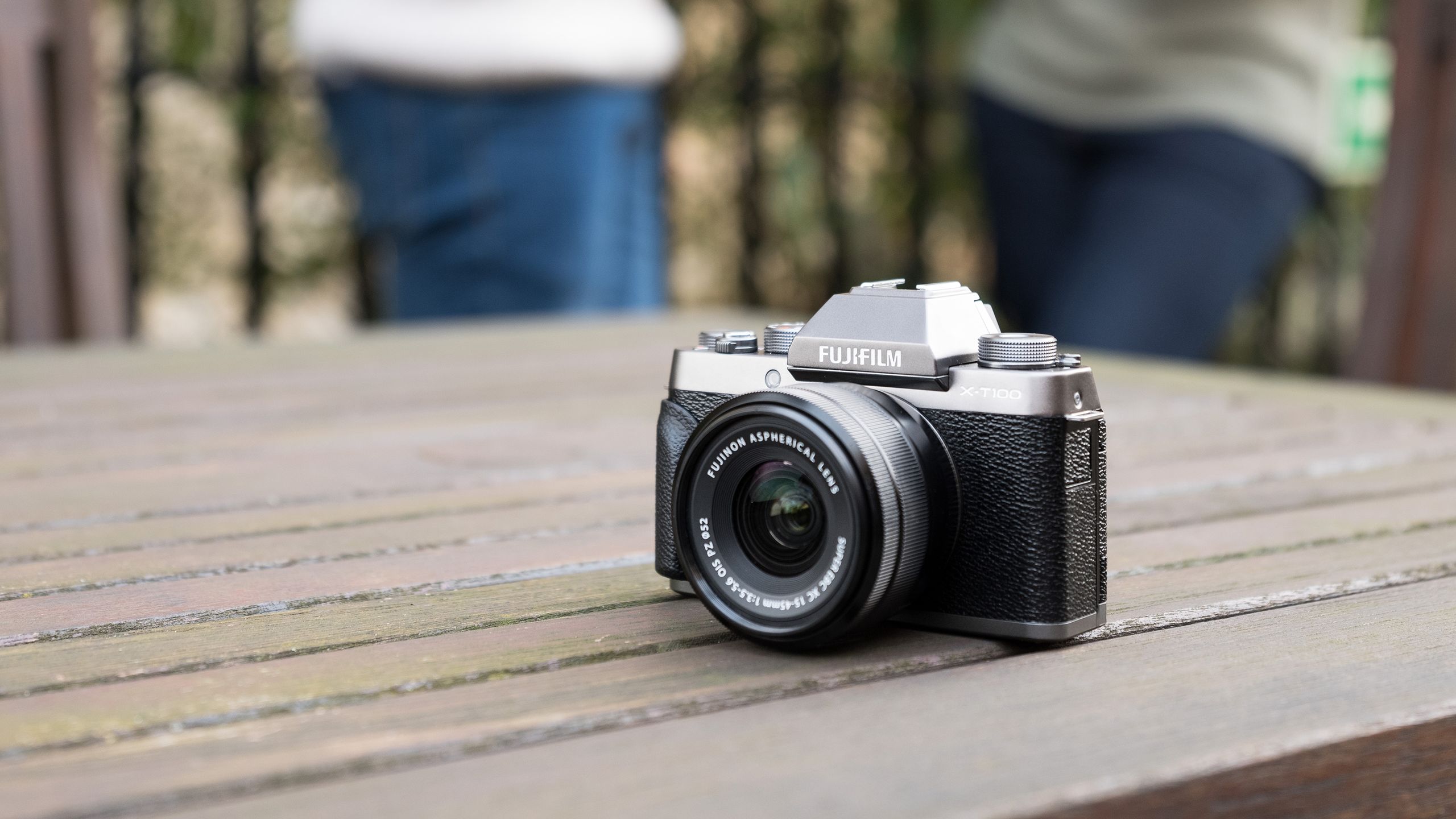
Fewer advanced controls
Compared with professional cameras, an entry-level camera may have fewer custom buttons, slower continuous shooting, or a smaller buffer for long bursts of photos.
This matters more for sports, wildlife, weddings, and other fast-moving work than for travel or family photography.
Basic kit lenses
The included lens may have a narrow maximum aperture. In simple terms, it may not let in much light. It can still be useful, but a faster lens may help in dark rooms or when you want strong background blur.
Smaller batteries
Compact mirrorless cameras often use smaller batteries than many DSLRs. Carrying a spare battery is a practical solution, especially for travel or long events.
Limited weather protection
Many entry-level models are not fully sealed against rain, dust, or snow. A light shower may not cause a problem, but you should use caution in poor weather.
Cropped sensors
Many beginner cameras use APS-C or Micro Four Thirds sensors rather than full-frame sensors. These sensors are smaller than full-frame designs.
A smaller sensor is not automatically bad. It can make cameras and lenses lighter and less expensive. However, full-frame cameras may offer an advantage in extreme low light or when you want very shallow background blur.
Video compromises
Some entry-level cameras record excellent video, but they may lack features such as advanced audio controls, strong heat management, or high-end stabilization. Check the specifications if video is your main goal.
Source: aseertime.com
What Features Should Beginners Look For?
The best entry-level camera depends on how you plan to use it. Do not choose only by megapixel count. A balanced camera is usually more useful than one with a single impressive number.
Look for these features:
Sensor size
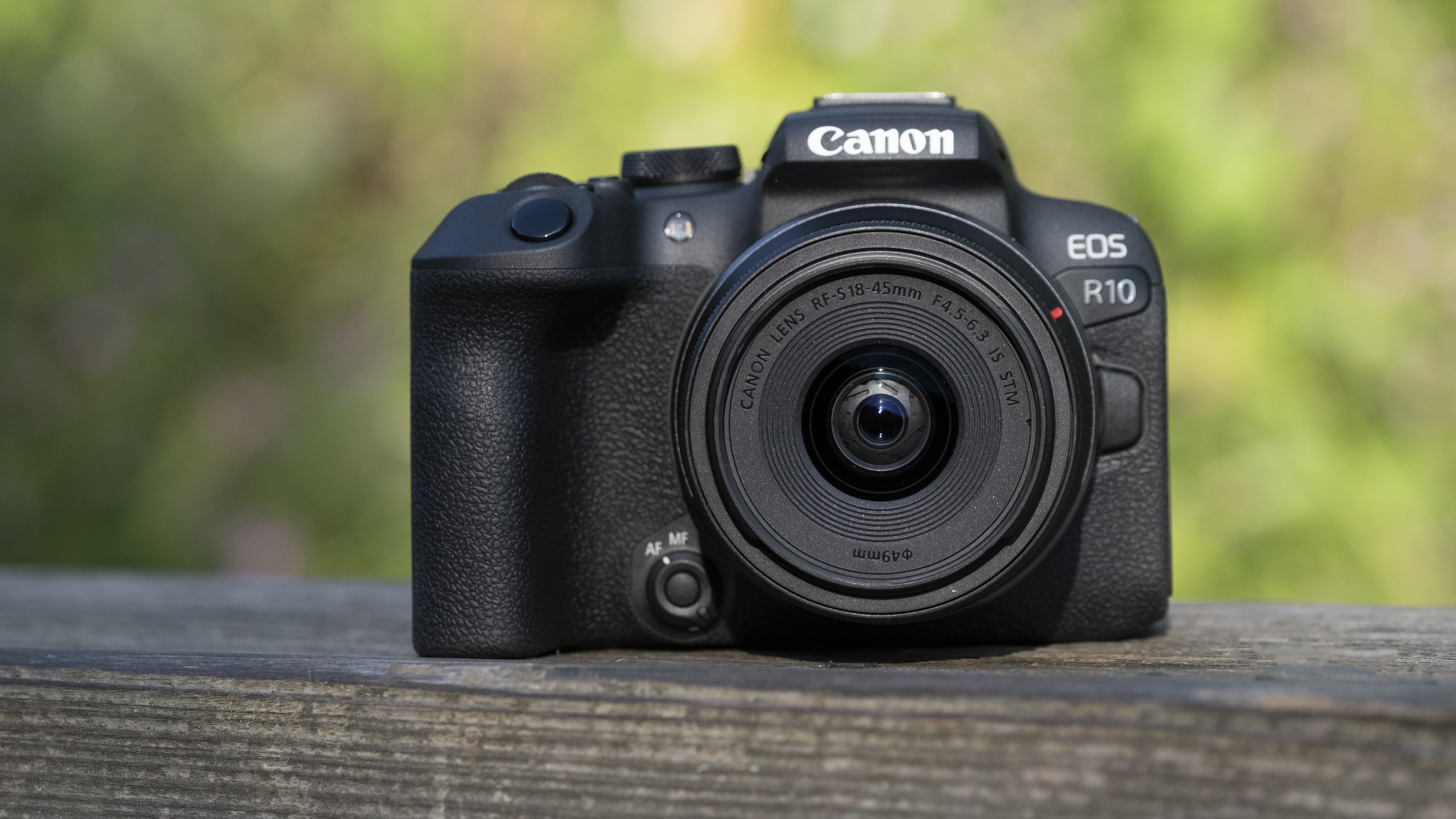
APS-C sensors are common in entry-level DSLRs and mirrorless cameras. They offer a useful balance of quality, size, and cost.
Micro Four Thirds cameras are often small and light. Full-frame models have larger sensors but usually cost more.
Easy autofocus
Good autofocus can make photography less stressful. Look for face detection, eye detection, and reliable tracking if you photograph people, pets, or moving subjects.
Comfortable controls
Hold the camera in a store if possible. Check whether the grip feels secure and whether you can reach the shutter button, control dials, and menu buttons.
A camera that feels uncomfortable may stay in your bag.
Viewfinder
A viewfinder helps you frame photos in bright sunlight. An electronic viewfinder also shows exposure changes before you take the photo.
Some small cameras rely mainly on the rear screen. That can work well, but it may feel less stable for certain types of shooting.
Lens availability
A camera system is more than one body. Check whether the brand offers affordable lenses for the subjects you enjoy.
A strong lens range can matter more than a small difference in camera specifications.
Wireless features
Wi-Fi and Bluetooth can make it easier to move photos to your phone. These features are convenient for sharing travel photos or posting content online.
Battery life
Check independent tests or user reviews rather than relying only on the manufacturer’s rating. Real battery life changes with screen use, video recording, autofocus, and temperature.
Source: thehamptonsplaza.com
DSLR or Mirrorless: Which Is Better for Beginners?
Both DSLR and mirrorless cameras can be excellent entry-level choices. The better option depends on your budget, size preference, and future plans.
Entry-level DSLR cameras
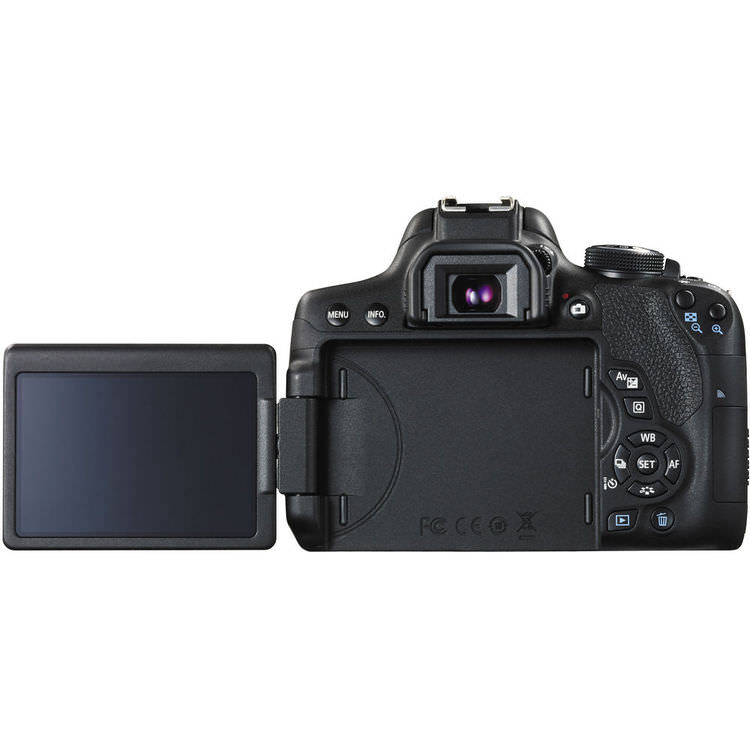
A DSLR uses a mirror to send light to an optical viewfinder. When you take a photo, the mirror moves so light can reach the sensor.
Advantages include:
• Long battery life
• Familiar optical viewing
• Large used-camera market
• Wide selection of affordable lenses
• Comfortable handling on many models
Limitations include:
• Larger and heavier bodies
• Older autofocus systems in some models
• Less live preview information through the viewfinder
Entry-level mirrorless cameras
A mirrorless camera sends light directly to the image sensor. The electronic viewfinder or screen displays a digital preview.
Advantages include:
• Smaller and lighter designs
• Strong face and eye autofocus on many models
• Live exposure preview
• Helpful video features
• Quiet shooting modes on some cameras
Limitations include:
• Shorter battery life in many models
• More dependence on electronic screens
• Some lenses and accessories can be expensive
For a new buyer, mirrorless cameras often offer the most current features. However, an affordable DSLR can still be a great learning tool. The best entry-level camera is the one you will carry and use often.
Source: aseertime.com
How Much Does an Entry-Level Camera Cost?
The price of an entry-level camera varies by brand, age, condition, lens, and features. In the United States, a new beginner camera with a kit lens often costs roughly $400 to $1,000. Used models may cost much less.
Your total budget should include more than the camera body. You may also need:
• A memory card
• A spare battery
• A camera bag
• A basic strap
• A lens cleaning cloth
• A tripod for certain types of photography
• Editing software or cloud storage
A kit lens is usually the most affordable way to start. Avoid buying several accessories before you know what you need.
Used gear can provide excellent value. Check the shutter count when possible, inspect the sensor, test autofocus, and look for damage around the lens mount. Buy from a seller with a clear return policy.
A useful rule is to spend less on accessories at first and more on practice. Ten photo walks can teach you more than an expensive filter you rarely use.

Source: capirari.com
Common Mistakes Beginners Should Avoid
Buying an entry-level camera is exciting, but a few mistakes can waste money or reduce your enjoyment.
Choosing by megapixels alone
More megapixels do not guarantee better photos. Lens quality, light, focus, technique, and sensor performance also matter.
For most beginners, a modern camera with around 20 to 26 megapixels provides plenty of detail for prints, websites, and social media.
Buying too much camera
A complex camera may look impressive, but a difficult menu can slow you down. Pick a model that makes the basic controls easy to find.
Ignoring the lens system
A camera body is only one part of the system. Research the cost and size of the lenses you may want later.
Expecting automatic mode to teach everything
Automatic mode is useful, but try aperture priority or shutter priority once you feel comfortable. These modes teach you one key decision at a time.
Using the wrong autofocus mode
For still subjects, single autofocus can work well. For moving subjects, continuous autofocus is often more suitable. The exact names differ by brand.
Forgetting composition
Sharp photos can still feel dull. Watch the background, look for leading lines, and leave space in front of moving subjects.
Not backing up photos
Memory cards can fail. Keep important images in at least two places, such as a computer and a trusted cloud service.
A Simple Way to Learn With an Entry-Level Camera
You do not need a costly course to begin. A simple practice plan can build skill quickly.
- Start with automatic mode and learn how to focus.
- Practice the same subject in soft light, direct light, and shade.
- Try aperture priority and change the aperture from wide to narrow.
- Use shutter priority to photograph movement.
- Review your photos and note what worked.
- Learn basic cropping, exposure, color, and sharpening.
- Take the same photo again after one week of practice.
Try one small project, such as photographing a local park, a family meal, or a walk through your neighborhood. A project gives your practice a clear purpose.
One lesson many beginners learn late is that moving your feet often helps more than changing settings. Step closer, change your height, or wait for better light. Photography is part technical skill and part careful observation.
Is an Entry-Level Camera Good for You?
An entry-level camera may suit you if you want to:
• Learn manual photography
• Use different lenses
• Take better portraits
• Photograph travel scenes
• Capture pets, sports, or wildlife
• Make videos or online content
• Print larger photos
• Build a long-term hobby
You may not need one if you mainly take quick snapshots and prefer the convenience of your phone. There is no shame in using a smartphone. The best camera is the tool that matches your habits and goals.
Before buying, ask yourself three questions:
• What subjects will I photograph most?
• Will I carry this camera often?
• Which lenses might I want later?
Your answers will guide you better than a list of technical specifications.
Frequently Asked Questions About What Is an Entry-Level Camera
What is an entry-level camera used for?
An entry-level camera is used for learning photography, taking family photos, shooting travel images, making videos, and exploring interchangeable lenses. It offers more control than a basic point-and-shoot camera or smartphone.
Is an entry-level camera good for beginners?
Yes. Entry-level cameras usually include automatic modes, guided menus, and simple controls. They also let beginners learn manual settings as their skills grow.
What is the difference between an entry-level camera and a professional camera?
Professional cameras usually offer faster performance, stronger build quality, better weather sealing, longer battery life, and more advanced controls. An entry-level camera costs less and is easier to learn, but may have fewer features for demanding work.
Is a mirrorless camera better than an entry-level DSLR?
Neither is always better. Mirrorless cameras are often smaller and offer modern autofocus, while DSLRs can provide long battery life and affordable used lenses.
How many megapixels should an entry-level camera have?
For most beginners, about 20 to 26 megapixels is more than enough. Image quality also depends on the lens, lighting, focus, sensor size, and editing.
Can an entry-level camera take professional photos?
Yes, an entry-level camera can produce professional-looking photos when used with good light, strong composition, and a suitable lens. The camera alone does not create a professional image.
Should I buy a new or used entry-level camera?
A used entry-level camera can offer excellent value if it is tested and sold with a return option. A new camera gives you a warranty and the latest features, so compare condition, price, and support.
Conclusion
An entry-level camera is a beginner-friendly camera that combines automatic convenience with room to learn. It usually offers a larger sensor, manual controls, interchangeable lenses, and better creative options than a phone.
The right entry-level camera is not always the newest or most expensive model. Focus on comfort, autofocus, lens choices, battery life, and the type of photography you want to enjoy. Start with one camera, one lens, and a simple project, then build your skills through regular practice.
Take the next step by comparing a few models in your budget, handling them in person, and planning your first photo walk. Share your questions or photography goals in the comments, and keep exploring until you find the camera that feels right for you.
