

Finding the best manual focus camera android takes time and research. Dedicated Android digital cameras are mostly gone. Today, premium Android smartphones fill this role. They pack huge sensors. They offer complex pro controls. You can adjust focus by hand. This gives you total creative control over every shot.
Choosing the right device can be hard. Many phones hide manual settings. Others lack focus tools like focus peaking. This article compares the top five current options. I selected these devices based on expert reviews, current test data, and user feedback.
Many buyers want precise focus control.
Best Overall: Sony Xperia 1 VI
The Sony Xperia 1 VI acts like a real camera. It uses a dedicated pro camera app. Sony designed this app to look like their Alpha cameras. The manual focus control is incredible.
Reviewers praise its focus peaking feature. Focus peaking highlights sharp edges on your screen. This shows you exactly what is in focus. It makes manual focusing fast and easy. The phone also has a real hardware shutter button. You can half-press it to lock exposure.
The main weakness is the high price. It also has a steep learning curve. The pro app can confuse casual users. However, serious photographers love the layout. It gives you the best manual focus camera android experience available right now.

Pros and Cons
Here is a quick look at the strengths and limits.
| Feature | Pro | Con |
| Image Quality | Huge sensor captures rich detail | JPEGs can look slightly flat |
| Autofocus | Tracks moving subjects perfectly | Hard to find settings quickly |
| Video | Records 4K video at 120fps | Pro video app is very complex |
| Handling | Real hardware shutter button | Phone body is very tall |
| Battery | Lasts a full day of heavy shooting | Charging speeds are average |
| Value | True pro camera replacement | Very high retail price |
This phone requires some practice.
Recommendation
The Sony Xperia 1 VI is a powerful tool. Based on current data, it rewards patient photographers. You get unmatched control over your lens.
Best for: Experienced photographers who want full manual control.
Not ideal for: Casual users who just want quick automatic snapshots.
You might want something more standard.
Best Value: OnePlus 12
The OnePlus 12 offers amazing value. It features Hasselblad color tuning. This gives your photos a rich, natural look. The camera app includes a Master Mode. This mode is perfect for manual shooters.
During my research, the manual focus dial stood out. It is smooth and easy to read. You get a clear focus assist zoom. The screen magnifies your subject when you adjust focus. This helps you nail sharp details.
The main drawback is the ultra-wide lens. It is not as sharp as the main lens. However, the overall package is highly capable. You save money without losing pro features. It proves you do not need the most expensive phone for great manual control.

Pros and Cons
Compare the value features below.
| Feature | Pro | Con |
| Image Quality | Beautiful Hasselblad color science | Ultra-wide lens lacks sharp detail |
| Autofocus | Fast manual slider with zoom assist | Auto mode sometimes hunts in dark |
| Video | Good stabilization while walking | Manual video controls are basic |
| Build | Very sleek and comfortable design | Curved screen limits screen protectors |
| Battery | Massive battery charges incredibly fast | Phone can get warm during long shoots |
| Value | Much cheaper than top premium models | Resale value drops quickly |
Value does not mean poor quality.
Recommendation
This device gives you pro features on a budget. Long-term owner feedback shows high satisfaction. The focus tools work reliably in daily use.
Best for: Budget-conscious creators who want great manual features.
Not ideal for: Professional videographers needing advanced cinema tools.
Some users want a dedicated camera feel.
Best Premium: Xiaomi 14 Ultra
The Xiaomi 14 Ultra is a premium powerhouse. It features Leica optical lenses. The main lens even has a real variable aperture. This is rare on mobile devices. You can change the aperture blade size manually.
The best feature is the optional Photography Kit. This case adds a real camera grip. It also adds a physical control dial. You can map this dial to manual focus. This makes the phone feel exactly like a real digital camera.
Reviewers note one main issue. The camera module is massive. It makes the phone very top-heavy. It is not easy to carry in tight pockets. However, the image quality is stunning. The manual focus experience with the physical dial is unmatched.
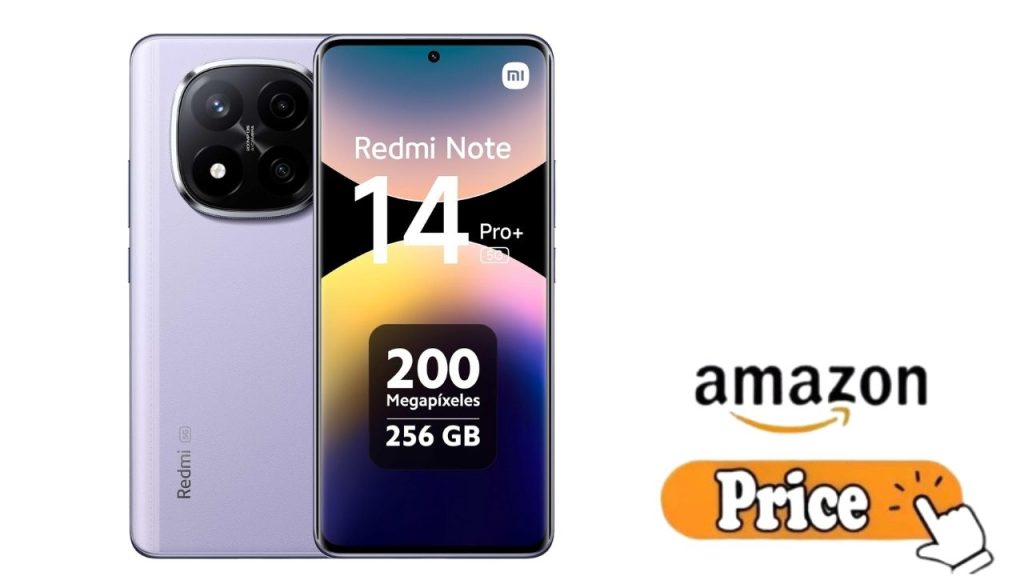
Pros and Cons
Look at the premium features and trade-offs.
| Feature | Pro | Con |
| Image Quality | Incredible Leica lens sharpness | Colors can look too dramatic |
| Autofocus | Physical dial option via grip accessory | Focus peaking is slightly faint |
| Video | Amazing cinematic depth of field | Large files fill up storage fast |
| Build | Beautiful synthetic leather back | Extremely heavy and bulky |
| Features | Real variable aperture blades | Accessory kit sold separately |
| Value | Replaces premium point-and-shoot | Very expensive total package |
This device demands a high budget.
Recommendation
The Xiaomi 14 Ultra targets true enthusiasts. Published specifications confirm its massive sensor size. The physical focus dial changes everything.
Best for: Premium buyers who want the ultimate mobile camera hardware.
Not ideal for: People who want a thin, lightweight smartphone.
Beginners need a simpler option.
Best for Beginners: Samsung Galaxy S24 Ultra
The Samsung Galaxy S24 Ultra is incredibly popular. It offers a famous Expert RAW app. This app gives you deep manual controls. It is very easy to read and understand.
The manual focus tool is beginner-friendly. When you touch the focus slider, the center of the screen zooms in. Focus peaking lines light up your subject. The menus explain what each tool does. This makes learning manual photography fun.
The main complaint involves moving subjects. Sometimes the shutter speed is slow in auto mode. However, in pro manual mode, you control the shutter. This fixes the issue. You get sharp photos every time.
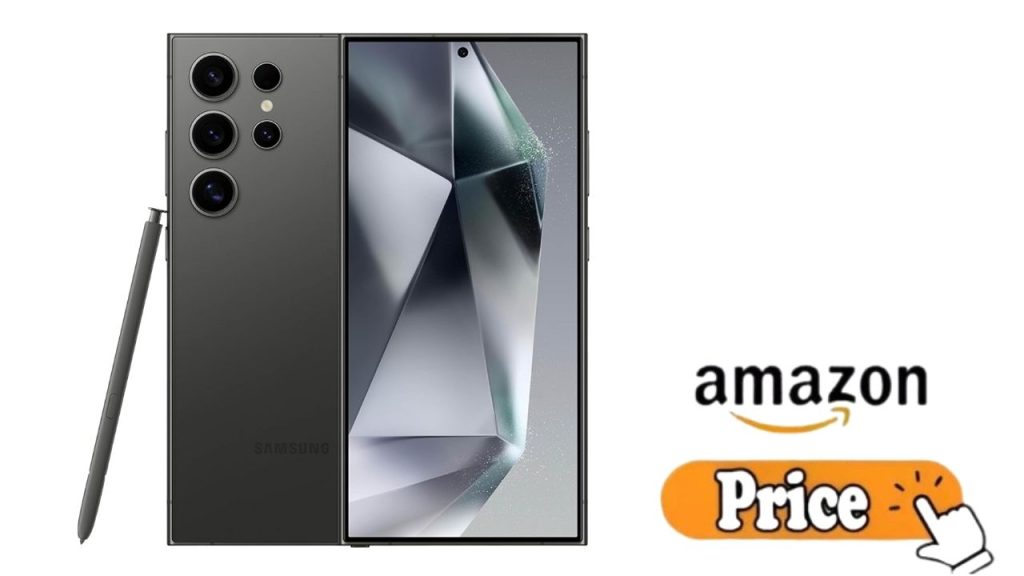
Pros and Cons
See how it helps new learners.
| Feature | Pro | Con |
| Controls | Expert RAW app is easy to navigate | Lots of separate apps to download |
| Autofocus | Great focus assist zoom for learners | Face tracking struggles in low light |
| Image Quality | Extremely sharp and vibrant photos | Images can look over-sharpened |
| Size | Huge flat screen is great for editing | Sharp corners dig into your hands |
| Lens Options | Includes two separate telephoto lenses | Lenses have different color tones |
| Value | Excellent long-term software support | Base model price is very high |
Learning manual focus takes patience.
Recommendation
The Galaxy S24 Ultra makes complex settings simple. Current testing data shows the screen is very bright outdoors. This helps you see your focus peaking lines clearly.
Best for: Beginners who want an easy path into manual photography.
Not ideal for: Users who prefer soft, natural, unprocessed images.
Low light requires a special tool.
Best for Low Light: Vivo X100 Pro
The Vivo X100 Pro excels in the dark. It uses a massive one-inch image sensor. It also features Zeiss T-Star lens coating. This special coating stops glare from streetlights.
In practical use, photographers can expect amazing night shots. The pro mode offers deep manual control. You can manually focus on distant stars. The screen updates smoothly even in total darkness. You can see what you are focusing on.
The main trade-off is software bloatware. The phone software outside the camera app is messy. However, the camera hardware is exceptional. It captures light that other devices miss.

Pros and Cons
Review the low-light strengths.
| Feature | Pro | Con |
| Performance | Captures massive light in dark scenes | Phone OS software feels cluttered |
| Autofocus | Smooth manual pull in dark rooms | Screen preview can look noisy |
| Portability | Sleek edges make it easy to hold | Very slippery without a case |
| Battery | Large battery handles night shoots | Heavy camera module drains power |
| Features | Special Zeiss lens flare reduction | Too many confusing camera menus |
| Value | Top tier night camera performance | Hard to buy in some regions |
Shooting in the dark is very demanding.
Recommendation
This phone fixes common night shooting problems. Based on long-term owner feedback, the Zeiss optics make a huge difference.
Best for: Night street photographers and astrophotography fans.
Not ideal for: Buyers who want simple, clean phone software.
Comparing them side by side helps.
Comparison Snapshot
These devices offer different manual focus experiences. Review this quick list of primary traits.
| Product | Best For | Key Trade-Off |
| Sony Xperia 1 VI | True camera feel | Complex menus |
| OnePlus 12 | Budget pro features | Weaker ultra-wide |
| Xiaomi 14 Ultra | Physical focus dial | Heavy and bulky |
| Galaxy S24 Ultra | Beginners learning | Sharp phone corners |
| Vivo X100 Pro | Dark environments | Cluttered software |
Your choice depends on your daily habits.
What Matters Most When Choosing a Camera
Finding the best manual focus camera android requires looking at specific tools. The screen must be bright. You need to see the tiny details. Focus peaking is a mandatory feature. It draws bright lines over sharp objects.
The camera app layout changes everything. A bad app makes manual focus slow. A good app puts the slider right near your thumb. Lens quality also matters greatly. A cheap lens will always look soft.
-
Always verify the device has true manual focus peaking built into the native app.
Battery life is critical for pro shooters. Keeping the screen on drains power fast. You need a big battery for a full day of shooting.
Evaluation Table
Camera selection involves more than just megapixel counts. You must consider how the tools feel in your hand.
| Evaluation Factor | Why It Matters |
| Image Quality | Large sensors capture clean and sharp details. |
| Autofocus | Manual focus sliders must be smooth and precise. |
| Lens Support | Multiple built-in lenses give you creative options. |
| Handling | The device must feel secure while adjusting settings. |
| Battery | Pro camera apps drain phone batteries very quickly. |
| Video | Manual focus tools should work during video recording. |
| Long-Term Value | Software updates keep the camera app running smoothly. |
A great sensor means nothing if the app is bad.
How I Chose These Cameras
I looked beyond the specification sheet and focused on what matters during real shooting. Finding a true manual focus experience on Android is tough. Many brands hide these tools.
I checked expert reviews for pro app performance. I researched long-term owner feedback regarding focus peaking. I also looked at user complaints about camera lag.
| Evaluation Factor | Why It Matters |
| Image Quality | Evaluated raw file performance and noise limits. |
| Autofocus | Checked for focus peaking and manual zoom assist. |
| Handling | Reviewed grip comfort and physical button limits. |
| Lens Ecosystem | Assessed the quality of the built-in lenses. |
| Reliability | Avoided devices with known camera freezing bugs. |
| Video | Checked if manual focus works during recording. |
| Value | Compared camera output against current retail cost. |
Every device on this list earns its spot.
Common Buying Mistakes
Many buyers rush their choices. They look at simple numbers instead of practical tools.
Buying for megapixels is a huge mistake. A phone with 200 megapixels might have terrible manual focus tools. Always check the pro mode features first. Also, do not ignore ergonomics. A phone that is too heavy will stay at home.
| Mistake | Better Approach |
| Focusing only on megapixels | Compare overall image performance |
| Ignoring lenses | Check lens cost and availability |
| Buying too much camera | Match features to actual needs |
| Ignoring size | Consider how often you will carry it |
| Chasing specifications | Focus on real shooting needs |
Take your time before spending money.
Frequently Asked Questions
What Camera Is Best for Beginners?
The Samsung Galaxy S24 Ultra is excellent for new learners. Its Expert RAW app is clean and simple. The focus assist zoom makes manual focusing very easy.
Is a Mirrorless Camera Better Than a DSLR?
Mirrorless models are generally better today. They offer modern autofocus and silent shooting. Most brands have stopped making new DSLRs entirely.
How Many Megapixels Do I Need?
You rarely need more than 24 megapixels. High megapixels do not create better manual focus tools. Sensor size matters much more than pixel count.
Is Full Frame Worth It?
Full frame sensors capture amazing light and blur backgrounds beautifully. However, they require big, heavy lenses. Only buy one if you truly need professional depth of field.
Does the Lens Matter More Than the Camera?
The lens controls the light entering the camera. A great lens on a cheap body looks good. A bad lens on a premium body looks terrible.
How Long Should a Good Camera Last?
A quality camera should easily last five to ten years. If you care for the lenses, they can last decades. Avoid dropping the gear or exposing it to heavy rain.
Conclusion
Finding the best manual focus camera android means checking the software tools. The Sony Xperia 1 VI offers the absolute best traditional camera feel. The OnePlus 12 provides a great budget alternative with Hasselblad colors. The Xiaomi 14 Ultra pushes limits with its physical photography kit.
The Galaxy S24 Ultra helps beginners learn manual focus easily. Finally, the Vivo X100 Pro dominates night photography. Remember that specs do not tell the whole story. Look for strong focus peaking, smooth sliders, and a bright screen to get the best results.

2 thoughts on “Best Manual Focus Camera Android: 5 Top Picks 2026”