

Do your photos look flat? Do you want that nice blurry background? You are in the right place. Many new buyers ask what is depth of field in film and photos. It matters a lot. It makes your shots look pro. In this guide, I will show you how it works. You will learn how to choose the right gear. I am Ellis Evans. I test cameras for TechToGoal. I will help you get the best shots. No fluff. Just clear facts. Let us dive right in.
Quick Answer
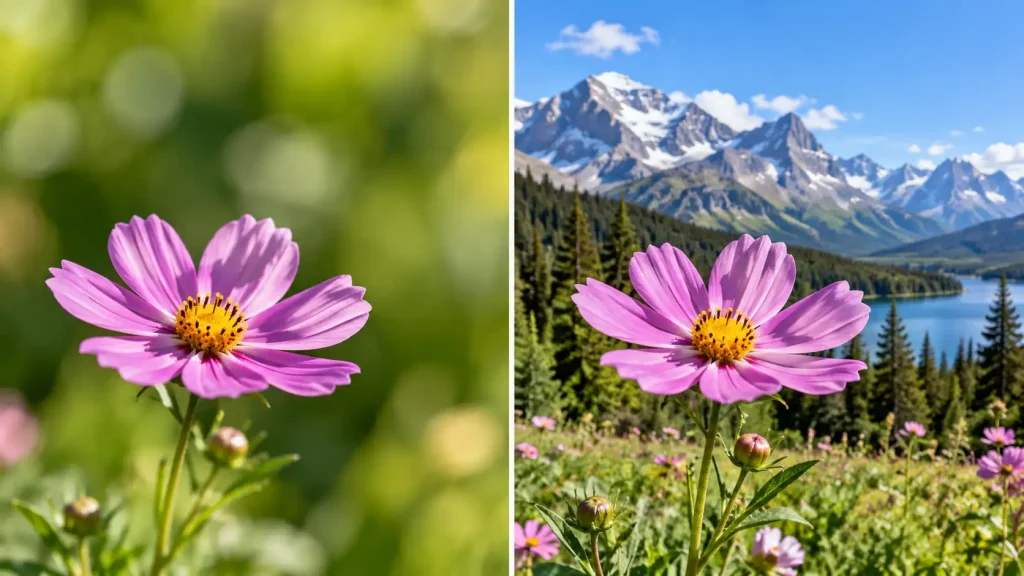
Depth of field is the part of your image that is sharp. A shallow depth of field keeps just the subject in focus. The rest gets blurry. A deep depth of field keeps everything sharp. You control it with your lens, distance, and camera settings.
Depth of Field Definition
What does it mean? It is a simple concept. Your camera lens focuses on a point. Some space in front of that point is sharp. Some space behind it is sharp too. This whole sharp zone is the depth of field. If the zone is thin, the background blurs. If the zone is thick, everything is clear.
This is key for good shots. It tells the eye where to look. In movies, it sets the mood. When buyers ask to have a what is depth of field in film explain session, I keep it simple. It is just your zone of sharpness.
What is a Shallow Depth of Field?
A shallow depth of field means a very thin sharp zone. Only a small slice of the scene is clear. The rest is a soft blur. We call this blur “bokeh.”
Why use it?
-
It hides ugly backgrounds.
-
It makes faces pop out.
-
It adds a dreamy feel.
To get this, you need a fast lens. Fast lenses have wide openings. We call these openings the aperture. A small f-number like f/1.8 makes a wide opening. This gives you that thin sharp zone.
Types of Depth of Field
There are two main types of depth of field. You must know them both to take good photos.
1. Shallow
-
Thin focus zone.
-
Blurry background.
-
Great for portraits.
-
Great for close up shots.
-
Great for food photos.
2. Deep
-
Thick focus zone.
-
Everything is sharp.
-
Great for landscapes.
-
Great for street shots.
-
Great for real estate photos.
If you shoot a movie, you use both. It helps tell the story. A sad scene might use a shallow focus. An epic view needs a deep focus.
Depth of Field Examples
Let us look at a what is depth of field in film example. These are setups you see all the time.
Example 1: The Hero Shot
The main actor stands in the street. The camera focuses on his eyes. The cars behind him are just blurry shapes. This is a shallow depth of field. It makes him the star. You do not look at the cars. You look right at him.
Example 2: The Big City
The camera shows a whole city block. You can see a dog up close. You can see a tall building far away. Both are sharp. This is a deep depth of field. It shows the whole world. It lets your eye wander around the scene.
These are common depth of field examples. You see them on TV every day. You can do this with your camera too.
How to Control It
You have three main tools. They change your zone of focus. You can use them one by one. Or you can use them all at once.
1. Aperture
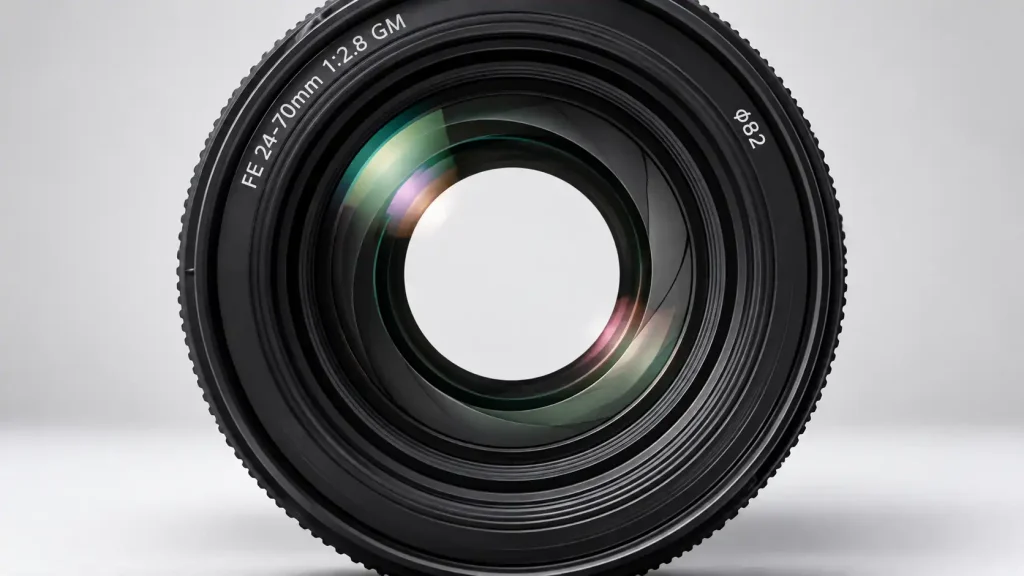
This is the hole in your lens. A big hole (like f/1.8) makes a shallow zone. A small hole (like f/16) makes a deep zone. This is the best way to get blur. According to Nikon’s official educational guides, aperture is the most powerful tool for background blur.
2. Distance to Subject
Get close to your subject. The closer you get, the blurrier the background gets. Step back, and things get sharper. This is free. You do not need a new lens to do this. Just use your feet.
3. Focal Length
Zoom in. A long lens (like 85mm) makes the blur look softer. A wide lens (like 24mm) keeps more things sharp. If you have a zoom lens, zoom all the way in to get more blur.
Depth of Field Photography vs Film
Is there a difference? Not really. Depth of field photography uses the exact same rules as film. A camera is a camera. Lenses work the same way. The math does not change. The only difference is motion.
In film, the subject moves. This makes focusing hard. Film crews use a “focus puller.” This person keeps the moving actor sharp. In photos, your autofocus does this job. Modern cameras are very smart. They track eyes perfectly.
Gear You Need for Shallow Focus
Do you want that pro blur? Your kit lens might not be enough. Most kit lenses stop at f/4 or f/5.6. This does not blur much.
Buy a Prime Lens
A prime lens does not zoom. It has a fixed view. But it has a wide aperture. Look for a 50mm f/1.8 lens. They are cheap. They take great photos. Every major brand makes one.
Sensor Size Matters
A big sensor helps too. Full-frame cameras give you more blur than small crop sensors. If you want max blur, full-frame is best. The experts at the DPReview camera testing lab test these sensors to show exactly how size affects image quality and blur.
Action Cameras and Focus
Action cameras are very popular right now. Think about a standard action cam. These cameras do not give you a blurry background. Why? Because they have tiny sensors. They also have very wide lenses.
Their goal is to keep everything sharp. When you ride a bike, you want to see the whole trail. This is a deep depth of field. If you want blur, do not buy an action camera. Buy a mirrorless camera instead.
Depth of Field BL
You might see the term Depth of Field BL online. It often means background blur. BL is short for blur. Some people use this term when they edit photos.
When you edit, you can add fake blur. Phones do this a lot. Portrait mode uses software. It guesses what should be sharp. But real lens blur always looks better. Real blur is smooth. Fake blur can look messy around a person’s hair.
When to Get Professional Help or a Second Opinion
Sometimes your gear stops working. Good blur needs a good lens. Here is when you need a pro to look at your gear.
1. Your Lens Will Not Focus
If your lens hunts for focus and fails, the motor might be bad. Do not take the lens apart. You will ruin it. Send it to a shop.
2. Dark Spots on Your Images
If you see dark spots on a deep depth of field shot (like at f/16), your sensor is dirty. You can blow the dust off. But if the dirt is stuck, stop. Do not touch the sensor. A pro shop can clean it safely.
3. Fungus in the Lens
Look inside your lens. Do you see fuzzy webs? That is fungus. It ruins your focus zone. Send it to a service center fast. They can clean it.
Helpful Table: Shallow vs Deep Focus
| Feature | Shallow Focus | Deep Focus |
| Best For | Portraits, pets, details | Landscapes, cities, groups |
| Aperture Used | f/1.4 to f/2.8 (Wide) | f/8 to f/16 (Narrow) |
| Lens Choice | Prime lens (50mm or 85mm) | Wide angle lens (16mm or 24mm) |
| Background | Soft and blurry | Crisp and clear |
| Light Needed | Works well in low light | Needs bright light or a tripod |
Expert Tip:
Do you want a cheap way to learn this? Buy a used 50mm f/1.8 lens. We call it the “nifty fifty.” It is the best first lens. It will teach you how aperture changes the shot. It gives you pro blur for very little money.
Common Mistakes Camera Buyers Should Avoid
New buyers make these mistakes. Avoid them to save time and money.
-
Buying the wrong lens for blur. Do not buy a slow zoom lens (like f/4-7.1) if you want a blurry background. It will not work well.
-
Shooting too wide open. An f/1.4 lens is great. But if you shoot a group of people at f/1.4, only one person will be sharp. Stop down to f/4 for groups.
-
Ignoring the background. Just because it is blurry does not mean it is gone. Bright red cars in the background will still distract the eye. Move your subject.
-
Forgetting the shutter speed. A wide aperture lets in lots of light. On a sunny day, your photo might turn out all white. Use a fast shutter speed to fix this.
-
Not checking minimum focus distance. Every lens has a limit. If you get too close, it cannot focus. Step back a few inches.
Why Lens Quality Matters
Not all blur is the same. Cheap lenses can make harsh blur. Good lenses make smooth, creamy blur. The shape of the aperture blades matters.
More blades make a rounder hole. A round hole makes round, soft blur circles. Lenses with 9 or 11 blades are very good. The Camera & Imaging Products Association sets standards for how many camera specs are tested and reported. Always check the specs before you buy a new lens.
How to Practice at Home
You do not need to travel to learn this. You can do it today. Just follow these simple steps.
1. Put your camera in Aperture Priority mode (A or Av on the dial).
2. Pick a small object. An apple works perfectly.
3. Put the apple on a table. Make sure the wall behind it is far away.
4. Set your aperture to the lowest number (like f/2.8 or f/4).
5. Get close to the apple and take a shot.
6. Now change the aperture to f/16. Take another shot.
7. Look at both photos.
The first shot will have a blurry wall. The second shot will have a sharp wall. You just mastered the basics!
Keeping Your Lenses Clean
Clean glass gives you sharp photos. If your lens is dirty, your focus will suffer.
First, use a rubber blower. Squeeze it to blow dust off the glass. Never blow with your mouth. Your breath has moisture.
Next, wipe the glass gently. Move in small circles with a clean cloth. Do this only when you see smudges. Do not clean it every day. You might scratch the special coating on the glass.
Moisture is bad for lenses. It causes fungus. Keep your lenses in a dry bag. Use silica gel packs. This keeps the glass safe and your focus crisp.
FAQs
What is a shallow depth of field?
It is when only a small part of your photo is sharp. The subject is clear. The background is soft and blurry. It makes the main subject stand out.
How do I get a blurry background?
Use a low f-stop number like f/1.8. Get close to your subject. Make sure the background is far away. This creates maximum blur.
Does sensor size affect background blur?
Yes. A full-frame sensor gives you more blur than a smaller crop sensor. It lets you get closer to your subject for the same view.
What is the best lens for portraits?
A 50mm or 85mm prime lens is best. Look for one with an f/1.8 or f/1.4 aperture. These give the best soft backgrounds for faces.
Why is my whole photo blurry?
Your shutter speed might be too slow. Or, your lens is too close to the subject to focus. Try stepping back. Also, hold the camera very still.
Should I shoot wide open all the time?
No. Wide open (like f/1.4) is very thin. If a person turns their head, one eye might be blurry. Use f/2.8 or f/4 to keep the whole face sharp.
Do phone cameras have real depth of field?
Phones have a tiny bit of real blur. But most phone blur is fake. Software makes it look blurry. Real cameras use real glass to do it better.
Conclusion
Understanding what is depth of field in film and photography changes everything. It is your best tool. It tells the viewer what to look at. A shallow focus hides ugly backgrounds. A deep focus shows the whole world.
You control it with your aperture, distance, and lens choice. Do not let the tech terms scare you. It is just a zone of sharpness. Grab your camera. Try the apple test I shared above. Play with your f-stop numbers.
Are you ready to take better photos? Check your lens today. See how wide the aperture goes. If it only goes to f/4, think about buying a cheap prime lens. A 50mm f/1.8 will blow you away. Start shooting, and have fun!
Also read: Depth of Focus vs Depth of Field: Which Matters More?

1 thought on “What Is Depth of Field in Film and Photography?”