

An action camera is a small, rugged camera made to record hands-free video during active outdoor adventures.
If you enjoy hiking, biking, skiing, surfing, travel, or family activities, learning what is an action camera can help you choose the right tool. Unlike a regular camera, it is built to handle movement, weather, bumps, and unusual camera angles. This guide explains how action cameras work, what they can do, their limits, and how to use one well.
Source: popularmechanics.com
What Is an Action Camera?
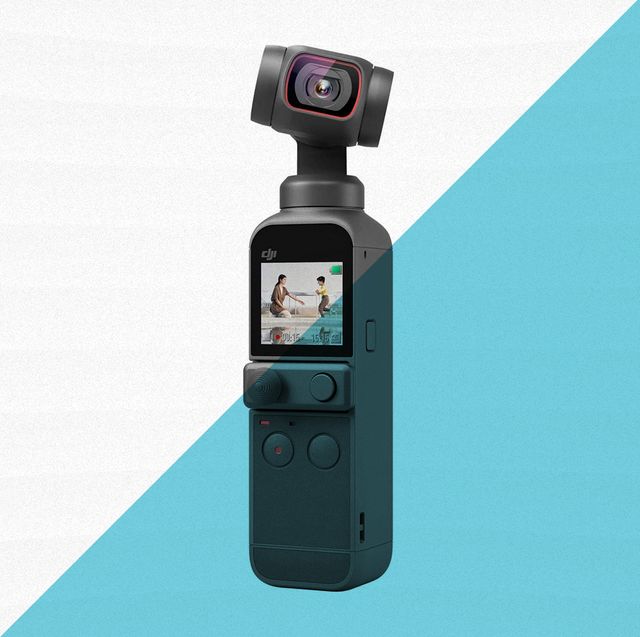
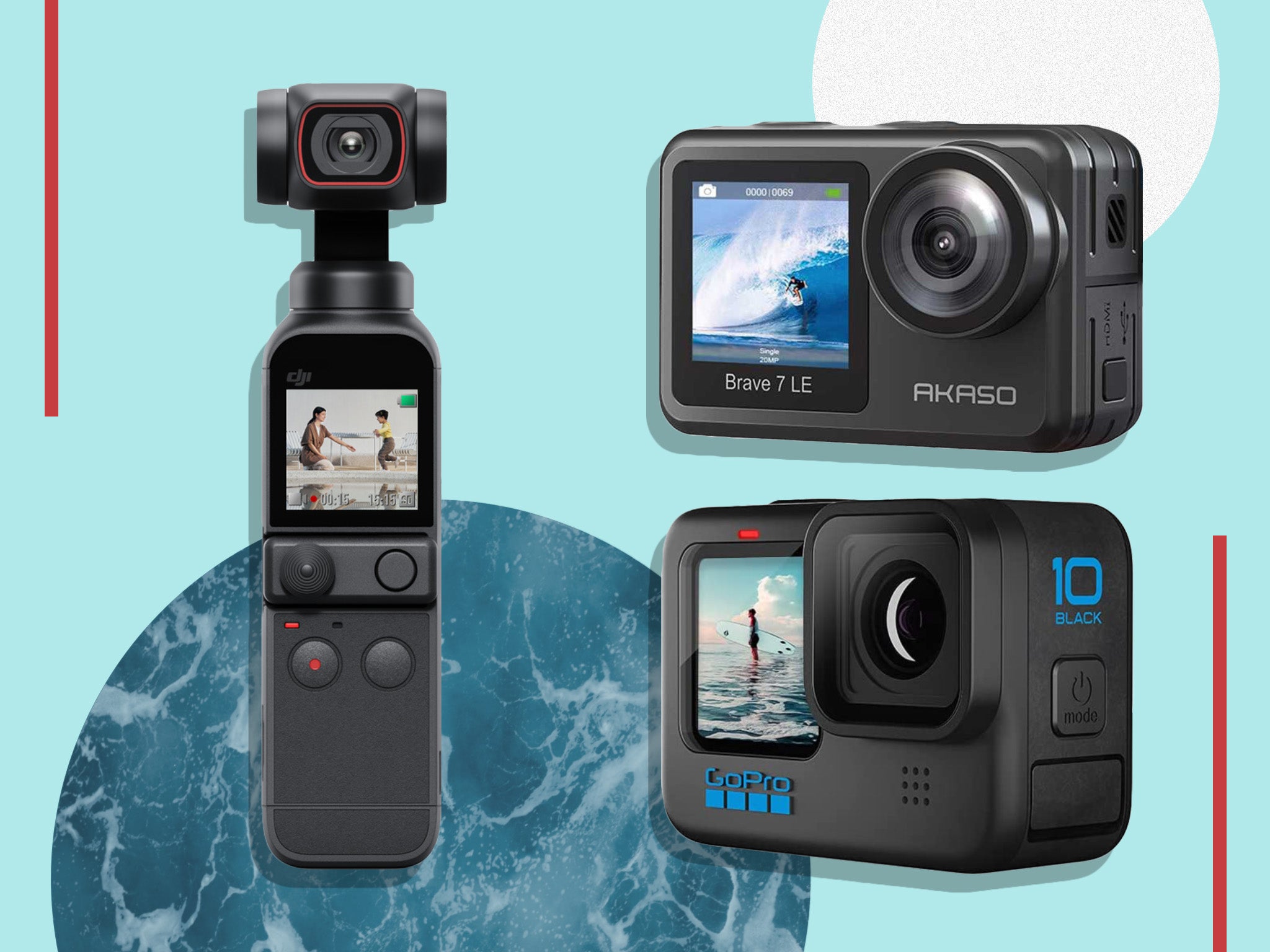
An action camera is a compact digital camera designed to capture video and photos during motion. It usually has a wide-angle lens, a tough body, simple controls, and mounting options for helmets, bikes, cars, surfboards, and chest harnesses.
The main purpose of an action camera is freedom. You can attach it to your body or equipment instead of holding it in your hand. This makes it useful when both hands are busy, such as when you are climbing, riding a motorcycle, or skiing down a slope.
Most modern models can record high-resolution video. Many support 4K recording, electronic image stabilization, slow motion, time-lapse modes, voice control, and wireless transfers. Some premium models also offer strong waterproofing without an extra case.
In simple terms, an action camera is like a small digital witness. It goes where a larger camera may feel unsafe, heavy, or inconvenient.
Source: povod.si
How Does an Action Camera Work?
An action camera uses a digital image sensor to capture light. The lens directs light onto the sensor, and the camera turns that information into video or still images. A processor then saves the files to a memory card.
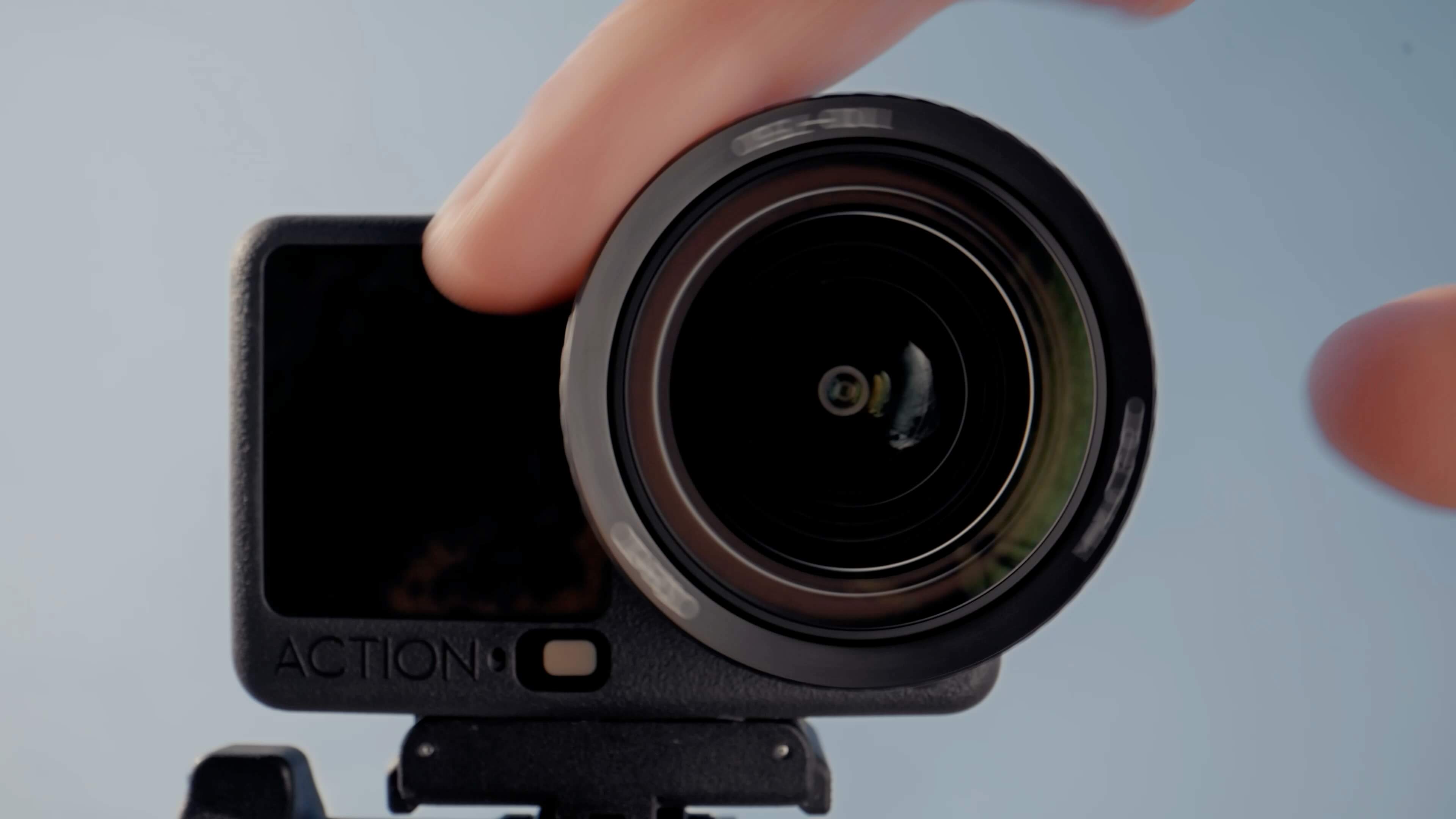
The camera’s wide lens helps capture more of the scene. This is helpful when the camera is mounted close to your body or equipment. However, wide lenses can make people and objects near the edge look stretched.
Most action cameras use electronic image stabilization. The camera studies small movements and adjusts the recorded image to make footage look smoother. Some models use a built-in gyroscope to measure movement and improve stabilization.
A typical action camera may include:
• A wide-angle lens for a broad view
• A rechargeable battery
• A microSD card slot
• A small screen or smartphone connection
• Waterproof and dust-resistant seals
• Wi-Fi or Bluetooth
• Mounting points or a cage system
• A USB-C port for charging and file transfer
The camera does not need a large optical zoom system. Instead, it depends on a close, wide view and smart digital processing. This design keeps the body small and light.
Source: dji.com
Key Features of an Action Camera
The best action camera features depend on how you plan to use the device. A person filming calm travel scenes may need different tools than a mountain biker recording fast descents.
Video Resolution
Resolution describes the number of pixels in the video. Common options include:
• 1080p, which is suitable for basic clips and social media
• 2.7K, which gives more detail than Full HD
• 4K, which creates sharp footage and allows some cropping
• 5.3K or higher, which appears on some premium models
Higher resolution can improve detail, but it also creates larger files. It may use more battery power and require a faster memory card. For many users, 4K is a useful balance between quality and storage.
Frame rate
frame rate tells you how many frames the camera records each second. A standard setting may use 24, 30, or 60 frames per second.
Higher frame rates can make fast motion look smoother. They also allow slow-motion playback during editing. For example, recording at 120 frames per second can help show a jump, splash, or sports movement in detail.
Image Stabilization
Stabilization is one of the most important features in an action camera. Without it, footage from a bike ride or trail run may look shaky and tiring to watch.
Electronic stabilization can crop the image slightly. This means the camera may use only part of the sensor to smooth the video. Advanced systems can produce very steady footage, but stabilization may work less effectively in dark scenes.
Waterproofing
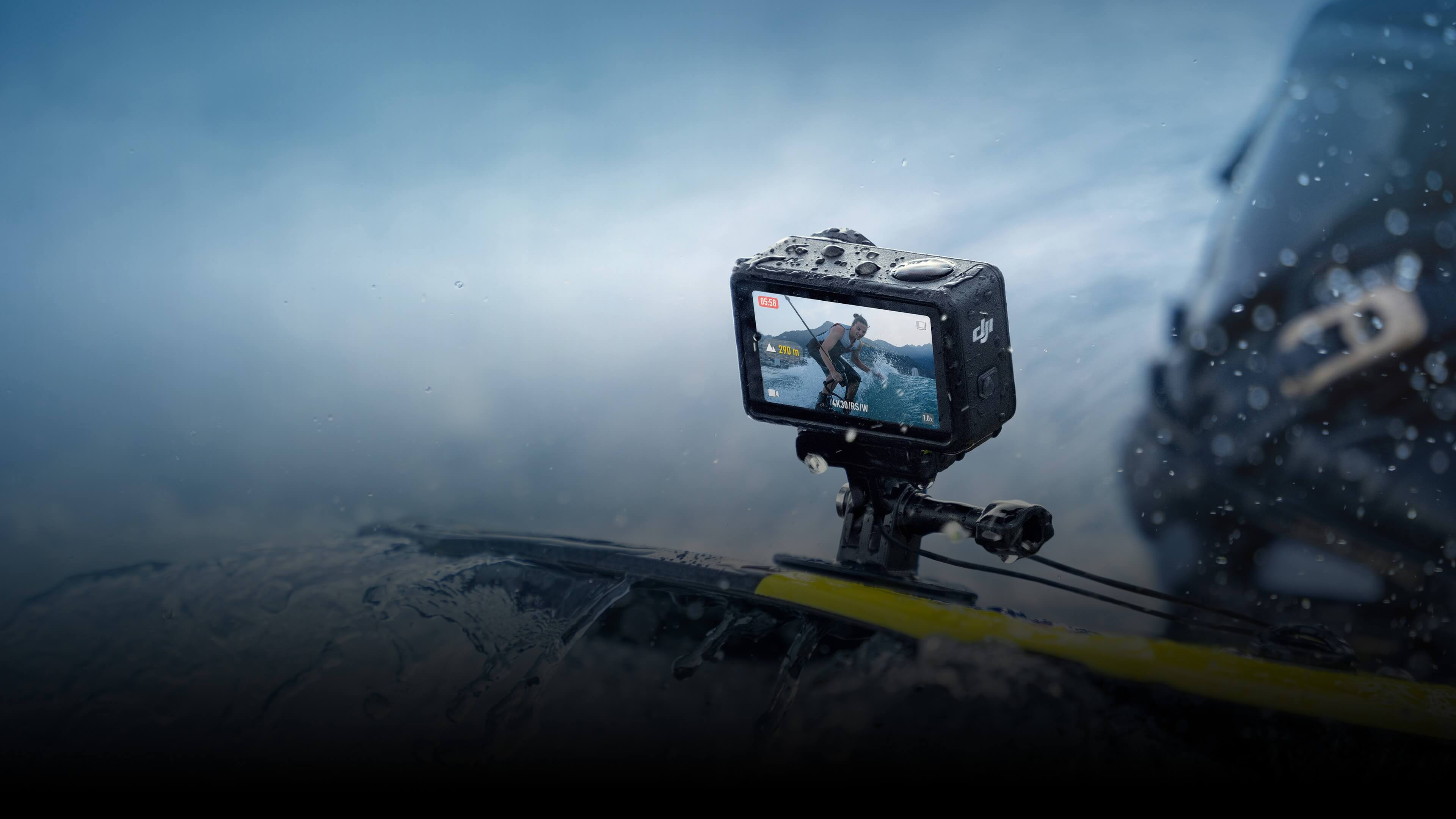
Many action cameras are waterproof to a stated depth without a separate housing. The exact rating varies by model. Some can handle rain and shallow water, while others can go deeper with a protective case.
Waterproof does not mean damage-proof. Salt water, sand, loose doors, worn seals, and poor maintenance can still cause trouble. Rinse the camera with fresh water after use in the ocean, and check the battery door before entering water.
Field of View
Field of view, or FOV, describes how much of the scene the lens captures. Common options include wide, linear, and narrow views.
A wide view is useful for sports and landscapes. A linear view reduces the curved look that can appear with very wide lenses. A narrow view can make distant subjects look larger but may reduce the dramatic action-camera style.
Mounting Options
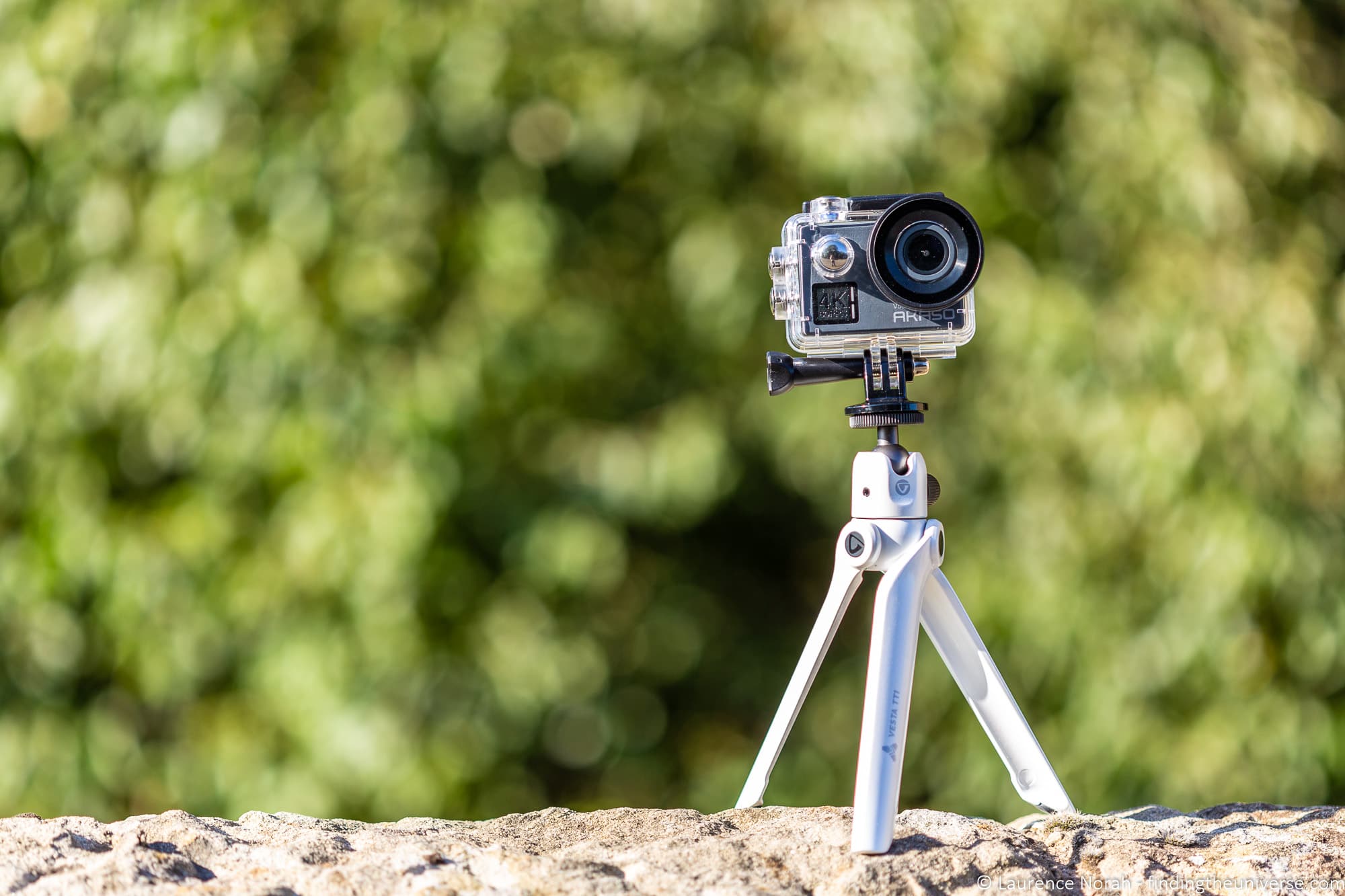
Mounts turn an action camera into a hands-free recording system. Common mounts include:
• Helmet mounts
• Chest harnesses
• Handlebar mounts
• Suction mounts
• Tripod adapters
• Magnetic mounts
• Wrist straps
Always use a strong, compatible mount. A cheap or loose mount can cause poor footage, lost equipment, or injury if the camera falls during an activity.
Source: findingtheuniverse.com
What Are Action Cameras Used For?
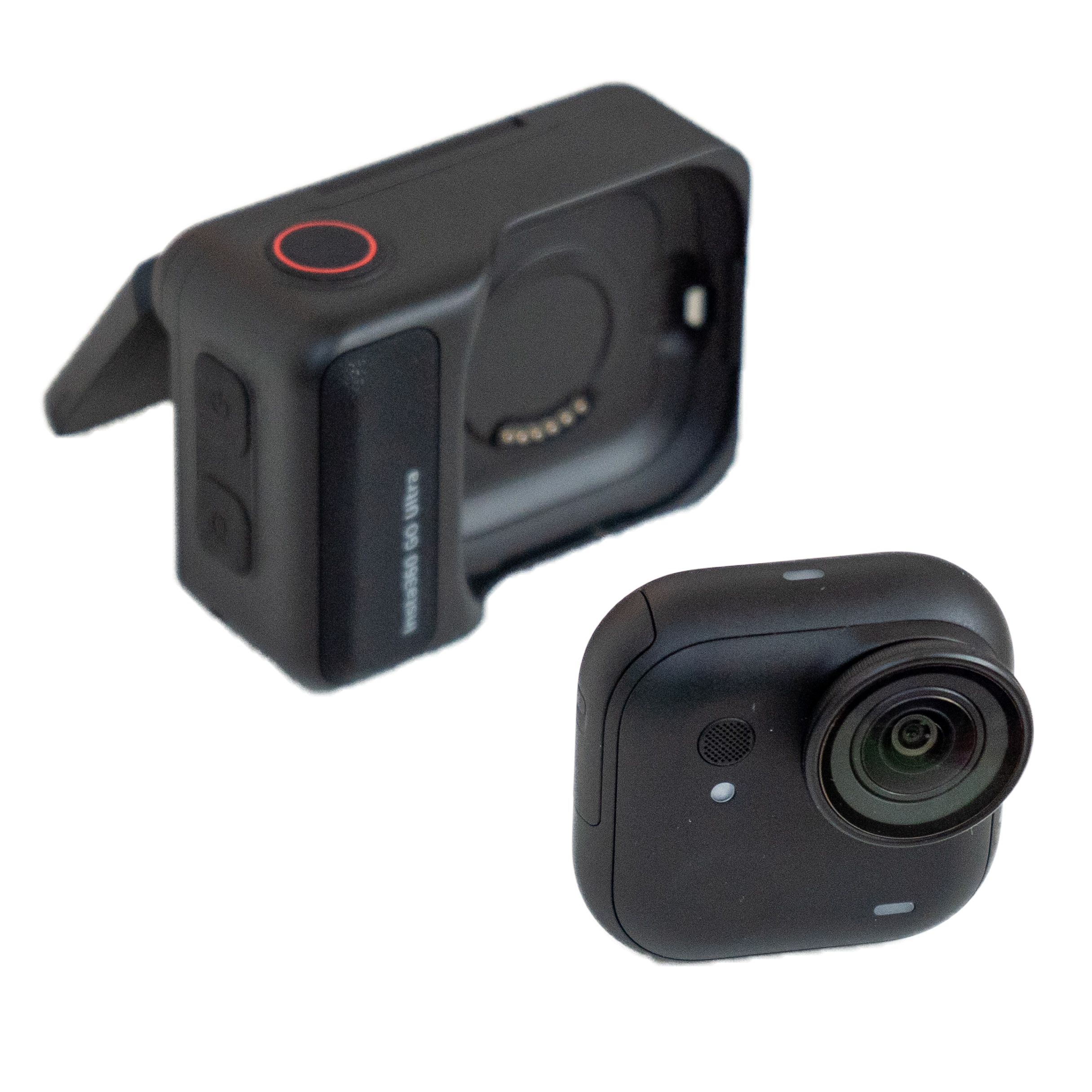
People use action cameras for far more than extreme sports. Their small size and tough design make them useful for travel, work, hobbies, and daily memories.
Common uses include:
• Mountain biking and road cycling
• Hiking and backpacking
• Skiing and snowboarding
• Surfing, kayaking, and snorkeling
• Motorcycle and driving footage
• Skateboarding and roller skating
• Family trips and vacations
• Pet videos
• Behind-the-scenes work footage
• Real estate or inspection work
• Vlogging and live streaming
For example, a traveler can mount an action camera to a backpack strap and record a walking tour. A cyclist can attach one to the handlebars to capture a route. A parent can use one at a water park without risking a large camera.
An action camera can also record point-of-view video. This perspective makes the viewer feel like they are taking part in the activity. It is one reason action-camera footage works well on YouTube, TikTok, Instagram, and other video platforms.
Source: digitalcameraworld.com
Benefits of Using an Action Camera
Understanding what is an action camera also means understanding why people choose one over other cameras.
Small and Lightweight
An action camera can fit in a pocket or small bag. It adds little weight to a helmet, bike, or backpack. This matters during long activities when every extra item becomes noticeable.
Tough Construction
Many models resist water, dust, and impacts. They are not indestructible, but they are usually better suited to rough use than a smartphone or mirrorless camera.
Hands-Free Recording
Mounting options let you record while using both hands. This can improve safety because you do not need to hold a camera while riding, climbing, or paddling.
Smooth Footage
Modern stabilization can reduce the effect of bumps and small hand movements. This helps make moving footage more comfortable to watch.
Easy Sharing
Wireless connections allow you to move clips to a phone for quick edits and sharing. Many camera brands also provide mobile apps with simple trimming and editing tools.
Creative Angles
An action camera can go in places that a normal camera cannot. You can place it near the ground, on a vehicle, underwater, or close to moving equipment.
Source: dji.com
Limitations of Action Cameras
An action camera is useful, but it is not the best camera for every situation. Knowing its limits helps prevent disappointment.
Low-Light Performance
Small sensors often struggle in dark rooms, at night, or under thick forest cover. Footage may show noise, soft detail, or motion blur.
A larger camera usually performs better in low light because it can capture more light. To improve action-camera footage, record during daylight, clean the lens, and avoid very fast movement in dark areas.
Battery Life
High-resolution recording, stabilization, wireless features, and cold weather can drain a battery quickly. Long trips may require spare batteries or a portable power bank.
Cold temperatures can reduce battery performance. Keep spare batteries in an inside pocket and change them when needed.
Overheating
Some cameras may become hot during long high-resolution recordings. Heat can increase when the camera is in direct sunlight or when wireless functions remain active.
Allow the camera to cool between recordings. Lowering the resolution or frame rate may also help.
Distorted Wide-Angle Video
Very wide lenses can bend straight lines and stretch faces near the edge of the frame. You can often reduce this effect by selecting a linear view or correcting the footage in editing software.
Limited Background Blur
Action cameras usually cannot create the soft background blur that photographers get from larger cameras with wide-aperture lenses. They keep much of the scene in focus instead.
Small Controls
Small buttons and screens can be difficult to use with gloves or wet hands. Learn the main controls before starting your activity.

Source: pcmag.com
Action Camera vs. Smartphone
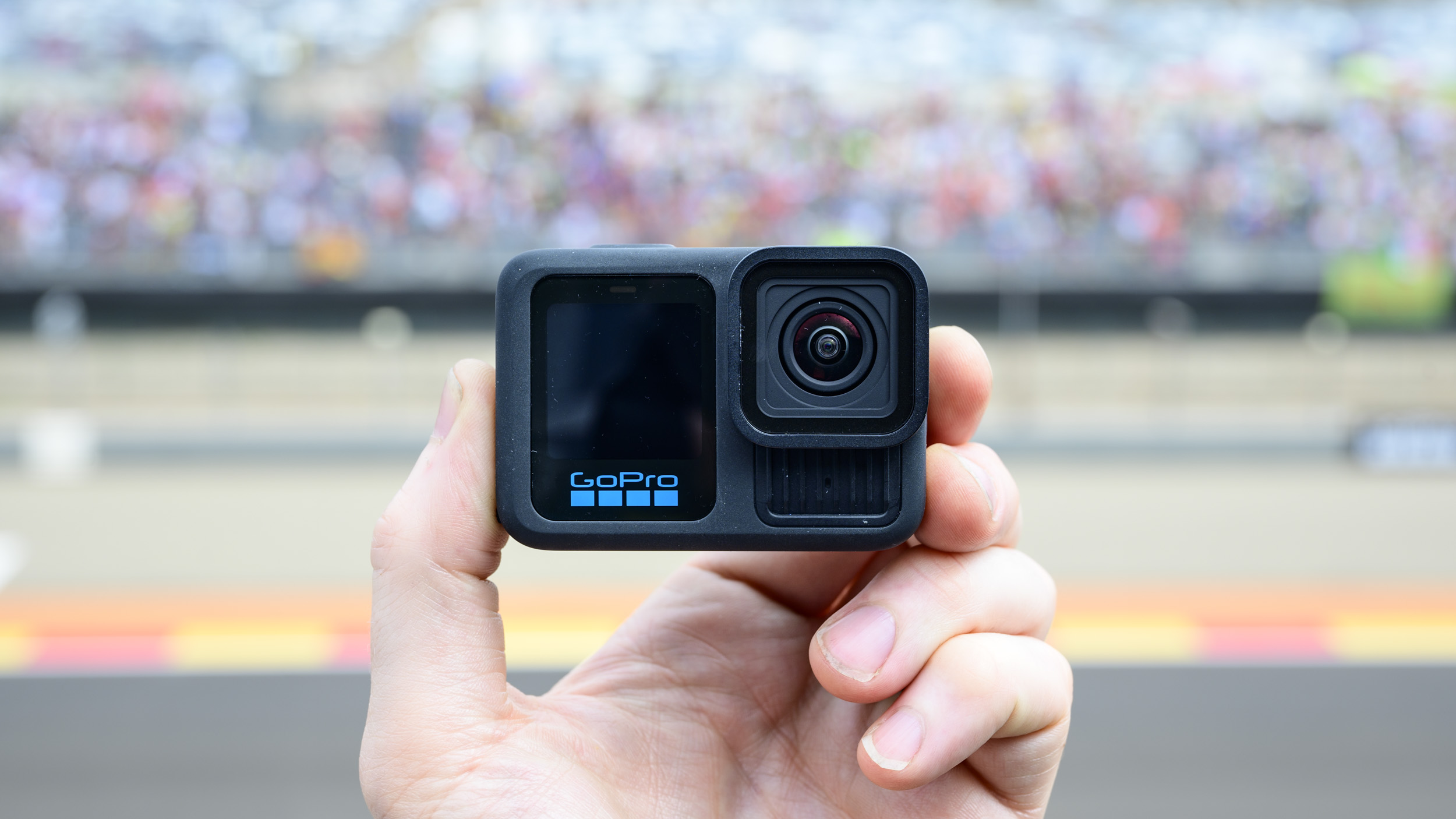
A smartphone is convenient and often produces excellent video. It may have a larger screen, better low-light performance, and stronger editing tools. It is also already in your pocket.
An action camera becomes more useful when the activity is wet, rough, fast, or hands-free. A smartphone can be damaged by a fall, water, dust, or vibration. It is also harder to mount safely during a bike ride or ski run.
Choose an action camera when you need:
• Better protection from water and impact
• Secure mounting
• A wide point-of-view angle
• Hands-free recording
• Easy use during sports
Choose a smartphone when you need:
• Quick casual clips
• Better indoor performance
• Longer conversations or interviews
• A large screen for framing
• Simple editing without moving files
Many creators use both. An action camera records the activity, while a phone handles planning, editing, messaging, and publishing.
Source: techradar.com
Action Camera vs. Regular Camera
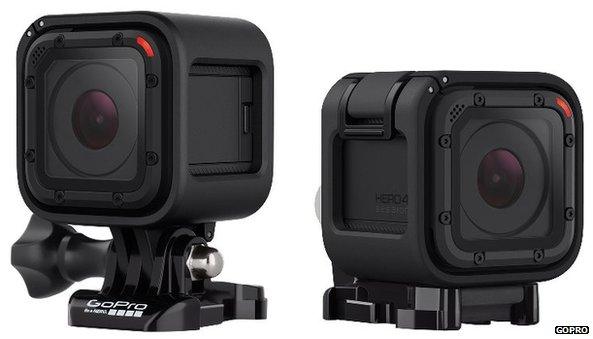
A regular compact camera, mirrorless camera, or DSLR usually provides greater control over focus, exposure, lenses, and image quality. It is better for portraits, studio work, professional interviews, and low-light photography.
An action camera is easier to carry and safer to use in rough conditions. It starts quickly, needs little setup, and can record from unusual positions.
The choice depends on the task:
• Use an action camera for movement, water, travel, and point-of-view footage.
• Use a mirrorless camera for portraits, landscapes, events, and professional production.
• Use a compact camera for travel photography when you want more control than a phone.
No single camera wins every situation. The right tool is the one that fits the activity and the result you want.
Source: bbc.com
How to Choose an Action Camera
Before buying, think about how and where you will use the camera. Marketing often focuses on maximum resolution, but that is only one part of the experience.
1. Match the Camera to Your Activity
For cycling, look for strong stabilization and a secure handlebar or helmet mount. For water sports, check the waterproof depth and the quality of the waterproof door. For travel, consider battery life, weight, and ease of transferring files.
2. Check Stabilization Quality
Read independent reviews and watch sample footage. Pay attention to walking, running, and low-light clips. A high resolution number does not guarantee smooth video.
3. Review Battery and Charging Options
Check the estimated recording time under realistic settings. Carry spare batteries if you plan to film for several hours.
USB-C charging is helpful, especially when you travel with one charger for several devices. A removable battery is also useful for long days.
4. Consider Audio
Built-in microphones work well in quiet places but may struggle with wind, traffic, and water. If clear speech matters, choose a model that supports an external microphone or a compatible wireless audio system.
A wind muff or foam cover can improve outdoor sound. Also remember that waterproof cases may block or weaken audio.
5. Check App and File Support
A camera may produce excellent footage but still be frustrating if the app is unreliable. Look for easy file transfers, stable connections, useful editing tools, and support for common video formats.
6. Budget for Accessories
The camera is only part of the cost. You may also need:
• Extra batteries
• A fast memory card
• A protective case
• A floating grip
• A chest or helmet mount
• A small tripod
• A carry pouch
Buy accessories that match the camera. Incompatible batteries, cards, or mounts can create safety and performance problems.
Tips for Better Action Camera Footage
Learning what is an action camera is only the first step. Good results also depend on setup, composition, sound, and planning.
Keep the Lens Clean
A tiny fingerprint can make an entire clip look hazy. Wipe the lens with a clean microfiber cloth before recording. Check it again after rain, water activities, or dusty rides.
Use the Right Mount
Place the camera where it can see the action without blocking your view or creating a safety risk. A chest mount often creates a natural perspective, while a helmet mount gives a higher point of view.
Point the Camera Correctly
Wide lenses capture a large area, but the main subject can still appear small. Aim slightly down during activities so the ground does not fill most of the frame.
Record Short Clips
Short clips are easier to review, transfer, and edit. They also reduce the chance of losing an entire activity because of one damaged file.
Watch the Sun
Avoid pointing directly at strong sunlight when possible. Positioning the sun behind or to the side of the camera can improve detail and reduce glare.
Test Before a Major Trip
Record a short test at home. Check the video, sound, stabilization, battery, memory card, and mount. This simple step can prevent a disappointing vacation or missed event.
Use a Safety Tether
A tether can prevent the camera from sinking or disappearing if a mount fails. This is especially important near cliffs, rivers, oceans, and busy roads.
Common Mistakes to Avoid
Many action-camera problems come from small oversights rather than poor hardware.
• Recording at the highest setting all the time, which fills the memory card quickly
• Forgetting to format the memory card in the camera
• Using a slow or damaged memory card
• Leaving wireless features on when battery life matters
• Entering water without checking the battery door
• Mounting the camera where a hand, strap, or helmet blocks the lens
• Ignoring wind noise during outdoor recording
• Failing to secure a safety tether
• Relying on one battery for a full-day adventure
• Recording everything without planning the story
A useful lesson from hands-on camera use is that preparation often matters more than specifications. A fully charged mid-range camera with a clean lens and solid mount can produce better memories than a premium camera that is loose, overheated, or out of storage.
File Storage and Editing
Action-camera video can use a large amount of storage. A short 4K clip may take much more space than a Full HD clip, especially at a high frame rate.
Use a memory card that meets the camera’s speed requirements. Check the manufacturer’s recommended card type before buying. Avoid storing important footage in only one place.
A simple backup routine can protect your memories:
- Copy the files to a computer or external drive.
- Keep the original files until the final edit is complete.
- Back up important clips to a second location or cloud service.
- Format the card in the camera after confirming the backup.
For editing, remove long pauses and repeated clips first. Then adjust brightness, crop unwanted edges, and reduce wind noise. Avoid excessive effects. Clear storytelling usually matters more than flashy transitions.
Safety and Privacy Considerations
An action camera can record people, homes, license plates, and private activity without them noticing. Be respectful when filming in public spaces, private property, schools, gyms, and workplaces.
Local laws and venue rules may control where you can record. Rules also vary for drones, vehicles, public events, and audio recording. When in doubt, ask for permission and avoid sharing sensitive footage.
Never let filming distract you from a dangerous activity. A camera should support the experience, not replace attention to traffic, weather, equipment, or other people.
Frequently Asked Questions About What Is an Action Camera
What is an action camera used for?
An action camera is used to record video and photos during movement or outdoor activities. People commonly use it for biking, hiking, skiing, water sports, travel, driving, and hands-free point-of-view footage.
Is an action camera better than a phone?
An action camera is better than a phone for rough, wet, fast, or hands-free activities. A phone may be better for indoor video, casual clips, low-light scenes, and quick editing.
Are all action cameras waterproof?
No. Waterproof ability varies by model and may depend on a removable case. Always check the stated depth rating, close the battery door correctly, and rinse the camera with fresh water after saltwater use.
Can an action camera take good pictures?
Yes, an action camera can take useful photos in bright light and during fast activities. However, a smartphone or larger camera may provide better detail, zoom, portrait quality, and low-light results.
How long can an action camera record?
Recording time depends on battery size, resolution, frame rate, stabilization, temperature, and storage capacity. High-resolution video and cold weather usually reduce battery life, so spare batteries are helpful for long trips.
Do action cameras need a memory card?
Most action cameras need a compatible microSD card to save photos and videos. Use a card with the speed and capacity recommended by the camera maker.
Can an action camera record sound?
Yes, most action cameras have built-in microphones. Wind, traffic, waterproof cases, and rough movement can reduce sound quality, so an external microphone or wind protection may help.
Is an action camera good for beginners?
Yes. Action cameras are often beginner-friendly because they have automatic modes, simple controls, and preset recording options. Start with a basic setting, learn the mount, and test the camera before filming an important event.
Conclusion
An action camera is a small, durable camera built for movement, difficult conditions, and hands-free recording. It offers wide views, strong stabilization, waterproof protection, creative mounting options, and easy sharing.
It does have limits, including weaker low-light performance, short battery life, wide-angle distortion, and possible overheating. The best results come from choosing the right settings, using a secure mount, protecting the lens, carrying extra power, and backing up your files.
Now that you understand what is an action camera, think about the activities you want to record and choose features that match them. Test your setup before your next adventure, then share your experience or explore more camera guides to improve your skills.
