
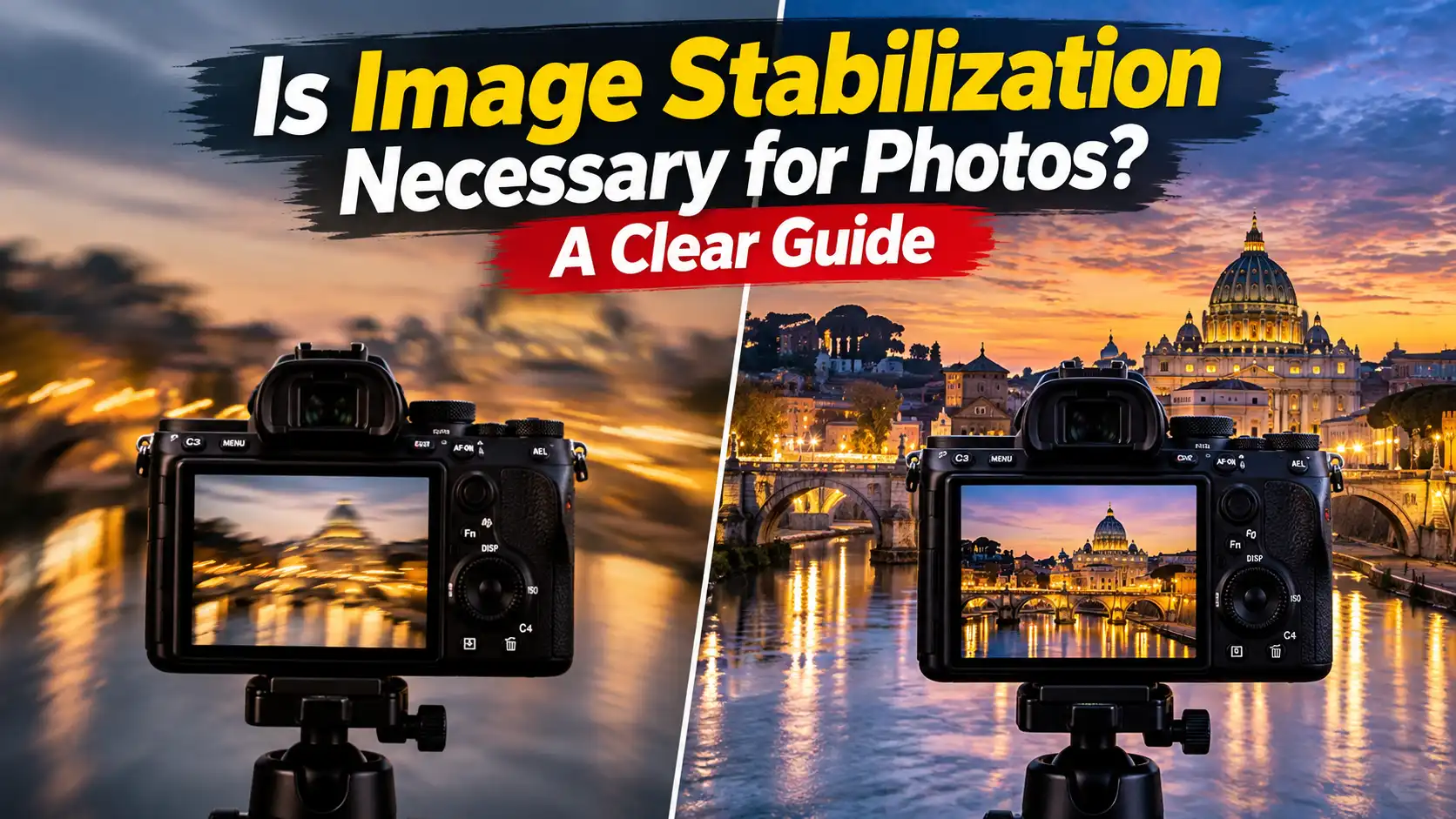
Have you ever taken a blurry photo? It can be very sad. You might wonder how to fix it. This is a common problem for new camera buyers. You see a great scene. You press the button. But the photo is not sharp. Why does this happen? Your hands might shake just a little bit.
Is image stabilization necessary for photos? The short answer is no. You can take great photos without it. But it helps a whole lot. It makes a big difference in low light. It also helps when you zoom in very close.
In this guide, I will explain how it works. You will learn if you really need it. I will share easy tips. This will help you buy the right gear. It will save you money. It will save you time. Let us dive in and clear things up.
Quick Answer
Is image stabilization necessary for photos? No, you can shoot great photos without it. However, it is very helpful. It stops blur from shaky hands. It is great for low light and long zoom lenses. If you shoot fast sports or use a tripod, you do not need it at all.
What is Image Stabilization in Lens and Camera?
When you hold a camera, your hands shake. You might not feel it. But the camera feels it. This tiny shake causes blurry photos. Image stabilization stops this blur. It moves parts inside the camera or lens.
This movement cancels out your hand shake. It is like a tiny shock absorber. There are two main types. One type is built into the lens. The other type is in the camera body. Both types work hard to keep your shot clear.
How Hand Shake Ruins Photos
Cameras need light to make a photo. They let light in through the lens. A part called the shutter opens and closes. If the shutter is open long, the camera must stay very still.
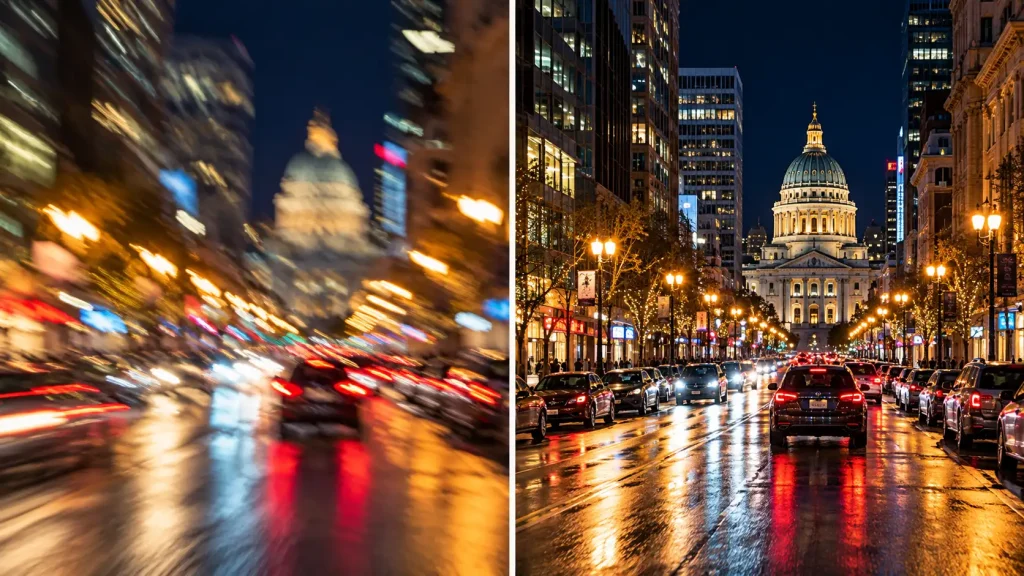
If your hands move, the light hits different spots. This smears the picture. The result is a soft or blurry image. Stabilization fights this smear. It keeps the light hitting the exact same spot.
How Important is Image Stabilization in a Camera?
It is very important for slow shutter speeds. A slow speed lets in more light. But it also catches more hand shake. If you shoot at night, you need slow speeds. Stabilization helps you get sharp night shots.
It is also key for long lenses. When you zoom in far, the shake gets worse. A zoom lens magnifies tiny hand moves. A small twitch ruins the frame. Stabilization keeps the frame steady.
Shooting in Low Light
Dark rooms are hard to shoot in. Night scenes are also tough. You have three choices to get more light. You can open the lens wide. You can raise the camera ISO setting. Or you can slow down the shutter.
High ISO adds ugly noise or grain. A wide lens might not keep everything in focus. Slowing the shutter is often the best choice. This makes stabilization very useful. It lets you shoot slow without blur.
Shooting with Zoom Lenses
Bird watchers use big zoom lenses. Sports shooters use them too. These lenses are heavy. They are hard to hold still. The longer the lens, the worse the shake.
What is image stabilization in lens doing here? It moves tiny glass parts inside. This smooths out the jitters. It makes it easy to frame your subject. You get a steady view in your screen.
Image Stabilization vs None
Think about shooting with no help. You must hold very still. You need fast shutter speeds. You might need to raise your ISO setting. Image stabilization vs none is a big choice.
With stabilization, you can use a lower ISO. You get cleaner shots. You can shoot in darker places without a flash. Without it, you might need a tripod. A tripod is heavy to carry around.
When You Do Not Need It
You do not always need this tech. Bright sunny days give you lots of light. You can use very fast shutter speeds. Fast speeds freeze your hand shake.
You also do not need it for fast sports. Image stabilization vs none does not matter for a fast bird. It stops your shake. It does not freeze a moving subject. You still need a fast shutter for that.
Lens Stabilization vs In Camera Stabilization
Brands build this tech in two different ways. They both do the same basic job. But they do it in different places. Let us look at both options.
Lens Stabilization
Lens stabilization vs in camera stabilization is a common debate. Lens stabilization puts the moving parts in the lens. This is very common for big brands. It works great for long telephoto lenses.
You can see the steady effect in your viewfinder. It looks very smooth. Check out this Nikon guide on vibration reduction for a good summary. Nikon makes great stabilized lenses.
In-Body Image Stabilization (IBIS)
The second type is in the camera body. We call this IBIS. The camera sensor itself moves around. It floats on magnets. This helps any lens you attach.
Is in body image stabilization necessary? It is not strictly required. But it is a great feature to have. If your camera has IBIS, every old lens gets stabilized. You save a lot of money. You do not have to buy expensive new lenses.
The CIPA standard for camera testing shows how well these systems reduce shake. They test them in labs. High CIPA numbers mean better stabilization.
Is Image Stabilization Necessary for Video?
Video is a totally different story. Is image stabilization necessary for video? Yes, it is almost a must. Handheld video can be very shaky. It jumps all over the place.
Jumpy video looks bad. It can make viewers feel sick. Stabilization makes video smooth. It looks nice and professional. If you want to shoot vlogs, you really need it.
Some cameras use digital tricks for video. They crop the picture to hide the shake. But true sensor or lens shifts are much better. They keep the full video quality intact.
Nikon, Canon, and Other Brands
You might ask, is image stabilization necessary for photos Nikon or Canon? The rules are the exact same for all brands. They just use different names for it.
Nikon calls it Vibration Reduction (VR). Canon calls it Image Stabilization (IS). Sony calls it Optical SteadyShot (OSS). Panasonic calls it Mega O.I.S.
No matter the brand, the physics are the same. Read this Canon official guide on image stabilization to see how they explain it. The names change, but the clear photos do not.
Expert Tip
Expert Tip:
Always turn off image stabilization when you put your camera on a tripod. If you leave it on, the system might try to fix a shake that is not there. The floating parts will jitter. This can actually cause a blurry photo! Turn it off to keep tripod shots sharp.
How to Set Up Your Camera for Sharp Photos
If you want sharp photos, you need a good setup. Follow these simple steps. They will help you get the best results.
-
Check your lens switches: Look on the side of your lens. Find the switch for IS or VR. Slide it to the “On” position.
-
Check camera menus: If you have IBIS, go to your camera menu. Make sure the setting is turned on.
-
Hold the camera right: Keep your elbows tucked into your chest. Hold the camera tight to your face. This creates a solid base.
-
Breathe slow: Take a soft breath. Let half of it out. Gently press the button. Do not jerk the camera.
-
Use a fast enough shutter: Do not go too slow. Even with stabilization, you have limits. Test your gear to find your limit.
Helpful Table: Image Stabilization vs None
This table shows how having this feature changes your shooting.
| Feature | With Image Stabilization | Without Image Stabilization |
| Low Light Shooting | Very good and clear | Poor (often needs a flash or a tripod) |
| Telephoto Zoom | Smooth and steady frame | Shaky and very hard to focus |
| Video Recording | Smooth and professional | Jittery, bumpy, and hard to watch |
| Gear Cost | Higher price tag | Lower price tag |
| Battery Life | Drains battery faster | Saves battery power |
| Gear Weight | Slightly heavier | Lighter to carry |
When to Get Professional Help or a Second Opinion
Sometimes, your gear breaks. Stabilization uses tiny, complex moving parts. These parts can fail over time. They are very hard to fix.
If your camera makes a loud grinding noise, stop using it. If your photos are always blurry on a steady tripod, there is an issue. The sensor might be stuck. The lens elements might be jammed.
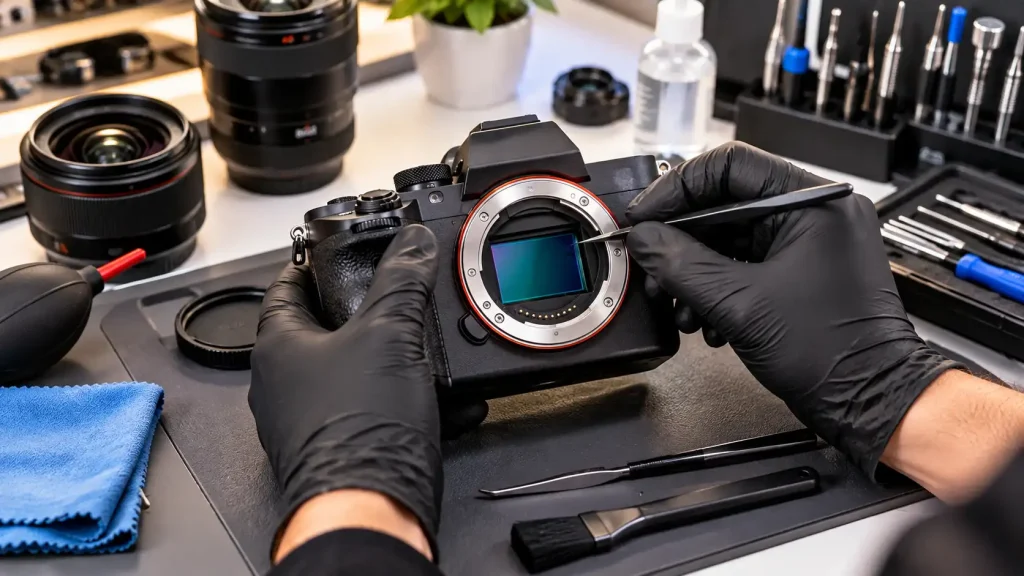
Do not try to fix this at home. Opening a lens or a camera body is very risky. You can ruin the fragile sensor. You can get dust inside the glass.
Always take your gear to a pro repair shop. Ask an approved service center to check it. They have clean rooms. They have the right tools to fix it safely.
Common Mistakes Camera Buyers Should Avoid
Many buyers make mistakes with this tech. Avoid these common traps to save time and money.
-
Leaving it on with a tripod: This causes weird blur. The system gets confused. Turn it off when locked down.
-
Thinking it freezes fast action: It stops your hand shake. It does not stop a fast bird or a running dog. You still need a fast shutter for action.
-
Buying both by mistake: Some lenses do not work well with camera IBIS at the exact same time. Check your manual.
-
Ignoring the extra battery drain: The tiny motors use power. Turn the switch off to save battery life if you do not need it.
-
Paying for it if you use strobes: Studio shooters use bright flashes. Flashes freeze motion. You do not need IS in a bright studio.
Maintaining Your Stabilized Gear
You must take care of your gear. Stabilized lenses are fragile. Do not drop them. A hard bump can break the tiny motors inside.
When you travel, pack your camera well. Use a good padded bag. Turn the camera off before you take the lens off. This locks the floating parts safely in place.
If you shoot in the cold, let the camera warm up slow. Quick heat changes can cause water drops inside. This can hurt the electronics. Keep your gear dry and safe.
FAQs
What is image stabilization in lens?
It is a small system inside the lens barrel. It uses floating glass parts. These parts move to cancel out your hand shake. It keeps the shot very sharp.
How important is image stabilization in a camera?
It is very helpful for low light. It is great for zoom lenses. But if you shoot in bright sun, you might not notice it.
Is image stabilization necessary for video?
Yes, it is very important. Handheld video without it looks very jumpy. Smooth video needs good stabilization to look professional.
Is in body image stabilization necessary?
It is not required. However, it is very nice to have. It stabilizes every lens you attach. This includes old manual lenses.
Image stabilization vs none: which is better?
Having it is almost always better. It gives you more ways to shoot. You get sharper photos in dark places.
Should I turn off IS for fast sports?
Not always. Some lenses have a special mode for panning. This helps you track cars or runners. Check your lens for a “Mode 2” switch.
Does image stabilization drain the battery?
Yes, it uses small motors. These motors need constant power. If your battery is very low, turn it off to save juice.
Conclusion
So, let us wrap this up. Is image stabilization necessary for photos? No, you can absolutely live without it. But it makes photography much easier. It is a wonderful tool for any shooter.
It saves your shots in bad light. It keeps long zoom photos crisp and clear. It makes handheld video look great. In my experience, buying gear with this tech is a very smart move.
Whether you pick lens IS or camera IBIS, it will help you grow. Just remember to turn it off on a tripod! Now, grab your camera. Go out and take some sharp, beautiful photos. Have fun shooting today!

1 thought on “Is Image Stabilization Necessary for Photos? A Clear Guide”