
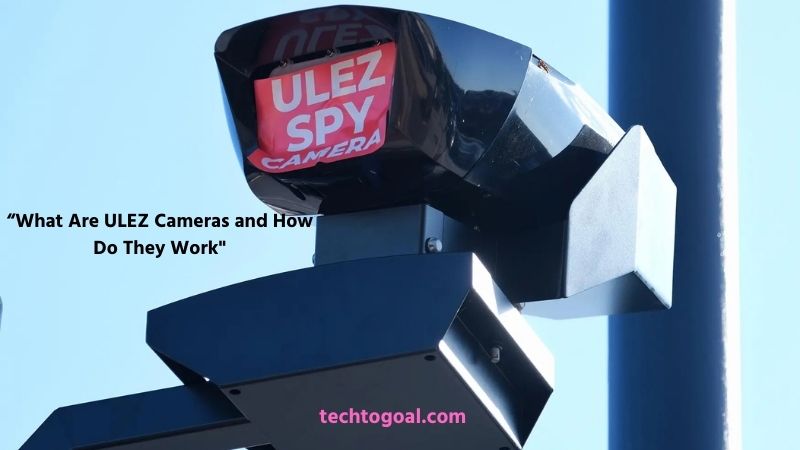
What Are ULEZ Cameras: If you have driven through the streets of London recently, you have likely noticed small, discreet green cameras mounted on traffic lights and poles. These are ULEZ (Ultra Low Emission Zone) cameras, and they are the backbone of London’s ambitious plan to clean up its air.
While they might look like standard CCTV, these cameras are part of one of the world’s most advanced traffic monitoring systems. But what exactly are they looking for, and how do they know if your vehicle meets the required emission standards?
In this comprehensive guide, we will pull back the curtain on how ULEZ cameras work, the technology that powers them, and what happens once your plate is scanned. Whether you’re a London resident or a visitor planning a trip to the capital, understanding this system is essential to avoid unexpected fines and navigate the city with confidence.
What Are ULEZ Cameras
ULEZ cameras are specially designed traffic enforcement cameras used to monitor vehicles entering or driving within Ultra Low Emission Zones (ULEZ). These zones are introduced by city authorities to reduce air pollution by discouraging the use of high-emission vehicles.
????Read More????What is a Mirrorless Camera?
ULEZ cameras work automatically and continuously, capturing vehicle number plates as cars, vans, buses, or motorcycles pass through designated roads and entry points. Their main purpose is to identify vehicles that do not meet the required emission standards and ensure that appropriate daily charges are applied.
At the core of ULEZ cameras is Automatic Number Plate Recognition (ANPR) technology. This system reads and records vehicle registration numbers and cross-checks them against a central database to determine whether the vehicle complies with ULEZ emission rules.
If a vehicle does not meet the required standards and the driver has not paid the ULEZ charge, the system can automatically trigger a penalty notice. This process happens without stopping vehicles, making traffic flow smooth while maintaining strict enforcement.
ULEZ cameras operate 24/7 and are strategically installed on streets, lamp posts, traffic lights, and entry points across the zone. They are designed to work in all weather conditions and both day and night, ensuring consistent monitoring. By relying on automated camera systems rather than manual checks, authorities can enforce emission regulations efficiently and fairly across large urban areas.
Overall, ULEZ cameras play a vital role in improving air quality, reducing harmful emissions, and supporting cleaner transportation systems. For drivers, understanding what ULEZ cameras are helps avoid unexpected charges and encourages the use of cleaner, more environmentally friendly vehicles, making cities healthier places to live and travel.
How Does a ULEZ Camera Work?
To understand the impact of London’s emission policies, one must understand the sophisticated “invisible” network that powers it. The operation of a ULEZ camera is a seamless blend of high-speed photography and big-data processing.
Here is the step-by-step breakdown of how a ULEZ camera works:
- Vehicle Detection in Real Time: A ULEZ camera continuously monitors traffic as vehicles enter or move within the Ultra Low Emission Zone. These cameras are positioned at key locations such as entry points, major roads, and junctions to ensure full coverage. As soon as a vehicle passes by, the camera automatically detects its presence without interrupting traffic flow.
- Automatic Number Plate Recognition (ANPR): ULEZ cameras use advanced Automatic Number Plate Recognition (ANPR) technology to capture clear images of vehicle number plates. The system reads the registration number instantly, even at high speeds or during nighttime and poor weather conditions. This process is fully automated and does not require human involvement.
- Data Matching With Vehicle Databases: Once the number plate is captured, the system securely checks it against a central vehicle database. This database contains information about the vehicle’s emission standard, fuel type, and compliance status. The system determines whether the vehicle meets the ULEZ emission requirements within seconds.
- Compliance Verification: If the vehicle meets the required emission standards, no action is taken and the driver can continue without concern. However, if the vehicle does not comply with ULEZ rules, the system checks whether the daily ULEZ charge has been paid. This step ensures fair enforcement and avoids unnecessary penalties for compliant drivers.
- Charge or Penalty Trigger: When a non-compliant vehicle enters the zone without paying the required charge, the ULEZ system automatically records the violation. Based on this data, a Penalty Charge Notice (PCN) may be issued to the registered vehicle owner. This process is handled digitally and efficiently.
- 24/7 Continuous Operation: ULEZ cameras operate 24 hours a day, 7 days a week, ensuring consistent enforcement at all times. They are designed to function reliably in different lighting and weather conditions, making them effective throughout the year.
- Data Security and Privacy Handling: The information collected by ULEZ cameras is used strictly for enforcement and traffic management purposes. Data is stored securely and handled according to data protection regulations, helping maintain public trust while ensuring accurate monitoring.
By combining ANPR technology, real-time data processing, and automated enforcement, ULEZ cameras provide an efficient way to reduce vehicle emissions and improve air quality. Understanding how ULEZ cameras work helps drivers stay informed, compliant, and prepared when driving in regulated urban areas.
Why Do People Use ULEZ Carbon Tracking Cameras?
While “carbon tracking” is often used as a broad term for environmental monitoring, the specific reason people (and governments) use ULEZ cameras is to create a real-time, data-driven map of urban emissions. It is about moving from “guessing” how much a city pollutes to “knowing” exactly where that pollution is coming from.
Here is a detailed breakdown of why these tracking cameras are essential for modern urban management:
To Reduce Air Pollution in Urban Areas
People use ULEZ carbon tracking cameras primarily to help reduce harmful air pollution in densely populated cities. These cameras identify high-emission vehicles and encourage cleaner alternatives by applying charges to non-compliant vehicles. Over time, this leads to fewer polluting cars on the road and improved air quality for residents.
To Encourage Cleaner and Low-Emission Vehicles
ULEZ cameras motivate drivers to switch to cleaner vehicles such as electric, hybrid, or low-emission petrol and diesel cars. By tracking vehicle compliance with emission standards, the system nudges people toward environmentally friendly choices, accelerating the transition to sustainable transportation.
To Improve Public Health
Air pollution is closely linked to respiratory and cardiovascular diseases. ULEZ carbon tracking cameras support public health goals by reducing emissions that contribute to asthma, lung conditions, and other long-term health issues. Cleaner air means healthier communities, especially for children and the elderly.
To Enforce Emission Rules Fairly and Efficiently
People support ULEZ cameras because they provide automated and unbiased enforcement. Using ANPR technology, these cameras monitor vehicles consistently without stopping traffic or relying on manual checks. This ensures that emission rules are applied fairly to all drivers.
To Manage Traffic and Urban Mobility
ULEZ cameras also help city authorities understand traffic patterns and vehicle types within restricted zones. This data supports better transport planning, congestion management, and smarter urban mobility strategies, making cities more efficient and livable.
To Meet Climate and Environmental Targets
Many cities use ULEZ carbon tracking cameras to meet national and international climate goals. By reducing vehicle emissions, authorities can lower carbon output and move closer to long-term sustainability targets, supporting broader environmental commitments.
To Raise Environmental Awareness
Beyond enforcement, ULEZ cameras raise awareness about the environmental impact of everyday driving. Knowing that emissions are monitored encourages people to think more carefully about their travel habits, fuel choices, and overall carbon footprint.
ULEZ carbon tracking cameras are used not just to charge drivers but to create cleaner air, healthier cities, and a more sustainable future. By combining technology with environmental policy, these systems help people and governments work together toward long-term environmental improvement.
ULEZ Camera Locations: Where Are They Found?
Since the expansion of the Ultra Low Emission Zone to cover almost all of Greater London, the network of enforcement cameras has grown significantly. Understanding where these cameras are located is essential for any driver navigating the capital to avoid unexpected charges.
????Read More????Key Features Of A DSLR Camera
Here is a detailed breakdown of where ULEZ cameras are typically found and how they are positioned:
- At ULEZ Entry and Exit Points: ULEZ cameras are most commonly found at the official entry and exit points of the Ultra Low Emission Zone. These locations are critical because they capture vehicles the moment they enter or leave the zone. By monitoring these access points, authorities can accurately identify noncompliant vehicles and apply charges without disrupting traffic flow.
- Along Major Roads and High-Traffic Routes: Many ULEZ cameras are installed along main roads, highways, and busy commuter routes within the zone. These areas experience high vehicle volumes, making them ideal for consistent monitoring. Placing cameras here ensures maximum coverage and helps enforce emission rules across the most frequently used streets.
- On Lamp Posts, Traffic Lights, and Gantries: ULEZ cameras are often mounted on lamp posts, traffic signal poles, overhead gantries, or dedicated camera masts. These elevated positions provide a clear view of passing vehicles and allow the cameras to capture number plates accurately, both day and night, without interfering with road users.
- At Key Junctions and Intersections: Busy junctions and intersections are another common location for ULEZ cameras. Vehicles naturally slow down at these points, which helps ANPR systems capture clear images. Monitoring junctions also prevents drivers from avoiding charges by taking alternative routes within the zone.
- Throughout the Entire ULEZ Coverage Area: ULEZ cameras are not limited to boundary points only; they are spread throughout the entire zone. This ensures that vehicles already inside the ULEZ remain compliant and discourages drivers from entering the zone through unmonitored streets.
- Near Schools, Hospitals, and Sensitive Areas: Some ULEZ cameras are strategically placed near schools, hospitals, and residential neighborhoods where air quality is a major concern. These locations help protect vulnerable groups such as children, patients, and the elderly by discouraging high-pollution vehicles in sensitive areas.
- Integrated With Existing Traffic Camera Networks: In many cities, ULEZ cameras are integrated with existing traffic monitoring and enforcement systems. This allows authorities to expand coverage efficiently while maintaining a consistent approach to vehicle monitoring and emissions enforcement.
ULEZ cameras are carefully positioned to provide comprehensive, fair, and continuous monitoring across urban areas. By covering entry points, major roads, junctions, and sensitive locations, these cameras ensure effective enforcement while supporting cleaner air and healthier cities.
Why Are ULEZ Cameras Sparking Controversy?
The expansion of the Ultra Low Emission Zone has not been without significant friction. While the environmental benefits are clear, the methods used to enforce them have led to one of the most heated social and political debates in recent London history.
Here is a breakdown of why ULEZ cameras have become a lightning rod for controversy:
Financial Pressure on Drivers: One of the biggest reasons ULEZ cameras are controversial is the financial burden they place on drivers with older, non-compliant vehicles. Many people rely on these vehicles for daily commuting or work, and the daily ULEZ charges can quickly add up. Critics argue that not everyone can afford to upgrade to a newer, low-emission vehicle, making the system unfair to low-income drivers.
Impact on Small Businesses and Tradespeople: ULEZ cameras have sparked concern among small business owners, delivery drivers, and tradespeople who depend on vans and commercial vehicles. For many of them, replacing a vehicle is a major expense.
Privacy and Surveillance Concerns: Some people are uncomfortable with the widespread use of ANPR (Automatic Number Plate Recognition) technology. They worry that ULEZ cameras contribute to increased surveillance, raising questions about how vehicle data is stored, used, and protected.
Effectiveness in Reducing Pollution: Another source of controversy is whether ULEZ cameras genuinely deliver long-term environmental benefits. Critics question if the reduction in emissions is significant enough to justify the cost and inconvenience to drivers.
Unequal Impact on Outer Areas: ULEZ expansion into wider city areas has caused backlash, especially in suburban or outer zones. Residents in these areas often have fewer public transport options and rely more heavily on cars. As a result, they may feel disproportionately affected by ULEZ enforcement compared to city-center residents.
Rapid Implementation and Public Resistance: Many critics believe ULEZ cameras were introduced or expanded too quickly, without enough public consultation or transition time. This has led to frustration, protests, and, in some cases, deliberate vandalism of ULEZ cameras. Political and Social Debate: ULEZ cameras have become a political issue, with strong opinions on both sides. Supporters see them as essential tools for improving air quality and public health, while opponents view them as punitive measures that target everyday drivers.
ULEZ cameras sit at the intersection of environmental responsibility, economic reality, and personal freedom. While they aim to create cleaner and healthier cities, the controversy highlights the importance of fair policies, clear communication, and balanced solutions that consider both environmental goals and public concerns.
What Happens If You’re Caught on a ULEZ Camera?
If you’re caught on a ULEZ camera driving a non-compliant vehicle within the Ultra Low Emission Zone, the system automatically records your vehicle’s number plate using ANPR (Automatic Number Plate Recognition) technology. The camera checks your registration against a central database to confirm whether your vehicle meets the required emission standards. This process happens instantly and without stopping your vehicle.
????Read More????Types and Top Models of UVC Cameras
Once your vehicle is identified as non-compliant, you are required to pay a daily ULEZ charge for each day you drive within the zone. If you pay the charge by the deadline, no further action is taken. However, if you fail to pay on time, enforcement action begins automatically.
If the charge is not paid, you will receive a Penalty Charge Notice (PCN) by post. The PCN includes details such as the date, time, and location where your vehicle was captured by the ULEZ camera, along with clear instructions on how to pay the fine. Typically, the penalty is significantly higher than the original daily charge, making non-payment an expensive mistake.
Drivers usually have the option to pay a reduced fine if the PCN is settled within a specified early-payment period. If the fine remains unpaid, the penalty amount increases further and may lead to debt recovery action. In extreme cases, continued non-payment can result in court proceedings or vehicle enforcement measures.
It’s also important to note that being caught on a ULEZ camera does not result in penalty points on your driving license. The enforcement is purely financial and focuses on encouraging compliance rather than criminal punishment. Still, repeated offenses can quickly add up, creating a serious financial burden.
In short, being caught on a ULEZ camera mainly means paying a charge or facing a fine, but it also serves as a reminder to check your vehicle’s compliance before entering the zone. Planning ahead by paying the charge, upgrading your vehicle, or choosing alternative transport can help you avoid unnecessary penalties.
Are Standard CCTV Cameras Used in ULEZ Zones?
Standard CCTV cameras are not typically used on their own to enforce ULEZ rules, because regular CCTV systems are designed mainly for general surveillance and public safety, not for emissions enforcement.
While traditional CCTV cameras can record video footage of traffic, they usually lack the advanced technology required to accurately identify vehicle registration numbers and link them to emissions databases in real time. For this reason, standard CCTV cameras are not suitable for automated ULEZ charging or penalty enforcement.
ULEZ enforcement relies primarily on specialized ANPR (Automatic Number Plate Recognition) cameras, which are far more advanced than standard CCTV systems. These cameras are specifically configured to capture clear images of number plates at different speeds, angles, and lighting conditions.
They instantly cross-check vehicle details with official databases to determine emissions compliance, something a normal CCTV camera cannot do without additional software and system integration.
That said, in some locations, existing CCTV infrastructure may be upgraded or combined with ANPR technology to support ULEZ monitoring. In these cases, the camera may look like a standard CCTV unit from the outside, but internally it operates as a high-performance ANPR enforcement camera. This approach helps authorities reduce installation costs while expanding coverage across the ULEZ area.
Overall, while standard CCTV cameras may be present in ULEZ zones for traffic management and security purposes, ULEZ enforcement itself depends on purpose-built or upgraded ANPR camera systems. These specialized cameras ensure accurate, automated, and fair enforcement of emissions rules, supporting cleaner air goals without disrupting traffic flow.
FAQs
Do ULEZ cameras operate 24 hours a day?
Yes. ULEZ cameras are active 24 hours a day, 7 days a week, every day of the year. Whether you drive at midday or midnight, the cameras will record your vehicle’s entry into the zone.
Can ULEZ cameras see me in the dark or bad weather?
Absolutely. These cameras use infrared (IR) technology, which allows them to capture high-contrast images of license plates in total darkness, heavy rain, or thick fog.
Are ULEZ cameras the same as speed cameras?
No. While they may look similar to some modern speed cameras, their function is different. Speed cameras measure velocity, whereas ULEZ cameras use Automatic Number Plate Recognition (ANPR) to identify vehicle emissions ratings.
How many ULEZ cameras are there in London?
As of 2026, there are approximately 3,400 to 4,000 cameras positioned across Greater London. Transport for London (TfL) continues to monitor and adjust the network to ensure full coverage of the expanded zone.
Do the cameras only sit at the boundaries of the zone?
No. While there is a heavy concentration of cameras at the entry and exit points of the Ultra Low Emission Zone, hundreds of cameras are also located inside the zone. This ensures that vehicles starting a journey from within the zone are still captured.
Can a ULEZ camera tell if I have a Blue Badge or an exemption?
The camera itself only records the plate. However, when the data reaches the TfL servers, the system automatically checks for registered exemptions, such as Blue Badges, “disabled” tax class vehicles, or registered “Showmans” vehicles, before issuing a charge.
Are mobile ULEZ cameras used?
Yes. In addition to fixed cameras on poles, TfL operates a fleet of mobile camera vans. These can be moved to different locations daily to cover areas where fixed cameras might be missing or to deter people from taking “shortcut” routes to avoid cameras.
Conclusion
In summary, ULEZ cameras are far more than just “fine-collecting tools.” They represent a significant shift toward a data-driven, health-conscious urban environment. By utilizing advanced ANPR technology, these cameras provide the backbone for London’s ambitious goal of reaching net zero carbon emissions.
While the transition has sparked valid debates regarding the cost of living and privacy, the data shows a clear trend: nitrogen dioxide levels are falling, and the city’s air is becoming safer for the millions who breathe it every day.
As we move further into 2026, the success of the ULEZ expansion will likely serve as a blueprint for other major cities worldwide. Whether you are a daily commuter or a local resident, staying informed about how these cameras work and where they are located is the best way to navigate London smoothly and sustainably. The road to cleaner air is complex, but with the right technology and public awareness, a healthier future for the next generation is within reach.

2 thoughts on “What Are ULEZ Cameras and How Do They Work 2026”