What is A DSLR Camera: If you’re new to photography and wondering what a DSLR camera is and why so many photographers still rely on it, you’re in the right place. DSLR cameras have long been a favorite among beginners and professionals alike because they offer outstanding image quality, full manual control, and the flexibility to grow your skills over time.
In this ultimate beginner guide, we’ll break down what a DSLR camera is, how it works, and why it remains relevant today. Whether you want to capture stunning landscapes, sharp portraits, or everyday moments with more creative control, understanding DSLR cameras will help you make smarter choices and take better photos from day one.
What is A DSLR Camera
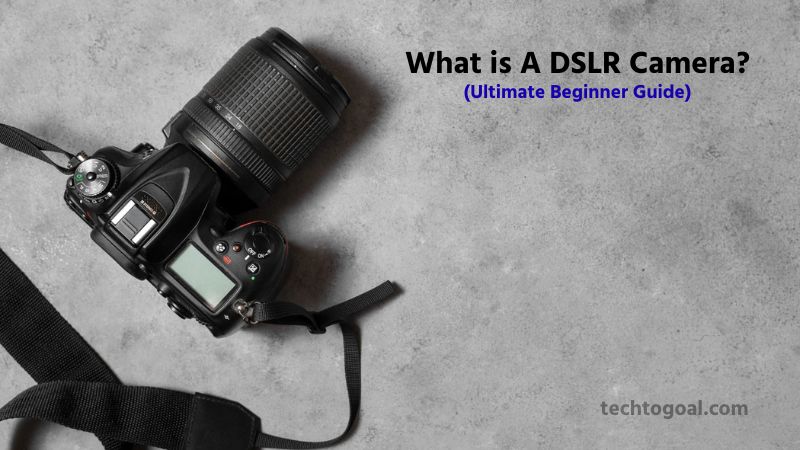
A DSLR camera, short for Digital Single-Lens Reflex camera, is a type of digital camera that uses a mirror and prism system to reflect light from the lens directly into an optical viewfinder. When you look through the viewfinder, you see exactly what the lens sees in real time.
????Read More????What is a Mirrorless Camera?
When the shutter button is pressed, the mirror flips up, allowing light to hit the image sensor and capture the photo. This mechanical design is what gives DSLR cameras their distinctive accuracy and responsiveness. One of the biggest advantages of a DSLR camera is its interchangeable lens system.
Users can switch between wide-angle, telephoto, macro, and portrait lenses depending on their shooting needs. This flexibility makes DSLR cameras suitable for a wide range of photography styles, from landscapes and wildlife to weddings and sports. Combined with larger image sensors, DSLRs are capable of producing sharp images with excellent detail, color accuracy, and depth of field.
DSLR cameras also offer full manual control over essential settings such as aperture, shutter speed, and ISO. This allows photographers to fine-tune exposure and creative effects, making DSLRs an excellent learning tool for beginners who want to understand the fundamentals of photography. At the same time, they include automatic and semi-automatic modes, making them easy to use right out of the box.
In summary, a DSLR camera is a powerful and versatile photography tool that combines traditional optical technology with modern digital imaging. It remains a top choice for beginners who want to learn photography properly and for enthusiasts who appreciate consistent performance and creative freedom.
What Does DSLR Mean?
DSLR stands for Digital Single-Lens Reflex, a term that describes both how the camera works and what makes it different from other types of cameras. Below is a clear, point-by-point explanation to help beginners fully understand the meaning of DSLR.
Digital: The word “digital” means the camera captures and stores images electronically instead of using photographic film. A DSLR uses a digital image sensor to record light and convert it into digital data. This allows photographers to instantly review photos, edit them on a computer, and store thousands of images on memory cards, making photography faster and more flexible than film cameras.
Single-Lens: Single-lens refers to the fact that the camera uses one lens for both viewing and capturing the image. What you see through the viewfinder is exactly what the lens records when you take the photo. This eliminates framing errors and ensures precise composition, which is especially important for beginners learning how to frame shots accurately.
Reflex: The term “reflex” comes from the camera’s internal mirror system. Inside a DSLR, a mirror reflects incoming light upward into an optical viewfinder. When you press the shutter button, the mirror flips up, allowing light to reach the image sensor and capture the photo. This reflex action is what gives DSLR cameras their signature “click” sound and real-time optical viewing.
Why the DSLR Name Matters
Understanding what DSLR means helps photographers appreciate why these cameras offer better control, clearer previews, and superior performance compared to basic point-and-shoot cameras. The DSLR design enables manual settings, lens flexibility, and dependable results, which is why it remains a trusted choice in photography.
In simple terms, DSLR means a digital camera that lets you see exactly what the lens sees before taking a photo. This combination of digital technology and optical precision makes DSLR cameras an excellent learning tool and a long-term investment for anyone serious about photography.
Key Features Of A DSLR Camera
DSLR cameras are popular because they offer powerful features that give photographers full creative control. Below are some of the most important DSLR features explained clearly and in detail for beginners and enthusiasts alike.

Shooting Modes: DSLR cameras come with multiple shooting modes that suit different skill levels and situations. These include Auto Mode, Program (P), Aperture Priority (Av/A), Shutter Priority (Tv/S), and Manual (M) mode. Beginners can start with Auto or Program mode, while advanced users can fine-tune exposure using manual settings. Shooting modes make DSLRs flexible and easy to grow with as your photography skills improve.
ISO: ISO controls the camera’s sensitivity to light. A lower ISO (such as 100 or 200) produces cleaner images with minimal noise, making it ideal for bright conditions. Higher ISO values allow you to shoot in low light but may introduce grain or digital noise. DSLRs are known for their excellent ISO performance, allowing photographers to balance light sensitivity and image quality effectively.
Focusing Modes: DSLR cameras offer different focusing modes to match various shooting scenarios. Single Autofocus (AF-S / One-Shot AF) is ideal for stationary subjects, while Continuous Autofocus (AF-C / AI Servo) tracks moving subjects like sports or wildlife. Many DSLRs also include Manual Focus (MF) for precise control. These focusing options ensure sharp images in both still and fast-moving situations.
Back Focusing: Back focusing is an advanced feature that allows you to separate autofocus activation from the shutter button. Instead of focusing when you press the shutter, focus is controlled using a button on the back of the camera. This technique gives photographers greater control, improves focus accuracy, and is especially useful for action photography, portraits, and recomposing shots.
Exposure Compensation: Exposure compensation lets you quickly adjust image brightness without switching to manual mode. By increasing or decreasing exposure values, you can correct images that appear too dark or too bright due to tricky lighting conditions. This feature is extremely helpful when shooting scenes with strong backlighting, snow, or dark backgrounds.
These key features are what make DSLR cameras powerful, versatile, and beginner-friendly. Understanding shooting modes, ISO, focusing options, and exposure control will help you capture better photos and build a strong foundation in photography.
Advantages of DSLR Cameras
DSLR cameras have remained a popular choice for photographers for many years due to their reliability, performance, and flexibility. Whether you are a beginner or an experienced photographer, DSLR cameras offer several advantages that make them a strong option for learning and professional use. Below are the key advantages explained clearly and in a beginner-friendly way.
????Read More????Advantages of Mirrorless Cameras
Excellent Image Quality
DSLR cameras are equipped with large image sensors that capture more light and detail compared to basic cameras. This results in sharper photos, better color accuracy, and improved performance in low-light conditions. The ability to control settings like aperture, shutter speed, and ISO further enhances image quality.
Optical Viewfinder
One of the most distinctive features of a DSLR camera is its optical viewfinder. It allows you to see the scene exactly as it appears through the lens, without any digital delay. This real-time viewing experience makes it easier to track fast-moving subjects and compose precise shots, especially in bright outdoor environments.
Long Battery Life
DSLR cameras typically offer superior battery life compared to mirrorless models. Since the optical viewfinder does not require electronic power, the battery lasts longer, making DSLRs ideal for travel, events, and long shooting sessions without frequent recharging.
Interchangeable Lenses
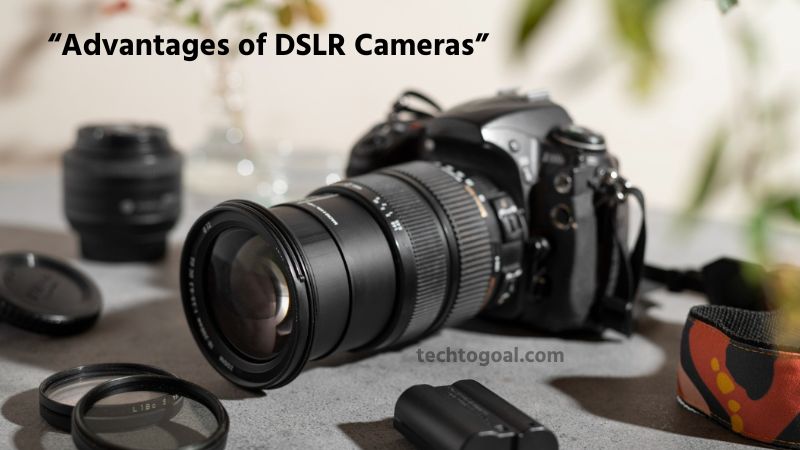
DSLR cameras support a wide range of interchangeable lenses, giving photographers creative freedom. From wide-angle and telephoto to macro and portrait lenses, you can choose the right lens for any photography style. This flexibility allows your camera system to grow as your skills improve.
Comfortable Ergonomics
DSLRs are designed with comfortable grips and well-placed physical controls. Their larger bodies make them easier to hold steadily, especially when using larger lenses. This ergonomic design helps reduce hand fatigue and allows for quick access to important settings while shooting.
Fast and Reliable Autofocus
DSLR cameras use advanced phase-detection autofocus systems that are fast and accurate. This makes them especially effective for action photography, sports, wildlife, and moving subjects. The reliable autofocus performance ensures consistently sharp images.
Wide Range of Accessories
Another advantage of DSLR cameras is the availability of accessories such as flashes, batteries, tripods, remote controls, and external microphones. Since DSLRs have been on the market for many years, photographers can easily find compatible accessories at various price points.
Strong Learning Tool for Beginners
DSLR cameras are excellent for learning photography. They offer manual controls that help beginners understand exposure, depth of field, and motion. At the same time, automatic modes allow new users to start shooting confidently while gradually learning advanced techniques.
With excellent image quality, long battery life, reliable autofocus, and a vast lens ecosystem, DSLR cameras remain a dependable and cost-effective choice. They provide a perfect balance of performance and control, making them suitable for beginners and photography enthusiasts alike.
Disadvantages of DSLR Cameras
While DSLR cameras offer many advantages, they also come with certain limitations that may not suit every photographer. Understanding these disadvantages can help you decide whether a DSLR is the right choice for your photography needs. Below are the main drawbacks explained clearly and in a beginner-friendly way.
Larger Size and Heavier Weight
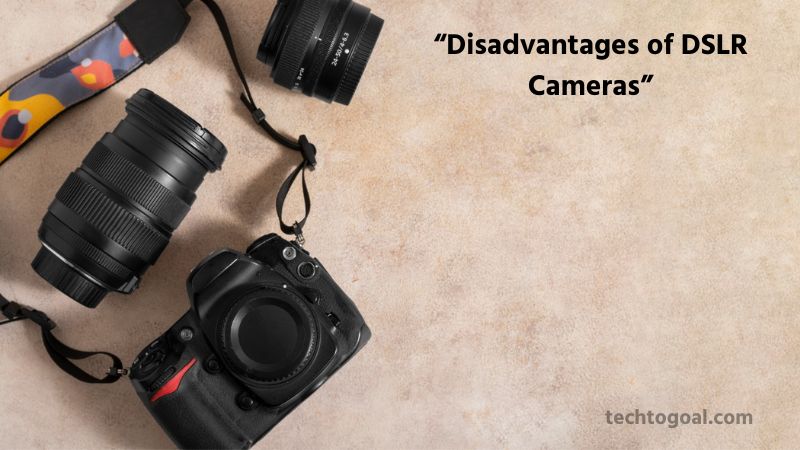
DSLR cameras are generally bulkier and heavier than mirrorless or compact cameras. The mirror mechanism and optical viewfinder require more internal space, which adds to the overall size. Carrying a DSLR with multiple lenses can be tiring, especially for travel, street photography, or long shooting sessions.
Slower Continuous Shooting
Because DSLRs rely on a mechanical mirror that flips up and down, continuous shooting speeds are often slower compared to mirrorless cameras. This can be a limitation for photographers who frequently shoot fast action, wildlife, or sports and require extremely high frame rates.
Limited Video Features
While many DSLRs offer good video quality, they generally lag behind mirrorless cameras in advanced video features. Autofocus during video recording may be slower, and features like 4K at high frame rates, in-body stabilization, or advanced video codecs are less common in DSLRs.
Mechanical Wear and Tear
DSLR cameras rely heavily on mechanical parts such as the mirror and shutter. Over time, these components can wear out, especially with heavy use. Although shutters are rated for many thousands of shots, mechanical failure is still a possibility compared to mirrorless systems with fewer moving parts.
No Real-Time Exposure Preview
With an optical viewfinder, you don’t see real-time exposure, white balance, or color changes before taking the photo. This means photographers often need to review images after shooting and make adjustments, which can slow down workflow, especially for beginners.
Autofocus Limitations in Live View
When using live view or recording video, DSLR autofocus systems are usually slower and less accurate than those found in mirrorless cameras. This can make focusing on moving subjects more challenging when not using the optical viewfinder.
Less Silent Shooting
DSLR cameras produce noticeable noise due to the mirror movement when capturing images. This can be distracting in quiet environments such as weddings, wildlife photography, or indoor events where silent shooting is preferred.
DSLR cameras are still capable and reliable tools, but they may not suit everyone’s needs. Factors like size, weight, mechanical complexity, and limited video features make them less appealing for some users. By understanding these disadvantages, you can better decide whether a DSLR or a mirrorless camera is the right choice for your photography journey.
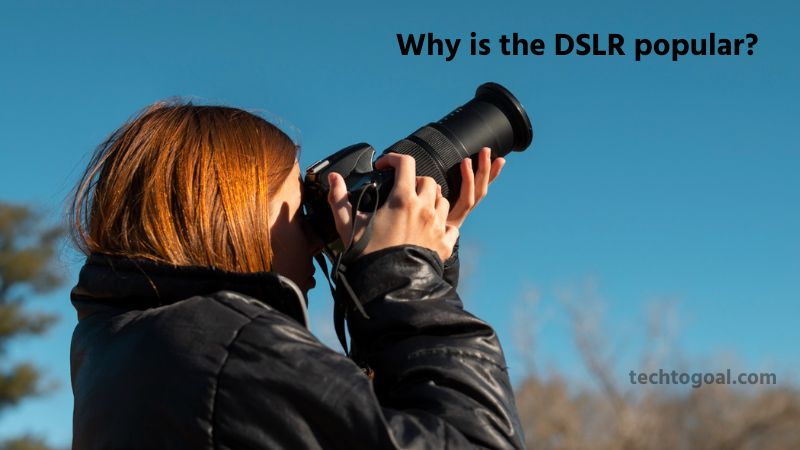
Why is the DSLR popular?
Despite rapid advancements in camera technology, DSLR cameras continue to be widely used and trusted by photographers around the world. Their popularity is rooted in reliability, performance, and long-term value. Below are the key reasons why DSLR cameras remain so popular, explained clearly and in detail.
????Read More????How Does a Rangefinder Camera Work?
Excellent Image Quality: DSLR cameras are known for producing high-quality images with sharp detail, accurate colors, and strong low-light performance. Their larger sensors capture more light, which results in better dynamic range and cleaner photos. This consistent image quality is one of the main reasons photographers continue to choose DSLRs.
Optical Viewfinder Experience: The optical viewfinder allows photographers to see the scene exactly as it appears through the lens, without lag or digital processing. This real-time viewing experience makes composition more natural and reliable, especially when photographing fast-moving subjects or shooting in bright sunlight.
Long Battery Life: DSLR cameras offer superior battery life compared to many mirrorless models. Because the optical viewfinder does not rely on electronic displays, DSLRs can capture thousands of shots on a single charge. This makes them ideal for travel, outdoor photography, and long events.
Wide Range of Lenses and Accessories: DSLR systems benefit from a vast and mature ecosystem of lenses and accessories developed over decades. Photographers can choose from affordable beginner lenses to professional-grade glass, along with flashes, grips, and other add-ons. This flexibility helps users build a system that fits their budget and style.
Comfortable Ergonomics and Handling: DSLR cameras are designed with strong grips, physical buttons, and intuitive layouts. Their larger bodies make them easier to hold steady, especially when using larger lenses. This ergonomic advantage improves comfort and control during long shooting sessions.
Reliable and Fast Autofocus: DSLRs use advanced phase-detection autofocus systems that are fast, accurate, and dependable. This makes them particularly effective for action, sports, and wildlife photography. The reliability of DSLR autofocus has earned the trust of professionals for many years.
Ideal for Learning Photography: DSLR cameras are excellent learning tools for beginners. They offer full manual control over exposure settings while also providing automatic modes for easy use. This balance allows new photographers to grow their skills gradually without feeling overwhelmed.
Proven Durability and Longevity: DSLR cameras are built to last, with many models featuring rugged construction and weather sealing. Their proven durability makes them suitable for demanding environments and long-term use, which adds to their popularity among serious photographers.
DSLR cameras remain popular because they combine image quality, reliability, comfort, and a strong lens ecosystem in a single platform. While mirrorless technology continues to evolve, DSLRs still offer a dependable and cost-effective solution for photographers who value performance and consistency.
What are the drawbacks of using a DSLR?
Using a DSLR camera comes with many benefits, but it also has several drawbacks that may affect your shooting experience depending on your needs and preferences. One of the most noticeable disadvantages is size and weight. DSLR cameras are generally bulkier and heavier than mirrorless or compact cameras due to their internal mirror and optical viewfinder system. Carrying a DSLR with lenses for long periods, especially during travel or street photography, can become tiring.
Another drawback is the mechanical complexity of DSLR cameras. The mirror and shutter mechanism involves moving parts that can wear out over time. While DSLRs are built to be durable, heavy usage increases the chance of mechanical failure and maintenance costs compared to mirrorless systems, which rely more on electronic components.
DSLRs also offer limited real-time feedback through the optical viewfinder. Unlike electronic viewfinders, an optical viewfinder does not preview exposure, white balance, or color adjustments before the photo is taken. This means photographers often need to review images after shooting and make corrections, which can slow down workflow, especially for beginners.
When it comes to video, DSLRs tend to fall behind modern alternatives. Many models have slower and less accurate autofocus in live view and video mode, making it harder to track moving subjects while filming. Advanced video features such as high-frame-rate 4K recording, in-body image stabilization, and professional video codecs are more commonly found in mirrorless cameras.
Another limitation is continuous shooting speed. Because the mirror must flip up and down for each shot, DSLRs usually have lower frame rates compared to mirrorless cameras, which can be a disadvantage for sports, wildlife, and action photography, where capturing rapid sequences is important.
Lastly, the camera industry is gradually shifting toward mirrorless technology, leading to reduced innovation and future support for DSLR systems. While existing DSLR cameras and lenses remain reliable and widely available, fewer new models are being developed. This may limit upgrade options in the long term for photographers investing in DSLR systems today.
In summary, DSLR cameras are powerful and dependable, but their size, mechanical limitations, video constraints, and slower technological evolution make them less suitable for some users. Understanding these drawbacks helps photographers decide whether a DSLR fits their shooting style or if a mirrorless camera may be a better choice.
FAQs
What does DSLR stand for?
DSLR stands for Digital Single-Lens Reflex. It refers to a camera system that uses a single lens for both viewing and capturing images, along with a mirror mechanism that reflects light into an optical viewfinder.
How does a DSLR camera work?
Light from the lens is reflected into an optical viewfinder by a mirror in a DSLR camera. When the shutter button is pressed, the mirror flips up, allowing light to reach the image sensor and capture the photo.
Is a DSLR camera good for beginners?
Yes, DSLR cameras are excellent for beginners. They offer automatic modes for easy use and manual controls that help users learn photography fundamentals like exposure, aperture, and shutter speed.
What makes a DSLR different from other cameras?
The key difference is the optical viewfinder and mirror system, which allows real-time viewing through the lens. DSLRs also offer interchangeable lenses and strong manual control compared to compact cameras.
What lenses can be used with a DSLR camera?
DSLR cameras support a wide range of interchangeable lenses, including wide-angle, telephoto, macro, and portrait lenses. Every manufacturer has a unique mechanism for mounting lenses.
Are DSLR cameras still worth buying today?
Yes, DSLR cameras are still worth buying, especially for beginners and photographers who value long battery life, optical viewfinders, and affordable lens options.
Conclusion
DSLR cameras remain one of the most reliable and versatile tools for both beginners and experienced photographers. Their combination of high-quality image sensors, optical viewfinders, interchangeable lenses, and full manual control makes them an ideal choice for learning photography and capturing professional-quality images.
While they may be bulkier than mirrorless or compact cameras, DSLRs provide excellent battery life, durable construction, and a wide range of accessories that enhance the overall photography experience.
For beginners, DSLRs offer a perfect balance of ease of use and creative freedom, allowing you to start with automatic modes and gradually explore advanced manual settings. For enthusiasts and professionals, the robust lens ecosystem, fast autofocus, and superior image quality make DSLRs a trusted companion for any photography scenario.
In short, whether you want to capture everyday moments, stunning landscapes, or fast-moving action, a DSLR camera provides the tools, flexibility, and performance needed to achieve outstanding results. Investing in a DSLR is not just buying a camera; it’s stepping into a world of endless creative possibilities.

4 thoughts on “What is A DSLR Camera: Ultimate Beginner Guide 2026”