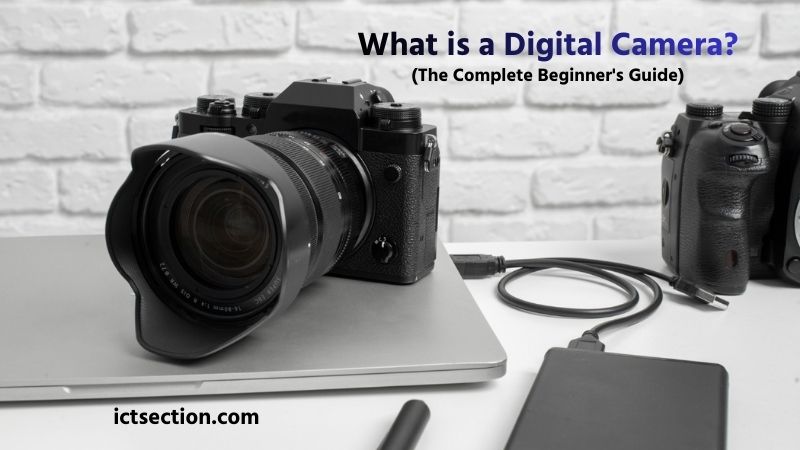
What is a Mirrorless Camera: In the world of photography, technology is constantly evolving, and one innovation that has transformed how we capture images is the mirrorless camera. Unlike traditional DSLR cameras, which use a mirror mechanism to reflect light into an optical viewfinder, mirrorless cameras eliminate the mirror entirely. This results in a more compact, lightweight, and versatile camera without compromising on image quality.
Mirrorless cameras have quickly gained popularity among photographers of all levels, from beginners to professionals, because they combine advanced features, fast autofocus, and high-quality lenses in a portable design.
In this guide, we’ll break down the key features, benefits, and types of mirrorless cameras, helping you decide if this innovative technology is right for you.
Understanding Mirrorless Cameras
The photography world has witnessed tremendous technological evolution over the past few decades, and one of the most significant innovations is the mirrorless camera.
Mirrorless cameras have emerged as a popular alternative to traditional DSLR cameras, offering a combination of portability, speed, and advanced features without compromising image quality. This guide explores what a mirrorless camera is, how it works, its key features and benefits, and why it is becoming a top choice for photographers worldwide.
A mirrorless camera is a type of digital camera that, unlike a DSLR, does not use a mirror to reflect light from the lens into an optical viewfinder. Instead, light passes directly through the lens to a digital image sensor, which captures the photo. The live view is displayed electronically on the rear LCD screen or an electronic viewfinder (EVF), providing a real-time preview of your shot.
This fundamental design change allows mirrorless cameras to be smaller, lighter, and more compact than traditional DSLRs while still delivering professional-grade image quality.
What Does “Mirrorless” Mean?
You might bring a mirror to your portrait shoots so that your client can see how their hair looks mid-shoot. As their name implies, mirrorless cameras eliminate this need! Alright, that’s wishful thinking and not true at all. However, mirrorless cameras lack a photography-related mirror, just not one you can usually see.
📌Read More👉 What is a rangefinder camera?
In DSLR cameras, a mirror sits between the lens and the camera sensor. It is situated at a 45-degree angle and directs the light from the lens up toward the optical viewfinder for you to see. This is how you are able to see a scene through a DSLR’s viewfinder, even when it’s turned off.
When the shutter button is pressed, the mirror flips down and reveals the sensor, which ultimately leads to the creation of a digital image. There are a few drawbacks to this process, including the space requirement and time that it takes to move the mirror.
Mirrorless cameras eliminate the mirror, which makes for a faster and smaller camera with the potential for better autofocus.
The Electronic Viewfinder (EVF)
Instead of a mirror mechanism working to allow you to preview your image, mirrorless cameras use something called an electronic viewfinder, or EVF for short. Essentially, light goes through the lens straight to the sensor, then it is converted directly to digital information that is displayed in the EVF or on the LCD screen.
The EVF is basically a tiny screen on its own, and some mirrorless cameras have the capability to do image playback via the EVF itself. This is useful when shooting in bright conditions. Just like a TV screen, different cameras have different EVF resolutions, which can provide a better or worse viewing experience.
One interesting difference between mirrorless and DSLR cameras is that when using an EVF, the preview is what the image will look like when captured. For example, if your image is overexposed, you will be able to see that through the EVF. On a DSLR camera, the preview is separate from what the sensor captures, so the final image can be drastically different from what you see through the viewfinder.
Think of the EVF as a tiny version of the live view on a DSLR, which is the function that displays your image preview on your main LCD screen.
Advantages of Mirrorless Cameras
Sound: Mirrorless cameras offer a range of advantages that make them increasingly popular among photographers of all levels. One of the most notable benefits is sound: without a flipping mirror mechanism, many mirrorless cameras can shoot almost silently.
This feature is particularly useful for wildlife photography, weddings, or events where minimal noise is essential, and it also reduces vibration that can affect image sharpness.
Speed: Another key advantage is speed. Mirrorless cameras can achieve faster continuous shooting rates because they lack a mechanical mirror, allowing photographers to capture quick-moving subjects with ease.
Coupled with advanced on-sensor autofocus systems, they can track moving subjects accurately, making them ideal for sports, wildlife, and action photography.
Digital technology: Digital technology is at the core of mirrorless cameras. They integrate modern sensors, image processors, and features like in-body image stabilization (IBIS), live exposure previews, and high-resolution video recording.
Many models also offer Wi-Fi, Bluetooth, and cloud connectivity, allowing seamless sharing and remote control, which appeals to tech-savvy photographers and content creators.
Electronic viewfinder (EVF): The electronic viewfinder (EVF) is another major advantage. Unlike the optical viewfinder in DSLRs, the EVF displays a live preview of your shot, including exposure, white balance, and depth-of-field adjustments.
It also provides overlays like histograms, focus peaking, and grid lines, helping photographers compose images more accurately and learn settings faster.
Size: Mirrorless cameras are also prized for their size. Without the mirror box and prism of DSLRs, they are smaller, lighter, and more portable, making them perfect for travel, street photography, and vlogging, while reducing fatigue during long shoots.
Shorter flange distance: A technical but important advantage is the shorter flange distance, the distance between the lens mount and the sensor. This allows for more compact lens designs, improves optical performance, and provides greater flexibility in adapting lenses from other systems, making mirrorless cameras highly versatile.
Adapted lenses: Finally, mirrorless systems excel with adapted lenses. Thanks to the short flange distance, photographers can use DSLR lenses or vintage lenses with adapters without losing functionality, opening up creative possibilities and cost-effective options for expanding their lens collection.
In summary, mirrorless cameras combine quiet operation, speed, cutting-edge digital technology, advanced viewfinders, compact size, flexible lens compatibility, and adaptability, making them a powerful choice for modern photographers seeking both performance and portability.
Disadvantages of Mirrorless Cameras
Native lens selection: While mirrorless cameras offer numerous advantages, they also come with certain limitations that photographers should consider. One notable challenge is native lens selection.
Although the range of mirrorless lenses is expanding rapidly, it is still smaller compared to the extensive lineup available for DSLRs. Some specialized lenses, such as ultra-telephoto or niche optics, may not yet be available for certain mirrorless systems, which can limit flexibility for professional or specialized photography.
Battery life: Another common drawback is battery life. Mirrorless cameras rely heavily on electronic viewfinders and LCD screens, which consume more power than the optical viewfinders found in DSLRs. As a result, mirrorless cameras often require spare batteries for extended shoots, especially when shooting high-frame-rate action or long video sessions.
Cost: Cost is also a consideration. Mirrorless cameras and their lenses tend to be more expensive, particularly for professional-grade full-frame models. While entry-level options exist, investing in a full mirrorless system can require a significant financial commitment compared to traditional DSLR setups.
Accessory compatibility: Accessory compatibility is another limitation. Many existing DSLR accessories, such as flashes, battery grips, and lens attachments, may not work seamlessly with mirrorless cameras without additional adapters or modifications.
General industry knowledge: Finally, general industry knowledge can pose a challenge. Because mirrorless technology is relatively newer, photographers and instructors may have more resources and experience with DSLRs.
In summary, while mirrorless cameras provide compact size, speed, and advanced features, photographers should also consider lens availability, battery limitations, cost, accessory compatibility, and learning curve before making the switch. Understanding these disadvantages ensures informed decisions and helps set realistic expectations for anyone transitioning from DSLRs or other camera systems.
Mirrorless Cameras Versus DSLRs: What’s the Difference?
Photography technology has advanced rapidly over the last two decades, and one of the most common questions among photographers is, “Should I choose a mirrorless camera or a DSLR?” Both systems have their strengths, but understanding their differences can help you make the best choice for your shooting style and creative needs.
📌Read More👉 Benefits of Flock Cameras
1. The Fundamental Design Difference
The core difference between mirrorless cameras and DSLRs lies in their optical design:
- DSLRs: Use a mirror and prism system to reflect light from the lens into an optical viewfinder (OVF). When you take a photo, the mirror flips up, allowing light to hit the sensor.
- Mirrorless Cameras: Eliminate the mirror entirely. Light passes directly through the lens to the image sensor, which displays a live preview on an electronic viewfinder (EVF) or LCD screen.
This fundamental difference impacts size, weight, and the overall shooting experience.
2. Size and Portability
Mirrorless cameras are typically smaller and lighter than DSLRs because they lack the mirror and prism system. This makes them ideal for:
- Travel photography
- Street and documentary photography
- Vlogging and handheld shooting
DSLRs, while bulkier, offer a more traditional grip and balance, especially when using large telephoto lenses.
3. Autofocus and Speed
Mirrorless cameras often have an advantage in autofocus technology:
- On-sensor phase detection allows fast and precise autofocus across almost the entire frame.
- Eye/face detection makes portrait photography easier.
- High continuous shooting speeds make them ideal for action and wildlife photography.
DSLRs still perform well, especially with established lens systems, but their autofocus relies on separate modules that may cover less of the frame, particularly in live view mode.
4. Viewfinder Experience
- DSLRs: Optical viewfinders provide a true optical view of the scene, with no lag or digital processing. Many photographers appreciate the clarity and immediacy of OVFs.
- Mirrorless: Electronic viewfinders show a digital preview of your image, including exposure, white balance, and effects in real time. EVFs also display helpful overlays like histograms and focus peaking.
While EVFs provide more information and creative control, some photographers prefer the natural optical view of a DSLR.
5. Lens Selection and Compatibility
- DSLRs: Offer a wide range of native lenses, especially for established brands like Canon, Nikon, and Pentax.
- Mirrorless: The lens ecosystem is growing rapidly, and many models support adapted DSLR lenses due to their shorter flange distance. This makes transitioning easier but may require adapters for older lenses.
6. Battery Life
DSLRs generally have longer battery life because optical viewfinders do not consume power. Mirrorless cameras rely heavily on electronic viewfinders and LCD screens, which drain batteries faster, making spare batteries essential for extended shooting.
7. Video Capabilities
Mirrorless cameras typically have the edge in video performance, offering:
- 4K or 8K video recording
- In-body image stabilization (IBIS)
- Continuous autofocus during video
While modern DSLRs can record high-quality video, mirrorless cameras are often preferred for hybrid shooting, where photographers need both stills and video in a single system.
8. Price and Market Trends
DSLRs are generally more affordable for entry-level photographers, especially when purchasing kits with lenses. However, mirrorless cameras are rapidly becoming mainstream, with full-frame and professional models offering cutting-edge features at competitive prices.
Industry trends indicate that mirrorless technology is the future, with major brands increasingly focusing development on mirrorless systems rather than DSLRs.
Choosing between a mirrorless camera and a DSLR depends on your priorities:
- Choose mirrorless if you want lightweight design, advanced autofocus, video capabilities, and modern digital features.
- Choose DSLR if you prefer long battery life, optical viewfinder experience, and access to extensive native lenses.
Both systems are capable of producing stunning images, but understanding their differences in design, performance, and usability will help you select the right camera for your photography style and needs.
Why People Choose Mirrorless
In recent years, mirrorless cameras have surged in popularity, challenging the dominance of traditional DSLRs. But why are so many photographers, from beginners to professionals, opting for mirrorless systems? This article explores the key reasons behind the growing preference for mirrorless cameras, highlighting their advantages, versatility, and technological innovations.
📌Read More👉 What Is a Digital Camera Used For?
Compact and Lightweight Design: One of the most appealing reasons people choose mirrorless cameras is their compact size and reduced weight. Without the bulky mirror and prism of a DSLR, mirrorless cameras are easier to carry, making them perfect for:
- Travel photography
- Street and documentary photography
- Vlogging and content creation
Photographers no longer have to compromise on portability to achieve professional-quality results.
Advanced Autofocus and Speed: Mirrorless cameras often outperform traditional DSLRs in autofocus performance and shooting speed. Thanks to on-sensor phase-detection and hybrid autofocus systems, mirrorless cameras offer:
- Faster and more accurate subject tracking
- Eye and face detection for portraits
- High continuous frame rates for action photography
These features make them ideal for sports, wildlife, and fast-paced shooting situations where timing is critical.
Electronic Viewfinder (EVF) and Real-Time Feedback: Mirrorless cameras provide an electronic viewfinder (EVF) that displays a live preview of your shot, showing exactly how settings like exposure, white balance, and depth of field will affect the final image. This real-time feedback:
- Reduces guesswork for beginners
- Helps professionals fine-tune settings quickly
- Improves composition and exposure accuracy
The EVF is particularly useful for shooting in challenging lighting conditions or experimenting with creative effects.
Superior Video Capabilities: Video creators increasingly prefer mirrorless cameras due to their high-resolution video features, such as:
- 4K or even 8K video recording
- In-body stabilization (IBIS) for smooth footage
- Fast and accurate autofocus while filming
This makes mirrorless cameras a versatile tool for hybrid shooters who need both high-quality stills and video in one system
Lens Flexibility and Adaptability: Mirrorless cameras benefit from a shorter flange distance, which allows photographers to use adapted lenses from other systems, including DSLR lenses and vintage optics. This expands creative possibilities and makes it easier for photographers transitioning from older systems to adopt mirrorless technology.
Quiet Operation: Without a mechanical mirror flipping, many mirrorless cameras can shoot almost silently, making them ideal for:
- Wildlife and nature photography
- Weddings and events
- Situations where minimal disturbance is essential
Silent shooting not only preserves the moment but also improves image sharpness by reducing vibrations.
Cutting-Edge Technology and Connectivity: Mirrorless cameras integrate modern digital technologies that enhance the user experience:
- Wireless connectivity for instant sharing or remote control
- In-body stabilization for sharper images
- Advanced exposure and focus tools like focus peaking and histograms
These features make mirrorless cameras appealing for photographers who value convenience, innovation, and creative control.
People choose mirrorless cameras for a combination of portability, speed, technological innovation, and creative flexibility. Whether you are a beginner looking for a lightweight, easy-to-use camera or a professional seeking high performance for both photography and videography, mirrorless systems offer compelling advantages.
With features like EVF previews, fast autofocus, silent shooting, and adaptable lenses, mirrorless cameras are reshaping the photography landscape and becoming the preferred choice for photographers seeking both quality and convenience.
A Brief History of Mirrorless Cameras
Mirrorless cameras have transformed the photography industry by offering compact, high-performance alternatives to traditional DSLRs. Understanding their history provides insight into how this technology evolved and why it has become increasingly popular among photographers of all levels.
1. The Origins: Early Digital Cameras
The concept of mirrorless cameras stems from the evolution of digital imaging technology. In the late 1990s and early 2000s, digital cameras were primarily point-and-shoot devices with limited manual control. DSLRs dominated professional photography, relying on mirrors and optical viewfinders to capture images.
As sensor technology improved, camera manufacturers began experimenting with designs that eliminated the mirror, creating more compact cameras without sacrificing image quality. The goal was to combine the performance of a DSLR with the portability of a point-and-shoot camera.
2. The First Mirrorless Systems
The first commercially successful mirrorless cameras appeared in the late 2000s. In 2008, Panasonic and Olympus launched the Micro Four Thirds (MFT) system, a milestone that established the foundation for modern mirrorless photography. These cameras featured:
- Interchangeable lenses
- Compact, mirrorless design
- Electronic viewfinders or LCD screens for live preview
Shortly after, Sony introduced its NEX series, which combined APS-C sensors with compact bodies, gaining immediate popularity among hobbyists and professionals looking for high image quality in a smaller form factor.
3. Key Milestones in Mirrorless Evolution
Over the next decade, mirrorless cameras underwent rapid development:
2013–2015: Mirrorless systems began to rival DSLRs in autofocus speed, image quality, and frame rates. Manufacturers like Fujifilm, Canon, and Nikon entered the market with their own mirrorless offerings.
2016–2018: Full-frame mirrorless cameras emerged, offering professional-level image quality and advanced features. Canon launched the EOS R, Nikon introduced the Z series, and Sony strengthened its Alpha line.
2019–Present: Mirrorless cameras became a mainstream alternative to DSLRs. Features such as in-body image stabilization (IBIS), 4K/8K video recording, eye/face detection autofocus, and Wi-Fi connectivity made them versatile tools for photographers and videographers.
4. Why Mirrorless Cameras Gained Popularity
Mirrorless cameras appealed to photographers for several reasons:
- Compact size and lightweight design
- Advanced autofocus and high-speed shooting
- Electronic viewfinders with real-time exposure previews
- Video capabilities surpassing many DSLRs
These advantages, combined with an expanding ecosystem of lenses and accessories, made mirrorless cameras a preferred choice for travel, street photography, and professional work.
5. Mirrorless vs DSLR: A Historical Shift
While DSLRs remain popular, the photography industry has gradually shifted toward mirrorless systems. Major brands announced plans to focus on mirrorless development, recognizing their potential to replace DSLRs in both amateur and professional markets. This transition reflects a broader trend in camera design: smaller, faster, and more digitally integrated devices.
The history of mirrorless cameras shows a remarkable evolution from early digital experiments to cutting-edge professional systems. From Panasonic and Olympus pioneering the Micro Four Thirds format to Sony, Canon, and Nikon creating full-frame mirrorless powerhouses, these cameras have reshaped the way photographers capture images.
Understanding this history not only highlights the technological advancements but also explains why mirrorless cameras are now a mainstream choice for photographers seeking portability, speed, and creative control.
FAQs
How does a mirrorless camera differ from a DSLR?
The key difference is the mirror mechanism. DSLRs use a mirror to direct light to an optical viewfinder, while mirrorless cameras remove the mirror, relying on the sensor and EVF for previewing the image. This results in faster shooting, quieter operation, and smaller camera bodies.
Are mirrorless cameras suitable for beginners?
Yes. Mirrorless cameras are ideal for beginners because they provide real-time exposure previews, automatic settings, and easy-to-read electronic viewfinders. Many models also feature beginner-friendly modes and tutorials built into the camera.
Can I use DSLR lenses on a mirrorless camera?
Yes, in most cases. Thanks to the shorter flange distance of mirrorless cameras, DSLR lenses can often be used with lens adapters, giving photographers access to a wide range of lenses while maintaining image quality.
Are mirrorless cameras good for video?
Absolutely. Mirrorless cameras are excellent for video because they often offer 4K or 8K video recording, in-body stabilization, and fast continuous autofocus. Many vloggers and hybrid photographers prefer mirrorless cameras for their video and photo versatility.
Why are mirrorless cameras becoming more popular than DSLRs?
Mirrorless cameras are growing in popularity due to their compact size, advanced autofocus, silent operation, and cutting-edge digital features. As more full-frame and professional models are released, they are becoming the preferred choice for both beginners and professionals.
Conclusion
Mirrorless cameras represent a significant evolution in photography, combining compact design, advanced technology, and professional-grade performance in a single package. By removing the traditional mirror mechanism, these cameras offer lighter bodies, faster shooting speeds, silent operation, and real-time previews through electronic viewfinders or LCD screens.
Whether you are a beginner looking for an easy-to-use, versatile camera or a professional seeking cutting-edge features for both photography and videography, mirrorless systems provide the flexibility and creative control needed to capture stunning images. As lens ecosystems expand and technology continues to advance, mirrorless cameras are increasingly becoming the preferred choice for photographers worldwide.
In short, understanding what a mirrorless camera is and how it works helps you make an informed decision and opens the door to a new level of photographic creativity and convenience.