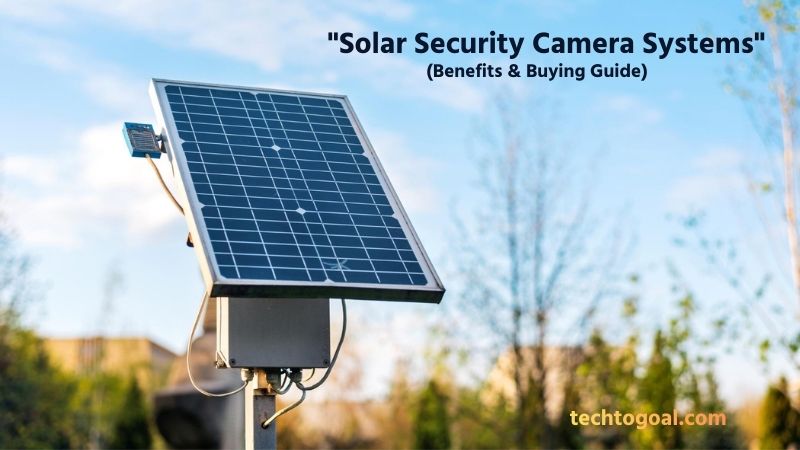

Solar Security Camera Systems: In today’s world, security is no longer a luxury; it’s a necessity. As homeowners and businesses look for smarter, more sustainable surveillance solutions, solar security camera systems are quickly becoming one of the most popular choices in 2026.
Combining renewable solar energy with advanced wireless technology, these cameras offer reliable protection without the hassle of complex wiring or rising electricity costs. Unlike traditional wired CCTV systems, solar-powered security cameras operate using built-in rechargeable batteries supported by solar panels.
In this guide, we’ll explore how solar security camera systems work, their key benefits, important features to look for, and how to choose the best model for your needs. Whether you want to secure your home, business, or remote property, this article will help you make an informed decision.
What is a solar security camera system?
A solar security camera system is a modern surveillance solution that uses solar energy to power security cameras instead of relying solely on traditional electrical wiring. These systems typically include a high-definition camera, a rechargeable battery, and a solar panel that converts sunlight into electricity.
📌Read More👉What Is a Self-Hosted Security Camera?
During the day, the solar panel charges the battery, and the stored energy allows the camera to operate continuously, even at night or during cloudy weather. This makes solar-powered security cameras an ideal choice for outdoor monitoring, remote areas, construction sites, farms, vacation homes, and properties where running electrical cables is difficult or expensive.
Unlike conventional wired CCTV systems, solar security camera systems are usually wireless, making installation faster and more flexible. Most models support features such as motion detection, night vision, two-way audio, mobile app monitoring, and local or cloud storage options.
Because they reduce electricity costs and operate using renewable energy, solar security cameras are considered both eco-friendly and cost-effective. In 2026, advancements in battery efficiency and smart AI detection have made these systems more reliable than ever, offering homeowners and businesses a practical, sustainable, and secure surveillance solution.
How do solar security cameras work?
Solar security cameras work by converting sunlight into electrical energy and using that power to operate the camera and its surveillance features. They combine a solar panel, a rechargeable battery, and a wireless security camera into one integrated system, allowing continuous monitoring without traditional electrical wiring.
Here’s how the process works step by step:
First, the solar panel captures sunlight during the day. The panel contains photovoltaic (PV) cells that convert sunlight into direct current (DC) electricity. This clean energy is then sent to the camera’s built-in rechargeable battery.
Second, the battery stores the generated energy. The stored power allows the camera to function even at night or during cloudy weather. Most modern solar security camera systems are designed with high-capacity lithium batteries that can last several days without direct sunlight.
Third, the camera records video and detects motion using the stored energy. Many solar cameras use motion-activated recording instead of continuous recording to conserve battery life. When motion is detected, the camera starts recording and can send real-time alerts to your smartphone through a mobile app.
Finally, the footage is stored locally or in the cloud. Depending on the model, recordings can be saved to a microSD card, a local NVR, or cloud storage. Wi-Fi or 4G LTE connectivity allows users to view live footage, receive notifications, and manage settings remotely from anywhere.
In simple terms, solar security cameras work by using renewable solar energy to power wireless surveillance technology, providing a cost-effective, eco-friendly, and flexible security solution for homes, businesses, and remote locations.
Best Solar Security Camera System Recommendation
Here are the top 5 recommended solar‑powered security camera systems you can consider for outdoor home protection, chosen based on expert and user reviews for video quality, battery life, smart features, and durability:
📌Read More👉Best Self-Hosted Security Camera & System
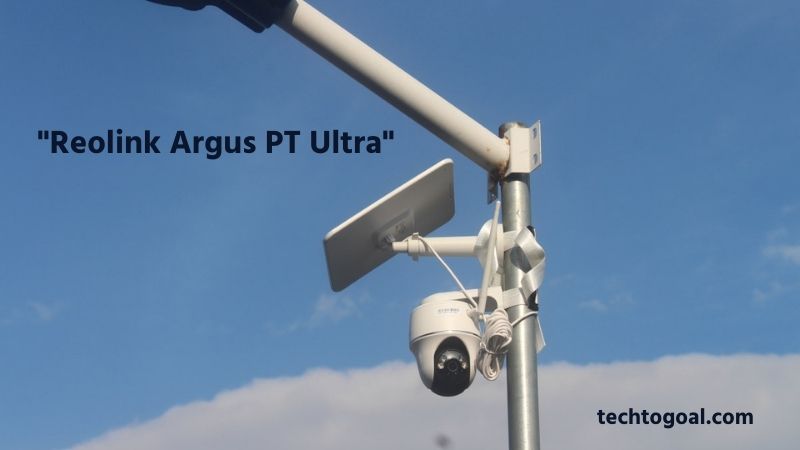
1. Reolink Argus PT Ultra
The Reolink Argus PT Ultra delivers premium 4K resolution with pan‑tilt coverage and robust solar performance, making it one of the most versatile outdoor solar security systems on the market. It’s designed for homeowners who want professional‑grade surveillance without complex wiring.
Key Specifications
- Resolution: 4K (8 MP) Ultra HD
- Pan/Tilt Coverage: 360° horizontal / 140° vertical
- Power: Solar panel + rechargeable battery
- Night Vision: Color + IR up to ~10 m
- Storage: microSD up to 512 GB (no subscription required)
Pros
- Ultra‑high 4K clarity with superb detail, ideal for capturing faces and plates at a distance.
- Wide coverage with pan‑tilt, reducing blind spots and minimizing the number of cameras needed.
- A solar and battery combo provides virtually endless power without a mains connection.
- No mandatory subscription for recording, lowering long‑term cost.
Cons
- Higher upfront cost than basic 1080p models (due to 4K sensor + PTZ).
- The battery lasts 3–6 days without sun, so installation in low‑sunlight areas needs careful positioning.
- Requires strong Wi‑Fi for live viewing and alerts.
2. Reolink Argus 3 Pro
The Reolink Argus 3 Pro is consistently at the top of expert lists for its balance of price, performance, and power efficiency. Paired with a solar panel, this model is ideal for driveway, backyard, or perimeter security.
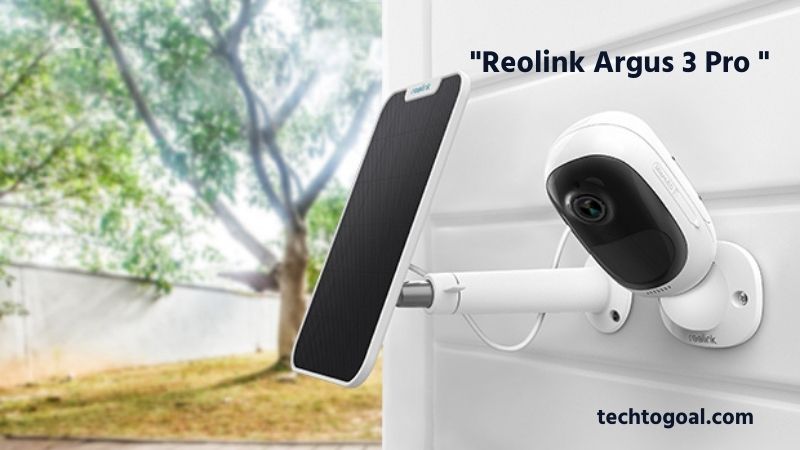
Key Specifications
- Resolution: 2K (1440p)
- Battery: Built‑in (6000 mAh)
- Solar Panel: Included, 13 ft cable
- Connectivity: 2.4 GHz & 5 GHz Wi‑Fi
- Storage: microSD + optional cloud
Pros
- Excellent value for money, often under competitive price points.
- Solar panel included; no need to buy extras.
- Local storage plus an optional cloud plan, giving flexible recording options.
- Customizable settings and easy DIY setup via app.
Cons
- The battery is non‑removable, so long‑term degradation may reduce lifespan.
- Narrower field of view than some competitors.
- No motion zone customization, limiting advanced alert control.
3. EufyCam 3
For users who want multi‑camera security with premium features, the EufyCam 3 stands out with built‑in solar panels and advanced local storage. It’s ideal for larger properties or those seeking high‑quality, subscription‑free surveillance.
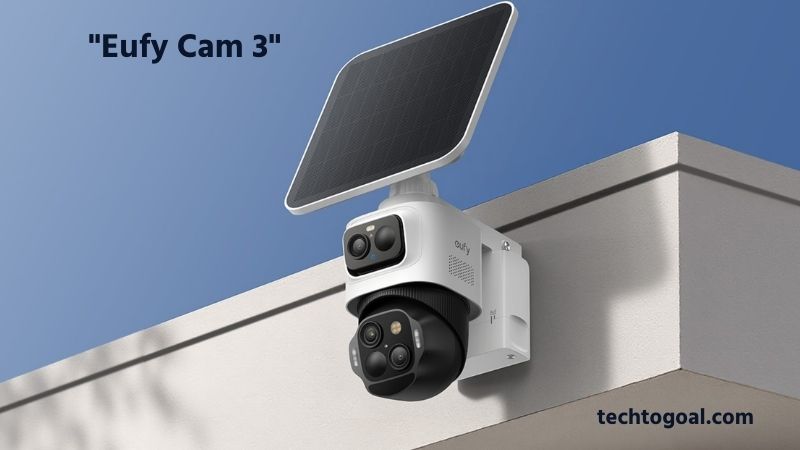
Key Specifications
- Resolution: 4K Ultra HD
- Solar Power: Built‑in solar panel on each camera
- Storage: HomeBase hub with up to 16 TB expandable
- AI Features: Advanced person/vehicle detection
- Weatherproof: Outdoor rated
Pros
- Integrated solar panels simplify installation and maximize uptime.
- 4K footage with superior detail and clarity.
- Expandable local storage up to a massive 16 TB without ongoing fees.
- Supports multiple cameras in one system.
Cons
- Less flexibility in panel alignment, which can reduce charging efficiency.
- Non‑removable batteries limit long‑term replaceability.
- High initial cost compared to entry‑level models.
4. Ring Outdoor Cam + Solar Panel
The Ring Outdoor Cam Plus Solar bundle is perfect for those who want to extend a larger smart home security system with solar power support. It integrates tightly with Ring’s Alarm and App ecosystem, making it a good choice for users already invested in Ring products.
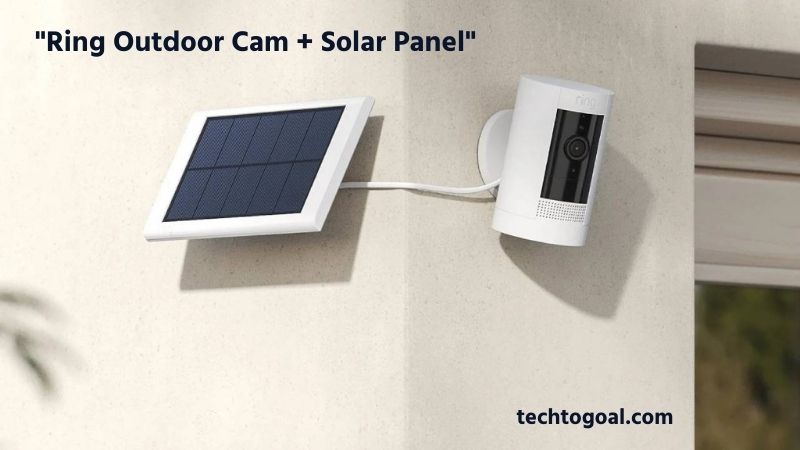
Key Specifications
- Resolution: 2K
- Battery: Removable
- Solar Panel: Included
- Smart Home: Works with Ring App + Alexa
Pros
- Removable battery for easy swaps and longer lifecycle.
- The included solar panel means immediate solar operation.
- Seamless integration with the Ring ecosystem (alarms, doorbells, sensors).
- Amazon Alexa compatibility.
Cons
- Subscription required for most video storage and advanced features.
- No local storage, locking users into cloud plans.
- The optional “Super Solar Panel” costs extra for best performance.
5. TP‑Link Tapo C615F Kit
If you want affordable solar security with generous features, the TP‑Link Tapo C615F Kit delivers strong performance with pan‑tilt control and excellent battery life, all without major extra costs.
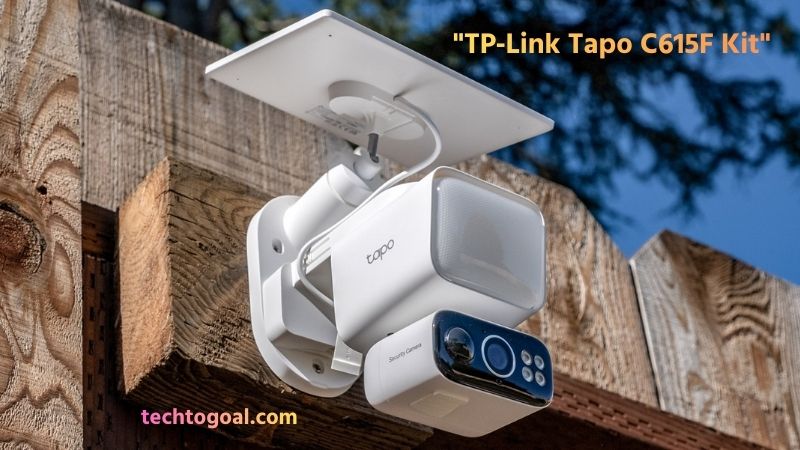
Key Specifications
- Resolution: 2K (3 MP)
- Pan/Tilt: 360° horizontal / 130° vertical
- Battery: 10,400 mAh
- Solar Panel: Integrated
- Storage: microSD up to 512 GB + optional cloud
Pros
- Integrated solar and a large battery mean minimal maintenance.
- Subscription‑free alerts and recording for key smart features.
- Supports Google Assistant & Alexa for voice control.
- Pan/tilt coverage vastly increases the monitored area.
Cons
- Solar panels add bulk, making installation slightly larger.
- Lacks advanced AI features found in premium models.
- Floodlight brightness is lower than competitors.
Final Tips Before You Buy
- Placement & Sun Exposure—Solar cameras need 6+ hours of direct sunlight for reliable charging.
- Storage Priority—Decide if you prefer local storage (no monthly fee) or cloud plans.
- Smart Home Compatibility—If you already have Ring, Alexa, HomeKit, or Google Home devices, choose cameras that integrate with your ecosystem.
Benefits of Solar Security Camera Systems
Solar technology has reached a point where efficiency meets absolute reliability. Switching to a solar-powered surveillance setup isn’t just an environmental choice; it’s a strategic security upgrade that solves the most common headaches associated with traditional CCTV.
📌Read More👉Benefits of Using Porch Light Security Cameras
Here are the primary benefits of solar security camera systems, detailed for modern homeowners:
- No Electrical Wiring Required: One of the biggest advantages of solar security camera systems is that they do not require traditional electrical wiring. Since the cameras are powered by solar panels and rechargeable batteries, you can install them almost anywhere without hiring an electrician.
- Lower Electricity Costs: Solar-powered security cameras run on renewable energy from the sun, which significantly reduces electricity consumption. Unlike wired CCTV systems that continuously draw power, solar cameras generate their own energy during the day and store it for later use.
- Eco-Friendly and Sustainable Solution: Solar security camera systems are environmentally friendly because they rely on clean, renewable solar energy instead of fossil fuels. By reducing dependence on traditional power sources, these systems help decrease carbon emissions and promote sustainable living. Surveillance is a smart and responsible choice.
- Ideal for Remote and Off-Grid Locations: Solar security cameras are perfect for areas without access to electricity, such as farms, construction sites, warehouses, vacation cabins, parking lots, and rural properties.
- Easy and Flexible Installation: Most solar security camera systems are wireless and compact, making them highly flexible in terms of placement. You can mount them on walls, poles, fences, or rooftops without worrying about nearby outlets.
- Continuous Operation with Battery Backup: Modern solar security cameras are equipped with high-capacity rechargeable batteries that store excess energy generated during sunny hours. This stored power ensures that the cameras continue working at night or during cloudy and rainy days.
- Smart Features with Modern Technology: Today’s solar security camera systems come with advanced features such as HD or 4K video resolution, night vision, motion detection, AI human detection, two-way audio, and smartphone app monitoring.
- Long-Term Cost Savings: Although the initial purchase price of a solar security camera system may be slightly higher than basic wired models, the long-term savings are significant. You avoid monthly electricity costs, reduce installation expenses, and often eliminate subscription fees if using local storage.
How to Install and Set Up a Solar Security Camera System
Installing a solar security camera system is easier than traditional wired CCTV systems because it does not require complex electrical wiring. However, proper planning and setup are essential to ensure reliable performance and continuous power supply. Follow these step-by-step guidelines for a smooth installation.
1. Choose the Right Location with Maximum Sunlight
The first and most important step is selecting a location that receives direct sunlight for at least 6–8 hours per day. Since the solar panel powers the camera, proper sunlight exposure ensures consistent battery charging.
Avoid placing the panel under trees, roof overhangs, or shaded areas. At the same time, position the camera at a height that provides a wide field of view while minimizing blind spots.
2. Mount the Solar Panel Securely
Once the location is selected, securely mount the solar panel using the provided brackets and screws. Angle the panel toward the sun to maximize energy absorption.
3. Install the Security Camera
After installing the solar panel, mount the camera itself. Choose a position that covers key entry points such as doors, driveways, garages, or backyards. Install the camera high enough (8–10 feet is recommended) to prevent tampering but still allow clear facial recognition.
4. Connect the Solar Panel to the Camera
Most solar security camera systems include a cable that connects the solar panel directly to the camera’s battery port. Ensure the connection is secure and waterproof. Once connected, the panel will begin charging the internal battery automatically when exposed to sunlight.
5. Power On and Charge the Battery Fully
Before final configuration, allow the camera to charge fully. Some models may require an initial manual charge using a USB cable before relying entirely on solar power. A full charge ensures stable performance during setup and nighttime operation.
6. Connect the Camera to Wi-Fi or Cellular Network
Download the manufacturer’s mobile app and follow the instructions to connect the camera to your Wi-Fi network (usually 2.4 GHz) or 4G LTE if it’s a cellular model. Ensure a strong and stable signal at the installation location.
7. Configure Recording and Motion Detection Settings
After network setup, customize the camera settings through the app. Configure motion detection sensitivity, recording mode (motion-based or continuous if supported), notification preferences, and storage options (microSD card or cloud).
8. Test the System and Adjust the Angle
Finally, test the entire solar security camera system. Walk in front of the camera to check motion detection alerts. Review live footage quality during both day and night. Adjust the camera angle if necessary to improve coverage.
Installing and setting up a solar security camera system is a straightforward process when done correctly. By choosing the right location, ensuring proper solar exposure, securing stable connectivity, and optimizing motion settings, you can enjoy reliable, eco-friendly surveillance with minimal maintenance and zero electrical wiring.
How to Choose a Solar Security Camera System
Choosing the right solar security camera system can make a significant difference in how effectively you protect your property. As these systems rely on both surveillance technology and solar power, picking the right model involves balancing features, power efficiency, durability, and long-term performance.
📌Read More👉How to Choose the Best Doorbell Security System
Below are key factors to consider so you can make an informed, confident decision that matches your security needs.
- Determine Your Surveillance Goals: Start by defining what you want to monitor: a front door, backyard, driveway, outbuilding, or an entire compound. If you want wide coverage, choose cameras with a broad field of view (120° or more). For detailed facial recognition or license plate capture, prioritize higher resolution options.
- Choose the Right Camera Resolution: Resolution determines how clear your video footage will be. Solar security cameras typically range from 1080p (Full HD) to 4K Ultra HD. Higher resolution delivers sharper images, making it easier to identify faces or objects.
- Evaluate Solar Panel and Battery Capacity: Unlike traditional cameras, solar systems depend on sunlight and batteries for power. Look for solar panels with high wattage output and monocrystalline cells, which are more efficient in converting sunlight.
- Check Weather Resistance Ratings: Since solar security cameras are usually installed outdoors, robust weather resistance is essential. Look for IP ratings like IP65, IP66, or higher, which indicate protection against dust, rain, and harsh weather conditions.
- Consider Connectivity and Power Options: Most solar cameras connect via Wi-Fi (typically 2.4 GHz). Reliable connectivity is important for live streaming, alerts, and remote access. If your location lacks Wi-Fi, consider models with 4G/LTE support that use a SIM card for network connectivity.
- Motion Detection and Smart Features: Advanced features like AI human detection, pet detection, customizable motion zones, and smart alerts improve accuracy and reduce false notifications. Cameras with two-way audio can also be helpful for communication or deterrence.
- Storage Options: Decide whether you want local storage on a microSD card/NVR or cloud storage. Local storage gives you full control over your data and reduced subscription costs. However, cloud storage adds convenience and off-site backup.
- Battery Backup and Night Vision Performance: Quality solar security cameras should maintain performance through the night and on cloudy days. Look for models with efficient battery backup, low-power mode, and infrared or color night vision.
- Brand Reliability and Warranty: Choose reputable brands known for sturdy hardware, reliable software, and good customer support. Warranty coverage provides peace of mind in case of hardware failure. Check online reviews, community feedback, and manufacturer support channels before making your choice.
- Budget and Long-Term Cost: Price is a key consideration, but don’t compromise quality for a low price. Compare systems based on features offered, long-term reliability, and total cost of ownership, including accessories like additional panels or storage devices.
By considering these key factors, from power specifications and weather resistance to smart features and storage flexibility, you can choose a solar security camera system that’s reliable, efficient, and tailored to your unique needs.
Applications of Solar Security Camera System
Solar security camera systems are becoming increasingly popular due to their flexibility, eco-friendly operation, and easy installation. Because they do not require wired electricity, they can be deployed in locations where traditional CCTV systems are impractical. Below are the most common and effective applications of solar-powered surveillance systems.
Residential Home Security
One of the most common applications of solar security camera systems is residential home protection. Homeowners use them to monitor front doors, driveways, backyards, garages, and fences. Since these cameras are wireless and powered by sunlight, they are ideal for areas where electrical outlets are not easily accessible.
Farms and Agricultural Land
Solar security cameras are extremely useful for farms and agricultural properties. Large rural areas often lack reliable electrical infrastructure, making wired systems difficult to install. Solar-powered cameras can monitor livestock, crops, equipment, and storage facilities.
Construction Sites
Construction sites are frequent targets for theft and vandalism, especially after working hours. Solar security camera systems are ideal for these temporary and remote locations.
Remote and Off-Grid Locations
Cabins, vacation homes, forest properties, and remote warehouses benefit greatly from solar surveillance solutions. In areas without stable electricity or internet infrastructure, solar cameras with 4G LTE connectivity can provide reliable monitoring.
Parking Lots and Outdoor Commercial Areas
Solar security camera systems are commonly installed in parking lots, shopping centers, and outdoor business spaces. These areas often require multiple cameras across wide spaces where wiring would be expensive.
Schools and Educational Institutions
Schools and campuses use solar security cameras to monitor playgrounds, entrances, and outdoor perimeters. Solar-powered systems are particularly useful for large campuses where extending electrical wiring is complex.
Industrial and Warehouse Facilities
Large warehouses and industrial facilities often have outdoor storage areas that require surveillance. Solar cameras can monitor loading docks, perimeter fences, and equipment yards without the need for extensive electrical infrastructure.
Disaster-Prone and Emergency Areas
In disaster-prone regions or emergency situations where electricity infrastructure may fail, solar security camera systems provide reliable monitoring. Because they operate independently from the main power grid, they continue functioning during power outages, ensuring security during critical times.
FAQs
Do solar security cameras work at night?
Yes, solar security cameras work at night using stored battery power collected during the day. Most models include infrared (IR) night vision or color night vision technology, allowing them to record clear footage even in complete darkness.
Do solar security cameras need Wi-Fi?
Many solar security cameras require Wi-Fi to enable remote access, live streaming, and cloud storage. However, some models support 4G LTE cellular connectivity, making them suitable for remote areas without internet service.
How long do solar security camera batteries last?
Battery life depends on camera usage, recording frequency, sunlight exposure, and battery capacity. In general, most solar-powered cameras can operate for several days without sunlight. With regular sun exposure, they can run continuously without manual recharging.
Are solar security cameras reliable in cloudy or rainy weather?
Yes, modern solar security camera systems are designed to store excess energy in high-capacity batteries. Even during cloudy or rainy days, the stored power allows continued operation. However, extremely long periods without sunlight may require occasional manual charging.
What are the main benefits of solar security camera systems?
The key benefits include no wiring, lower electricity costs, eco-friendly operation, flexible installation, and easy setup. Solar cameras are especially useful for farms, construction sites, vacation homes, warehouses, and rural properties where power outlets are unavailable.
Are solar security cameras waterproof?
Most outdoor solar security cameras come with weatherproof ratings such as IP65 or IP66. This means they are designed to withstand rain, dust, heat, and cold temperatures. Always check the IP rating before purchasing to ensure suitability for your climate.
Can solar security cameras record continuously?
Some models support continuous recording, but many solar cameras use motion-based recording to conserve battery life. Motion detection reduces unnecessary recording and extends battery performance while still capturing important activity.
Conclusion
Investing in the best solar security camera systems is a smart choice for anyone looking to combine reliable surveillance with energy efficiency. These systems not only provide continuous monitoring without the hassle of frequent battery changes or wiring but also promote a greener, sustainable approach to home and business security.
By choosing a system that fits your specific needs, whether it’s for a remote property, backyard, or commercial area, you ensure peace of mind, convenience, and long-term savings.
With advancements in solar technology, high-definition video quality, and intelligent features like motion detection and cloud storage, solar security cameras have become a practical and eco-friendly alternative to traditional security setups. Ultimately, the right solar camera system empowers you to protect your property while reducing your environmental footprint.