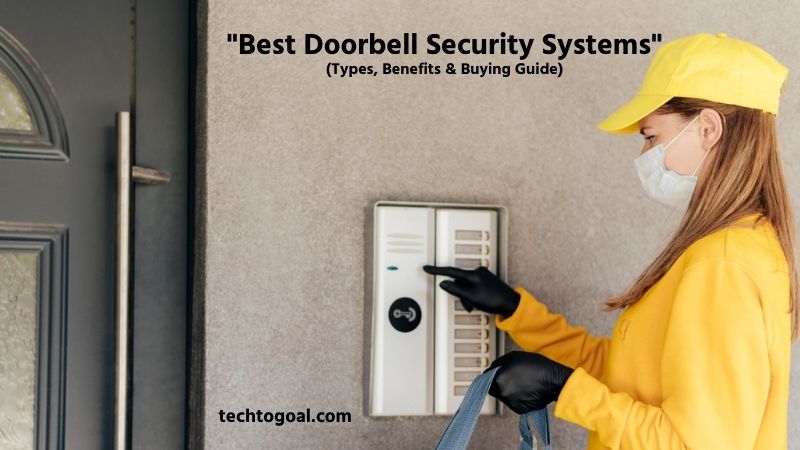

Doorbell Security Systems: In today’s world, home security is no longer a luxury; it’s a necessity. With package theft, doorstep intrusions, and unexpected visitors becoming more common, homeowners are looking for smarter and more reliable ways to protect their property. This is where doorbell security systems come in.
Modern doorbell security systems go far beyond a simple chime. Equipped with HD cameras, motion detection, night vision, two-way audio, and smartphone integration, they provide real-time alerts and recorded footage to keep your home safe 24/7. Whether you live in a house, apartment, or gated community, a smart video doorbell adds an extra layer of protection and peace of mind.
In this guide, we’ll explore the different types of doorbell security systems, their key benefits, and essential buying tips to help you choose the right option for your needs and budget. If you’re planning to upgrade your home security, this comprehensive article will give you everything you need to get started confidently.
What is a doorbell security system?
A doorbell security system is a smart home security device that combines a traditional doorbell with advanced surveillance technology to monitor and protect your home’s entrance.
📌Read More👉What Is a Panoramic Security Camera
Unlike standard doorbells that simply alert you when someone presses the button, a modern doorbell security system includes a built-in HD camera, motion sensors, a microphone, a speaker, and Wi-Fi connectivity. This allows homeowners to see, hear, and communicate with visitors in real time through a smartphone app, tablet, or smart display, whether they are at home or away.
Most video doorbell systems automatically send instant notifications when motion is detected or when someone rings the bell. Many models also feature night vision, wide-angle lenses, cloud or local video storage, and two-way audio communication. These features help deter package theft, monitor suspicious activity, and provide recorded evidence if needed.
In today’s connected world, a doorbell security system is an essential part of a smart home setup. It enhances front-door security, improves convenience, and gives homeowners peace of mind by ensuring 24/7 monitoring of one of the most vulnerable entry points of a property.
Types of Doorbell Security Systems
When choosing the right doorbell security system, it’s important to understand the different types available in the market. Each type offers unique features, installation methods, and security benefits. Below are the main types explained in detail:
Wired Doorbell Security Systems
Wired doorbell security systems connect directly to your home’s existing doorbell wiring for continuous power. Because they don’t rely on batteries, you don’t have to worry about frequent recharging.
These systems typically offer stable performance and consistent connectivity. However, installation may require basic electrical knowledge or professional assistance. Wired video doorbells are ideal for homeowners who want a permanent, low-maintenance security solution.
Wireless (Battery-Powered) Doorbell Security Systems
Wireless doorbell security systems operate using rechargeable or replaceable batteries and connect to your Wi-Fi network. They are easy to install and perfect for renters or homes without existing doorbell wiring. While they provide flexibility and convenience, batteries need to be recharged periodically.
Smart Video Doorbell Systems
Smart video doorbell systems integrate with smart home ecosystems like Amazon Alexa, Google Home, or Apple HomeKit. These systems allow voice control, automation, and remote access through mobile apps.
You can receive instant alerts, customize motion zones, and even connect the doorbell with smart locks or security lights. Smart systems are ideal for homeowners building a fully connected smart home environment.
Doorbell Cameras with Local Storage
Some doorbell security systems offer local storage options using microSD cards or built-in memory. This eliminates the need for monthly cloud subscription fees. Footage is stored directly on the device or a connected hub. These systems are budget-friendly and suitable for users who prefer complete control over their video recordings.
Cloud-Based Doorbell Security Systems
Cloud-based doorbell systems store recorded footage securely on remote servers. This allows you to access video history anytime through a mobile app. While these systems usually require a monthly subscription, they provide extended storage, advanced features like AI detection, and secure backup even if the device is damaged or stolen.
Two-Way Audio Doorbell Systems
These systems focus on communication features, allowing homeowners to speak directly with visitors through built-in microphones and speakers. Two-way audio doorbells are especially useful for handling deliveries, screening unknown visitors, or deterring suspicious activity without opening the door.
Doorbell Security Systems with Professional Monitoring
Some advanced doorbell systems are part of a larger home security package that includes professional monitoring services. If suspicious activity is detected, a monitoring center can alert emergency responders. This type is ideal for homeowners seeking maximum protection and 24/7 security oversight.
Best Doorbell Security Camera System: Top 5 Recommendation
Choosing the right doorbell camera in 2026 is no longer just about seeing who is at the door; it is about Package Intelligence, 3D Motion Tracking, and Subscription Freedom. Modern doorbells have evolved into powerful AI-driven hubs that act as the primary guard for your home’s most vulnerable entry point.
📌Read More👉Best Panoramic Security Cameras: Top 5 Recommendation
Here are the top 5 doorbell security camera systems recommended for 2026, featuring detailed specifications and comprehensive pros and cons.
1. Google Nest Doorbell (3rd Gen)
Overview: The Google Nest Doorbell (3rd Gen) is widely regarded as one of the best video doorbells available, especially for smart home enthusiasts. It balances high-quality video, intelligent alerts, and seamless integration with Google Home. It excels at detecting people, packages, and even familiar faces.
Key Specifications:
- Video Resolution: Up to 2K (HD)
- Field of View: Wide (head-to-toe view)
- Installation: Battery-powered or wired
- Smart Alerts: Person/Package/Activity Detection
- Storage: Cloud Options (free event history + paid plans)
Pros:
- Intelligent Detection: Accurate alerts for people and packages reduce false notifications.
- Smart Home Integration: Smooth with Google Home and Assistant for automation.
- Flexible Power: Works battery-only or with existing wiring for continuous power.
- Clear Night Vision: Good low-light performance helps 24/7 monitoring.
Cons:
- Subscription Needed: Best features and video history require a paid Nest Aware plan.
- No Alexa/Siri Support: Limited interoperability with non-Google ecosystems.
- Battery Life Varies: Battery-only mode may need frequent charges in high-traffic homes.
2. Ring Video Doorbell Pro 2
Overview: The Ring Video Doorbell Pro 2 blends premium video clarity with advanced motion detection and smart home support, making it ideal for larger homes or users who want superior detail and control. It’s often ranked top for overall performance.
Key Specifications:
- Video Resolution: 1536p HD or higher
- Field of View: Very wide
- Smart Alerts: 3D Motion Detection, Person/Zones
- Integration: Works with Amazon Alexa ecosystem
- Audio: Two-way talk with noise reduction
Pros:
- High-Quality Video: Crisp footage captures clear details.
- Advanced Motion Features: 3D motion tracking and zone detection.
- Alexa Integration: Works great with Echo devices for voice alerts.
- Professional Look: Sleek design enhances home aesthetics.
Cons:
- Subscription Cost: Most advanced features and cloud storage need Ring Protect plans.
- Price Premium: More expensive than basic doorbell cameras.
- Cloud Dependency: Local storage options are limited compared to some competitors.
3. eufy Security Video Doorbell (Dual-Camera)
Overview: The eufy Security Video Doorbell with dual-camera setup offers excellent local storage, stronger package detection, and high-resolution video. It’s perfect if you want privacy and no ongoing fees.
Key Specifications:
- Video Resolution: 2K Full HD
- Field of View: Dual-camera head-to-toe + package view
- Storage Type: Local via HomeBase/Storage Device
- Power: Battery or Wired
Pros:
- No Subscription Required: Local storage keeps data private.
- Dual Cameras: Tracks both visitors and packages clearly.
- Smart Alerts: Person detection reduces false alarms.
- Good Smart Home Support: Works with Alexa and Google Assistant.
Cons:
- Base Station Needed: Requires HomeBase or similar hub for storage.
- App Quality Varies: Some users report slow loading times.
- Setup Slightly More Complex: Installation takes a bit longer.
4. Wyze Battery Video Doorbell
Overview: The Wyze Battery Video Doorbell delivers surprising performance under $100, including color night vision, a 150° field of view, and AI-powered alerts, a strong pick for budget-conscious buyers.
Key Specifications:
- Video Resolution: ~1536×1536
- Field of View: ~150°
- Installation: Battery-powered or Wired
- Extras: AI alerts with descriptive motion detection
Pros:
- Excellent Value: Outstanding features for the price.
- AI Descriptive Alerts: Alerts describe activity.
- Local Storage Support: Built-in microSD slot reduces cost.
- Easy Installation: Quick setup for DIY users.
Cons:
- Color & Motion Limits: Some pixelation and color washout in bright conditions.
- Battery Drain: Battery life varies with usage and alerts.
- AI Accuracy Not Perfect: Occasional misidentified objects.
5. Ring Video Doorbell 4
Overview: The Ring Video Doorbell 4 is a versatile choice offering good video quality, adaptable installs, and reliable smart alerts. It’s a great step-up from basic models without the premium cost of “Pro” units.
Key Specifications:
- Video Resolution: 1080p HD
- Field of View: Wide, head-to-toe
- Integration: Works with Amazon Alexa ecosystem
- Power: Battery-powered or wired
Pros:
- Reliable Performance: Consistent alerts and live view.
- Alexa Compatibility: Easy smart home integration.
- Flexible Install Options: Works with wired or wireless setups.
- Good Night Vision: Helps capture clear footage at night.
Cons:
- Subscription for History: Cloud storage requires a Ring Protect plan.
- Lower Resolution: Not as sharp as 2K competitors.
- Battery Life Moderate: May need more frequent charging under heavy use.
Choosing the best doorbell security camera system depends on your priorities, whether you want premium video and AI alerts (Google Nest, Ring Pro 2), local data control (eufy), or the best budget value (Wyze). Each of these top 5 systems offers excellent features for 2026, helping you boost security, monitor activity, and stay connected to your home from anywhere.
Benefits of Doorbell Security System
Installing a doorbell security system offers more than just convenience; it significantly improves your home’s overall safety and monitoring capabilities. Below are the key benefits explained in detail:
📌Read More👉Benefits of Using Porch Light Security Cameras
- Enhanced Front-Door Security: A doorbell security system provides 24/7 monitoring of your home’s main entry point. Since the front door is one of the most common access points for intruders, having a built-in camera and motion detection helps deter suspicious activity before it escalates.
- Real-Time Alerts and Notifications: Modern video doorbells send instant alerts to your smartphone whenever someone rings the bell or triggers motion detection. This real-time notification system allows you to respond quickly, even if you are not at home.
- Two-Way Communication: With built-in microphones and speakers, you can speak directly to visitors without opening the door. This is especially helpful for handling deliveries, communicating with guests, or warning unknown individuals from a safe distance.
- Prevention of Package Theft: Package theft is becoming increasingly common. A doorbell camera records deliveries and monitors your doorstep, helping prevent “porch piracy.” Visible cameras also act as a strong deterrent to thieves.
- Remote Access and Control: Through a mobile app, homeowners can access live video feeds, review recorded footage, and control settings from anywhere in the world. This remote access ensures continuous home monitoring while traveling or at work.
- Evidence Collection: In case of theft, vandalism, or suspicious activity, recorded video footage can serve as valuable evidence. High-definition video and clear audio recordings can assist law enforcement investigations if needed.
- Improved Visitor Management: A doorbell security system allows you to screen visitors before opening the door. You can identify friends, family members, delivery drivers, or unknown individuals, enhancing personal safety and convenience.
- Night Vision Capability: Most modern systems include infrared or color night vision technology, ensuring clear video recording even in low-light or nighttime conditions. This provides round-the-clock security protection.
- Smart Home Integration: Many doorbell security systems integrate with smart home devices, enabling automation features such as turning on lights when motion is detected or connecting with smart locks for controlled access.
- Peace of Mind: Perhaps the biggest benefit is peace of mind. Knowing that your front door is constantly monitored gives homeowners confidence and reassurance, whether they are inside the house or miles away.
Overall, a doorbell security system is a smart investment that enhances home security, convenience, and modern living.
How to Choose the Best Doorbell Security System
Choosing the best doorbell security system is an important decision for homeowners who want to enhance safety, monitor visitors, and protect deliveries. With so many options available in the market, understanding the key features and factors can help you make the right investment.
Below are the most important things to consider when selecting the best doorbell security system for your home.
1. Video Resolution and Image Quality: The first and most important factor to consider is video resolution. A high-resolution doorbell camera ensures clear and detailed footage, allowing you to easily identify faces, packages, and suspicious activity. Look for at least 1080p Full HD resolution, though many modern systems now offer 2K or even 4K clarity.
2. Field of View: A wider field of view ensures your doorbell camera covers more area around your entrance. Ideally, choose a model with at least a 160° horizontal viewing angle. Some advanced systems even provide a head-to-toe vertical view so you can see packages placed directly below the camera.
3. Night Vision Capabilities: Since many security incidents occur at night, strong night vision is essential. Look for infrared (IR) night vision or color night vision features. Infrared provides clear black-and-white images in complete darkness, while color night vision enhances detail in low-light environments.
4. Motion Detection and Smart Alerts: Advanced motion detection helps reduce false alerts and ensures you’re notified only when necessary. Modern systems offer customizable motion zones, person detection, package detection, and even animal detection.
5. Two-Way Audio Communication: Two-way audio allows you to communicate with visitors directly through your smartphone, even when you’re not home. This feature is useful for speaking with delivery personnel, guests, or deterring potential intruders. Look for systems with noise cancellation and clear sound quality for smooth communication.
6. Wired vs. Battery-Powered Options: Doorbell security systems come in wired and battery-powered versions. Wired models offer continuous power and typically more advanced features, but installation may require existing doorbell wiring. Battery-powered models are easier to install and more flexible but require regular charging.
7. Storage Options: Consider how the system stores video footage. Cloud storage allows remote access and backup but often requires a monthly subscription fee. Local storage, such as microSD cards or built-in storage, can help you avoid recurring costs.
8. Weather Resistance and Durability: Your doorbell camera will be exposed to outdoor elements such as rain, heat, dust, and humidity. Check for an IP rating (such as IP65 or higher) to ensure weather resistance. A durable build ensures long-term performance in various climate conditions.
9. Subscription Costs and Total Budget: Beyond the initial purchase price, consider long-term costs such as cloud storage subscriptions and optional monitoring services. Some brands require monthly fees for advanced features like video history and AI detection. Always compare total ownership costs to ensure the system fits your budget.
10. Ease of Installation and User-Friendly App: A good doorbell security system should be easy to install and manage. Look for products with step-by-step installation guides and intuitive mobile apps. A user-friendly interface allows quick access to live video, motion alerts, and settings adjustments.
When choosing the best doorbell security system, focus on video quality, field of view, night vision, smart features, storage options, and compatibility with your smart home setup. Carefully evaluating these factors will help you select a reliable system that enhances your home security and provides peace of mind.
How to Integrate Home Security System with Doorbell Camera
Integrating your home security system with a doorbell camera creates a powerful, connected safety network that protects your property from every angle. A smart integration allows real-time alerts, centralized control, and better automation. Below are the key steps and considerations to successfully integrate your home security system with a doorbell camera.
📌Read More👉How to Connect Security Cameras to TV
- Choose Compatible Devices: The first step is ensuring your home security system and doorbell camera are compatible. Not all brands work seamlessly together, so check whether they operate within the same ecosystem.
- Connect Both Devices to the Same Wi-Fi Network: A stable and secure Wi-Fi connection is essential for proper integration. Ensure both your doorbell camera and security hub are connected to the same high-speed network.
- Use a Centralized Mobile App: Most modern security systems provide a single mobile app to manage all connected devices. After installation, add your doorbell camera to the home security app. For example, devices within the Google ecosystem can be controlled through the Google Home app, allowing you to monitor cameras, alarms, and smart locks in one place.
- Sync Doorbell Alerts with Security Alarms: For better protection, configure your system so doorbell motion alerts can trigger other security actions. For example, when motion is detected, your system can activate outdoor lights, start recording on additional cameras, or send priority notifications. Smart automation strengthens your home’s overall security response.
- Enable Smart Home Automation: Automation allows devices to work together intelligently. Using platforms like Amazon Alexa, you can create routines such as displaying the live doorbell feed on a smart display when someone rings the bell. Automation can also arm your system automatically when you leave home and adjust settings based on time schedules.
- Integrate with Smart Locks: For complete front-door security, connect your doorbell camera to compatible smart locks. This allows you to see who is at the door and unlock it remotely if needed. Many integrated systems allow two-way communication combined with secure access control, which is especially helpful for deliveries or guests.
- Set Up Cloud or Local Storage: When integrating systems, confirm that recorded footage is stored properly. Some ecosystems offer unified cloud storage plans that cover all connected devices. For example, Arlo Technologies provides cloud plans that support multiple cameras and doorbells under one subscription. This keeps all your security footage accessible from a single dashboard.
- Keep Firmware and Apps Updated: Regular updates improve security, performance, and compatibility. Enable automatic updates for your doorbell camera, security hub, and mobile app. Updated systems reduce vulnerability to cyber threats and ensure new features function correctly.
Integrating your home security system with a doorbell camera enhances convenience, automation, and overall protection. By choosing compatible devices, setting up smart automation, configuring alerts properly, and keeping your system updated, you can create a seamless and efficient security network. A well-integrated system not only improves monitoring but also gives you greater control and peace of mind wherever you are.
FAQs
Do doorbell security systems require Wi-Fi?
Yes, most smart doorbell security systems require a stable Wi-Fi connection to send notifications, stream live video, and store footage in the cloud. Without Wi-Fi, remote access features may not function properly.
Can I install a doorbell security system myself?
Many doorbell security systems are designed for easy DIY installation. Wireless battery-powered models are especially simple to install, while wired versions may require basic electrical knowledge or professional assistance.
Are doorbell security systems safe from hacking?
Most reputable brands use encrypted connections and secure cloud storage to protect user data. To enhance security, users should enable two-factor authentication (2FA), use strong passwords, and keep firmware updated.
Do doorbell cameras record all the time?
It depends on the model. Some systems offer continuous recording with a subscription plan, while others record only when motion is detected or when the doorbell button is pressed.
Can I use a doorbell security system without a subscription?
Yes, some models allow local storage via SD card or limited free cloud storage. However, advanced features like extended video history and professional monitoring often require a monthly subscription.
Do doorbell security systems work at night?
Yes, most modern doorbell cameras include infrared night vision or color night vision technology, ensuring clear video footage even in low-light or dark conditions.
Are doorbell security systems worth it?
Absolutely. Doorbell security systems help prevent package theft, deter intruders, and provide real-time monitoring of your front entrance. They offer convenience, improved safety, and peace of mind, making them a smart investment for modern homeowners.
Conclusion
In today’s smart home era, doorbell security systems have become more than just a convenience; they are an essential layer of modern home protection. From wired and wireless models to advanced smart video doorbells with AI detection, there are multiple types available to suit different homes, budgets, and security needs.
When buying a doorbell security system, it’s important to carefully consider video quality, field of view, storage options, subscription costs, smart home compatibility, and installation requirements. A well-informed decision ensures you invest in a system that delivers long-term value, reliability, and performance.
Ultimately, the best doorbell security system is one that fits your home’s layout, your technology ecosystem, and your security priorities. By understanding the types, benefits, and key buying factors, you can confidently choose a solution that keeps your property protected and your family safe, 24/7.