
School Bus Security Cameras: Student safety has become a top priority for schools and transportation authorities, and in 2026, school bus security cameras play a critical role in protecting children during daily commutes. With increasing concerns about road accidents, student behavior, vandalism, and driver accountability, installing reliable camera systems on school buses is no longer optional; it’s essential.
Modern school bus security camera systems are far more advanced than traditional surveillance tools. Today’s systems offer high-definition video recording, interior and exterior coverage, night vision, GPS tracking, audio recording, and cloud or local storage.
In this article, we’ll explore the key features of school bus security cameras, explain why they are so important, and share practical buying tips to help you choose the right system. Whether you manage a school fleet or are researching safety upgrades, this guide will help you make an informed and confident decision.
What Is a School Bus Security Camera
A school bus security camera is a specialized surveillance system designed to monitor and record activity both inside and outside a school bus to ensure student safety and driver accountability. These cameras are widely used by schools and transportation authorities to prevent bullying, vandalism, unsafe driving, and unauthorized behavior while providing clear video evidence when incidents occur.
📌Read More👉What Are Barn Cameras and How Do They Work?
Modern school bus security camera systems usually include multiple high-definition cameras installed at key locations such as the front entrance, aisle, driver’s area, rear section, and exterior sides of the bus. Many systems feature wide-angle lenses, night vision, audio recording, and motion detection, allowing them to capture clear footage in various lighting and road conditions. This comprehensive coverage helps schools monitor student behavior and road safety effectively.
In addition to video recording, many school bus security cameras offer GPS tracking, real-time monitoring, and cloud or local storage options. These features enable school administrators and fleet managers to review routes, monitor driving habits, and quickly access footage when needed. Overall, school bus security cameras play a crucial role in improving transportation safety, increasing transparency, and giving parents, schools, and drivers greater peace of mind.
Types of School Bus Cameras
A school bus security system is rarely a single camera; instead, it is a network of different camera types, each designed for a specific safety objective. In 2026, these systems have become more specialized, utilizing different form factors to cover every angle of the student’s journey.
Here are the primary types of school bus cameras and their specific roles:
Interior Dome Cameras (Behavior Monitoring)
Interior school bus cameras are installed inside the bus to monitor student behavior while the vehicle is in motion. These cameras help prevent bullying, fighting, vandalism, and unsafe movement inside the bus. With wide-angle lenses and high-definition video, interior cameras provide clear visibility of seating areas and aisles, even during low-light conditions.
Driver-Facing Cameras
Driver-facing cameras are focused on the driver’s seat and dashboard area to ensure safe and responsible driving. These cameras help monitor driver behavior, such as distractions, mobile phone usage, or compliance with safety procedures. They are especially useful for training purposes and resolving complaints or accident disputes.
Front-Facing (Road View) Cameras
Front-facing school bus cameras capture the road ahead, recording traffic conditions, lane movement, and potential accidents. These cameras are essential for analyzing collisions, sudden braking incidents, or reckless driving by other vehicles. High-resolution recording ensures clear evidence in case of road incidents.
Stop-Arm Cameras
Stop-arm cameras are mounted on the exterior of the bus to capture vehicles that illegally pass a stopped school bus when the stop arm is extended. These cameras play a crucial role in student safety during boarding and exiting and are often used to issue traffic citations based on recorded footage.
Side-View and Exterior Cameras
Side-view cameras monitor blind spots and the areas surrounding the bus, including doors and wheels. These cameras help reduce accidents, improve driver awareness, and provide extra protection during turns, in loading zones, and in crowded school areas.
Rear-View Cameras
Rear-view school bus cameras monitor the back of the bus to assist with reversing and to capture incidents that occur behind the vehicle. They are especially useful in parking areas and school zones where visibility may be limited.
Audio-Enabled Cameras
Some school bus cameras include audio recording to capture verbal interactions inside the bus. This feature can help resolve disputes, investigate incidents, and improve student discipline, subject to local laws and privacy regulations.
GPS-Integrated Camera Systems
GPS-enabled school bus cameras combine video footage with real-time location tracking. This allows school administrators to monitor routes, driving speed, and stop durations while synchronizing video data with location information for accurate incident analysis.
Together, these different types of school bus cameras create a comprehensive security and monitoring system that improves student safety, enhances driver performance, and provides reliable documentation for schools and transportation authorities.
Key Features and Functions of School Bus Cameras
Modern school bus security systems have transformed from simple recording devices into intelligent safety hubs. In 2026, these systems integrate hardware and software to create a proactive security environment.
📌Read More👉Key Features of Reliable Wireless Dash Cam
Here are the key features and functions that define a high-performance school bus camera system:
- High-Definition Video Recording: School bus cameras record footage in high definition, allowing clear visibility of student behavior, driver actions, and road conditions. HD and Full HD video quality ensures that important details such as faces, movements, and incidents are captured accurately, which is essential for investigations and safety reviews.
- Interior and Exterior Coverage: Most school bus camera systems include multiple cameras that cover both the interior passenger area and the exterior surroundings of the bus. Interior cameras help monitor student behavior, while exterior cameras capture road activity, loading zones, and blind spots, providing complete situational awareness.
- Night Vision and Low-Light Performance: School buses often operate early in the morning or late in the afternoon, making night vision a critical feature. Infrared (IR) or low-light sensors allow school bus cameras to record clear footage in darkness or poor lighting conditions, ensuring consistent monitoring at all times.
- Audio Recording Capability: Some school bus cameras include built-in microphones to record audio inside the bus. Audio recording helps clarify verbal incidents, disputes, or inappropriate behavior, adding valuable context to video footage while complying with local privacy regulations.
- GPS Tracking and Location Data: GPS-integrated school bus cameras track real-time location, routes, and speed. This feature allows school administrators to monitor bus movements, improve route efficiency, and link video footage with exact locations during incidents or complaints.
- Real-Time Monitoring and Remote Access: Modern school bus camera systems allow authorized users to view live or recorded footage remotely through secure software or mobile apps. This function enables quick response to emergencies and easier access to evidence without physically accessing the vehicle.
- Secure Storage and Playback Options: School bus camera systems store footage locally on DVRs or SD cards and may also support cloud storage. Secure storage ensures video evidence is protected and easily retrievable, while advanced playback tools allow fast searching by time, event, or location.
- Motion and Event Detection: Advanced school bus cameras can automatically trigger recordings during motion, sudden braking, or unusual events. These smart detection functions help capture critical moments while reducing unnecessary footage and storage usage.
- Durable and Vibration-Resistant Design: Designed specifically for vehicles, school bus cameras are built to withstand constant vibration, temperature changes, and daily wear. This durability ensures long-term performance in demanding transportation environments.
- Incident Reporting and Evidence Support: One of the most important functions of school bus cameras is providing reliable evidence for incident investigations. Recorded footage helps resolve disputes, support disciplinary actions, and improve overall safety policies.
School Bus Security Cameras: Top 3 Recommendation
In 2026, school bus security has evolved into a highly specialized field, moving beyond simple recording to integrate Artificial Intelligence (AI) and cloud-based fleet management. Choosing a system requires looking at “ruggedized” hardware that can handle 24/7 road vibrations.
Here are the top 5 recommended school bus security camera systems for 2026:
1. Safe Fleet AI‑Powered School Bus Camera System
Overview: The Safe Fleet School Bus Camera System is one of the most advanced and widely used solutions for student transportation safety. Designed for modern fleets, it combines high‑definition cameras, audio recording, and AI‑based analytics to ensure full coverage of student activities, driver behavior, and dangerous external events like illegal passing. It’s ideal for school districts that want a professional, data‑rich camera solution to improve accountability and safety.
Key Specifications
- HD video cameras (interior & exterior) with night capability
- Audio recording with high‑fidelity microphones
- AI analytics for behavior and incident tagging
- Cloud‑based video storage & live view support
- Telematics integration for speed and GPS data
Pros
- Comprehensive Safety Coverage: Captures interior and exterior events with clear video and audio, helping resolve disputes or incidents quickly.
- AI‑Enhanced Evidence: Uses analytics to flag important events (bullying, stop‑arm violations, driver issues), saving review time.
- Cloud and Remote Access: Allows administrators and parents (if configured) to access video remotely—useful for security checks.
- Supports Telematics: Integrates location and speed data, which gives context to video footage.
Cons
- Higher Cost: Advanced features and AI capabilities make this system pricier than basic DVR solutions.
- Complex Deployment: Requires professional installation and IT setup for full cloud and analytics functionality.
- Internet Dependence for Full Functionality: Cloud services and real‑time alerts depend on stable cellular or Wi‑Fi.
2. QOHO School Bus Camera Systems
Overview: QOHO offers a full fleet‑oriented school bus camera solution with inside, outside, and event‑triggered recording. Known for long experience in the mobile camera market, this system is ideal for schools and fleets that require consistent, reliable video capture in demanding environments.
Key Specifications
- Multiple HD camera options
- Audio recording available
- Integration with DVR and monitoring systems
- Event-triggered and continuous recording
- Supports people counting and attendance functions
Pros
- Fleet‑Ready Durability: Designed for commercial transportation use with rugged components.
- Comprehensive Monitoring : Can capture both interior behavior and exterior events like stop‑arm violations.
- Customizable Deploymen: Offers multiple camera angles and optional features based on fleet size.
Cons
- Basic Connectivity Options: Not as advanced as cloud‑centric or AI-powered systems.
- Requires Professional Setup: Best performance requires skilled installation and configuration.
- Audio Feature Depends on Model:Some units may require extra licenses for audio.
3. STONKAM 5-Channel School Bus Camera System
Overview: The STONKAM 5CH MDVR system is a reliable school bus camera system with a multi‑channel DVR designed for complete on‑bus coverage. It records both inside the bus and key external viewpoints and supports remote downloading of footage via client apps ideally suited for fleets that want good coverage with remote access to video.
Key Specifications
- 5‑channel MDVR (viewpoints and multi‑camera support)
- Dual‑stream storage for secure data
- Vehicle G‑sensor and event tagging
- Remote video download support
- Mobile or PC client access
Pros
- Multi‑Angle Coverage: Five channels let you monitor inside seats, doors, and external zones.
- Dual Stream Recording: Keeps one high‑quality stream for storage and one for monitoring.
- Event‑Based Tags: Motion and G‑sensor alarms trigger important clips for easier review.
Cons
- Complex Setup: Requires more planning for camera placement and DVR configuration.
- No Built‑In Cloud: Remote access requires client software but not full cloud service.
- Power and Wiring Needs: Multiple cameras mean careful wiring and power planning.
Importance of School Bus Cameras
The installation of high-definition cameras on school buses has become a cornerstone of modern student safety protocols. In an era where accountability and rapid response are paramount, these systems serve as much more than just recording devices; they are a comprehensive safety net for students, drivers, and school districts alike.
Here is why school bus cameras are considered an indispensable asset in 2026:
School bus cameras play a vital role in ensuring the safety, security, and accountability of students during their daily commute. With thousands of children relying on school transportation every day, installing cameras on school buses has become more than just a precaution; it is a necessity. These cameras help monitor student behavior, driver performance, and overall bus operations, creating a safer and more controlled environment for everyone involved.
One of the most important benefits of school bus cameras is student safety. Cameras act as a constant set of eyes inside and outside the bus, helping prevent bullying, fighting, vandalism, or other inappropriate behavior. When students know they are being monitored, they are more likely to follow rules and behave responsibly. In case of an incident, recorded footage provides clear evidence, allowing school authorities to take quick and fair action.
School bus cameras also significantly improve driver accountability and performance. Drivers are responsible for the lives of many children, and cameras encourage them to follow traffic laws, maintain proper driving behavior, and stay alert at all times. If complaints or accidents occur, camera footage helps determine what really happened, protecting both students and drivers from false accusations while ensuring transparency.
Another key importance of school bus cameras is accident investigation and legal protection. In the event of a collision or traffic violation, video recordings provide accurate visual evidence that can be used by schools, insurance companies, and law enforcement. This reduces disputes, speeds up investigations, and can help lower insurance costs by proving fault clearly and efficiently.
School bus cameras also help enhance parental trust and peace of mind. Parents feel more confident knowing their children are traveling in a monitored and secure environment. Some advanced systems even allow real-time viewing or alerts, which reassures parents that their children are safe on the way to and from school.
In addition, school bus cameras contribute to better discipline and overall bus management. Video data helps school administrators identify recurring issues, optimize routes, and improve transportation policies. Over time, this leads to smoother operations, fewer incidents, and a more positive school transportation experience.
In conclusion, the importance of school bus cameras cannot be overstated. They enhance safety, promote responsible behavior, provide reliable evidence, and build trust among schools, parents, and drivers. As school transportation safety standards continue to evolve, school bus cameras remain a smart and essential investment for protecting students and ensuring a secure journey every day.
How to Choose the Best School Bus Security Cameras
Selecting a school bus security system is a high-stakes decision that involves balancing budget, technical durability, and student privacy. In 2026, a “good” camera is no longer enough; you need a system that integrates seamlessly with fleet management software and survives the rigors of the road.
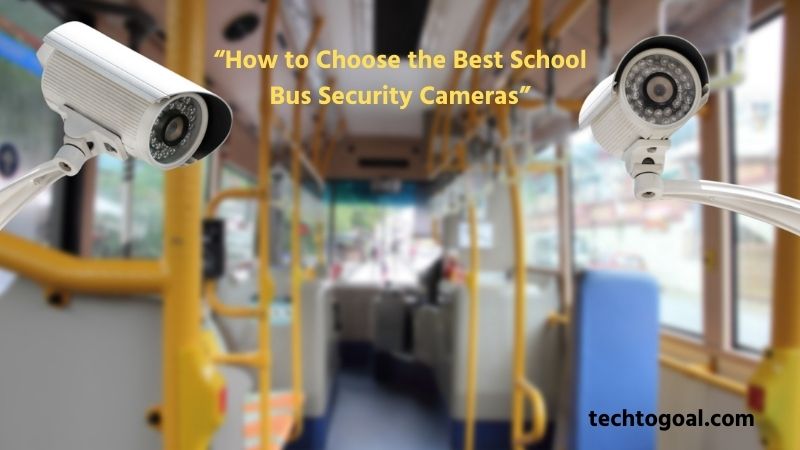
Here is how to choose the best school bus security camera system for your district:
1. Video Resolution and Image Quality
High video resolution is one of the most important features of a school bus security camera. A camera with at least 1080p Full HD resolution ensures clear footage of student activity, driver behavior, and road conditions. Higher resolution helps capture facial details, seat movements, and incidents accurately, which is crucial for investigations and safety reviews.
2. Field of View and Camera Coverage
The best school bus camera system should provide wide-angle coverage to eliminate blind spots. Look for cameras with a wide field of view that can monitor aisles, seating areas, the driver’s cabin, and the front and rear of the bus. Proper coverage ensures that no critical activity goes unnoticed, both inside and outside the vehicle.
3. Night Vision and Low-Light Performance
School buses often operate early in the morning or late in the afternoon, making night vision capability essential. Cameras with infrared (IR) LEDs or low-light enhancement can record clear footage in dark conditions. Strong night vision ensures continuous monitoring regardless of lighting conditions.
4. Durability and Vibration Resistance
School buses are exposed to constant movement, vibrations, and varying weather conditions. Choose security cameras that are built with rugged, vibration-resistant materials. Durable cameras perform reliably on rough roads and have a longer lifespan, reducing maintenance and replacement costs.
5. Storage Capacity and Recording Options
Reliable storage is crucial for school bus camera systems. Cameras may use SD cards, hard drives, or cloud storage to save footage. Look for systems that offer loop recording and sufficient storage capacity to retain recordings for several days or weeks, ensuring important footage is not lost.
6. Audio Recording Support (Where Legal)
Some school bus cameras include audio recording to capture verbal incidents or disputes. If local laws allow audio recording, this feature can provide additional context to video footage. Always ensure compliance with local privacy and recording regulations before enabling audio features.
7. Real-Time Monitoring and GPS Tracking
Advanced school bus security cameras offer live viewing and GPS tracking features. Real-time access allows school administrators to monitor buses remotely, while GPS tracking helps track routes, speed, and bus location. This combination improves response time during emergencies and enhances overall fleet management.
8. Ease of Installation and Maintenance
A good school bus camera system should be easy to install and maintain. Choose cameras with simple mounting options and user-friendly software. Easy maintenance reduces downtime and ensures the system continues to operate efficiently throughout the school year.
9. Compliance with Safety and Privacy Regulations
Before purchasing, ensure the camera system complies with local transportation safety standards and student privacy laws. Proper compliance protects schools from legal issues and builds trust with parents and staff.
10. Cost, Warranty, and Technical Support
While price matters, the cheapest option is not always the best. Consider the overall value, including camera quality, warranty coverage, and customer support. A reliable warranty and responsive technical support ensure long-term performance and peace of mind.
Choosing the best school bus security cameras requires balancing safety, technology, and compliance. By focusing on video quality, coverage, durability, and smart features, schools can invest in a camera system that enhances student safety, improves accountability, and ensures a secure transportation environment every day.
Important Tips Before Installing Bus Camera Systems
Installing a school bus camera system is a significant safety investment that requires more than just technical knowledge. To ensure the system is legally compliant, effective, and long-lasting, there are several strategic factors to consider before the first cable is run.

Here are the essential tips to consider before installing a bus camera system:
- Understand Your Safety and Monitoring Goals: Before installing a bus camera system, clearly define your purpose. Determine whether you need cameras for student safety, driver monitoring, accident evidence, or vandalism prevention. Understanding your goals helps you choose the right number of cameras, camera types, and system features.
- Check Local Laws and Privacy Regulations: Different regions have specific laws regarding video and audio recording, especially when children are involved. Before installation, ensure the camera system complies with local privacy and transportation regulations. Legal compliance protects your institution from penalties and builds trust with parents and staff.
- Choose the Right Number of Cameras: Selecting the correct number of cameras is essential for full coverage. Consider interior cameras for student monitoring and exterior cameras for road and blind-spot coverage. Proper camera placement ensures no critical area of the bus is left unmonitored.
- Select High-Quality Cameras: Invest in cameras with high resolution, wide-angle lenses, and night vision capabilities. High-quality cameras provide clear footage that is useful during incident reviews and investigations. Poor video quality can make footage unusable when it matters most.
- Consider Storage and Data Management: Bus camera systems generate large amounts of video data. Decide whether you need SD cards, hard drives, or cloud-based storage. Ensure the storage solution offers enough capacity, secure data access, and easy retrieval of footage when needed.
- Ensure Power Compatibility: Check the bus power system to ensure it matches the camera system’s voltage requirements. Improper power connections can damage equipment or cause system failures. Using a stable and reliable power source is crucial for uninterrupted recording.
- Plan Secure Cable Routing: Proper cable management prevents damage, tampering, and system malfunction. Plan cable routes that keep wiring hidden, protected, and away from moving parts. Secure cable routing also improves the overall appearance and durability of the installation.
- Choose a Reliable DVR or NVR Unit: The DVR or NVR is the heart of the camera system. Choose a unit that supports multiple cameras, offers loop recording, and is resistant to vibration. A reliable recording unit ensures footage is consistently stored without data loss.
- Consider GPS and Remote Access Features: Modern bus camera systems often include GPS tracking and remote viewing options. These features allow real-time monitoring, route tracking, and faster response during emergencies. Advanced features can significantly improve fleet management and safety oversight.
- Plan for Maintenance and Support: Before installation, consider long-term maintenance needs. Choose a camera system with a warranty and dependable technical support. Regular maintenance, software updates, and hardware checks ensure the system remains effective over time.
Proper planning is the foundation of a successful bus camera system installation. By following these important tips, schools and transport authorities can ensure a secure, compliant, and efficient camera system that enhances safety, accountability, and peace of mind for everyone involved.
FAQs
What types of cameras are used on school buses?
School buses typically use interior cameras to monitor students, exterior cameras to capture surrounding traffic, and sometimes driver-facing cameras to ensure safe driving. Some cameras are fixed, while others are PTZ (pan-tilt-zoom) for flexible monitoring.
How long is the footage stored?
Storage duration varies by system. Standard SD card-based systems may store 7–30 days of footage, while cloud-based systems can keep recordings for up to 90 days or more, depending on subscription and storage capacity.
Do school bus cameras require special installation?
Yes, professional installation is recommended to ensure cameras are positioned correctly, powered safely, and securely mounted. Many cameras are wired to the bus power system, while some modern models are wireless for easier setup.
Can school bus cameras help in preventing bullying?
Absolutely. Cameras act as a deterrent for bullying or inappropriate behavior. Recorded footage also provides evidence for school authorities to take appropriate disciplinary action when incidents occur.
Are school bus cameras legal?
Yes, school bus cameras are legal in most regions, as long as they comply with privacy laws. Typically, cameras are installed inside the bus to monitor student safety and outside to record traffic violations, without violating personal privacy.
How do school bus cameras impact driver safety?
Cameras protect drivers by providing evidence in case of false accusations or disputes. They encourage safe driving practices and allow school administrators to monitor driver behavior, which can reduce accidents and liability issues.
Conclusion
School bus security cameras have become an essential part of modern student transportation, providing safety, accountability, and peace of mind for schools, drivers, and parents alike. By monitoring student behavior, ensuring driver compliance, and offering reliable evidence in case of incidents, these cameras create a safer environment for everyone on board.
When choosing a school bus camera system, it’s important to consider factors such as video quality, coverage, night vision, storage capacity, and compliance with local privacy laws. Proper planning, installation, and maintenance further enhance the effectiveness of the system, ensuring it operates reliably day after day.
Investing in a high-quality bus camera system is not just a technological upgrade; it’s a commitment to student safety and responsible transportation management. With the right cameras in place, schools can foster a secure, well-monitored, and trustworthy bus environment, giving parents confidence and protecting both students and staff.