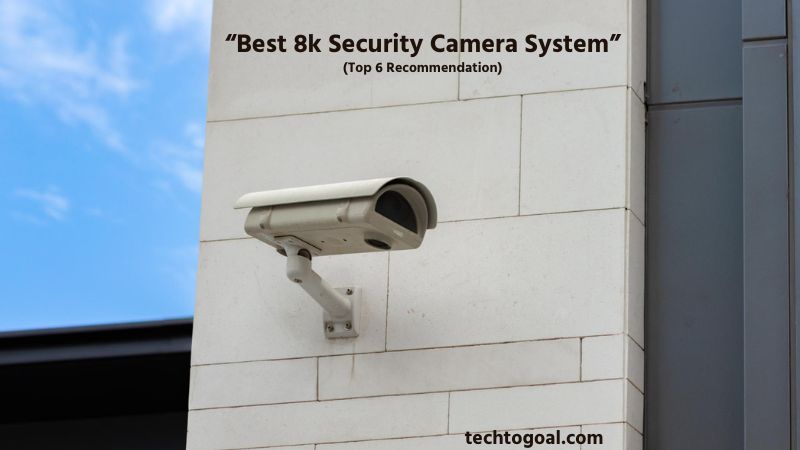

Best 8k Security Camera System: In the ever-evolving world of home and business surveillance, resolution is no longer just a luxury; it’s a necessity. While 4K was once the gold standard, the leap to 8K security camera systems has redefined what it means to feel secure. Imagine being able to zoom in on a license plate from a block away or identify a face with pinpoint accuracy in low-light conditions; that is the power of 33 million pixels at work.
As we move through 2026, 8K technology has become more accessible, offering four times the detail of 4K and sixteen times that of standard 1080p HD. But with so many options hitting the market, how do you choose a system that balances storage efficiency, AI-driven features, and crystal-clear night vision?
In this comprehensive guide, we have tested and ranked the best 8K security camera systems available today. Whether you’re looking to protect a sprawling commercial estate or want the absolute best for your smart home, we’ll help you find the perfect high-definition solution to keep your property safe.
What is an 8K security camera?
An 8K security camera is an advanced surveillance camera that records video at 8K Ultra High Definition (7680 × 4320 resolution), delivering exceptionally sharp and detailed footage. Compared to 4K and 1080p cameras, 8K cameras capture significantly more visual information, making it easier to identify faces, read license plates, and monitor large areas without losing clarity.
These cameras are ideal for high-security environments such as large homes, commercial properties, warehouses, and public spaces where precision matters. With support for features like AI-powered motion detection, digital zoom without quality loss, and enhanced night vision, 8K security cameras represent the next generation of professional-grade video surveillance.
Applications of 8K Security Camera
The transition to 8K resolution isn’t just about “more pixels”; it’s about what those pixels allow you to do. Here are the primary sectors where 8K surveillance is making a revolutionary impact:
1. High-Traffic Public Spaces and Law Enforcement
In areas like airports, train stations, and city squares, monitoring thousands of people simultaneously is a massive challenge. 8K cameras provide a wide-angle view without sacrificing detail. This allows law enforcement to digitally zoom into a specific face or a small object even from a great distance, making it invaluable for forensic investigations and crowd management.
2. Critical Infrastructure and Industrial Sites
Power plants, refineries, and large-scale manufacturing units require constant, high-precision monitoring. An 8K security system allows operators to inspect machinery, monitor safety compliance, and detect minor structural issues (like a small leak or a loose bolt) from a remote command center. The extreme clarity reduces the need for physical patrols in hazardous environments.
3. License Plate Recognition (LPR) and Traffic Management
For toll booths, parking lots, and highway monitoring, 8K is a game-changer. Standard cameras often struggle with motion blur or distance, but 8K captures enough detail to read license plates and identify vehicle makes/models even at high speeds. This high-density data is essential for automated billing systems and identifying stolen vehicles.
4. Large-Scale Retail and Loss Prevention
In massive retail hubs or luxury malls, 8K cameras serve a dual purpose. First, they act as a powerful deterrent against shoplifting by capturing clear evidence that can hold up in court. Second, they provide high-quality data for “heat mapping” and consumer behavior analysis, helping managers understand how customers move through the aisles.
5. Casino and Banking Security
In environments where “sleight of hand” or small denominations of currency are involved, every millimeter of detail counts. Casinos use 8K cameras to monitor gaming tables with extreme precision to detect fraud or cheating. Similarly, banks use them to capture high-fidelity footage of ATM transactions and teller interactions to ensure maximum accountability.
6. Perimeter Protection for Large Estates
For luxury homeowners or corporate campuses, covering a vast perimeter usually requires dozens of 1080p cameras. A single 8K ultra-high-definition camera can cover the same area as four or five standard cameras while providing better digital zoom capabilities. This simplifies the installation process and provides a more seamless monitoring experience.
Best Alternative of 8k Security Camera System
While 8K is a cutting-edge field, these systems represent the absolute peak of surveillance technology available in 2026.
📌Read More👉10 Best Alarm System with Camera of 2026
1. Reolink Duo 3 PoE (16MP Ultra High Definition)
The Reolink Duo 3 is currently the industry leader in the consumer 8K-equivalent category. By combining two high-performance sensors, it delivers a massive 16MP (7680×2160) image, providing a seamless 180° panoramic view that covers vast areas with zero distortion.
Specifications: 16MP Resolution (7680 * 2160), 180° Field of View, Motion Track, Color Night Vision, PoE Powered.
Pros:
- Immense Detail: Captures 16 million pixels, allowing for incredible digital zoom without losing clarity.
- Panoramic Coverage: One camera does the work of two, saving installation time and costs.
- Advanced AI: Smart detection for people, vehicles, and even animals with high accuracy.
- No Subscription: Offers local storage via microSD or NVR, avoiding monthly fees.
Cons:
- High Bandwidth: Requires a very stable and fast network to stream 16MP footage.
- Stitching Seam: In certain lighting, a very faint line may appear where the two images merge.
- Storage Hog: 16MP files are massive and will fill up hard drives quickly.
2. Hanwha Vision (Samsung) Wisenet P Series 8K (33MP)
For those who need professional-grade, “true 8K” surveillance, the Wisenet P series is the gold standard. This camera uses a full 8K sensor to deliver 7680*4320 resolution, making it a favorite for government buildings and stadiums.
Specifications: 8K (33.2MP) at 15fps, 30mm Fixed Lens, AI-based Object Detection, H.265 Compression.
Pros:
- Forensic Clarity: You can identify a face or a license plate from hundreds of feet away.
- Intelligent Analytics: Uses deep learning to classify objects, reducing false alarms to near zero.
- Best-in-Class Sensor: Features a large sensor that performs remarkably well in low-light environments.
- Professional Reliability: Built to last for decades in harsh outdoor conditions.
Cons:
- Extremely Expensive: This is a high-end enterprise solution, not meant for a small budget.
- Low Frame Rate: At 8K resolution, it typically records at 15 fps, which can look slightly choppy.
- Complex Setup: Requires professional installation and high-end server hardware.
3. Bosch DINION IP Ultra 8000 MP
The Bosch DINION 8000 is designed for critical environments where detail is non-negotiable. It provides 12MP to 8K-ready performance with a focus on color accuracy and high-dynamic range (HDR).
Specifications: 12MP-33MP Variable Support, Intelligent Video Analytics (IVA), Extreme Low Light Mode, 4K/8K Scalability.
Pros:
- Intelligent Tracking: The camera automatically follows moving objects and zooms in to capture detail.
- Dynamic Range: Exceptional at handling scenes with both very bright and very dark areas.
- Data Security: Bosch offers some of the highest levels of data encryption in the industry.
- Bitrate Management: Uses Intelligent Streaming to reduce storage needs without losing quality.
Cons:
- No Built-in IR: Often requires external illuminators for total darkness.
- Industrial Design: It has a bulky, box-camera look that might not suit modern home aesthetics.
4. Axis Communications Q1798-LE (4K/8K Optimized)
Axis is a pioneer in IP cameras. The Q1798-LE features a massive 4/3″ sensor (the same size found in many professional DSLR cameras), which allows it to capture 4K and 8K-equivalent levels of detail with unmatched light sensitivity.
Specifications: 10MP to 4K/8K Sensor, 4/3″ Image Sensor, 12x Optical Zoom, Electronic Image Stabilization (EIS).
Pros:
- Unmatched Light Sensitivity: The huge sensor makes night footage look like daytime.
- Optical Zoom: Unlike digital zoom, the 12x optical zoom maintains 100% image quality while zooming.
- Vibration Resistance: EIS ensures the video remains stable even if the camera is mounted on a shaky pole or bridge.
Cons:
- Premium Pricing: Much like Hanwha, Axis cameras are a major financial investment.
- Size: It is a very large camera that is difficult to hide.
5. Avigilon Pro Series 8K (32MP)
Avigilon (a Motorola Solutions company) produces one of the most powerful 8K cameras on the market. Their Pro Series is designed to cover vast areas like parking lots or sports arenas with a single sensor.
Specifications: 8K (32MP) Resolution, H.264/H.265 HDSM Technology, Wide Dynamic Range (WDR), Remote Zoom, and Focus.
Pros:
- Efficient Streaming: Uses High Definition Stream Management (HDSM) to only send the part of the image you are looking at to the screen, saving bandwidth.
- Remote Adjustments: You can adjust the zoom and focus from your computer; no ladder is required.
- Extreme Durability: IK10 vandal-resistant and IP66/67 weather-rated.
Cons:
- Proprietary Software: Works best when used with Avigilon Control Center (ACC) software, which costs extra.
- Hardware Demand: Requires a very powerful NVR to process the 32MP stream.
6. Hikvision PanoVu 16MP/32MP Panoramic
Hikvision’s PanoVu series uses multiple sensors to create a massive 8K (32MP) panoramic image. It is designed for 360-degree or 180-degree situational awareness.
Specifications: 32MP Total Resolution, 8 Sensors in one unit, 360° View, Smart Tracking, PTZ Integration.
Pros:
- Total Awareness: One camera can monitor an entire intersection or a whole building floor.
- Smart Tracking: Can automatically zoom in on a person and follow them around the 360-degree field.
- Cost-Effective per Area: While the unit is expensive, it replaces 8 standard cameras.
Cons:
- Large Footprint: It is a very heavy and large unit.
- Installation Difficulty: Requires specialized mounting and heavy-duty PoE++ power.
Why Choose an 8K Security Camera System?
Investing in an 8K surveillance system is an investment in the future of your security infrastructure. While 4K is impressive, 8K offers a level of forensic detail that was previously impossible. Here is why upgrading to an 8K security camera system is the ultimate choice for modern safety:
- Unmatched Ultra-High Resolution: An 8K security camera system delivers four times the resolution of 4K and significantly more detail than traditional HD cameras. This ultra-high clarity allows you to clearly see faces, license plates, and small movements, even from a distance, making it ideal for high-security environments.
- Superior Digital Zoom Without Quality Loss: With 8K resolution, you can zoom in on recorded footage without losing image sharpness. This is especially useful for identifying suspects or reviewing incidents in large areas where fine details matter.
- Wider Coverage With Fewer Cameras: An 8K camera captures a much larger field of view while maintaining clarity. This means fewer cameras are needed to cover large properties, warehouses, parking lots, or commercial spaces, reducing installation complexity.
- Enhanced Evidence for Security and Legal Use: High-resolution 8K footage provides reliable visual evidence for investigations, insurance claims, and legal cases. The level of detail makes footage more credible and useful when reviewing incidents.
- Advanced AI and Smart Detection Features: Most 8K security camera systems support AI-powered features such as human detection, vehicle recognition, and smart alerts. These features reduce false alarms and ensure you are notified only when real threats are detected.
- Improved Night Vision and Low-Light Performance: 8K systems often include advanced night vision technologies, such as infrared or full-color night vision. This ensures clear monitoring even in low light or complete darkness, providing 24/7 protection.
- Ideal for Large and High-Risk Areas: For large homes, commercial buildings, industrial sites, and public spaces, an 8K security camera system offers professional-grade surveillance. It ensures every corner is monitored with precision and reliability.
- Future-Proof Security Investment: As display and storage technologies continue to advance, 8K security systems are becoming more practical and widely supported. Investing in an 8K system ensures long-term usability and compatibility with future security standards.
- Remote Monitoring With Crystal-Clear Playback: An 8K security camera system allows users to monitor live feeds and recorded footage remotely via mobile apps or desktop software. Even when accessed remotely, the video remains sharp and detailed.
- Greater Peace of Mind: Knowing that your property is protected by an advanced 8K security camera system provides confidence and peace of mind. The ability to see everything clearly, anytime, significantly improves overall security awareness.
Pros & Cons of 8K Security Cameras
While 8K technology represents the pinnacle of modern surveillance, it comes with its own set of unique advantages and practical challenges. Here is a detailed breakdown of what to expect:
Pros of 8K Security Cameras
- 1. Ultra-High Image Resolution and Clarity: 8K security cameras deliver extremely sharp and detailed footage with a resolution of 7680 × 4320. This allows users to capture fine details such as facial features, license plates, clothing, and small movements that lower-resolution cameras may miss, making them ideal for high-security environments.
- 2. Superior Digital Zoom Capability: One of the biggest advantages of 8K cameras is their ability to zoom in digitally without significant loss of image quality. Even when zooming into distant areas, the footage remains clear and usable for identification and investigation purposes.
- 3. Wide Area Coverage With Fewer Cameras: Because of the high pixel density, a single 8K camera can cover a large area while maintaining detail. This can reduce the total number of cameras needed for monitoring wide spaces such as warehouses, parking lots, and campuses.
- 4. High-Quality Evidence for Legal and Security Use: 8K footage provides strong visual evidence for law enforcement, insurance claims, and legal proceedings. The clarity and detail make recordings more reliable and credible during incident reviews.
- 5. Advanced AI and Smart Surveillance Features: Most 8K security camera systems support AI-powered features like human detection, vehicle recognition, behavior analysis, and smart alerts. These features improve monitoring accuracy and reduce false alarms.
- 6. Future-Ready Surveillance Technology: As display technology, storage, and network infrastructure continue to advance, 8K cameras are becoming more practical. Investing in 8K surveillance helps future-proof security systems for long-term use.
Cons of 8K Security Cameras
- 1. High Cost of Equipment and Installation: 8K security cameras and compatible NVRs are significantly more expensive than standard systems. Installation costs may also be higher due to the need for professional setup and specialized hardware.
- 2. Large Storage Requirements: Recording in 8K generates massive amounts of data. Users need high-capacity hard drives or advanced compression technologies, which increases overall system cost and maintenance.
- 3. High Bandwidth and Network Demand: 8K video streams require strong and stable network infrastructure. Without sufficient bandwidth, users may experience lag, dropped frames, or reduced video quality during live viewing or playback.
- 4. Limited Consumer-Level Availability: Compared to 4K or 1080p cameras, 8K security cameras are still limited in availability. Fewer brands offer true 8K systems, which can limit choices and increase prices.
- 5. Overkill for Small or Basic Security Needs: For small homes or low-risk areas, an 8K security camera system may be unnecessary. The benefits of ultra-high resolution may not justify the cost for basic monitoring needs.
- 6. Higher Power and Hardware Requirements: 8K systems often require powerful processors, advanced NVRs, and efficient cooling to handle continuous recording. This can lead to higher power consumption and ongoing operational costs.
8K security cameras offer unmatched clarity, advanced features, and future-ready performance, making them ideal for large properties and high-security applications. However, their high cost, storage demands, and infrastructure requirements mean they are best suited for users who truly need ultra-detailed surveillance.
How to Choose the Best 8k Security Camera System
Selecting the right 8K system requires looking beyond just the resolution. To ensure you get the most out of your investment, consider these critical factors before making a purchase:
1. Determine Your Surveillance Needs First
Before selecting an 8K security camera system, assess your specific security requirements. Consider the size of the property, areas that need coverage, and whether you need indoor, outdoor, or both types of cameras. This initial evaluation helps you choose the right number of cameras and features for effective protection.
2. Check the True 8K Resolution Quality
Not all cameras marketed as “8K” deliver the same performance. Look for cameras with true 8K sensor resolution (7680 × 4320) rather than digital upscaling. True 8K ensures sharper image detail and better footage quality, especially when zooming in on critical areas.
3. Evaluate Night Vision and Low-Light Performance
Security systems must work around the clock, so choose an 8K camera with advanced night vision or full-color low-light functionality. Infrared (IR) LEDs, Starvis sensors, or AI noise reduction help provide clear footage even in total darkness or low-light environments.
4. Look for Smart AI and Motion Detection Features
Smart surveillance features like AI-powered human and vehicle detection, smart alerts, and perimeter breach notifications significantly improve system effectiveness. These features help reduce false alarms and prioritize important events, saving time and storage.
5. Decide Between Wired vs. Wireless Connectivity
Choose wired (PoE) systems for reliability and stable network connections, especially in large buildings or commercial properties. Wireless or hybrid systems offer easier installation and flexibility but may require strong Wi-Fi or cellular backup to avoid signal loss.
6. Consider Storage Options and Compression Technology
8K video files are large, so evaluate how the system stores footage. Look for systems with efficient video compression (H.265+), large internal HDD support, and options for cloud or local backup. Adequate storage ensures you can retain video history without running out of space quickly.
7. Ensure Remote Access and Mobile App Support
A good 8K security camera system should allow remote live viewing and playback via mobile app or web portal. Features like push notifications, two-way audio, and easy access to recorded clips improve convenience and real-time monitoring.
8. Check for Weatherproof and Durable Design
Outdoor cameras must withstand rain, heat, dust, and cold. Choose cameras with a high IP (Ingress Protection) rating (like IP65/IP66 or above) and rugged construction to ensure long-term performance in harsh environments.
9. Assess Scalability and Expandability
Security needs often grow over time. Opt for systems that support expandable camera channels, compatibility with additional sensors, and integration with alarms or other smart devices. Scalable systems help you expand coverage without replacing the entire setup.
10. Compare Warranties, Support, and Brand Reputation
Finally, research the manufacturer’s warranty, customer support quality, and user reviews. Brands with strong service and reliable support save headaches down the line. Good warranty terms also protect your investment against defects or early failures.
Choosing the best 8K security camera system means balancing resolution, intelligence, durability, and practicality. By understanding your needs and comparing key features, you’ll be able to select a system that offers robust security and dependable performance.
FAQs
Is an 8K security camera better than 4K?
Yes, an 8K security camera offers four times more resolution than 4K, providing superior clarity, wider coverage, and better zoom-in capabilities without losing image quality. It is ideal for large properties and high-security areas.
Who should use an 8K security camera system?
8K security camera systems are best for commercial buildings, warehouses, airports, shopping malls, factories, luxury homes, and critical infrastructure where maximum detail and advanced monitoring are required.
What storage capacity is needed for 8K security cameras?
8K cameras consume significantly more storage than lower resolutions. Most systems require high-capacity NVRs (8TB–32TB or more) and often support H.265/H.265+ compression to reduce storage usage.
Do 8K security cameras work at night?
Yes, most premium 8K security cameras include advanced night vision technologies, such as infrared (IR), color night vision, low-light sensors, and smart LEDs to ensure clear footage even in complete darkness.
Are 8K security camera systems compatible with existing setups?
Some 8K systems can integrate with existing security infrastructure, but full compatibility depends on the NVR, cables (Cat6/Cat6a), bandwidth, and power supply. In many cases, an upgrade is required to support 8K performance.
How much does an 8K security camera system cost?
8K security camera systems are premium products. Prices typically range from high to very high, depending on the number of cameras, AI features, storage size, and brand. However, the investment offers future-proof security and unmatched video quality.
Is an 8K security camera system worth buying in 2026?
Yes, in 2026, 8K security camera systems are becoming more practical due to better compression, AI analytics, and improved network technology. If you need top-tier surveillance and long-term value, an 8K system is worth considering.
Conclusion
In the world of modern surveillance, 8K security camera systems represent more than just a technological milestone; they are the ultimate tool for those who refuse to compromise on safety. By offering unprecedented clarity, unmatched digital zoom, and superior AI accuracy, 8K cameras provide a level of protection that 1080p and even standard 4K systems simply cannot match.
However, the transition to 8K isn’t just about buying a camera; it’s about upgrading your entire security ecosystem. To truly benefit from this resolution, you must ensure your network bandwidth and storage capacity are ready to handle the massive data load. For large estates, commercial properties, or high-risk areas, the ability to identify a face or a license plate from a distance makes the initial investment well worth the cost.
As we move further into 2026, 8K technology will only become more streamlined and affordable. If you are looking to future-proof your security and gain absolute peace of mind, there is no better choice than an 8K system. It’s not just about seeing more; it’s about seeing everything with total precision.