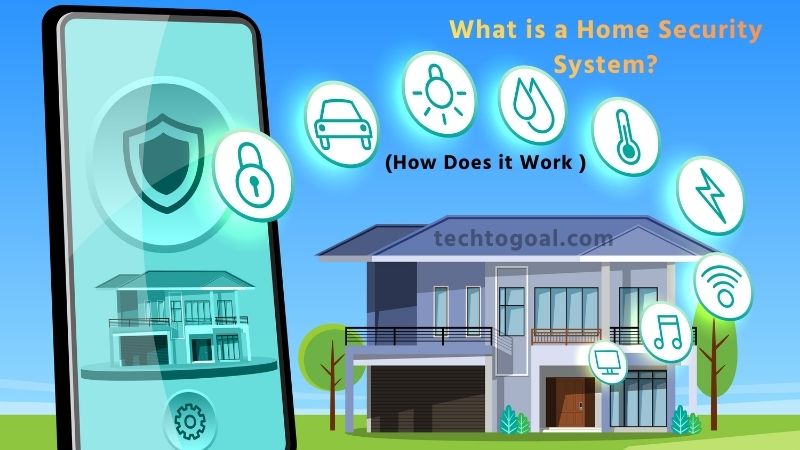

What is a Home Security System: A home security system is no longer a luxury; it has become a modern necessity for protecting families, property, and peace of mind. As technology evolves, today’s security systems do far more than just sound an alarm. They can detect motion, monitor doors and windows, capture HD video, send real-time alerts to your phone, and even connect with smart home devices.
But before choosing the right system, it’s important to understand what a home security system is and how it actually works.
In this guide, we break down the basics in a simple, beginner-friendly way. From sensors and cameras to control panels and mobile apps, you’ll learn how each component plays a role in keeping your home safe.
What is a Home Security System?
A home security system is a network of electronic devices designed to protect your home from intruders, theft, fire, and other potential dangers. It works by monitoring specific entry points such as doors, windows, and rooms and alerting you or a monitoring center when something unusual happens. Modern home security systems combine advanced technology with smart automation, giving you complete control over your home’s safety from anywhere in the world.
📌Read More👉 Why You Need a Home Security System
At its core, a home security system includes components like sensors, motion detectors, security cameras, alarms, and a central control panel. These devices work together to detect suspicious activity and notify homeowners instantly through sirens or mobile alerts. Many systems today also integrate with smart home platforms, allowing you to automate lights, locks, and even thermostats to enhance your overall security.
Home security systems are available in both wired and wireless versions, and they can be customized based on the size of your home and your security needs. Some homeowners prefer DIY systems for easy installation, while others choose professionally monitored systems for round-the-clock protection.
Overall, a home security system acts as a strong defense barrier that helps prevent break-ins, protects your valuables, alerts you to emergencies, and ensures you and your family feel safe whether you’re at home or miles away.
How Does a Home Security System Work?
A home security system works by using a combination of sensors, cameras, alarms, and smart communication technologies to detect unusual activity and alert you or a monitoring center in real time.

At its core, the system is designed to protect your home from intruders, fire, floods, and other emergencies whether you’re at home or away. Modern systems are smarter than ever, linking seamlessly to your smartphone for instant notifications and remote control.
1. Control Panel: The Brain of the System
Every security system is built around a central control panel. This device connects and manages all the sensors, cameras, sirens, and communication modules. It receives signals from the sensors and decides what action to take: trigger an alarm, send an alert, or contact the monitoring center.
Most control panels support:
- Keypad or touchscreen input
- Voice control (Alexa, Google Assistant)
- Mobile app integration
- Wireless and wired connections
2. Sensors: Detecting Unwanted Activity
Sensors play the most crucial role in identifying threats. They are installed at points of entry and key areas inside the home. Common sensors include:
- Door and Window Contact Sensors: These detect when a door or window is opened unexpectedly. If the system is armed and the sensor breaks contact, the alarm triggers.
- Motion Sensors: Placed in living rooms, hallways, and large areas, they detect human movement using infrared (PIR) technology.
- Glass Break Sensors: These listen for the frequency of shattering glass to detect forced entry.
To provide full safety coverage, additional sensors monitor:
- Smoke and fire
- Carbon monoxide
- Water leaks or flooding
- Temperature changes (freeze sensors)
3. Security Cameras: Monitoring What’s Happening
WiFi or wired security cameras help you visually monitor your home.
They capture live footage, detect motion, and send instant alerts to your phone.
Modern security cameras include features like
- HD or 4K video quality
- Two-way audio
- Night vision
- Motion zones
- Cloud or local storage
- AI human detection
- Smart integration (Google/Apple/Alexa)
Cameras may be placed indoors, outdoors, at entry points, or inside the doorbell.
4. Alarms and sirens: Warning you and frightening intruders
If a sensor detects a security breach, the system triggers a loud siren.
This serves two purposes:
- Warns homeowners immediately
- Frightens intruders and discourages further action
Many home security kits include both indoor and outdoor sirens.
5. Mobile App & Notifications: Instant Alerts Anywhere
Modern systems rely on mobile apps for real-time monitoring.
These apps allow you to:
- Arm/disarm the system remotely
- View live camera footage
- Receive motion alerts
- Check sensor activity logs
- Communicate via two-way audio
- Control smart home devices
This turns your smartphone into a portable security dashboard.
6. 24/7 Professional Monitoring (Optional)
Many homeowners use professional monitoring services for additional protection.
Here’s how it works:
- A sensor detects an emergency.
- The monitoring staff immediately verifies the alert.
- They contact you and emergency services if needed.
- This ensures help arrives even if you’re asleep, offline, or unable to respond.
7. Communication Technologies Used
Security systems communicate using:
- WiFi (Most common for smart systems)
- Cellular networks (for professional monitoring)
- Zigbee/Z-Wave (connect smart sensors)
- Ethernet (for wired reliability)
This ensures the system stays connected even during power or network outages.
A home security system works through a smart network of sensors, cameras, alarms, and monitoring services that work together to protect your home day and night. Whether you’re at work, on vacation, or asleep, the system keeps watch, detecting threats instantly and alerting you before damage occurs. With modern smart features, securing your home has never been easier, more reliable, or more accessible.
What are the home security system’s essential parts?
A home security system is made up of multiple devices working together to protect your home from intruders, fire, environmental hazards, and emergencies. Each component has a unique role, and understanding how they function helps homeowners build a safer and smarter security setup. Below is a complete, in-depth overview of the most essential parts of a modern home security system.
📌Read More👉 Top-Secret Techniques for Security Cameras
Control Panel: The control panel is the central command hub that manages communication between all security devices. It lets you arm and disarm the system, receive notifications, and control settings.
Key features:
- Touchscreen or keypad interface
- Wireless connectivity (WiFi, cellular, Z-Wave, Zigbee)
- Siren integration
- Supports mobile app control
- Compatible with speech assistants such as Google Assistant or Alexa
The control panel ensures real-time communication, making it the most important component in any security setup.
Door and Window Sensors: Door and window sensors detect when an entry point is opened or tampered with. They use magnetic contact triggers to send instant alerts to the control panel.
Benefits:
- Immediate intrusion detection
- Works on doors, windows, cabinets, or safes
- Essential for perimeter protection
- Ideal for both homes and apartments
- These sensors are normally the first devices security professionals install.
Motion Detectors: Motion detectors monitor activity inside your home when you’re away or asleep. They detect movement using infrared (PIR) or microwave technology.
Ideal usage:
- Hallways
- Living rooms
- Basements
- Near main entry points
- Advanced models can differentiate humans from pets to reduce false alarms.
Security Cameras: Security cameras allow you to see what’s happening in and around your home at any moment. They act as both a deterrent and a critical evidence-gathering tool.
Types include:
- Indoor cameras
- Outdoor weatherproof cameras
- Doorbell cameras
- Pan-tilt-zoom (PTZ) cameras
- Wireless and PoE cameras
- Most modern cameras offer motion alerts, night vision, AI detection, and cloud/local storage.
Alarm or Siren: The alarm or siren emits a loud sound when a threat is detected. Its goal is to scare intruders away and alert anyone nearby.
Why it matters:
- High-decibel sound grabs attention
- Works with all sensors
- Often built into the control panel
- Helps shorten emergency response time
- A siren is a simple but powerful element of any security system.
Glass Break Sensors: Glass break sensors detect the sound frequency or vibration created when glass shatters.
Useful for:
- Sliding glass doors
- Ground-floor windows
- Large patio doors
- Storefront-style glass
- They add an extra layer of defense against burglars attempting forced entry.
Smart Locks: Smart locks allow you to control your doors remotely through your smartphone. They increase convenience and security by eliminating the need for physical keys.
Benefits:
- Lock/unlock via app
- Temporary guest access
- Auto-lock functionality
- Activity logs
- Integration with alarms and cameras
- Smart locks are ideal for rental properties, Airbnb hosts, and busy households.
Smoke and Carbon Monoxide Detectors: A complete security system doesn’t just protect against intruders; it also guards against fire and deadly CO gas.
Features:
- Immediate hazard alerts
- Automatic notification to the monitoring center
- Interconnected alarms
- Voice alerts in many modern models
- These detectors are essential for every home, regardless of security needs.
Environmental Sensors: Environmental sensors help detect conditions that could lead to expensive damage.
Types include:
- Water leak sensors
- Temperature sensors
- Humidity sensors
- Freeze detectors
- They notify you early so you can take action before problems escalate.
Monitoring Service: Professional monitoring services track alerts and dispatch emergency responders automatically.
Advantages:
- Round-the-clock protection
- Faster response time
- Supports burglary, fire, medical, and environmental alerts
- Peace of mind when traveling
- This service ensures your home is protected even when you can’t check your phone.
Key Fob: A key fob lets you arm or disarm your security system with just a button press.
Useful for:
- Elderly family members
- Kids entering the home
- Quick access without opening an app
- Some key fobs also include a built-in panic button for emergencies.
Panic Button: A panic button connects directly to your monitoring center. With one press, emergency services are dispatched.
Uses:
- Home invasion
- Medical emergencies
- Night-time security
- Elderly or disabled users
- Often kept in bedrooms, offices, or attached to keychains.
Base Station: In some home security ecosystems (like Wyze or SimpliSafe), the base station acts as the main communication hub for all devices.
Functions include:
- Manages sensors and alarms
- Built-in siren
- Battery backup during power outages
- Secure cloud communication
- It ensures all devices stay connected even if WiFi drops.
A modern home security system combines sensors, cameras, smart technology, and monitoring services to create a strong, layered defense. Each component plays a vital role—whether preventing intrusions, reducing risks, or responding to emergencies. By understanding these components, homeowners can choose a system that fits their needs and ensures complete home protection.
What are the types of home security systems?
Home security systems come in different forms, each offering unique benefits, technologies, and levels of protection. Understanding these types helps homeowners choose the best system based on budget, lifestyle, and security needs. Here is an in-depth overview of the main types of home security systems available today.
📌Read More👉 How To Secure Your Home Security Cameras?
1. Monitored Home Security Systems
A monitored home security system is professionally supervised 24/7 by a monitoring center. Whenever a sensor is triggered—whether due to a break-in, fire, or environmental hazard—the system automatically notifies the monitoring team. They verify the alert and dispatch emergency services if necessary.
How It Works:
- Sensors detect unusual activity
- The control panel sends alert to the monitoring center
- Professionals respond and contact authorities
- The homeowner receives instant notifications
Benefits:
- Fast emergency response
- Peace of mind when away or asleep
- Supports burglary, fire, and medical alerts
2. Unmonitored Home Security Systems
Unmonitored systems, also known as self-monitored systems, rely entirely on the homeowner. When an alarm is triggered, the system sends notifications to your phone, but no professional team monitors it.
How It Works:
- The system triggers a loud siren
- You receive alerts through a mobile app
- You are responsible for calling authorities
Benefits:
- No monthly monitoring fees
- Full control through smartphone apps
- Easy to install and maintain
3. Wired Home Security Systems
Wired systems use physical cables to connect all sensors and devices to the control panel. They are often found in older homes or professionally installed setups.
How It Works:
- Sensors communicate through electrical wiring
- Alarm signals travel directly through cables
- Often integrated into a building’s electrical system
Benefits:
- Highly stable and reliable connection
- No risk of wireless interference
- Great for large properties
Drawbacks:
- Installation is difficult and requires drilling
- Not easily portable
- Upgrading components may be complicated
4. Wireless Home Security Systems
Wireless home security systems use WiFi, cellular networks, or RF (radio frequency) signals to connect devices. These are modern, flexible, and easy to install.
How It Works:
- Sensors communicate wirelessly
- The control panel connects to home WiFi or cellular data
- The mobile app provides real-time access and control
Benefits:
- Fast and easy DIY installation
- Works even during power outages (with backup battery)
- Easy to expand with additional sensors or cameras
Drawbacks:
- May rely on strong WiFi
- Potential vulnerability to hacking if not secured
- Ideal for renters, frequent movers, and homeowners wanting a simple setup without drilling.
5. Smart Home Security Systems
Smart home security systems integrate advanced home automation features. They connect to smart assistants and allow users to control security through voice commands, apps, and AI-powered automation.
How It Works:
- Uses smart hubs like Alexa, Google Home, or Apple HomeKit
- Cameras, sensors, lights, and locks communicate wirelessly
- You receive real-time alerts and can automate actions
Examples of Automation:
- Lights turn on when motion is detected
- Doors auto-lock at night
- Cameras send AI-based notifications
Benefits:
- Highly customizable and user-friendly
- Seamless app and voice control
- Enhances both security and convenience
6. Hybrid Systems
Hybrid systems combine wired and wireless components to create a flexible and robust security solution. They often appear in large homes or existing wired systems that require modern upgrades.
How It Works:
- The core system is wired for reliability
- Additional sensors or cameras connect wirelessly
- Provides stability without sacrificing flexibility
Benefits:
- The best of both worlds: wireless ease combined with wired dependability
- Ideal for expanding older wired systems
- Easy to upgrade with smart features
Choosing the right type of home security system depends on your budget, home layout, and desired level of convenience. Whether you prefer the reliability of wired systems, the flexibility of wireless setups, or the advanced automation of smart systems, understanding each type helps you build the perfect protection for your home.
FAQs about Home Security Systems
Can I install a home security system myself?
Yes. Many modern wireless security systems are DIY-friendly and can be installed without professional help. They use peel-and-stick sensors and connect to your WiFi, making setup fast and simple.
What are the most important components of a home security system?
The core components include a control panel, door and window sensors, motion detectors, surveillance cameras, alarm sirens, and optional devices like smart locks, smoke detectors, and environmental sensors.
Do home security systems work without WiFi?
Some systems, especially wired or cellular-based ones, can work without WiFi. However, smart home systems require WiFi for app control, real-time alerts, cloud storage, and remote monitoring.
How much does a home security system cost?
Costs vary depending on the system type. DIY systems may start at $100–$250, while professionally installed systems can cost $500 or more. Additional monthly monitoring fees typically range from $10 to $40.
Are wireless home security systems reliable?
Yes, wireless systems are highly reliable thanks to modern technology. Many models include backup batteries, encrypted signals, and cellular communication to ensure your system stays operational even during power outages.
Conclusion
A home security system is one of the most effective ways to protect your property, your belongings, and the people you care about. By combining sensors, cameras, alarms, and smart technologies, these systems offer real-time alerts and rapid emergency responses that enhance both safety and peace of mind. Whether you choose a monitored, unmonitored, wired, wireless, or fully smart system, the goal remains the same: keeping your home secure from potential threats.
As technology continues to advance, modern security systems have become more accessible, easier to install, and more powerful than ever. Understanding how they work and the different components and system types available helps you make an informed decision that suits your lifestyle and budget. With the right setup, you can enjoy greater control, convenience, and confidence knowing your home is always protected.