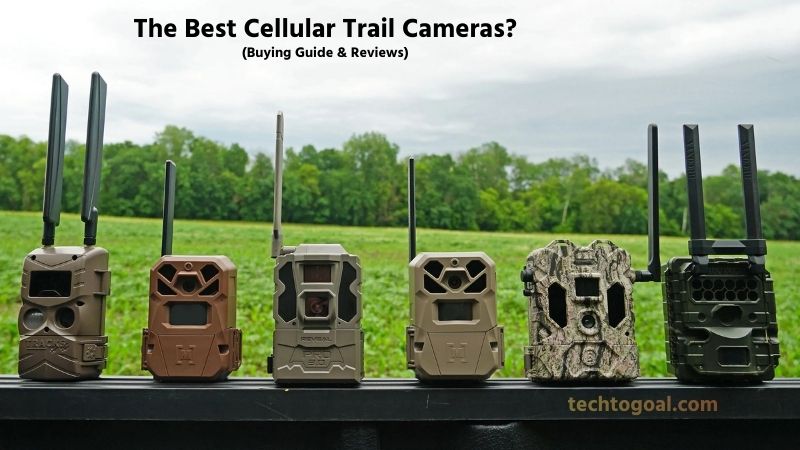

The Best Cellular Trail Cameras: For hunters, wildlife enthusiasts, and property owners, the evolution of trail camera technology has been nothing short of revolutionary. Gone are the days of trekking deep into the woods just to pull an SD card and hope for a clear shot. As we move into 2026, the cellular trail camera has officially taken the throne, offering real-time high-definition images and 4K video transmitted directly to your smartphone, no matter where you are.
The 2026 lineup brings more than just better resolution; we are seeing the rise of AI-driven species recognition, hyper-extended battery lives through integrated solar technology, and ultra-stable 5G connectivity even in the most remote “dead zones.”
Whether you are tracking a trophy buck, monitoring a construction site, or capturing rare wildlife behavior, the right cellular camera can be the difference between a missed opportunity and a successful season. However, with dozens of new models hitting the market from industry giants like Spypoint, Moultrie, and Tactacam, choosing the “perfect” one can feel overwhelming.
Do you prioritize trigger speed, flash range, or the cost of data plans? In this comprehensive guide, we have field-tested and reviewed the best cellular trail cameras of 2026 to help you find the ideal balance of performance, durability, and value. Let’s dive into the top picks that are redefining scouting this year.
What is a cellular trail camera?
A cellular trail camera is a type of outdoor surveillance camera designed to capture photos and videos of wildlife, people, or property activity and transmit them instantly using cellular networks. Unlike traditional trail cameras that store images on an SD card and require manual retrieval, cellular trail cameras send captured footage directly to your smartphone, email, or cloud storage. This real-time access makes them extremely popular among hunters, wildlife researchers, farmers, and landowners who need constant monitoring of remote locations.
How a Cellular Trail Camera Works
Cellular trail cameras operate by combining motion sensors, high-resolution cameras, and built-in cellular modems. When motion is detected, the camera automatically captures an image or video and sends it over a cellular network such as LTE or 4G, similar to how a mobile phone transmits data.
Most models require a data subscription plan, which allows the camera to communicate with the network. This system eliminates the need for frequent site visits, saving time and reducing human disturbance in wildlife areas.
Key Features of Cellular Trail Cameras
Modern cellular trail cameras come equipped with advanced features that enhance both performance and convenience. These include fast trigger speeds, wide detection ranges, infrared or no-glow night vision, weather-resistant construction, and long-lasting battery life.
Many 2026 models also offer AI-based motion filtering, customizable alerts, and mobile apps for easy control. These features ensure accurate monitoring while minimizing false alerts caused by wind, rain, or small animals.
Common Uses of Cellular Trail Cameras
Cellular trail cameras are widely used for wildlife tracking, hunting preparation, farm and livestock monitoring, and property security. Hunters rely on them to monitor animal patterns and movement, while landowners use them to detect trespassers or protect equipment. Researchers and conservationists also benefit from these cameras by observing wildlife behavior without disrupting natural habitats.
Best Cellular Trail Cameras: Top 10 Cameras
Selecting the best cellular trail camera depends on your specific needs, whether it’s high-speed scouting for hunting or 24/7 security for a remote property. As we head into 2026, the market is defined by faster trigger speeds, better battery efficiency, and smarter AI.
📌Read More👉How to Reset Ring Camera in 2026 (Quick and Easy Steps)
Here are the top 10 cellular trail cameras currently dominating the market, reviewed for their performance, reliability, and features.
1. Tactacam Reveal X Pro
The Tactacam Reveal X Pro remains a fan favorite due to its perfect balance of price and performance. It features a built-in LCD screen for easy setup and an integrated GPS.
Its lightning-fast trigger speed ensures you don’t miss a moving target, while the app interface is widely considered one of the most user-friendly in the industry. It’s a workhorse for hunters who want high-quality images without a complicated setup.
2. Spypoint Flex-S (Solar Integrated)
The Spypoint Flex-S is a game-changer for those who hate changing batteries. It features an integrated solar panel and an internal lithium battery, allowing it to run almost indefinitely in sunny locations. It also boasts dual-SIM technology, meaning it automatically connects to the strongest available network, ensuring you stay connected even in patchy areas.
3. Moultrie Mobile Edge Pro
Moultrie has pushed the boundaries of AI with the Edge Pro. This camera features “False Trigger Elimination” technology, which uses AI to identify specifically what you’re looking for (like deer or humans) and ignores blowing branches or shadows. This saves battery life and ensures your phone isn’t buzzing with useless notifications. It also requires no SD card, as it has built-in internal memory.
4. Browning Defender Pro Scout Max
Browning is synonymous with image quality. The Defender Pro Scout Max delivers some of the crispest nighttime images in the industry thanks to its high-end infrared flash. It’s built like a tank, making it ideal for harsh environments or areas where bears or other inquisitive wildlife might try to “inspect” the hardware.
5. Bushnell Trophy Cam HD Aggressor
Bushnell’s latest cellular offering focuses on speed and durability. With a trigger speed of less than 0.2 seconds, it is one of the fastest cameras on the market. It’s perfect for capturing fast-moving predators or security threats. The recovery time is also incredibly short, allowing it to take multiple photos in quick succession as an animal moves across the frame.
6. Stealth Cam Deceptor No-Glo
For those worried about spooking skittish bucks or alerting intruders, the Stealth Cam Deceptor is the gold standard. It uses “No-Glo” black IR emitters that are completely invisible to the human and animal eye. It provides excellent 36k image resolution and 1440p QHD video with audio, making it a top choice for both scouting and covert security.
7. Vosker V300 (Best for Security)
While many trail cameras are for hunting, the Vosker V300 is specifically engineered for remote security. It features “Live Streaming” capabilities, a rarity in the cellular world. It’s widely used for monitoring construction sites, cabins, or farm gates. It also includes a solar panel and a pre-activated SIM card for immediate deployment.
8. Cuddeback CuddeLink Cell
Cuddeback’s approach is unique because of its “CuddeLink” mesh network. This allows you to have up to 24 cameras “talking” to each other, but only one camera requires a cellular data plan to send all the images to your phone. This is the most cost-effective solution for property owners who want to blanket a large area with dozens of cameras without paying for 20 separate data plans.
9. Link-Micro-S-LTE by Spypoint
If you are looking for the most compact and affordable cellular option, this is it. The Link-Micro is incredibly small, making it easy to hide from thieves. Despite its size, it includes integrated solar charging. It’s a “photo-only” camera, so it’s best for those who don’t need video but want to monitor multiple trails on a budget.
10. Spartan GoCam 4G/5G
The Spartan GoCam is the heavy-duty veteran of the group. Known for its incredible durability and long-term reliability, it’s a favorite for professional researchers and outfitters. It offers a very robust web portal for managing images on a computer, which is helpful if you are managing a massive database of wildlife photos over several years.
These top 10 cellular trail cameras for 2026 represent the best balance of connectivity, image quality, battery life, and user-friendly features available on the market. Whether you’re a hunter seeking detailed game monitoring or a landowner securing remote property, there’s a model here to match your needs and budget.
Best Cellular Trail Camera With Solar Panel
In 2026, solar-integrated cellular trail cameras have become the “gold standard” for hunters and property owners who want a “set-and-forget” solution. These cameras eliminate the need for frequent battery swaps by using the sun to keep their internal batteries charged indefinitely.
📌Read More👉How to Share Blink Camera Access: Safely and Efficiently 2026
Here are the top 5 solar cellular trail cameras of 2026 and their detailed reviews:
1. Tactacam Reveal Ultra (Editor’s Choice):
The Tactacam Reveal Ultra is arguably the most reliable camera of 2026. While the camera body itself is robust, it is designed to work seamlessly with Tactacam’s high-efficiency solar panels.
Review: This model stands out for its live video streaming and active GPS tracking, which can send its location even weeks after losing power. Users love the user-friendly app and the “No-Glow” flash versatility, which makes it perfect for sensitive scouting where you don’t want to spook mature bucks.
2. Spypoint Flex-S Dark (Best for Zero-Maintenance)
The Spypoint Flex-S Dark is the ultimate low-maintenance workhorse. It features a high-output solar panel built directly into the top of the camera housing.
Review: It uses Dual-SIM technology to automatically connect to the strongest network (Verizon or AT&T) in your area. The “Dark” version uses invisible LEDs for nighttime capture, and because it constantly recharges its internal lithium battery via the sun, you can leave it in the field for a full year without a single visit.
3. Moultrie Mobile Edge Solar (Best Value)
The Moultrie Mobile Edge Solar offers incredible performance at a more accessible price point. It features an integrated solar panel that is foldable and adjustable to catch the best angle of the sun.
Review: One of its best features is the built-in internal memory, which means you never have to buy or manage SD cards. The solar panel is surprisingly efficient even in partial shade, and the Moultrie app’s AI can filter out “false triggers” like blowing grass to further save battery life.
4. Vosker V300 Ultimate (Best for Remote Security)
The Vosker V300 Ultimate is specifically engineered for security rather than hunting. It is the premier choice for monitoring construction sites, cabins, or large farms.
Review: It features a massive 14,000 mAh rechargeable battery paired with a built-in solar panel. This model supports on-demand live streaming, allowing you to see a live feed of your property at any time. It’s rugged, weatherproof (IP65 rated), and comes with a pre-activated SIM card for instant out-of-the-box deployment.
5. Stealth Cam Deceptor Max with Solar Pack
The Stealth Cam Deceptor Max is built for speed and high-resolution nighttime imagery. While it has a large internal battery capacity (16 AAs), it is best used with Stealth Cam’s dedicated solar power bank.
Review: It features an industry-leading 0.14-second trigger speed, ensuring you catch the fastest-moving wildlife. The image quality is a staggering 40 MP, and its “No-Glo” IR array provides a completely invisible flash up to 80 feet. It’s the top choice for users who prioritize speed and crystal-clear night vision.
Advantages of Cellular Trail Cameras
The shift from traditional SD-card cameras to cellular technology has completely transformed wildlife management and property surveillance. In 2026, the benefits of going “cellular” far outweigh the small monthly subscription costs.
Here are the primary advantages of using cellular trail cameras for hunting and security:
1. Real-Time Photo and Video Alerts: One of the biggest advantages of cellular trail cameras is real-time image and video delivery. As soon as motion is detected, photos or videos are sent directly to your smartphone or email using a cellular network. This instant access allows hunters, landowners, and wildlife enthusiasts to monitor activity without waiting days or weeks to check the camera manually.
2. No Need for Frequent Site Visits: Unlike traditional trail cameras that require physical SD card retrieval, cellular trail cameras eliminate the need for frequent trips to the camera location. This saves time, fuel, and effort, especially when cameras are placed in remote or hard-to-reach areas. Fewer visits also mean less disturbance to wildlife and reduced human scent in hunting zones.
3. Improved Wildlife Monitoring Accuracy: Cellular trail cameras help users make smarter decisions by providing consistent, up-to-date data. Hunters can track animal movement patterns more accurately, while researchers and conservationists can observe wildlife behavior without interfering with natural habitats. The continuous stream of data improves planning and results.
4. Enhanced Property and Land Security: These cameras are not only for wildlife, they are also highly effective for property security. Cellular trail cameras instantly alert you to trespassers, theft, or unusual activity on farms, construction sites, or remote land. Immediate notifications allow for faster response and better protection of valuable assets.
5. Reduced Risk of Camera Theft: Because images are transmitted instantly, footage is often already saved to the cloud before a camera can be stolen or damaged. Many cellular trail cameras also include GPS tracking, tamper alerts, and password protection, making them safer than traditional models that store all data locally.
6.Easy Remote Management via Mobile Apps: Most modern cellular trail cameras come with user-friendly mobile apps that allow you to change settings remotely. You can adjust photo resolution, video length, detection sensitivity, and alert preferences without physically accessing the camera, offering unmatched convenience and control.
7. Better Coverage of Large Properties: Cellular trail cameras are ideal for monitoring large hunting lands, farms, or forests. With instant connectivity and long detection ranges, users can keep an eye on multiple locations at once. Some systems even support multi-camera management under a single app or subscription plan.
8. Long-Term Cost and Time Savings: While cellular trail cameras may have higher upfront costs, they often save money in the long run. Reduced travel expenses, less battery replacement due to solar options, and efficient monitoring make them a cost-effective solution over time, especially for serious users.
9. Advanced Technology and Smart Features: Modern cellular trail cameras feature AI-based motion detection, no-glow infrared night vision, fast trigger speeds, and weather-resistant designs. These advanced technologies improve image accuracy, reduce false alerts, and ensure reliable performance in harsh outdoor conditions.
10. Ideal for Multiple Use Cases: Cellular trail cameras are extremely versatile. They are used for hunting, wildlife observation, farm monitoring, property security, research, and even construction site surveillance. This flexibility makes them a valuable investment for anyone needing remote monitoring solutions.
How to Choose the Best Cellular Trail Camera?
Choosing the right cellular trail camera is more than just picking the one with the highest megapixels. In 2026, the focus has shifted toward connectivity, AI features, and power sustainability. To ensure you get the best value for your money, follow this detailed buying guide.
Here are the key factors to consider when choosing a cellular trail camera:
- 1. Cellular Network Compatibility: The first and most important factor when choosing a cellular trail camera is network compatibility. Make sure the camera supports the cellular carriers available in your area, such as LTE or 4G networks. Some modern cameras offer auto-carrier switching, which automatically connects to the strongest available network. This ensures reliable photo and video transmission even in remote locations with inconsistent signal strength.
- 2. Image and Video Quality: High-quality images and videos make it easier to identify wildlife or detect security threats. Look for a cellular trail camera that offers at least 12MP photo resolution and 1080p HD video recording. Advanced models provide sharper night images, color-accurate daytime photos, and clear motion capture, which are essential for accurate monitoring and analysis.
- 3. Night Vision and Infrared Technology: Since most animal movement and security activity occurs at night, strong night vision performance is crucial. Choose a camera with infrared or no-glow LED technology to capture clear images in complete darkness without alerting animals or intruders. No-glow infrared is especially beneficial for stealth monitoring and security use.
- 4. Trigger Speed and Detection Range: Trigger speed determines how quickly the camera captures an image after detecting motion. A faster trigger speed reduces missed shots of fast-moving animals. Detection range is equally important, as it controls how far the camera can sense movement. A good cellular trail camera should have a fast trigger speed and a wide, adjustable detection range for consistent results.
- 5. Battery Life and Power Options: Battery life directly affects how long your camera can stay in the field without maintenance. Look for models that support long-lasting batteries, rechargeable packs, or built-in solar panels. Solar-powered cellular trail cameras are ideal for long-term deployments, as they reduce battery replacement and maintenance costs.
- 6. Data Plans and Subscription Costs: Most cellular trail cameras require a monthly or yearly data plan. Compare subscription options carefully, considering image limits, video support, and pricing flexibility. Some brands offer affordable plans with no contracts, allowing you to scale usage based on your needs without overspending.
- 7. Mobile App and Remote Control Features: A user-friendly mobile app enhances the overall experience by allowing you to manage camera settings remotely. The best cellular trail cameras let you change resolution, adjust detection sensitivity, check battery status, and receive instant alerts all from your smartphone or tablet.
- 8. Durability and Weather Resistance: Since trail cameras are exposed to harsh outdoor environments, durability is essential. Choose a camera with a rugged, weather-resistant design that can withstand rain, snow, heat, and dust. A strong housing ensures long-term performance and protects internal components in extreme conditions.
- 9. Storage and Cloud Management: In addition to cloud transmission, many cellular trail cameras support SD cards for local storage backup. Cloud storage allows you to review, organize, and download images anytime, while local storage provides an extra layer of data security in case of connectivity issues.
- 10. Price and Overall Value: Finally, consider the camera’s price in relation to its features and long-term value. While premium models offer advanced technology, many mid-range cameras provide excellent performance at a more affordable cost. Choose a cellular trail camera that balances reliability, features, and budget to get the best return on your investment.
FAQs
What makes a cellular trail camera “the best” in 2026?
The best cellular trail cameras in 2026 combine fast and reliable cellular connectivity, high-resolution images and videos, long battery life, advanced detection features, and user-friendly mobile app support, giving you real-time monitoring without frequent maintenance.
Do cellular trail cameras work everywhere?
Cellular trail cameras require a cellular signal to transmit photos and videos. While most models support major LTE/4G networks, performance may vary in rural or low-coverage areas. Some cameras also offer auto carrier switching to improve reception.
How important is image quality when choosing a trail camera in 2026?
Image quality is critical, especially for identifying wildlife species or potential security intruders. In 2026, the best models offer high-megapixel photos (12MP+) and HD/4K video, resulting in clearer, more detailed footage both day and night.
How do data plans affect cellular trail camera performance?
Most cellular trail cameras need a monthly or yearly data plan to send images and videos over mobile networks. Plans vary in cost and data limits; choosing the right plan ensures you receive alerts without overage charges or delays.
Is night vision important for a 2026 trail camera?
Absolutely. Night vision ensures your camera captures clear footage in low light or complete darkness. Advanced infrared or no-glow LED technology in 2026 models helps maintain stealth while improving night image quality.
How long do batteries last in the best cellular trail cameras?
Battery life depends on usage, settings, and power options. Top-rated 2026 models may last several months on standard batteries, and many support solar panels or rechargeable packs for longer, maintenance-free deployments.
What is trigger speed, and why does it matter?
Trigger speed is how quickly your camera captures a photo after detecting motion. Faster trigger speeds reduce missed shots of fast-moving animals. In 2026, the best cameras offer industry-leading trigger times for accurate wildlife or security captures.
Can I control my cellular trail camera remotely?
Yes, most top models feature mobile apps that let you change settings, view live images, adjust detection zones, and receive alerts without physically accessing the camera. This adds convenience and helps fine-tune performance.
What should I consider before buying a 2026 cellular trail camera?
Before buying, assess network coverage, image/video quality, battery options, data plan costs, detection features, app usability, and weather resistance. Understanding your specific needs—wildlife scouting, security, or farm monitoring—will help you choose the best camera for your situation.
Conclusion
The landscape of wildlife monitoring has shifted dramatically, and as our 2026 reviews show, cellular trail cameras are no longer just a luxury; they are an essential tool for anyone serious about hunting, land management, or remote security.
By choosing a model that balances fast trigger speeds, reliable 5G/LTE connectivity, and sustainable power options like integrated solar panels, you are investing in 24/7 surveillance that saves you time, fuel, and most importantly keeps your presence undetected in the field.
Whether you prioritize the crystal-clear 4K video of the Tactacam Reveal Ultra, the smart AI filtering of the Moultrie Edge 3, or the 360-degree coverage of the Stealth Cam Revolver, the “live” insights you require to make wise choices may be obtained with the correct camera.
As technology continues to evolve, staying ahead with the best gear ensures you never miss a moment of the action. Choose the camera that fits your specific terrain and budget, and enjoy the peace of mind that comes with having a digital eye always on the lookout.