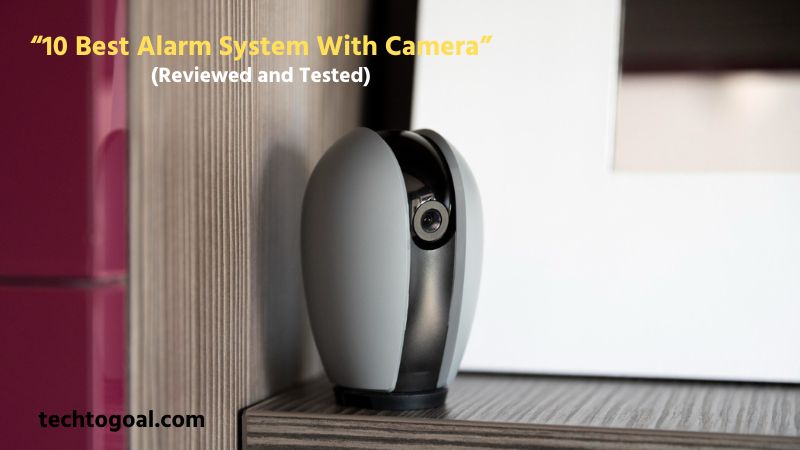

Best Alarm System with Camera: In 2026, home security has evolved far beyond simple sirens and door sensors. As smart home technology reaches new heights of sophistication, the modern homeowner demands more: real-time visual verification, AI-powered threat detection, and seamless integration with a connected lifestyle.
Gone are the days of grainy footage and false alarms triggered by a passing neighborhood cat. Today’s top-tier alarm systems with integrated cameras act as proactive digital guardians, using edge computing to distinguish between a delivery person and a potential intruder before they even reach your doorstep.
Choosing the right system in this rapidly changing landscape can be overwhelming. With industry leaders like Vivint, ADT, and SimpliSafe introducing advanced 4K resolution and bidirectional audio, the “gold standard” for home protection has officially shifted.
Whether you are looking for a subscription-free DIY setup that offers local storage or a professionally monitored ecosystem that integrates with your smart locks and lighting, finding the perfect fit is about balancing privacy, technology, and peace of mind. In this comprehensive guide, we break down the 10 best alarm systems with cameras for 2026, analyzing their features, AI capabilities, and overall value to help you secure what matters most.
Best Alarm System with Camera?
Selecting a home security system in 2026 requires looking beyond simple motion detection. The best systems now offer high-definition video, artificial intelligence for person/package detection, and seamless smart home integration.
📌Read More👉The Best Cellular Trail Cameras of 2026
Here is a detailed breakdown of the 10 best alarm systems with cameras in 2026, including an overview and a balanced look at their pros and cons.
1. Vivint Smart Home: The King of Proactive Deterrence
Overview: Vivint has solidified its position in 2026 as the premier choice for homeowners who want a “hands-off” but high-tech experience. Unlike DIY systems, Vivint is a professionally installed, end-to-end solution.
Their flagship Outdoor Camera Pro (Gen 3) is the star of the show. It utilizes “Smart Deter” technology; when the camera’s AI detects a person loitering in a predefined zone, it doesn’t just send a notification, it physically intervenes. The camera illuminates a bright red LED ring and plays a loud, customized warning tone to let the intruder know they are being tracked.
In-Depth Performance: The system integrates seamlessly with the Vivint Smart Hub, a central 7-inch touchscreen that controls everything from your smart locks to your garage doors. In 2026, Vivint’s AI has evolved to distinguish between a delivery driver, a neighbor walking a dog, and a genuine threat with 99.8% accuracy.
Pros:
- Autonomous Deterrence: Actively scares off intruders before they reach the door.
- Professional Installation: No need to worry about wiring or sensor placement.
- Unified Ecosystem: One app controls security, climate, and lighting perfectly.
Cons:
- High Cost: Significant upfront hardware and installation fees.
- Commitment: Usually requires a long-term monitoring contract.
2. SimpliSafe: The Master of Minimalist Security
Overview: SimpliSafe remains the most respected name in the DIY security space in 2026. It appeals to those who want professional-grade protection without the corporate “lock-in.”
Their newest system features the Smart Alarm Wireless Indoor Camera, which solved the biggest consumer complaint: privacy. The camera features a mechanical stainless-steel shutter that snaps shut when the system is set to “Off” or “Home,” providing visual confirmation that no one is watching.
In-Depth Performance: SimpliSafe’s 2026 monitoring plans include Live Guard Protection. If an alarm is triggered, professional monitoring agents can actually see through the camera and speak to the intruder in real-time to deter them while the police are en route.
Pros:
- Privacy-First Design: Mechanical shutters protect your indoor life.
- Zero Contracts: Pay month-to-month and cancel anytime.
- Fast Dispatch: Video verification leads to priority police response.
Cons:
- Smart Home Gaps: Still lacks native support for Apple HomeKit.
- Hardware Aesthetics: The sensors are functional but look a bit “plastic.”
3. Arlo Home Security System: The Visual Authority
Overview: For the homeowner who believes “pixels are protection,” Arlo is the undisputed champion. The 2026 Arlo system centers around the Arlo Ultra 3, a 4K HDR camera with a 180-degree panoramic view. Arlo has transitioned from being just a “camera company” to a full security provider, offering a multi-sensor that can detect motion, door/window openings, water leaks, and smoke alarm sounds all in one tiny device.
In-Depth Performance: Arlo’s 4K footage is so sharp in 2026 that license plate recognition is possible from up to 30 feet away. Their color night vision is powered by a high-intensity spotlight that turns the darkest alleyways into clear, daylight-quality video.
Pros:
- Unrivaled Resolution: 4K HDR provides the best forensic evidence.
- Versatile Sensors: One sensor does the job of five different devices.
- Powerful App: Includes “Emergency Response” buttons to call fire, police, or medical aid.
Cons:
- Battery Management: 4K streaming drains batteries faster and requires frequent charging or solar panels.
- Subscription Dependent: Most AI features and cloud storage require an Arlo Secure plan.
4. Eufy Security (S330 Series): The Privacy Specialist
Overview: Eufy has disrupted the industry by tackling the two biggest pain points: monthly fees and cloud privacy. In 2026, their HomeBase 3 acts as a local brain for your home. It features BionicMind AI, which learns your family’s faces over time. The system is designed to store all video locally on an expandable hard drive (up to 16 TB), meaning your private videos never leave your house.
In-Depth Performance: The eufyCam 3 models come with integrated solar panels, meaning that in a sunny environment, you literally never have to charge the cameras. This “set it and forget it” approach makes it the most convenient system on this list.
Pros:
- No Monthly Fees: Save hundreds of dollars per year on subscriptions.
- Local AI Processing: Facial recognition happens on your device, not in the cloud.
- Solar Powered: Permanent power supply for outdoor cameras.
Cons:
- High Initial Cost: The hardware is more expensive because you aren’t paying a subscription.
- Professional Monitoring: Their professional monitoring services are not as robust as ADT or Vivint.
5. Ring Alarm Pro: The Connectivity Powerhouse
Overview: Ring (an Amazon company) has taken a unique approach by merging network stability with security. The Ring Alarm Pro hub is also a built-in Eero 6 Wi-Fi mesh router. This ensures that your security cameras have a dedicated, high-speed connection, which is vital in 2026 as our homes become crowded with other smart devices.
In-Depth Performance: The standout feature is 24/7 backup internet. If a burglar cuts your fiber line, the Ring Alarm Pro switches to cellular data, keeping not only your alarm but also your cameras and other essential smart devices online.
Pros:
- Rock-Solid Connection: Built-in Eero router prevents camera lag.
- Alexa Integration: The best choice for those already using Echo devices.
- Edge Storage: Now supports local processing of video.
Cons:
- Privacy Stigma: Amazon’s history with law enforcement data sharing remains a concern for some.
- Feature Gating: Many essential features are locked behind the Ring Protect Pro plan.
6. ADT Self-Setup: The Trusted Legacy Meets Modern Tech
Overview: ADT has spent the last century protecting homes, and in 2026, they have perfectly blended that heritage with Google’s technology. The ADT Self-Setup system uses Google Nest Cams and doorbells as its visual components. This allows users to get the most reliable professional monitoring in the world paired with the best AI software on the market.
In-Depth Performance: Using Google’s “Familiar Face” technology, the system can announce over your speakers, “John is at the front door,” rather than just saying “Motion detected.” If an actual intruder is spotted, ADT’s monitoring centers receive the video clip instantly to verify the threat.
Pros:
- World-Class Monitoring: The biggest network of monitoring centers is owned by ADT.
- Google AI: Best-in-class person and package detection.
- Flexible Installation: Choose between DIY or professional setup.
Cons:
- App Clutter: Sometimes requires switching between the ADT+ app and the Google Home app.
- Pricey Services: Monthly monitoring fees are on the higher end of the spectrum.
7. Abode Iota: The Smart Home Enthusiast’s Dream
Overview: Abode Iota is a compact, all-in-one gateway that is arguably the most versatile system for tech lovers. It supports Apple HomeKit, Z-Wave, Zigbee, and Alexa. The Iota tower itself contains a 1080p camera, a motion sensor, and a siren. It is the ideal “brain” for a home with a lot of automation.
In-Depth Performance: In 2026, Adobe shines in its “CUE” automation engine. You can program the system so that when the camera detects a person after midnight, the house automatically locks the deadbolts, shuts the blinds, and turns the bedroom lights to a dim red.
Pros:
- Extreme Compatibility: Works with almost any smart device on the planet.
- No Mandatory Fees: Basic self-monitoring is free.
- Apple HomeKit: One of the few systems that works natively in the Apple ecosystem.
Cons:
- Basic Camera: The built-in Iota camera is only 1080p, lagging behind Arlo’s 4K.
- Sensor Range: Best suited for apartments or medium-sized homes; large estates may struggle with signal.
8. Wyze Home Monitoring: The Budget Disruptor
Overview: Wyze has one mission: to make high-end security affordable for everyone. In 2026, they offer a full home monitoring suite for the price of a single camera from other brands. The system uses the Wyze Cam v4, which offers “Starlight” sensor technology, providing vivid color video even in near-total darkness.
In-Depth Performance: Despite the low price, Wyze offers 24/7 professional monitoring through Noonlight. The system is surprisingly robust, offering entry sensors, motion sensors, and a keypad that feels modern and responsive.
Pros:
- Unbeatable Price: High-end features at a fraction of the cost.
- Excellent Night Vision: The Starlight sensor is a top performer in low light.
- Compact Design: Hardware is small and unobtrusive.
Cons:
- Security Record: Have faced past challenges with data leaks (mostly patched now).
- Occasional Latency: The app can sometimes take a few seconds longer to load video than Vivint or Arlo.
9. Lorex Fusion Series: The Industrial Grade Solution
Overview: Lorex is the preferred choice for large estates or small businesses in 2026. Their Fusion Series combines the reliability of wired PoE (Power over Ethernet) cameras with the flexibility of wireless sensors. This is a “hardened” system designed for those who don’t want to rely on Wi-Fi for their security.
In-Depth Performance: The Lorex NVR (Network Video Recorder) allows for 24/7 continuous recording on a local hard drive. Unlike battery cameras that only record when motion is detected, Lorex records every second of the day in 4K resolution.
Pros:
- 24/7 Recording: Never miss a second of activity.
- No Internet Required: Works perfectly even if your internet is completely out.
- Durability: Cameras are built with metal housings to withstand extreme weather.
Cons:
- Difficult Setup: Running Ethernet cables through walls requires DIY skill or a pro.
- Mobile Experience: The app is functional but not as “slick” as Nest or Ring.
10. Ecobee Smart Security: The Environmental Guardian
Overview: Ecobee has innovated by turning its famous Smart Thermostat into a security hub. In 2026, the thermostat uses its built-in microphones and sensors to detect the sound of breaking glass or smoke alarms. The ecobee SmartCamera integrates into this system to provide a 180-degree field of view with built-in Alexa.
In-Depth Performance: This system is unique because it monitors the “health” of your home alongside its security. It can detect a frozen pipe or a sudden rise in temperature (fire) and alert you immediately, making it an all-in-one safety solution.
Pros:
- Dual Purpose: Protects your home from burglars and environmental damage.
- Elegant Design: The thermostat is a beautiful addition to any wall.
- Rich Features: Includes two-way communication and smoke alarm detection.
Cons:
- Limited Camera Range: Primarily an indoor solution; outdoor options are limited.
- Placement Restricted: The “hub” (thermostat) is fixed to a wall, which might not be the best spot for a siren.
Which One Should You Choose?
There is no “one size fits all” approach to security in 2026.
- If you want the absolute best technology and don’t mind the price, Vivint is the winner.
- If you are a privacy advocate who wants no monthly fees, Eufy is the clear choice.
- For renters or those who want a simple DIY setup, SimpliSafe remains the most balanced option.
Are Home Alarm Systems Effective?
Home alarm systems are not just “psychological” deterrents; they are scientifically proven to reduce the risk of burglary and increase property safety. In 2026, the effectiveness of these systems has reached new heights due to AI integration and real-time response capabilities.
📌Read More👉How to Choose the Best Cellular Trail Camera?
Here is a detailed, breakdown of why home alarm systems are effective:
Significant Burglary Deterrence
The mere presence of a visible alarm system is often enough to stop a crime before it begins. Research consistently shows that over 60% of burglars will seek an alternative target if they discover an alarm system at a home. By displaying security yard signs and window decals, you are effectively “target hardening” your home, making it a high-risk, low-reward option for criminals who prefer easy, unprotected targets.
Immediate Crime Interruption
While a lock only delays an intruder, an alarm system actively interrupts their progress. Statistics indicate that only 13% of burglars continue with a break-in attempt once an alarm is triggered. The high-decibel siren creates immediate panic for the intruder and alerts neighbors, significantly reducing the amount of time a criminal stays inside your home, often forcing them to flee empty-handed.
“The Halo Effect” (Neighborhood Protection)
Studies from Rutgers University have shown that home alarms create a “halo effect” of safety. When several homes in a neighborhood have alarm systems, the entire area’s crime rate drops, not just for the protected homes. This is because criminals perceive the entire neighborhood as being “actively monitored” and high-risk, effectively decreasing the density of residential burglaries in that zone.
Reduced Emergency Response Times
In 2026, modern alarm systems with video verification have revolutionized police dispatch. Traditional alarms sometimes faced slow response times due to “false alarm” concerns. However, with integrated cameras, monitoring agents can confirm a “crime in progress” via a live feed. This verified data allows police to categorize the call as a high priority, leading to significantly faster arrival times and a higher chance of an arrest.
Beyond Security: Environmental Protection
The effectiveness of an alarm system extends far beyond anti-theft. Most 2026 systems are integrated with environmental sensors for smoke, fire, carbon monoxide, and water leaks. According to safety data, homes with monitored smoke alarms can reduce fire-related fatalities by up to 70%. These systems provide a 24/7 safety net for your property even when you are asleep or away, protecting your home from physical disasters as well as human threats.
Insurance Benefits and Financial ROI
Insurance companies recognize the proven effectiveness of alarm systems, often offering 10% to 20% discounts on homeowners’ insurance premiums. This discount serves as a financial “stamp of approval” for the system’s ability to mitigate risk. Over a few years, the savings on insurance can often cover the initial cost of the alarm hardware, making it a smart financial investment in addition to a safety one.
24/7 Monitoring for Continuous Protection
Many home alarm systems offer round-the-clock monitoring, ensuring your home is protected even when you’re asleep or away. Continuous surveillance adds a critical layer of security that manual monitoring simply can’t match, making alarm systems especially effective for long-term protection.
Integration with Security Cameras
Alarm systems paired with cameras are more effective than alarms alone. Cameras provide visual verification, record evidence, and allow homeowners to check live footage. This combination improves threat detection accuracy and helps identify intruders if an incident occurs.
Reduction in False Alarms
Modern systems use smart sensors and AI-powered detection to reduce false alarms caused by pets, shadows, or environmental changes. This improved accuracy makes alarm systems more reliable and increases user confidence in their effectiveness.
Increased Peace of Mind
Home alarm systems provide psychological advantages in addition to physical security. Knowing your home is protected reduces stress and allows you to feel safe whether you’re home or traveling. Peace of mind is one of the most valuable advantages of installing a reliable alarm system.
Potential Insurance Discounts
Many insurance companies offer lower premiums for homes with installed alarm systems. This financial benefit reflects how effective alarms are at reducing theft, damage, and insurance claims over time.
Smart Home Compatibility
Today’s alarm systems integrate with smart locks, lighting, and voice assistants, increasing overall effectiveness. Automated lighting or door locks triggered by an alarm can further discourage intruders and improve response efficiency.
Proven Crime Reduction Impact
Studies consistently show that homes with alarm systems experience fewer break-ins compared to unprotected properties. This proven impact highlights the effectiveness of alarm systems as a core component of modern home security.
Yes, home alarm systems are highly effective, especially when combined with cameras, professional monitoring, and smart technology. They not only prevent crime but also provide fast response, valuable evidence, and lasting peace of mind.
Best Home Alarm System Without Subscription
In 2026, many homeowners are shifting away from monthly fees and long-term contracts in favor of no-subscription home alarm systems. These systems allow you to own your hardware outright and monitor your home yourself via a smartphone app.
📌Read More👉How to Choose the best doorbell camera In 2026
By utilizing local storage (like SD cards or local hubs) and built-in AI, these alarms provide high-end protection without the recurring financial burden. Here are the best home alarm systems without a subscription in 2026:
1. Eufy Security: The Leader in Local AI
Eufy has dominated the 2026 “no-fee” market with its HomeBase 3 ecosystem. Unlike most brands that charge for cloud storage and person detection, Eufy performs all AI processing locally. Their BionicMind AI can recognize family members and ignore pets without needing a server, and you can expand the local storage up to 16TB.
- Why it works: You get 4K video, facial recognition, and instant alerts with zero monthly costs. It is the perfect balance of advanced technology and privacy.
2. SimpliSafe: The Most Flexible Hybrid
While SimpliSafe is famous for its professional monitoring, it remains one of the best systems for self-monitoring. You can buy the hardware and use the mobile app for free to receive real-time alerts and view live video. In 2026, their “Foundation” and “Essentials” kits are top-rated for their easy DIY setup.
- Why it works: It offers a physical privacy shutter on indoor cameras and the flexibility to “turn on” professional monitoring for just a month (e.g., when you go on vacation) and turn it off afterward.
3. Abode Iota: The Smart Home Bridge
For those who want a security system that integrates with Apple HomeKit, Alexa, and Google Home without a subscription, Abode Iota is the best choice. Even on their “Free Plan,” Abode allows you to view live video feeds and integrate with hundreds of third-party smart devices.
- Why it works: It’s an all-in-one hub (camera, siren, and motion sensor) that acts as a bridge for your entire smart home, making it ideal for tech enthusiasts.
4. Ring Alarm (2nd Gen): Best for Amazon Ecosystem
If you already use Alexa, the Ring Alarm system is highly effective even without a “Ring Protect” plan. While you won’t get professional monitoring or cloud video history, you still get instant mobile notifications when a door opens or a motion sensor is triggered, and you can arm/disarm the system via the app for free.
- Why it works: It offers the widest variety of sensors (flood, freeze, smoke) and is the most affordable way to get a “big brand” alarm system without a contract.
5. Lorex Fusion Series: The Wired Powerhouse
Lorex is the top choice for those who want a “closed-circuit” system with no internet dependency. Their Fusion NVR (Network Video Recorder) systems record 24/7 in 4K resolution directly to a local hard drive. Because it’s a wired system, there is no subscription needed to access any feature.
- Why it works: It is incredibly reliable and ideal for large properties where Wi-Fi might be weak. You get high-end forensic evidence without ever paying a penny in fees.
FAQs
Is a security system with cameras better than a traditional alarm?
Yes. While a traditional alarm only alerts you to a breach, a system with cameras provides visual verification. This allows you to see exactly what triggered the alarm, helps in identifying intruders, and significantly reduces the chances of false alarms.
Can I get a high-quality alarm system without a monthly subscription?
Absolutely. Brands like Eufy and Lorex offer systems that store footage locally on a HomeBase or NVR (Network Video Recorder). You get full access to live feeds and AI alerts on your smartphone without any recurring monthly fees.
Will the cameras and alarm still work if the power goes out?
Most premium systems (like Vivint or ADT) come with a built-in battery backup that keeps the sensors and hub running for 24 hours. For cameras, you should look for battery-powered or solar-powered models to ensure they remain active during an outage.
How does AI motion detection improve home security?
In 2026, modern systems use AI-driven analytics to distinguish between humans, pets, vehicles, and swaying trees. This ensures you only receive “relevant” notifications on your phone, preventing “notification fatigue” caused by harmless movements.
Can I monitor my home alarm system from my phone?
Yes, almost every top-tier alarm system today is app-controlled. You can arm or disarm your system, view live 4K camera feeds, speak through two-way audio, and receive instant alerts from anywhere in the world as long as you have internet access.
What is the difference between professional monitoring and self-monitoring?
Professional monitoring means a 24/7 dispatch center is watching your alerts; they call the police for you if a threat is detected. Self-monitoring puts you in charge; you receive the alert and must decide whether to call the authorities yourself.
Do I need a wired or wireless camera system?
It depends on your priority. Wireless cameras are easier to install (DIY) and offer flexible placement. Wired cameras (PoE) are more reliable, as they don’t depend on Wi-Fi signals and provide 24/7 continuous recording without battery issues.
Is my video footage safe from hackers?
To ensure privacy, choose systems that offer end-to-end encryption and two-factor authentication (2FA). Systems that store data locally (local storage) are generally considered more private, as your footage never leaves your home’s physical drive.
Can these systems detect more than just intruders?
Yes. The best modern systems are “all-in-one” safety hubs. They can integrate with smoke detectors, carbon monoxide sensors, and water leak detectors, protecting your home from fire and floods alongside criminal activity.
Do cameras work well at night?
Most high-quality security cameras now feature Infrared Night Vision (clear black and white) or Color Night Vision (using a built-in spotlight). These technologies allow you to see faces and details clearly even in total darkness.
Conclusion
As we navigate through 2026, the definition of a “safe home” has evolved from simple locks to intelligent, proactive ecosystems. Choosing the best alarm system with a camera is no longer just about buying a gadget; it’s about implementing a strategy that fits your lifestyle, budget, and privacy concerns.
Whether you opt for the high-end automation of Vivint, the contract-free flexibility of SimpliSafe, or the total privacy of Eufy’s local storage, the goal remains the same: absolute peace of mind.
Remember, the most effective security system is the one you will actually use. Before making your final decision, consider your property’s layout, your comfort level with DIY installation, and whether you prefer self-monitoring or professional 24/7 oversight.
With the rapid advancements in AI and high-resolution imaging we’ve seen this year, there has never been a better time to invest in your family’s safety. Secure your home today, and embrace a future where you are always in control, no matter where you are in the world.